If you’ve ever sat through grace at dinner without knowing what to do with your hands, you’ll get why atheists find some Christian habits so puzzling.
As of 2025, approximately 62% of American adults identify as Christians, according to the Pew Research Center’s latest Religious Landscape Study. If you’ve ever heard a long conversation between a Christian and an atheist, you know it can sometimes feel like they’re speaking two different languages. It’s not necessarily about clashing beliefs, but about habits that don’t always translate across worldviews.
For atheists, some of the things Christians do without even thinking can feel curious, confusing, or just unexpected. And for Christians, those same habits may feel completely natural, even grounding. Here are a few of the everyday practices that often spark the most head tilts, side-eyes, and questions.
Praying before meals

For many Christians, pausing before a meal to say a prayer is second nature. It’s often less about the food and more about showing gratitude. But atheists can find this ritual puzzling—especially when everyone around the table is expected to bow their heads, even if they don’t believe.
In the U.S., surveys show about 33% of U.S. adults say grace before meals often or always, making it a fairly common tradition. For non-religious guests, it can feel like being dropped into a family inside joke they don’t quite get.
Placing heavy value on forgiveness

Christians are taught to forgive even in the face of challenging circumstances, which can surprise atheists who may prioritize accountability or justice. Forgiveness is a cornerstone of Christian teaching, emphasizing grace over resentment.
But to an outsider, forgiving someone who hasn’t apologized or changed can feel illogical. Forgiveness can reduce stress and improve mental health. Still, the motivation behind it can feel puzzling to someone who doesn’t share the faith.
Using phrases like “I’ll pray for you”

When Christians say this, they typically mean it as a gesture of comfort and support. However, for atheists, the phrase can have a different meaning, as it implies a solution they don’t see as practical. Many wonder why not just offer help or advice directly instead of invoking prayer.
Still, for Christians, studies show that prayer, like the Lord’s prayer, is one of the most reported coping mechanisms during stress. It’s a well-intentioned gesture, though not everyone interprets it the same way.
Doing missionary or outreach work
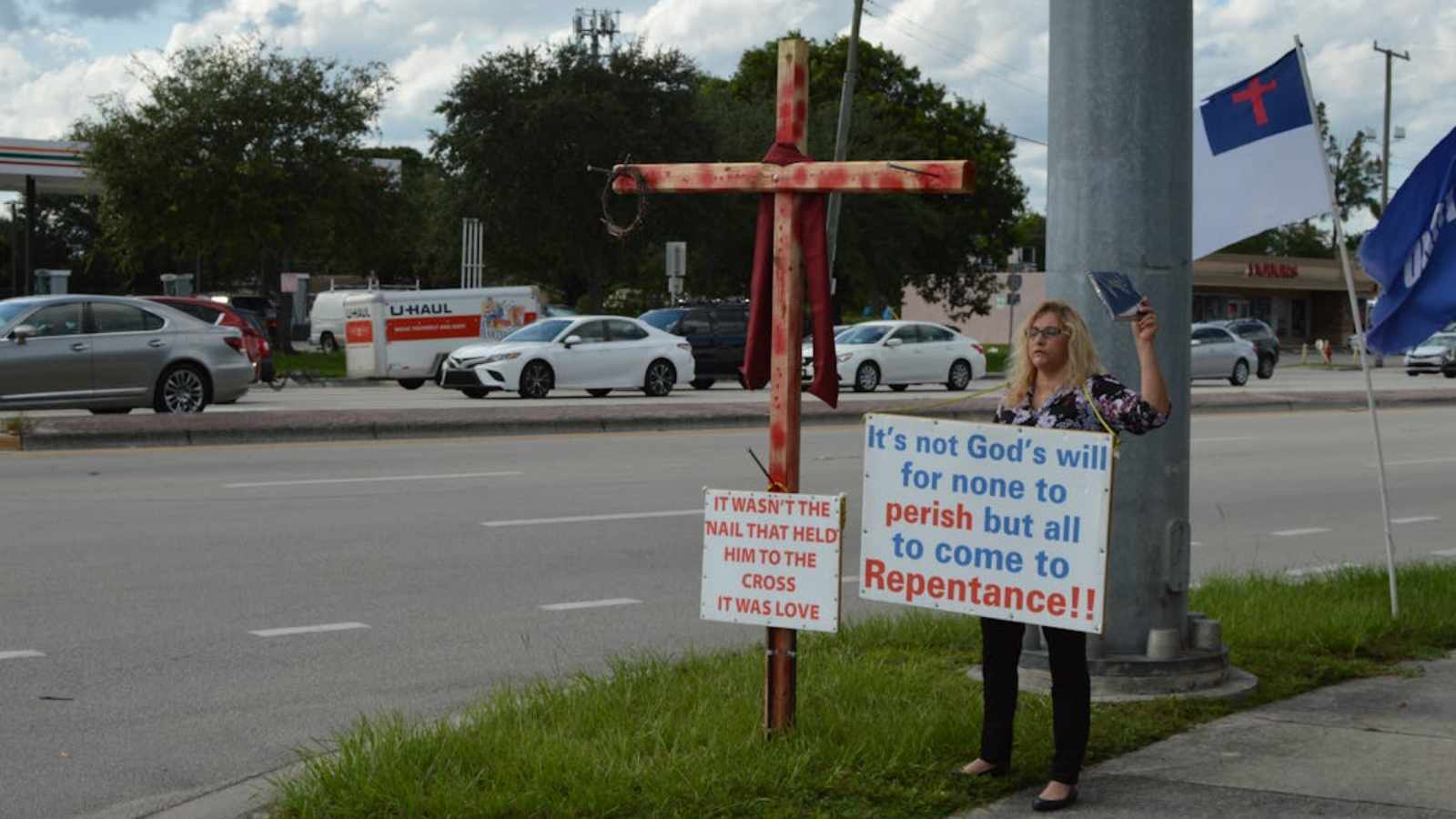
Christians often dedicate time and resources to mission trips or outreach programs aimed at spreading their beliefs. For atheists, the idea of traveling across the world to share faith can feel confusing, even intrusive.
But for believers, it’s about service, love, and living out their calling. To an outsider, the scale of that commitment can be hard to wrap their head around.
Attending church every Sunday

Waking up early on a weekend to attend a long service is something atheists often find baffling. They may see it as a chore, while Christians view it as a communal anchor in their week.
Church attendance in the U.S. has declined, with only about 30% of adults attending regularly; however, for those who do, it’s about more than just sermons. It’s a chance to connect socially, spiritually, and emotionally. To outsiders, though, the dedication can seem hard to understand.
Using religious language in everyday life

Christians often sprinkle casual expressions like “God willing,” “blessed,” or “thank the Lord” into daily conversations. To an atheist, these phrases can feel puzzling because they point to a divine influence that they don’t believe exists.
For the believer, though, such language is less about literal theology and more about habit, culture, and gratitude. For atheists, it can sound like a code they’re not fluent in.
Giving money to the church

Tithing—or donating 10% of one’s income—is a practice rooted in scripture, and many Christians take it seriously. For atheists, this often sparks questions: why give money to an institution rather than to direct causes or personal savings?
In 2022, U.S. church donations reached $135 billion, underscoring the continued significance of giving. For believers, it’s about trust and faith that their money supports something bigger. Still, for someone outside that framework, it can seem financially puzzling.
Avoiding certain behaviors because they’re “sinful”

Christians sometimes frame choices—what to drink, watch, or do—as avoiding sin. Atheists often find this puzzling because they don’t see behavior in moral terms tied to divine rules. Instead, they view choices more through the lens of personal ethics or societal norms.
But for Christians, seeing something as sinful gives it spiritual weight, not just personal preference. That difference can make everyday conversations about lifestyle feel worlds apart.
Referring to the Bible as the ultimate authority

Save this article
Christians often turn to the Bible not just for spiritual matters but also for daily decisions, which can puzzle atheists. For many non-believers, the idea of using an ancient text as a guiding tool in modern life feels outdated.
Yet research shows that 34% of U.S. adults read the Bible at least once a week. To Christians, scripture is timeless wisdom, while to atheists, it may seem like relying on history rather than reason. It’s a difference in perspective that often sparks deeper debates.
Singing worship songs passionately

There’s something powerful about a congregation singing together, but to atheists, it can appear as an unusual form of group enthusiasm. Worship songs often repeat lines about devotion, love, or surrender, which outsiders may not connect with.
For Christians, music is one of the most powerful ways to express their faith. Neuroscience even shows that group singing can boost endorphins and reduce stress. Atheists may acknowledge the emotional effect, even if the spiritual meaning feels foreign to them.
Celebrating religious holidays with deep meaning

Christmas and Easter might look like fun cultural holidays to atheists, but for Christians, they hold profound spiritual significance. Atheists may find it puzzling when families attend midnight mass or sunrise services instead of focusing just on food and gifts.
For believers, these traditions serve as a means to commemorate key aspects of their faith. Approximately 90% of Americans celebrate Christmas, but fewer than half view it as primarily a religious occasion. The split explains a lot of the puzzlement.
Displaying religious symbols everywhere

Many Christians enjoy openly displaying their beliefs with cross necklaces or even bumper stickers with Bible verses. Atheists sometimes find this confusing, wondering why someone would want their faith on constant public display.
For Christians, though, it’s a way of expressing identity and pride in their values. Religious jewelry remains one of the most popular faith-based purchases in the U.S. What feels like oversharing to one person feels like authentic expression to another.
Treating death as a transition, not an end

Perhaps one of the most profound differences is how Christians view death. Atheists often view it as final, while Christians see it as a transition to eternal life. That belief shapes rituals, prayers, and even the way grief is handled.
For outsiders, it can feel puzzling when sorrow is mixed with hope or even joy. But for Christians, it’s the ultimate reassurance—that the story doesn’t stop here.
Key takeaways

Everyday rituals can feel like mysteries to outsiders. Practices like praying before meals, attending church weekly, and passionately singing worship songs are second nature to Christians, but can feel unusual to atheists.
Faith shapes language, values, and lifestyle. Many habits, such as saying “I’ll pray for you” to avoiding certain behaviors deemed “sinful,” reflect a worldview rooted in scripture rather than personal or cultural norms alone.
Beliefs influence giving, service, and symbols. Tithing, missionary work, and wearing religious jewelry all represent ways Christians live out their faith in both public and private—often confusing to those who view religion as a personal matter.
Life and death carry very different meanings. While atheists may see holidays as cultural and death as final, Christians attach deep spiritual significance, forgiveness, and hope for eternal life that outsiders may find puzzling.
Disclaimer – This list is solely the author’s opinion based on research and publicly available information. It is not intended to be professional advice.
16 grocery staples to stock up on before prices spike again
16 Grocery Staples to Stock Up On Before Prices Spike Again
I was in the grocery store the other day, and it hit me—I’m buying the same things I always do, but my bill keeps getting higher. Like, I swear I just blinked, and suddenly eggs are a luxury item. What’s going on?
Inflation, supply-chain delays, and erratic weather conditions have modestly (or, let’s face it, dramatically) pushed the prices of staples ever higher. The USDA reports that food prices climbed an additional 2.9% year over year in May 2025—and that’s after the inflation storm of 2022–2023.
So, if you’ve got room in a pantry, freezer, or even a couple of extra shelves, now might be a good moment to stock up on these staple groceries—before the prices rise later.
6 gas station chains with food so good it’s worth driving out of your way for

6 Gas Station Chains With Food So Good It’s Worth Driving Out Of Your Way For
We scoured the Internet to see what people had to say about gas station food. If you think the only things available are wrinkled hot dogs of indeterminate age and day-glow slushies, we’ve got great, tasty news for you. Whether it becomes part of a routine or your only resource on a long car trip, we have the food information you need.
Let’s look at six gas stations that folks can’t get enough of and see what they have for you to eat.