You know what’s wild? The stuff we use every single day without thinking twice about it once had entire communities clutching their pearls and writing angry letters to newspapers.
I’m talking about objects so ordinary now that you probably touched at least three of them before reading this sentence. But back in the day? These innocent items were basically considered weapons of mass moral destruction.
Let’s take a trip through America’s hilariously overdramatic history of freaking out over the most mundane things.
The bicycle
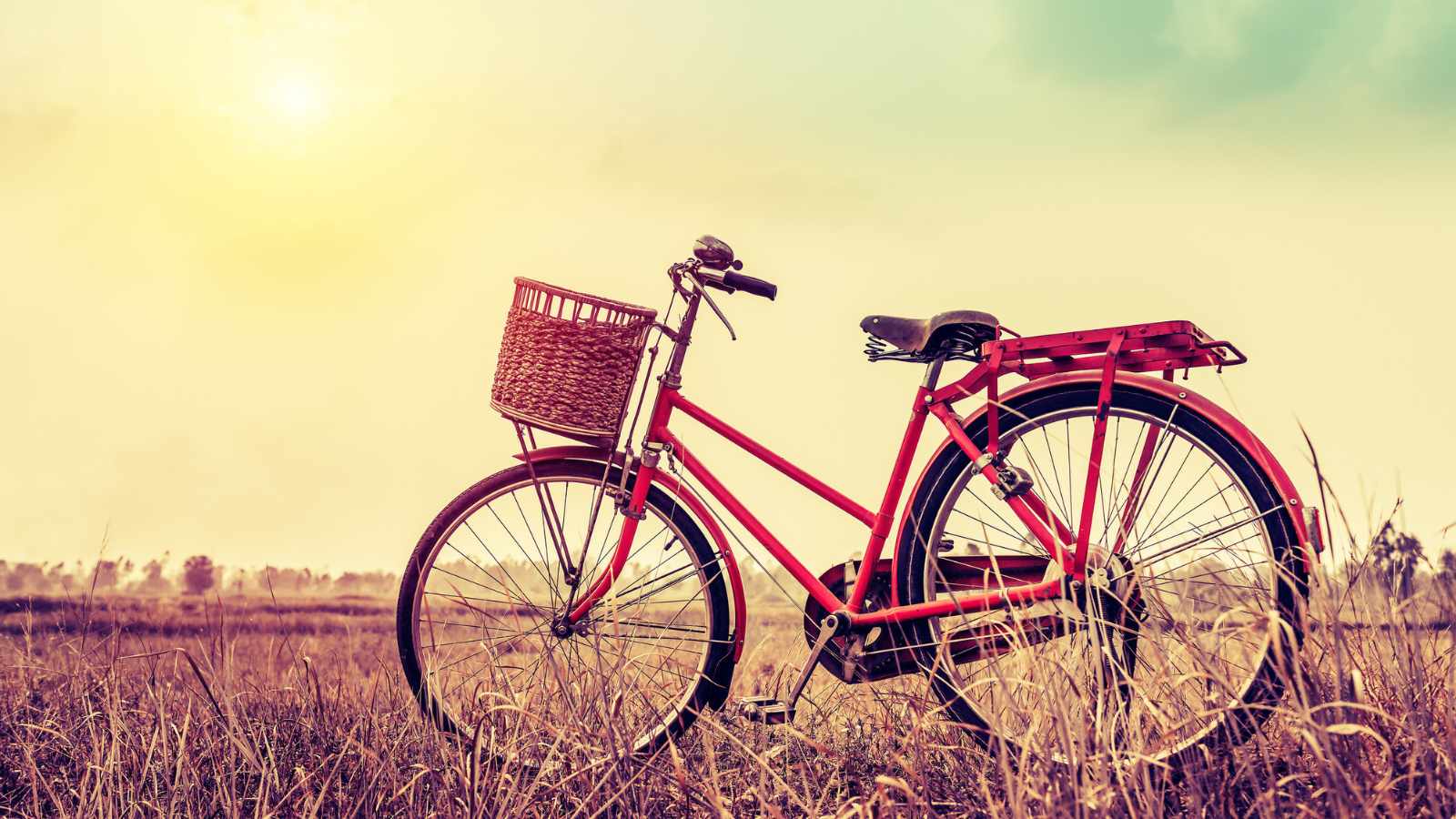
Who knew that two wheels and a chain could unleash such chaos? In the 1890s, bicycles weren’t just a means of transportation—they were moral hazards on wheels. Critics feared that cycling could lead to uterine displacement, infertility, or moral decay—none of which were true.
The real panic? Women could suddenly travel without chaperones. Imagine the horror! Churches preached against the “devil’s chariot,” and doctors warned of mysterious ailments. Meanwhile, women were out there just… Riding bikes and having a blast. The audacity!
Comic books
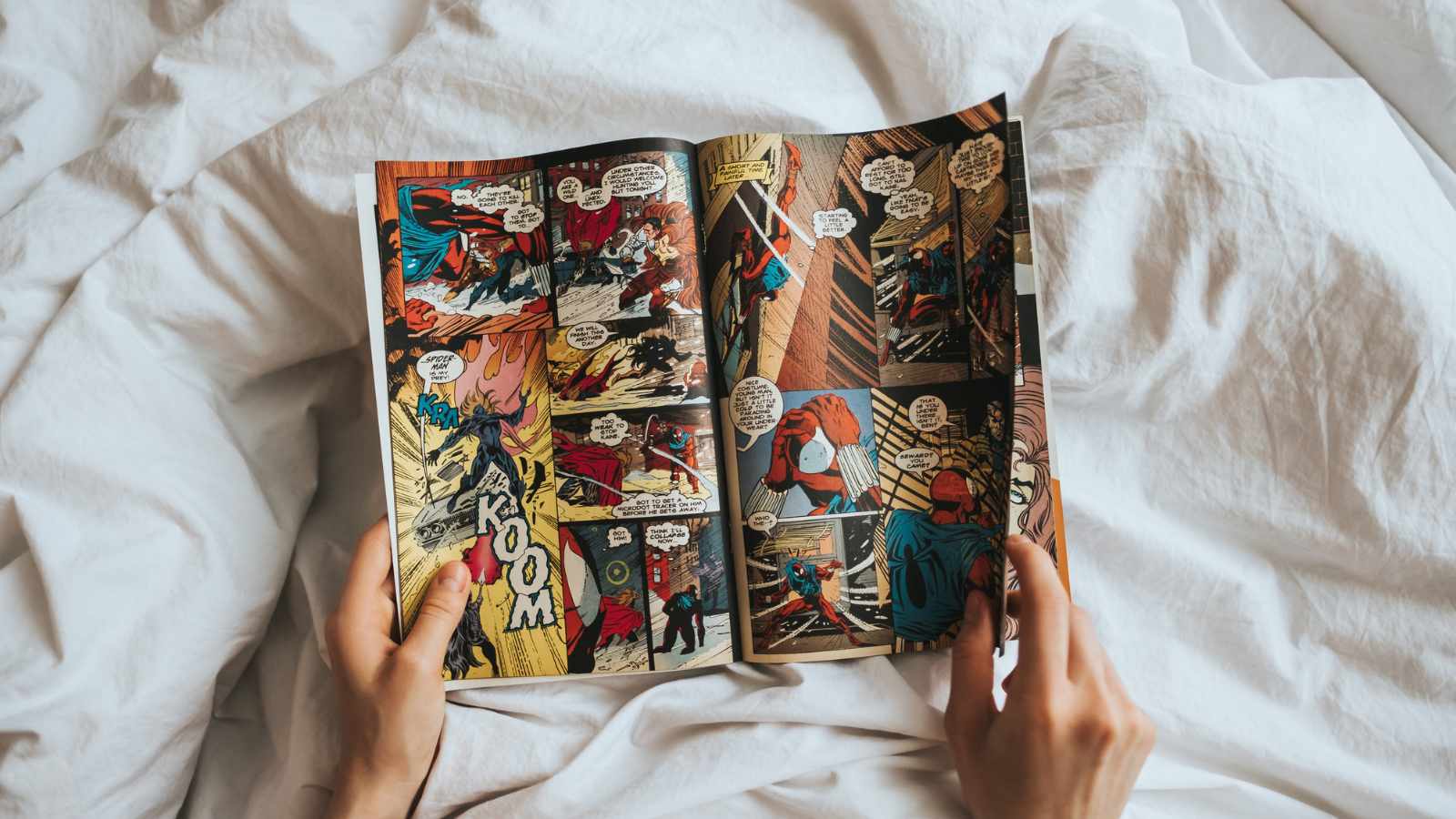
Here’s where things get really ridiculous. In the 1940s and 50s, comic books were basically treated like illustrated heroin. Dr. Fredric Wertham’s book “Seduction of the Innocent” convinced parents that Superman and Wonder Woman were turning their kids into juvenile delinquents.
The panic was so intense that Congress held actual hearings about comic books in 1954. They created the Comics Code Authority, which neutered comics for decades. Batman couldn’t even say “shoot” without approval. Imo, the real crime was how boring comics became after that moral crusade.
The automobile
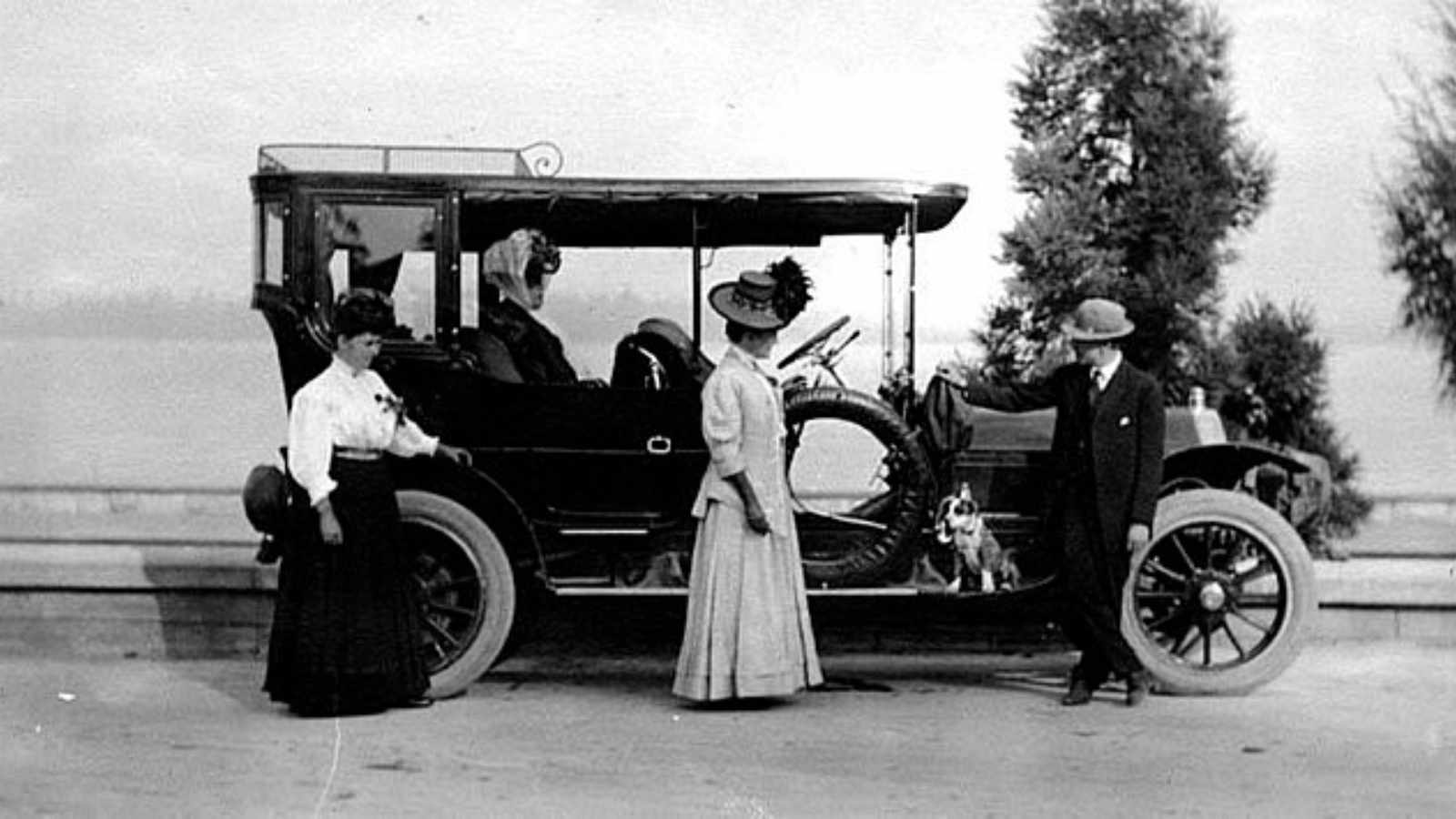
Before cars became as American as apple pie, they were viewed as terrifying death machines that would destroy society. In the early 1900s, critics argued that automobiles would eliminate walking (making people lazy).
“Get a horse!” It was a common jeer hurled at early drivers. Many people saw cars as noisy, dangerous contraptions that disrupted the peace and scared horses. Some towns actually required cars to be preceded by someone on foot waving a red flag.
Picture that commute! Religious leaders claimed cars would empty churches because families could drive to other activities on Sundays. Turns out they weren’t entirely wrong about that last part, but somehow society survived.
The waltz

Dancing has always made conservatives nervous, but the waltz? Pure moral terrorism. When this couple’s dance arrived from Europe in the early 1800s, American society nearly combusted. The problem wasn’t the music—it was the fact that men and women held each other while spinning around.
Ministers delivered sermons against “the voluptuous intertwining of the limbs.” One critic called it “a riotous and indecent disregard of social order.” Imagine explaining modern dance to these folks. They’d probably spontaneously combust watching a TikTok dance challenge.
Playing cards
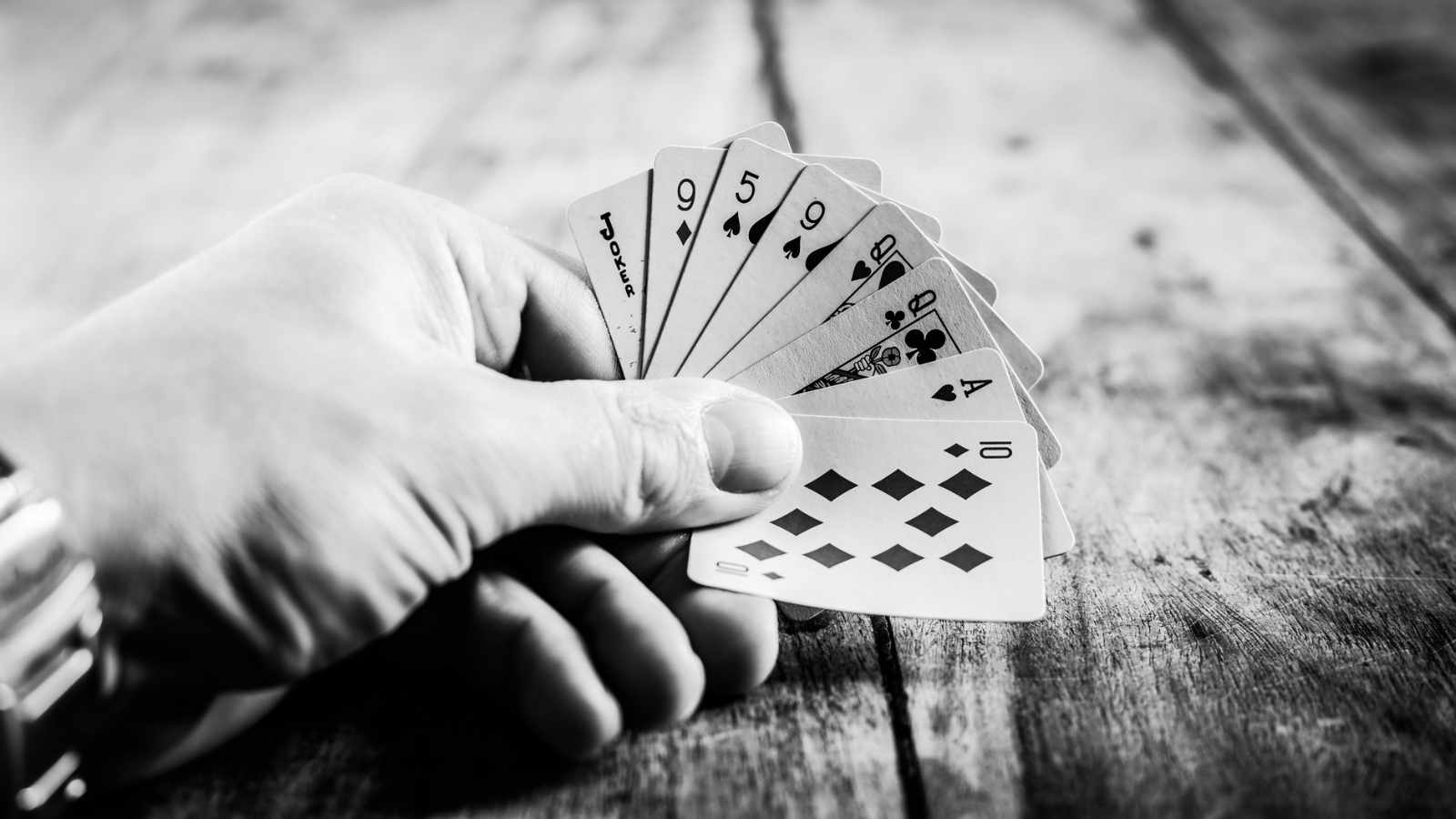
Cards have been causing moral meltdowns for centuries, but America had its own special relationship with this panic. Puritans referred to playing cards as “the devil’s picture books” and banned them in many colonies. Even George Washington had to defend his card-playing habits against critics.
Religious groups insisted that cards led directly to gambling, drinking, and general moral collapse. Some communities held public card burnings (because apparently books weren’t the only things getting torched). The irony? Many of these same communities now host church fundraising poker nights.
The novel

Before Netflix binges, there were novel binges—and they terrified parents just as much. In the 18th and 19th centuries, novels were considered a dangerous form of entertainment that would corrupt young minds, especially those of women. Critics worried that reading fiction would make people lazy, give them unrealistic expectations about life, and, worst of all, encourage independent thinking.
“Novel reading” was practically diagnosed as a medical condition. Doctors claimed it caused everything from hysteria to digestive problems. Libraries actually restricted novel access to prevent “reading addiction.” These same people would probably have heart attacks seeing modern reading apps with infinite scroll features.
The telephone
Save this article
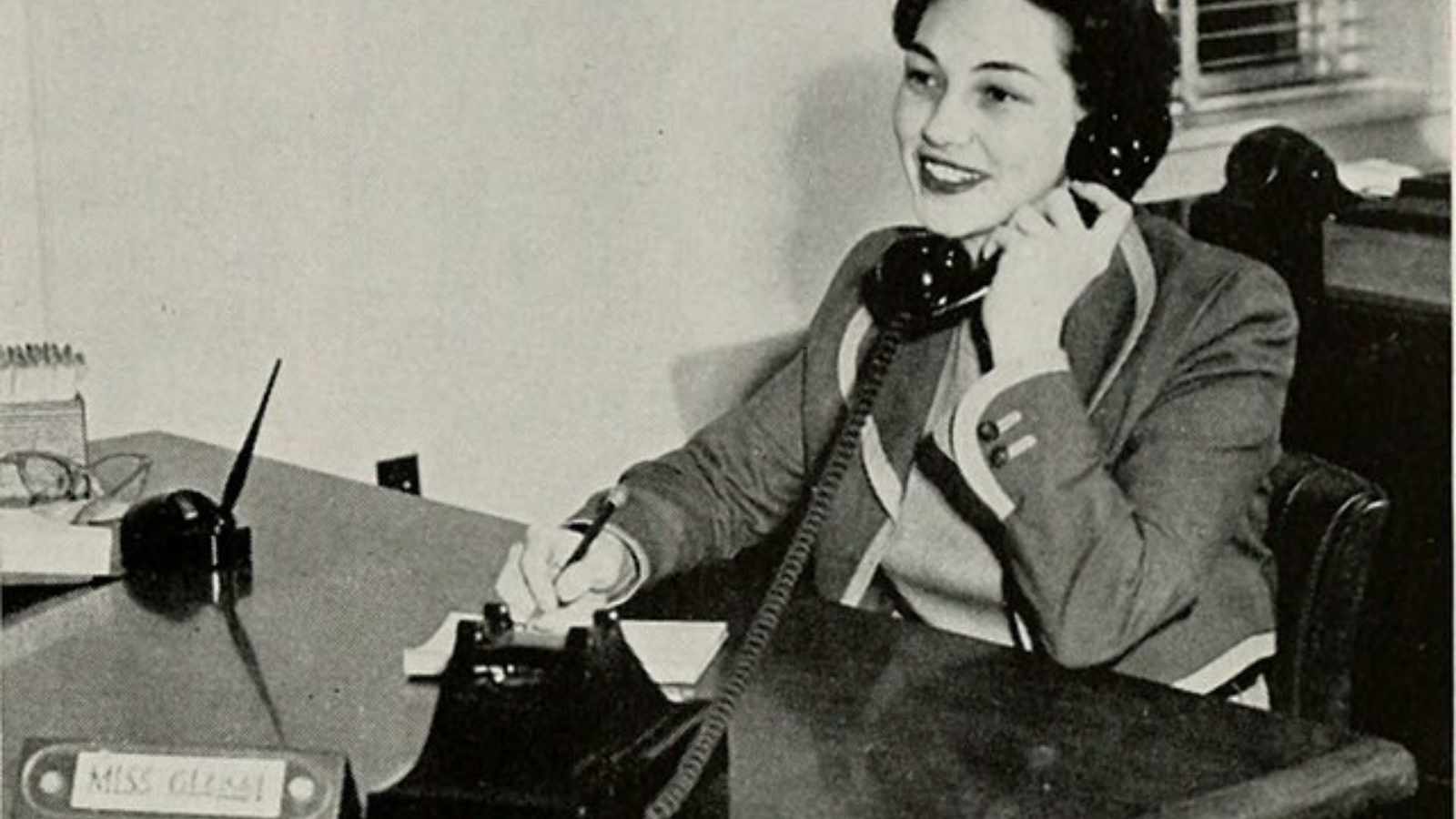
When Alexander Graham Bell’s invention started connecting homes, many Americans viewed it as an invasion of privacy and social propriety. Critics worried that phones would eliminate face-to-face conversation, allow inappropriate relationships to develop, and give servants too much access to family business.
Some religious leaders claimed phones were unnatural because they allowed voices to travel without bodies. Others worried about “telephone girls” (operators) overhearing private conversations. The fear that technology will destroy human connection sounds familiar, doesn’t it? Some things never change.
Ice cream sodas

This one’s my personal favorite for sheer absurdity. In the late 1800s, some communities became convinced that ice cream sodas were training wheels for alcoholism. The fizzy, sweet drinks were supposedly creating a taste for more dangerous substances.
Several states actually banned ice cream sodas on Sundays (hence the invention of the “sundae”—same treat, different name, no carbonation). The Women’s Christian Temperance Union campaigned against soda fountains with the same intensity they brought to actual alcohol. Because nothing says “gateway drug” like vanilla ice cream and seltzer water.
Chess

Even intellectual games weren’t safe from moral panic. Chess faced criticism for being too time-consuming and mentally stimulating. Religious authorities worried that chess promoted gambling and distracted people from more wholesome activities like, you know, working and praying.
Benjamin Franklin had to write essays defending chess as an educational tool. Imagine having to justify why thinking strategically was a good thing. The mental gymnastics required for that argument must have been Olympic-level.
The rocking chair
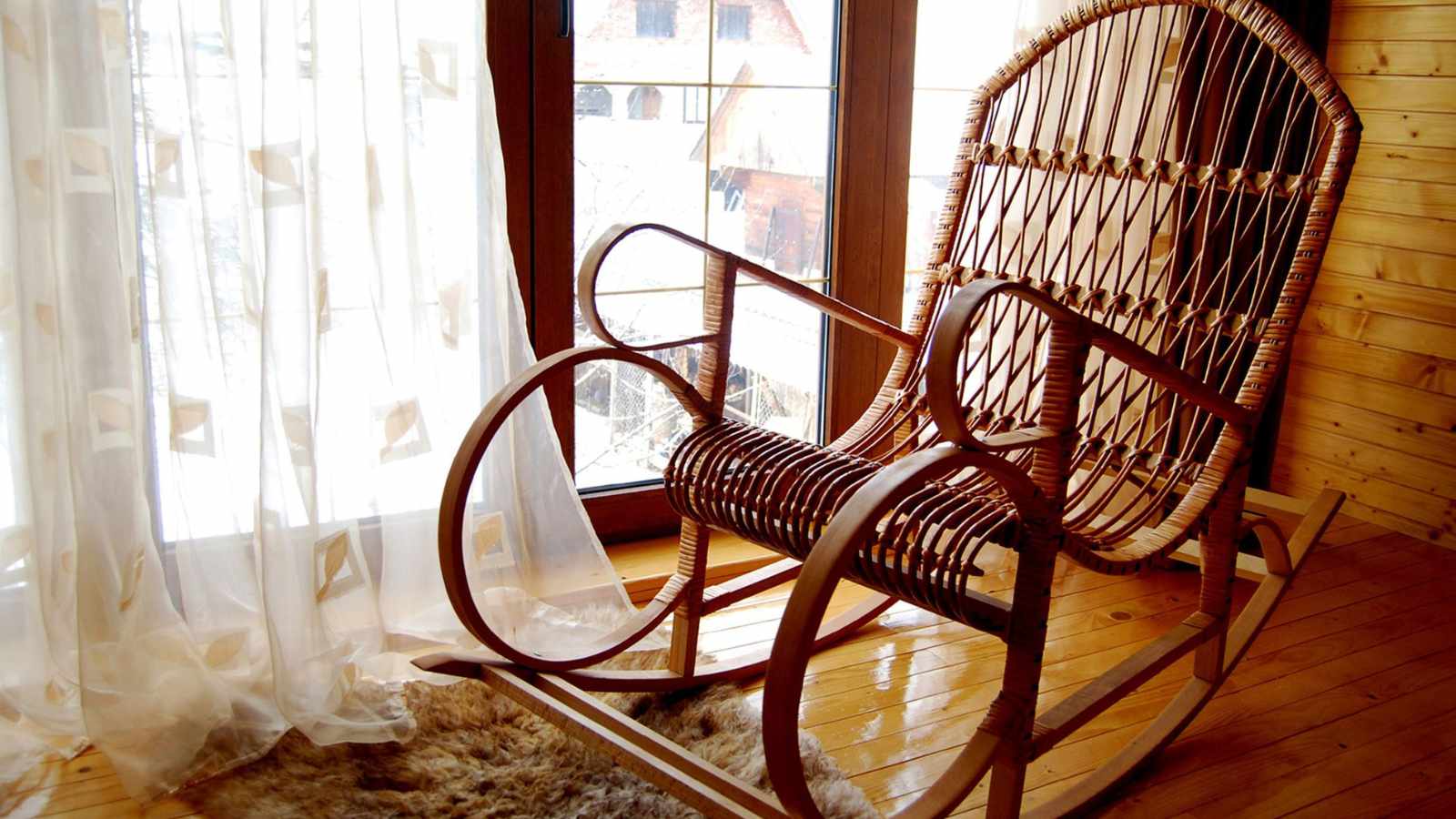
Last but definitely not least, the humble rocking chair sparked debates about the American work ethic and moral fiber. Critics argued that rocking chairs encouraged laziness and idle daydreaming. Some medical professionals even claimed that excessive rocking could cause motion sickness or nervous disorders.
The anti-rocking chair crowd insisted that chairs should keep people upright and alert, not relaxed and contemplative. They saw rocking as a slippery slope to general indolence. Modern-day recliners would probably send these critics straight into cardiac arrest.
Disclaimer – This list is solely the author’s opinion based on research and publicly available information. It is not intended to be professional advice.
16 grocery staples to stock up on before prices spike again
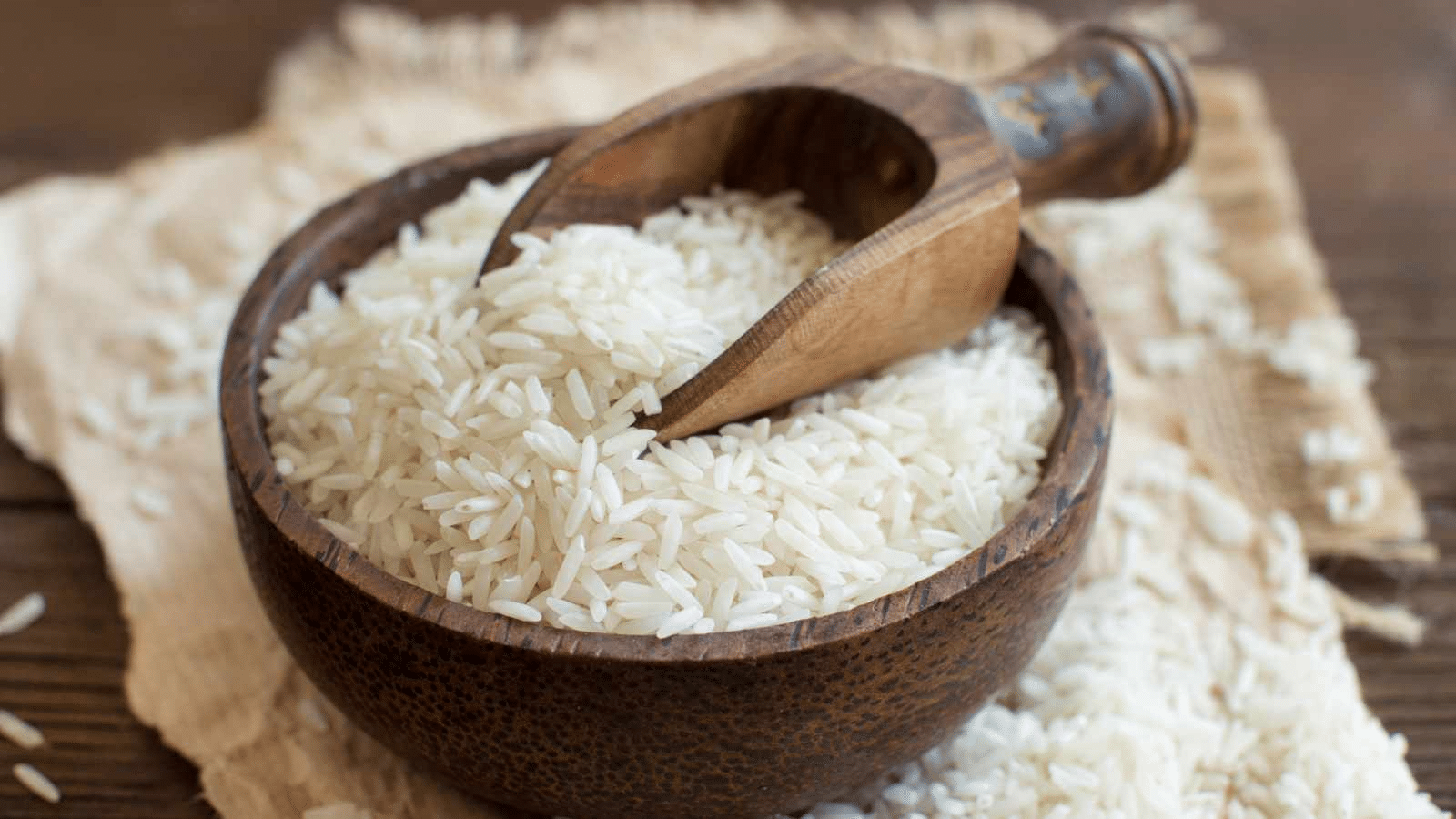
16 Grocery Staples to Stock Up On Before Prices Spike Again
I was in the grocery store the other day, and it hit me—I’m buying the exact same things I always do, but my bill just keeps getting higher. Like, I swear I just blinked, and suddenly eggs are a luxury item. What’s going on?
Inflation, supply-chain delays, and erratic weather conditions have modestly (or, let’s face it, dramatically) pushed the prices of staples ever higher. The USDA reports that food prices climbed an additional 2.9% year over year in May 2025—and that’s after the inflation storm of 2022–2023.
So, if you’ve got room in a pantry, freezer, or even a couple of extra shelves, now might be a good moment to stock up on these staple groceries—before the prices rise later.
6 gas station chains with food so good it’s worth driving out of your way for
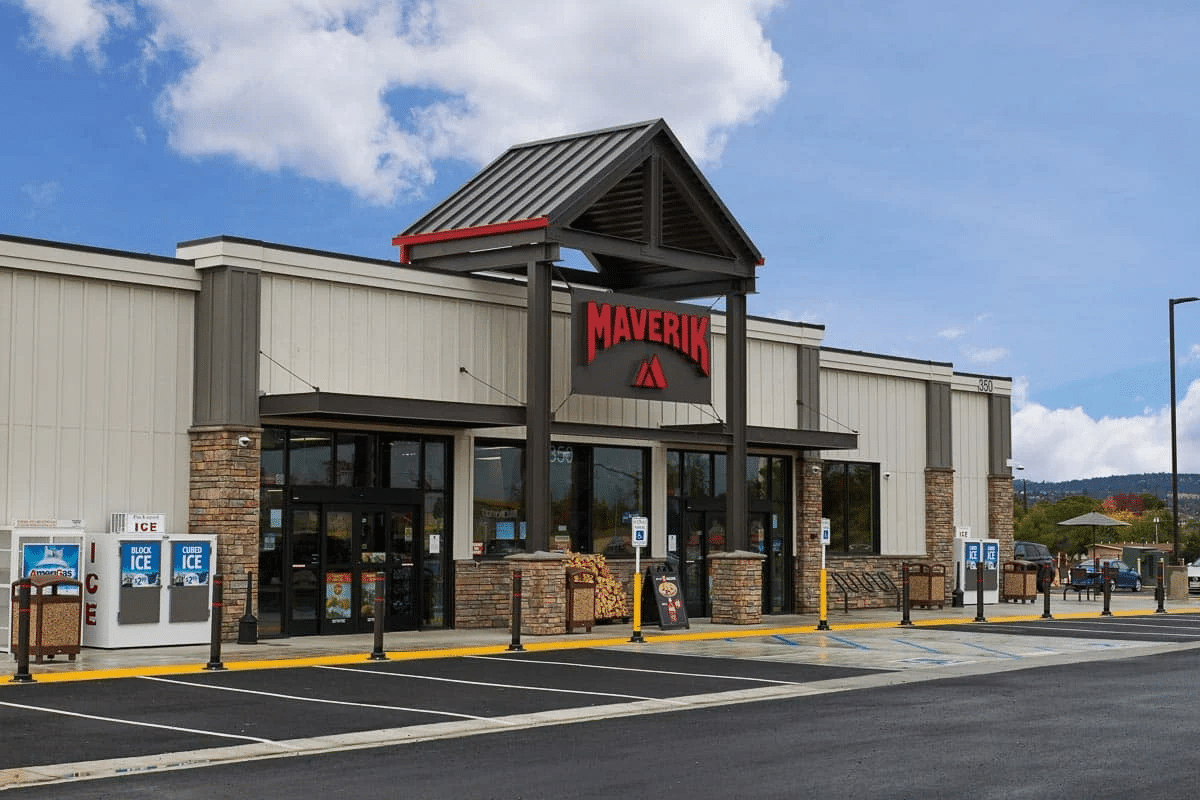
6 Gas Station Chains With Food So Good It’s Worth Driving Out Of Your Way For
We scoured the Internet to see what people had to say about gas station food. If you think the only things available are wrinkled hot dogs of indeterminate age and day-glow slushies, we’ve got great, tasty news for you. Whether it ends up being part of a regular routine or your only resource on a long car trip, we have the food info you need.
Let’s look at 6 gas stations that folks can’t get enough of and see what they have for you to eat.