

Before every kitchen gadget needed a charger, a few sturdy tools could handle breakfast, dinner, and holiday chaos without blinking.
Many of the tools that defined the American kitchen in the mid-twentieth century have been replaced by digital touchscreens and automated appliances. While these modern versions offer speed, they often lack the mechanical simplicity and durability that made older gadgets so reliable for decades.
These classic tools were the primary instruments used to prepare every family breakfast and holiday feast for an entire generation. They did not require a power cord or a complicated manual to help a home cook get the job done right. We are taking a look at specific mechanical wonders from the past that managed to combine sturdy construction with a practical charm.
Mechanical Kitchen Timers
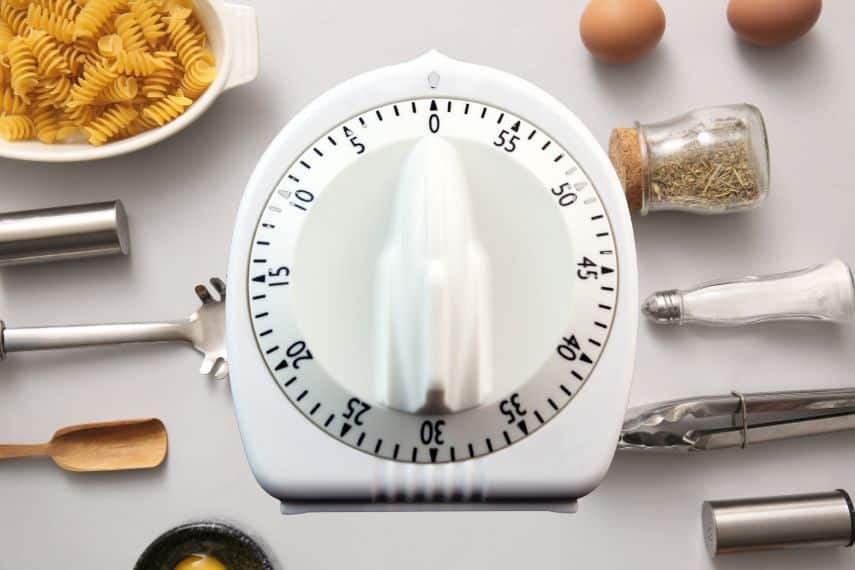
There was something undeniably charming about the loud ticking and the sharp “ding” of a white plastic egg timer. You would twist the dial to sixty minutes and listen to the steady countdown as the kitchen filled with the smell of roasting meat. It was a physical reminder that good things take time and that patience is a virtue in the kitchen.
Mechanical cues help improve focus on tasks compared to the silent digital alerts of a modern smartphone. These timers were nearly indestructible, surviving drops onto the linoleum floor without ever skipping a beat or losing their chime. They were the simple timekeepers of a generation that valued a steady and predictable routine.
The Iconic Hand Crank Egg Beater
There was a genuine rhythm to spinning the side handle and watching the dual blades whirl into a blur of silver. It was a physical connection to the process that made you feel like you were truly building something special from scratch.
You could control the speed with a flick of your wrist, adjusting the airiness of your peaks by feel alone. Before the age of the bulky stand mixer, these manual beaters were a staple in over 20 million American households during the mid-twentieth century.
They were easy to clean and even easier to store in a crowded utility drawer without taking up much space. For many, the mechanical whirring sound is a direct ticket back to a sunny morning spent helping grandmother in the kitchen.
Sturdy Metal Ice Cube Trays
Long before every freezer had a built-in dispenser, we relied on heavy aluminum trays with a magical lever on the top. Pulling that handle back created a satisfying series of cracks and pops as the frozen blocks were pried from their metal beds. It was a small victory every time a perfect row of cubes tumbled out into the waiting ice bucket.
Modern plastic versions often feel flimsy and thin compared to the industrial strength of these vintage metal originals. Expert collector Jane DiGiacomo says that “these trays were built to last” for decades, never cracking or leaking under pressure. They remind us of a time when even the most basic cooling task required a bit of manual effort and sturdy craftsmanship.
The Sunbeam Radiant Control Toaster
This specific appliance felt like genuine magic because it did not have a lever to push the bread down. You simply dropped a slice into the slot, and the weight of the bread triggered a motor that lowered it slowly into the heat. It was the peak of kitchen elegance, providing perfectly even browning without any of the sudden, startling pops of modern units.
According to historical manufacturing records, Sunbeam produced millions of these toasters during its peak years of national popularity. It proved that a simple morning task could be elevated into a smooth and quiet ritual with the right engineering. For those who still own one, it remains a symbol of a time when appliances were truly innovative and exciting.
There are even video odes to this toaster all over Youtube, like this one:
Manual Swing-A-Way Can Openers
There is a specific sturdiness to the old wall-mounted or handheld openers that modern electric versions simply cannot match. You would lock the gears onto the rim and turn the crank, feeling the sharp wheel bite through the metal with ease. It was a reliable tool that never failed to get you into a can of soup or a tin of peaches.
In the early sixties, nearly all homes relied on manual openers for daily meal preparation. These tools were often passed down through families, surviving for thirty years while barely showing a single sign of wear. They were the definition of a dependable kitchen ally that required no electricity to work.
The Foley Food Mill
If you wanted the smoothest mashed potatoes or a seedless berry sauce, this was the only tool for the job. You would turn the large wooden knob, pressing the food through a perforated plate while the scraper kept the surface clear. It was a slow, meditative process that yielded textures a modern blender simply cannot replicate.
Nutritionists note that milling food by hand helps preserve certain vitamins that might be lost to the high heat of high-speed blades. This manual approach encouraged a closer look at the ingredients and a slower pace of life in the busy household. It remains a favorite for traditionalists who believe that the best flavors come from a bit of honest elbow grease.
Vintage Pyrex Percolators
Watching the coffee bubble up into the glass knob on top was the best way to wake up on a chilly morning. You could see the water slowly turn to a rich mahogany color, adjusting the heat based on the visual cues from the clear pot. It was a sensory experience that involved the sound of the perk and the sight of the brewing process.
Statistics show that percolator sales accounted for 60% of the coffee market before the rise of automatic drip machines in the seventies. Many people still swear that the flavor of a percolated cup is bolder and more satisfying than anything from a pod. It was a social center of the home, sitting proudly on the stove.
The Handheld Nut Grinder
These little glass jars with a cranking mechanism on top were essential for any holiday baking project or Sundae bar. You would drop in a handful of walnuts and turn the handle, watching the uniform pieces fall into the bottom container. It was a task that children loved to help with, as they felt they were contributing to the final delicious result.
Save this article
Baking records from the era show that home nut consumption peaked during the winter months as families gathered for traditional celebrations. It was a tool that encouraged a “from scratch” mentality that is often lost in our world of pre-chopped and pre-packaged goods. Using one today brings back memories of dusty flour and the sweet smell of a hot oven.
Rotating Flour Sifters
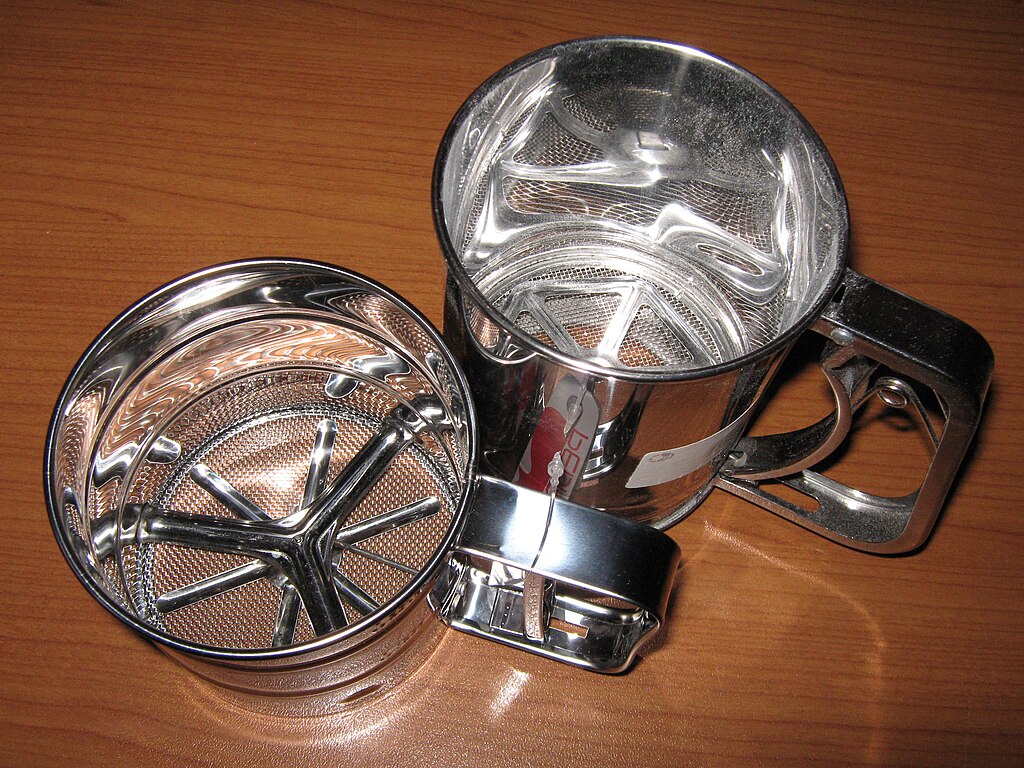
Pulling the trigger on the handle of a tin sifter created a metallic shimmy that aerated the flour into a fine cloud. It was a necessary step for any delicate cake recipe to ensure the batter would rise perfectly every single time. The fine mesh removed any lumps, resulting in a professional finish that made every home baker feel like a pro.
Sifter sales reached millions of units annually as the suburban baking boom took hold of the country. It was a simple mechanical solution to a common culinary problem that required no complex settings or buttons. For many, that rhythmic clicking sound is the true soundtrack of a busy Saturday in the family kitchen.
The Copper Bottom Revere Ware
While not exactly a gadget, these pots and pans were the high-performance engines of the mid-century stove top. The copper base distributed heat incredibly quickly, preventing hot spots that often ruined delicate sauces or stews.
They were built to be used every single day, often for fifty years, and still look beautiful on a rack. At the height of their popularity, Revere Ware shipped over 5 million pieces of cookware to stores across the United States in a single year.
These pans were a significant part of the family’s financial plan, as they were viewed as a lifelong investment in the home. They remind us of a time when quality was measured in decades of service rather than months of use.
The Glass Citrus Juicer
Before the arrival of giant electric juicers that take up half the counter, many kitchens relied on a heavy glass reamer with a deep well. You would simply press half an orange onto the glass ridges and twist, watching the fresh juice collect around the base.
It was a quick and easy way to add a bit of sunshine to a morning meal without the intrusion of a loud motor. This tool made the act of preparing a drink feel like a personal craft rather than a chore performed by a machine.
For those on a tight budget, it was an affordable way to get a daily dose of vitamins without needing expensive electronics. This manual process allowed for a quiet, mindful start to the day, proving that sometimes the most basic tools are the most effective for a healthy breakfast.
The Serrated Grapefruit Spoon
Tackling a grapefruit used to be a surgical operation that required a very specific tool with tiny teeth on the edges. These spoons allowed you to saw through the sections and lift out a perfect bite without squirting juice into your eye. It turned a difficult fruit into a manageable and elegant start to the day for millions of people.
In the late fifties, grapefruit was a staple of the American breakfast, with millions of boxes produced per year for the domestic market. These specialized spoons were the only way to enjoy the fruit without making a complete mess of the kitchen table. They represent a level of culinary specificity that we rarely see in our multi-purpose modern world.
Manual Brings Joy
The kitchen gadgets of the past were more than just metal and plastic; they were the reliable partners that helped build a sense of home and tradition. While modern technology offers convenience, these old-school tools remind us of the value of durability and the joy of a manual process.
More articles:
- 15 appliances that are quietly draining electricity in your home
- A home’s value isn’t lost in negotiations but in the split-second judgments buyers make the moment they step inside.
- 12 things to ditch for a cleaner, healthier home
Disclosure: This article was developed with the assistance of AI and was subsequently reviewed, revised, and approved by our editorial team.
Like our content? Be sure to follow us on Newsbreak.
12 Urgent Reasons Every Home Needs an Emergency Cash Stash

With millions unprepared for even a $400 emergency, financial experts warn that old-school cash at home is becoming essential again.
A power outage doesn’t care that your money is digital. When a tow truck, urgent-care desk, or gas station needs payment, you can’t always wait for an app, a password reset, or a slow bank transfer. Learn more.
10 home smells triggering your brain fog, headaches, and fatigue

Sometimes the reason you feel so drained at home is not stress or age at all, but what you are breathing in every day.
Feeling wiped out or headachy at home is easy to blame on age or stress, but certain everyday smells in your house can quietly wear you down too. For many changing what they breathe inside four walls is just as important as changing what they eat or how they move. Indoor air is a mix of invisible chemicals, lingering odors, and tiny particles that your brain and nervous system have to process all day long, and that constant background “noise” can show up as headaches, brain fog, and stubborn fatigue. Learn more.





