
Growing frustration over tipping prompts has sparked debate as digital payment systems increasingly suggest gratuities for even the simplest transactions.
Standing at a digital kiosk and seeing a suggested gratuity of 30% for a bottle of water can feel like a direct hit to the wallet. What used to be a simple way to say thank you for a great meal has morphed into a constant and often confusing social pressure.
Many people now find themselves staring at a screen while an expectant worker watches, wondering when the rules of the game changed so drastically.
This growing frustration is not just about a few extra dollars, but a deeper shift in how we value service and our own hard-earned cash. The push for more money seems to lurk around every corner of our daily lives. As the cost of living continues to rise, the average diner is pushing back against a system that feels increasingly out of balance.
Impact Of Higher Menu Prices

As restaurants raise their prices to cover food and labor costs, the math of a percentage-based reward starts to look very different. A 20% bonus on a meal that now costs $100 is much more expensive than it was when the same meal was only $70. Customers are noticing this “double dip” and are adjusting their percentages downward to compensate for the higher base cost.
People are doing the quick math in their heads and realizing that their total bill has reached a breaking point for their budget plans. This adjustment is a natural reaction to a market where every single item seems to cost significantly more than it did last year.
The Rise Of Widespread Tipflation

The most common reason for the current backlash is that gratuity prompts are appearing in places where they never existed before. The digital tablet almost always asks for a little bit extra. This expansion has created a sense of fatigue that makes people want to opt out of the practice entirely for their own sanity.
A comprehensive study by the Pew Research Center found that roughly 72% of Americans believe tipping is expected in far more places today than it was just five years ago. This constant bombardment makes it difficult to distinguish between a service that truly warrants a reward and a simple transaction.
Shrinking Value Of The Dollar
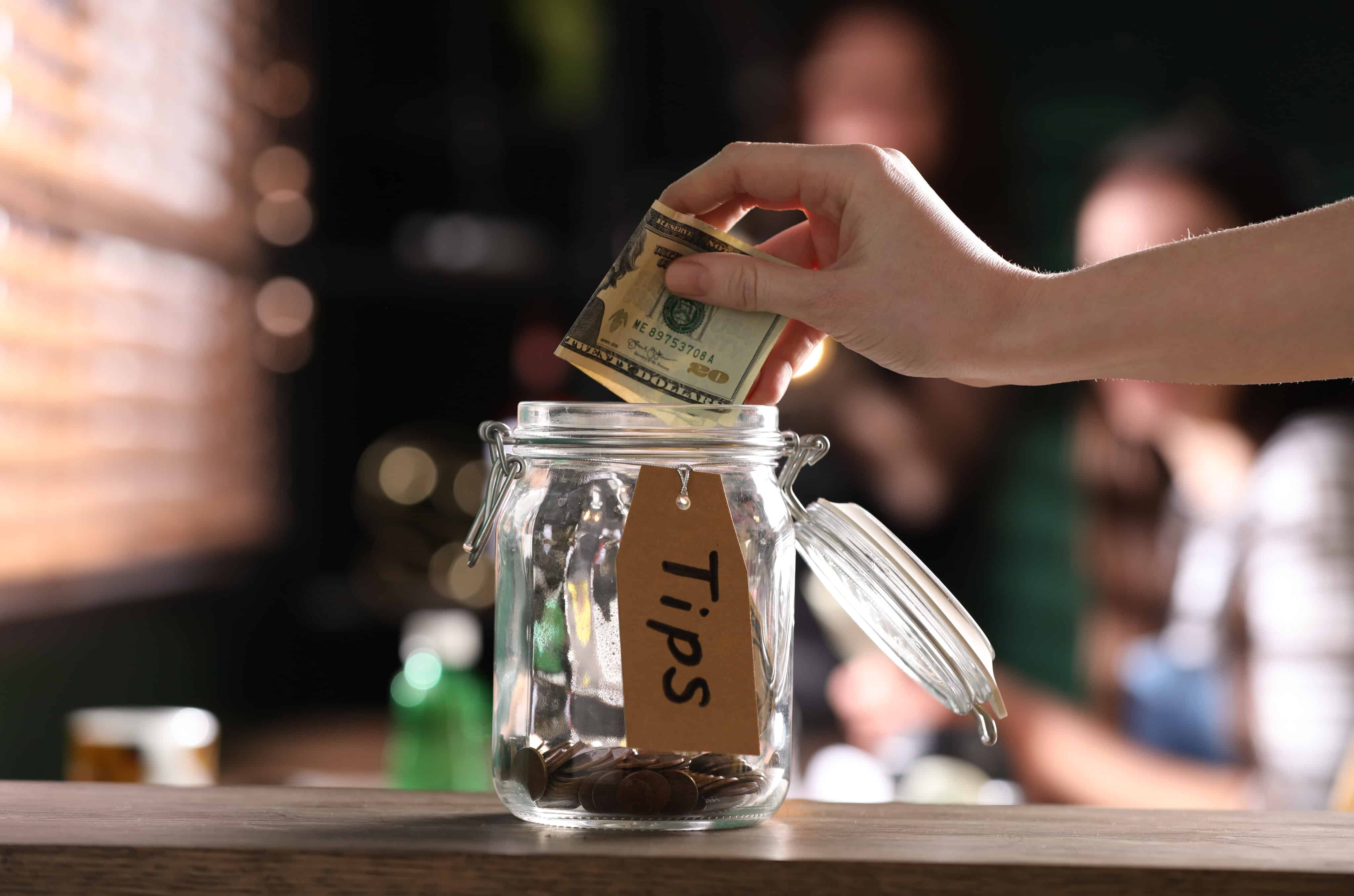
High grocery prices and rising rents have left many families with very little wiggle room in their monthly budgets. When the bill for a standard meal out has already jumped by 20%, adding a large gratuity on top can feel like a bridge too far.
Many consumers are choosing to protect their own bottom line by being much more selective with their extra change. According to recent economic data, about 41% of people agree that the high cost of living has directly led them to reduce the amounts they leave behind.
It is a tough spot to be in because most people genuinely want to support workers, but cannot afford to subsidize a business. This financial squeeze is forcing a more practical approach to handling our discretionary income each week.
The Pressure Of Pre-Entered Screens

There is a unique type of social anxiety that comes with choosing a “no tip” option while a server stands just two feet away from you. These pre-entered screens often start at 20 or 25%, making a standard 15% gift look cheap or insulting by comparison.
This psychological nudge is intended to guilt people into overpaying, but it often has the exact opposite effect. Bankrate reports that nearly 70% of Americans are annoyed by these digital prompts, with many saying they make them want to give less.
Instead of fostering a sense of generosity, the tech feels like a shakedown, lacking the human touch of a traditional paper receipt. It turns a moment of gratitude into a cold, calculated digital transaction that many find off-putting.
Shifting Responsibility To The Consumer

Many diners are starting to feel as though they are being asked to cover wages that business owners should be paying themselves. There is a growing sentiment that if a company can afford to open its doors, it should be able to pay its staff a fair and living wage.
This shift in perspective is making people less likely to participate in a system they view as fundamentally broken. Expert analyst Ted Rossman states, “Tipping is part of the American way of life,” but he notes that 41% of people now believe businesses should simply pay better.
This statistic highlights a major change in how we view the social contract between the customer, the worker, and the employer. People are growing tired of being the middleman in a complicated, outdated labor dispute.
The Quality Of Service Is Slipping

Save this article
While the expectation for more money has increased, many customers feel the actual level of care they receive has decreased. Long wait times and a lack of attention can make it very hard to justify a large bonus at the end of the night. If the experience does not match the price tag, most people’s motivation to be extra generous quickly disappears.
Data show that roughly 53% of consumers still say service quality is the main factor in their decision, but that number is falling. It seems that the link between effort and reward is being severed by a culture that expects a flat rate regardless of the actual work. This trend makes the whole process feel less like an incentive and more like an unearned entitlement for the staff.
Confusion Over Who To Tip

It used to be simple to know that you tipped a waiter or a barber, but now the lines are incredibly blurry for the average person. Should you tip the person who just handed you a coffee or the mechanic who fixed your car in the shop? This lack of clarity leads to a “when in doubt, do nothing” approach that is becoming more common every day.
Pew Research indicates that only about 34% of adults find it extremely easy to know when a gratuity is actually appropriate these days. This confusion creates social friction that can ruin what was supposed to be a pleasant outing. Without clear and consistent rules, many people are simply opting out to avoid the headache of guessing.
The Rise Of Automatic Service Charges

Some restaurants have started adding a mandatory fee to the bill, which often catches customers off guard at the very end. While this is meant to ensure workers get paid, it often feels like a hidden cost that was not clearly stated on the menu.
This lack of transparency can leave a sour taste in a person’s mouth and discourage any additional giving. The public is largely opposed to this practice, with many people saying they oppose automatic service charges on their bills. It takes the power of choice away from the customer, making the transaction feel forced rather than voluntary.
Generational Differences In Giving

Younger generations, such as Gen Z, are leading the charge in questioning the traditional norms of American gratuity culture. They are much more likely to view the system as a relic of the past that needs a total and complete overhaul for the modern era. This shift is starting to show up in the data as these younger spenders gain more influence in the marketplace.
Research shows that only 35% of Gen Z always tip at sit-down restaurants, compared to 84% of baby boomers. This massive gap suggests that the old ways of doing things might not survive the next few decades as habits continue to change. It is a sign that the social pressure that worked on older folks is not nearly as effective on the youth.
The Frustration of Self-Service
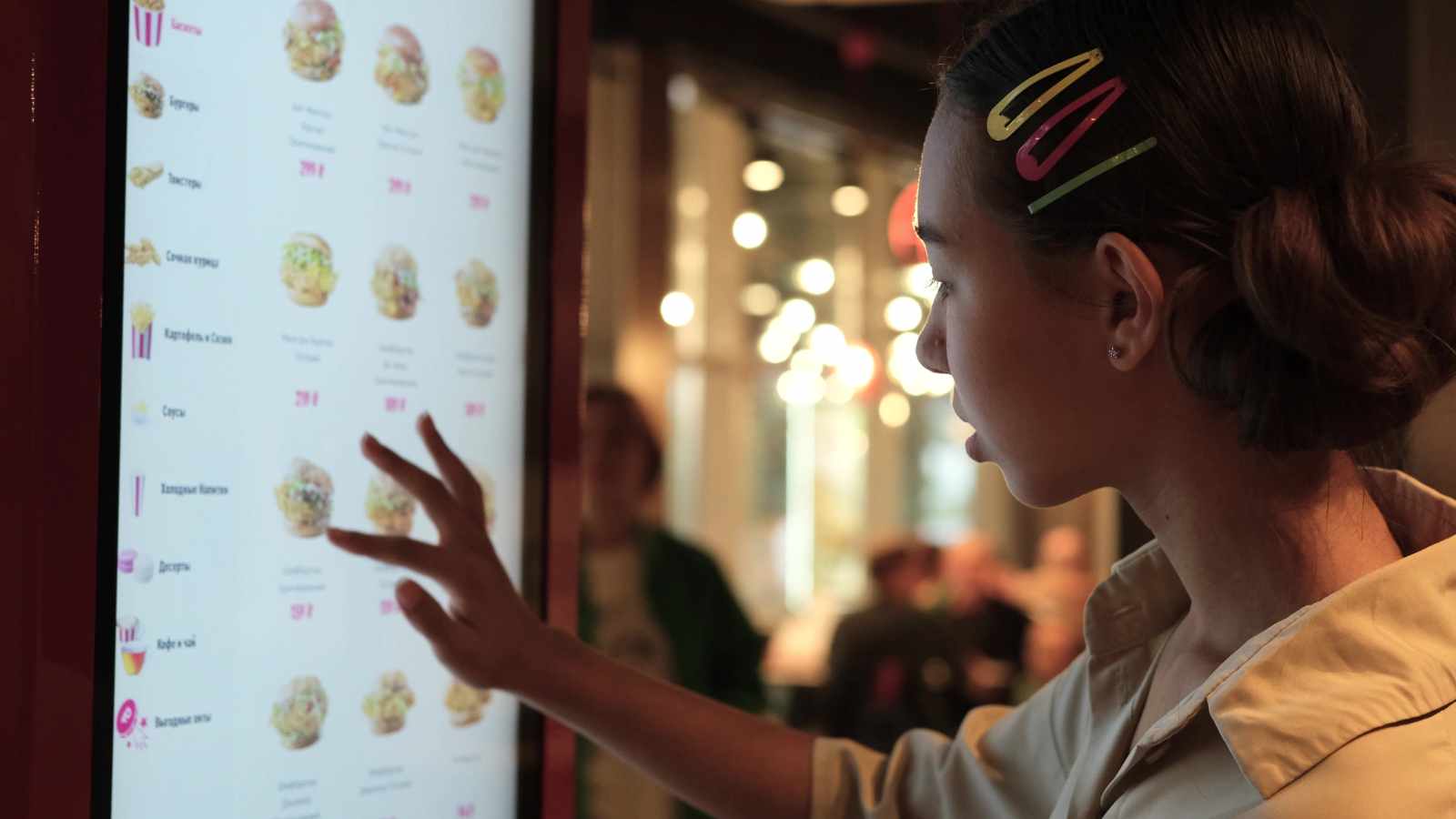
Being asked to tip at a self-checkout kiosk or a frozen yogurt shop where you did all the work feels like a joke to many. If no service is provided, the very definition of a tip is stretched until it finally snaps for the consumer.
This is perhaps the most cited example of how the culture has truly spiraled out of control, as the transaction feels purely mechanical rather than relational.
It feels like a slap in the face to be asked for more money when you were the one who scanned the items and bagged the goods. This specific annoyance is driving much of the anger seen on social media feeds and in local news.
Guilt Tipping Is On The Decline

For a long time, many people gave extra simply because they did not want to look cheap or feel like a bad person in public. However, as the requests have become more absurd, that sense of guilt is starting to wear off, giving way to righteous indignation.
People are becoming more comfortable with hitting the “no” button and walking away with their heads held high. In fact, the amount Americans spend on guilt-driven tipping fell significantly over the last year, dropping from $453 to $283 annually.
This is a clear sign that the psychological hold of the tip screen is weakening as consumers grow more resilient. It seems the “shame game” has reached its limit and is no longer an effective way to squeeze extra cash out of a wallet.
Key Takeaway
The decline in American tipping is a direct response to a culture that has expanded the practice beyond its logical limits, even as prices continue to rise. Between digital screen pressure and unclear rules, many consumers are simply choosing to protect their own money rather than participate in a broken system.
Restoring the balance will require more transparency from businesses and a return to the idea that a tip is a reward for excellence, not a mandatory fee for existing.
Disclaimer: This list is solely the author’s opinion based on research and publicly available information. It is not intended to be professional advice.
Like our content? Be sure to follow us