Foods long blamed for IBS symptoms may not be the true culprits, as new understanding shows tolerance depends on far more than the ingredient itself.
If you have IBS, you have probably played the guessing game with food. One day something seems fine, the next day it feels like a trigger. It is no wonder that certain foods get labeled as “bad” and avoided altogether. The reality is far more nuanced.
IBS is part of a group of conditions known as Disorders of Gut-Brain Interaction (DGBI), and symptoms are influenced by portion size, preparation, timing, and even stress levels. Many foods people blame are not universally problematic. In fact, some may be well tolerated when approached the right way.
1. Bread

Bread is often one of the first foods people cut out, especially when bloating is involved.
But it is not always the bread itself causing symptoms. Certain types of bread contain fermentable carbohydrates (FODMAPs) that can trigger symptoms in some individuals, particularly in larger portions. Other breads, such as fermented ones (like sourdough), may be better tolerated.
It is less about eliminating bread and more about choosing the right type and portion. Read more in our article, How to Choose Low FODMAP Bread.
2. Pasta

Pasta frequently gets grouped into the same category as bread and blamed for digestive discomfort.
For some people, it is not the pasta itself but the quantity or what it is paired with that leads to symptoms. Rich sauces, large portions, or eating quickly can all contribute to how it feels afterward.
Smaller portions and simpler preparations may make a difference. If you are looking for low FODMAP pasta recipes, we have many, such as the Primavera shown above.
3. Apples

Apples are often labeled as a problem food for IBS, and for some individuals, they can be.
However, tolerance varies widely. The form matters as well. Cooked apples may be easier to digest than raw ones, and portion size plays a major role.
Completely avoiding fruit can limit important nutrients without necessarily improving symptoms. Read Are Apples Low FODMAP?
4. Beans

Beans are well known for causing gas, so it is easy to assume they are off limits.
While they do contain fermentable carbohydrates, preparation methods such as soaking, rinsing, and cooking thoroughly can reduce their impact. Some people can tolerate small amounts without issue.
The idea that beans must be eliminated entirely is often too simplistic. Check out our article on Vegan Protein.
5. Dairy

Dairy is frequently blamed for digestive problems, but not everyone with IBS has lactose intolerance or an issue with casein.
Many people tolerate lactose-free dairy or certain dairy products just fine. The assumption that all dairy is problematic can lead to unnecessary restriction.
Understanding your own tolerance is more helpful than making blanket decisions.
6. Coffee

Coffee is often seen as a trigger, especially for those who experience urgency.
While caffeine can stimulate the digestive system, not everyone reacts the same way. Some people tolerate small amounts, especially when consumed with food rather than on an empty stomach.
It may not be necessary to give it up completely. Here is an article on IBS, coffee, and caffeine.
7. Spicy Foods

Spicy foods are commonly blamed for digestive discomfort.
They can increase sensitivity in some individuals, but not everyone with IBS needs to avoid them. The level of spice, the type of dish, and what else is eaten alongside it all matter.
Mild to moderate spice may be tolerated by many people. Like chiles? Read All About Chiles, Chili, Chillis and the Low FODMAP Diet.
8. Salad

Save this article
Salads are often considered a healthy choice, but they can sometimes lead to bloating or discomfort.
This is not because salads are inherently bad, but because raw vegetables can be harder to digest for some people. The volume of food and the combination of ingredients can also play a role. Like the look of the salad above? It’s our Roasted Pumpkin and Quinoa Salad.
Cooked vegetables or smaller portions may be easier to tolerate.
9. Nuts
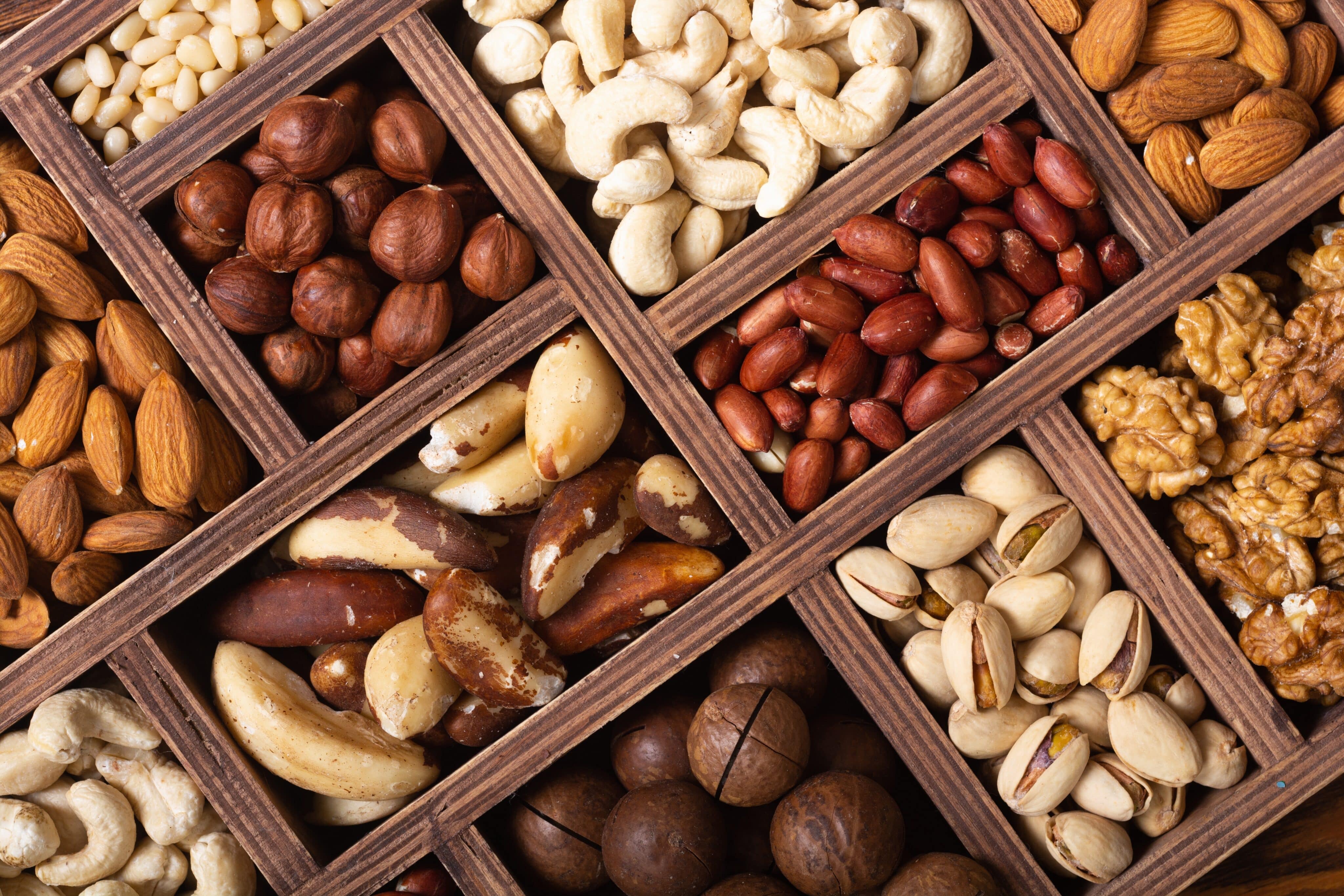
Nuts are nutrient-dense and often included in healthy eating patterns, yet they are sometimes avoided due to concerns about fat or fiber.
In moderate portions, many people with IBS tolerate nuts well. Overeating them, however, can lead to discomfort.
Portion size is key.
10. Chocolate

Chocolate is often blamed for digestive issues, particularly because of its fat content.
While large amounts may cause discomfort for some, small portions are often well tolerated. The type of chocolate can also make a difference.
It is not necessarily something that needs to be eliminated entirely. We have articles for you on dark, milk, and white chocolate, and cocoa as well.
11. Onions

Onions are frequently identified as a trigger food, and for some people, they are.
However, the form and preparation matter. Small amounts used for flavor, or certain parts of the onion, may be tolerated differently than larger quantities.
Avoidance may not need to be absolute. Try our Onion-Infused Oil.
12. Garlic

Garlic is another commonly blamed ingredient.
Like onions, it can be problematic for some individuals, but not always in every form. Infused oils, for example, can provide flavor without the same digestive impact.
This allows for flexibility rather than complete elimination.
13. “Healthy” Smoothies
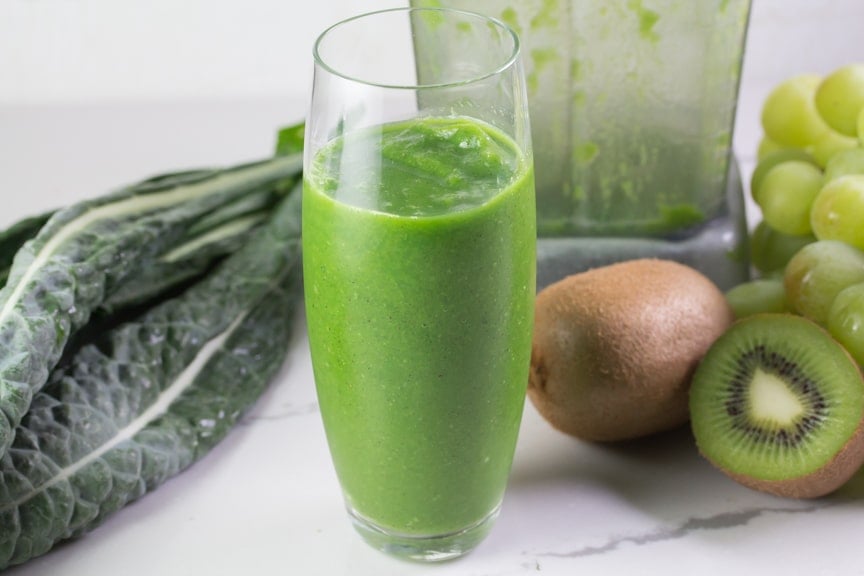
Smoothies are often seen as a healthy option, but they can sometimes lead to symptoms.
This is usually due to the combination and quantity of ingredients rather than any single food. Large volumes, multiple fruits, and certain additives can all contribute.
Adjusting ingredients and portion size can make a significant difference. Read Beware the Lure of the Smoothie.
The Takeaway

It is easy to fall into the trap of labeling foods as good or bad when dealing with IBS. But digestion is rarely that simple.
Because IBS is part of the broader category of Disorders of Gut-Brain Interaction, symptoms are influenced by many factors beyond just the food itself. Portion size, preparation, timing, and individual sensitivity all play a role.
Instead of eliminating foods based on assumptions, a more personalized approach can help you identify what truly works for your body. That often leads to a more varied, enjoyable, and sustainable way of eating.
Disclosure: This article was developed with the assistance of AI and was subsequently reviewed, revised, and approved by our editorial team.
Like our content? Be sure to follow us on MSN and Newsbreak.
What To Wear When You’re Bloated—Without The Pain

For people with bloating, waist size can fluctuate by inches in a single day, making traditional clothing design fundamentally mismatched to their bodies.
If you live with Irritable Bowel Syndrome (IBS), or any condition that brings bloating along for the ride, you already know this truth: your body is not the same size every day, or even every hour! Learn more.