The gut health industry is exploding, but the science behind many of its most popular products is still catching up.
Walk through any supermarket, pharmacy, or online marketplace and you’ll find shelves filled with probiotic supplements, prebiotic beverages, fermented foods, digestive enzymes, microbiome tests, and personalized nutrition programs all promising better digestive health. Industry analysts project continued rapid growth as consumers become increasingly interested in the connection between the gut microbiome and overall wellness.
But for people living with irritable bowel syndrome (IBS) and other disorders of gut-brain interaction (DGBI), more products do not necessarily mean better health outcomes.
When Marketing Outpaces Science
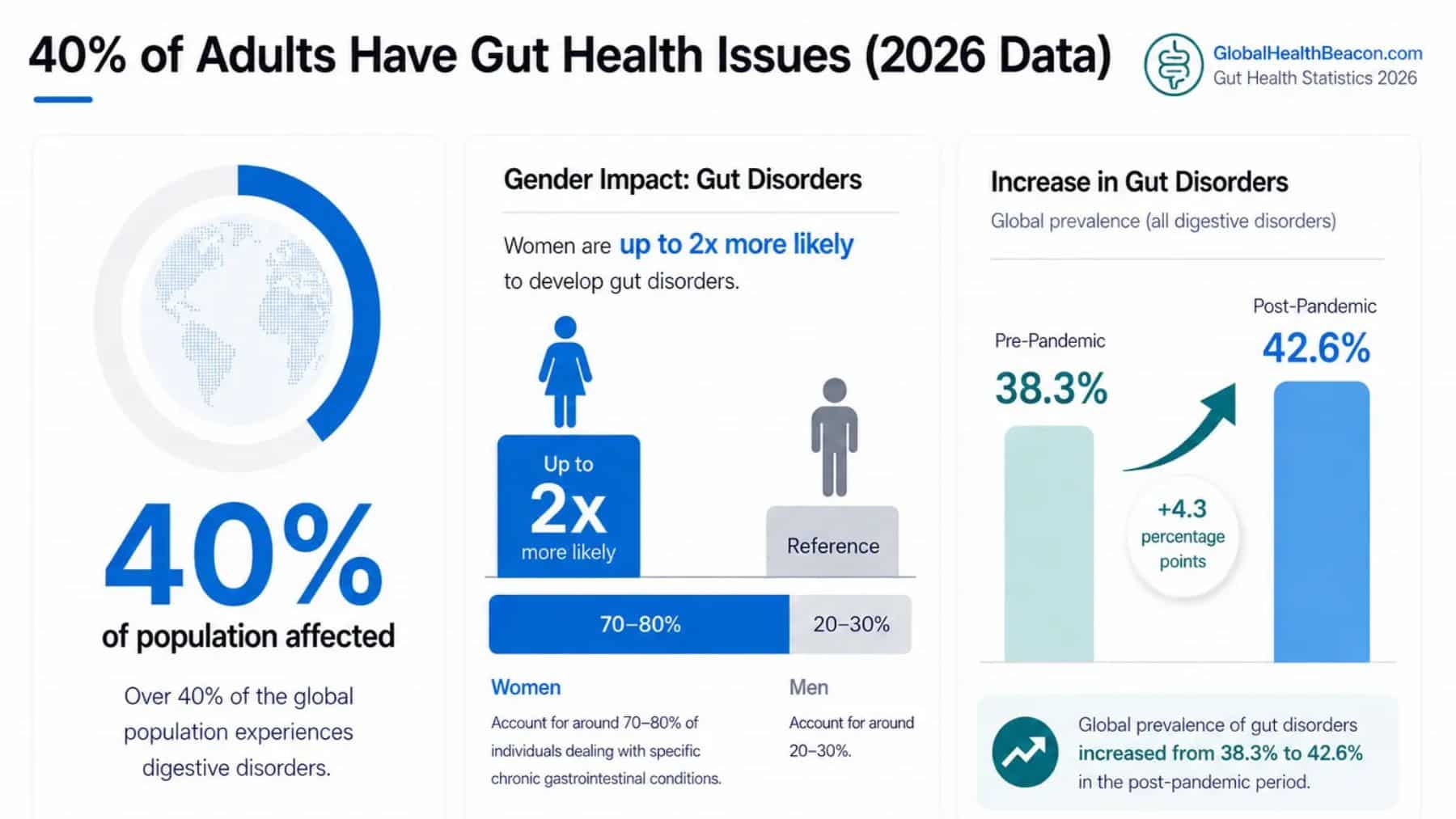
In fact, one of the biggest challenges facing consumers today is separating evidence-based therapies from marketing hype. The growing availability of probiotics, microbiome testing, and other gut-focused products can create the impression that these tools are well-established, accurate, and beneficial for everyone. The reality is far more complicated.
Some probiotic products may help certain individuals under specific circumstances, but many have little or no clinical evidence supporting their use for particular symptoms or conditions. Consumer microbiome testing is an even murkier area. While these tests can produce impressive-looking reports, experts continue to question their accuracy, consistency, and ability to provide meaningful dietary or medical recommendations. In some cases, test results may lead consumers to unnecessarily restrict foods, spend money on unproven supplements, or delay seeking appropriate medical care.
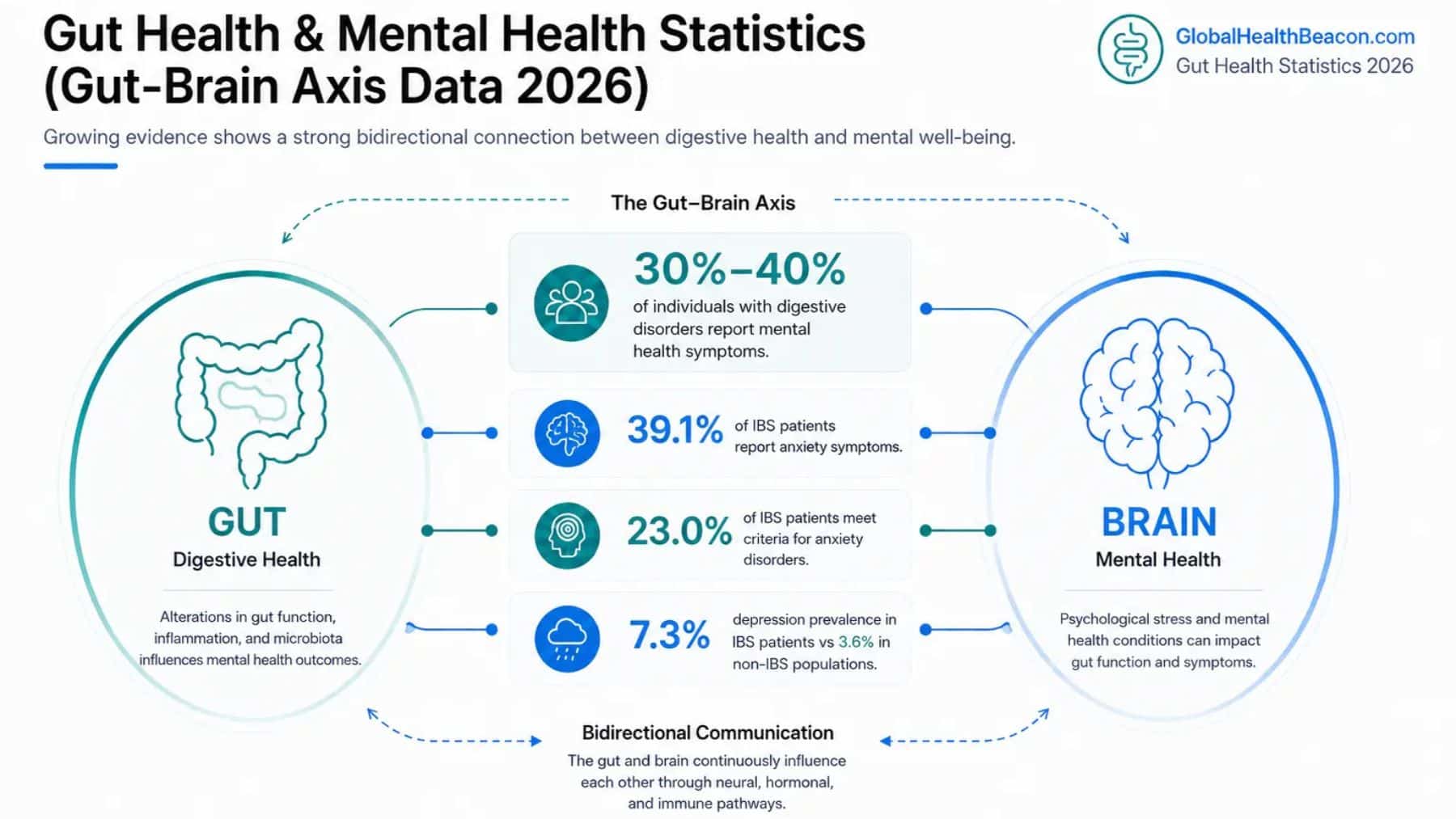
The growing interest in gut health is encouraging in many ways. It has increased public awareness of the important roles that diet, lifestyle, stress management, and the gut microbiome play in overall health. However, a booming marketplace should not be confused with scientific consensus.
Before spending money on the latest gut health product or service, consumers should understand what the science actually says—and where significant gaps in knowledge still exist. Global Health Beacon conducted a deep-dive into the gut health industry and the findings are interesting, unsurprising, and cautionary. One helpful conclusion is that if you are suffering with a DGBI, this clearly shows you that you are not alone.
Why Gut Health Is Everywhere
Consumers increasingly recognize that digestive health influences more than digestion alone. Surveys show that many people now associate gut health with immunity, energy levels, sleep quality, mood, and overall wellness. Industry analysts have identified gut health as one of the top global health trends for 2026.
This growing awareness has fueled demand for:
- Probiotic supplements
- Prebiotic products
- Fiber-fortified foods
- Fermented foods and beverages
- Microbiome testing services
- Personalized nutrition programs
Market researchers estimate that digestive health and gut health product categories will continue growing at substantial rates throughout the next decade.
The Good News: Consumers Are Paying Attention
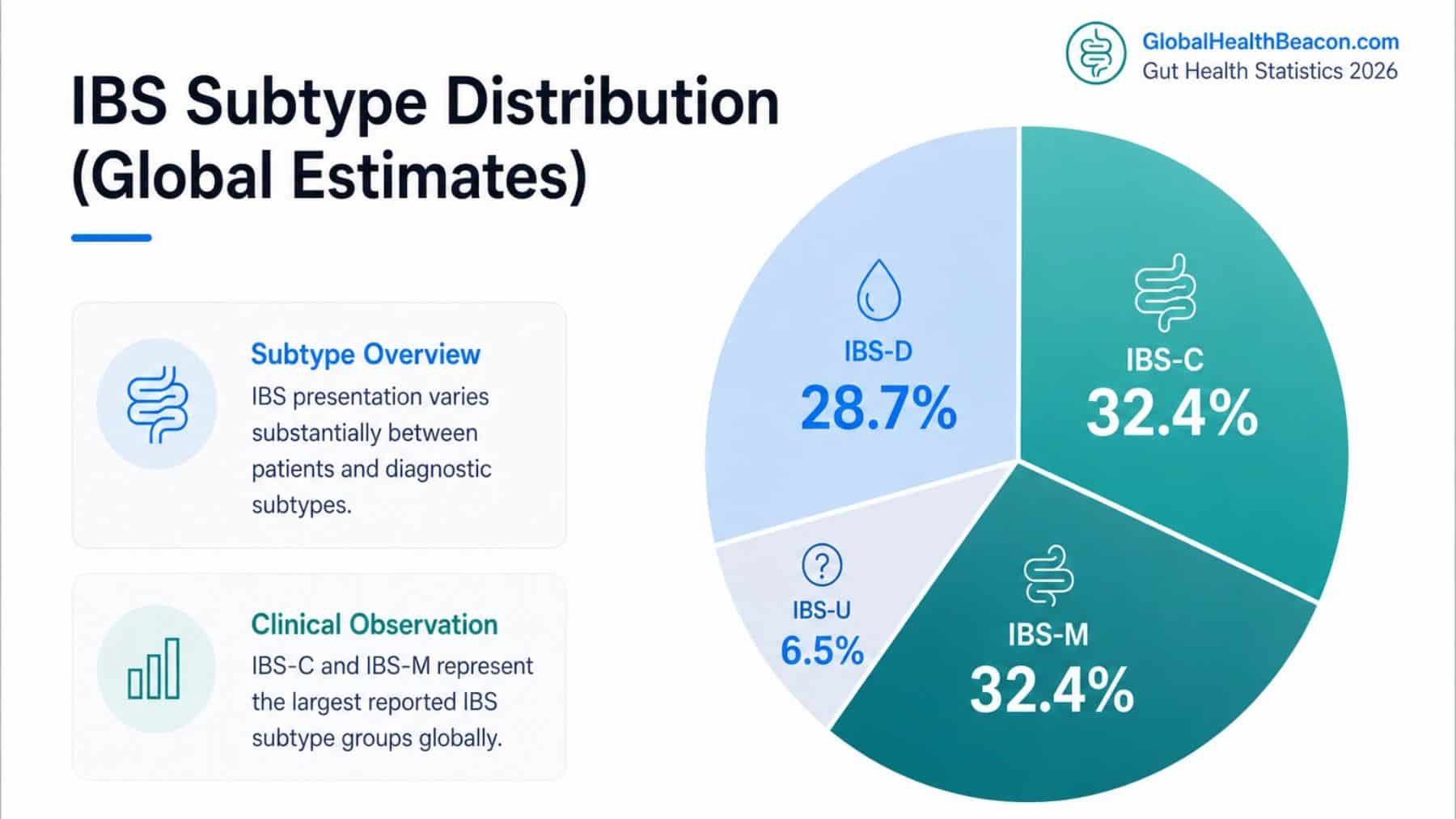
One positive outcome of the gut health boom is increased awareness of dietary patterns that support digestive health. And to drill it down even further, consumers supported by helpful medical professionals are learning that IBS is not just one thing. Knowing your subtype is key.
Many consumers are learning the importance of:
- Eating more plant foods
- Increasing fiber intake appropriate for their IBS subtype
- Staying physically active
- Managing stress
- Getting adequate sleep
These lifestyle factors have strong scientific support and can influence digestive symptoms as well as overall health. They also align with many evidence-based recommendations for IBS management.
The Problem: Marketing Often Runs Ahead of Science
Unfortunately, consumer interest has also created a marketplace filled with products that promise more than the evidence can support.
Many advertisements imply that:
- One probiotic works for everyone
- A microbiome test can reveal the perfect diet
- A supplement can “heal the gut”
- Digestive symptoms have a single root cause
In reality, digestive disorders are complex.
IBS, for example, can involve altered gut motility, visceral hypersensitivity, changes in the gut-brain axis, psychological stressors, dietary triggers, and microbiome differences. There is rarely a single solution that works for every individual.
What About Probiotics?
Probiotics remain one of the largest segments of the digestive health market and are expected to dominate many product categories in 2026.
Save this article
However, probiotics should not be viewed as a universal cure.
Research suggests that some strains may help specific symptoms in some people, but benefits are often strain-specific and condition-specific. A probiotic that helps one person with IBS may do little for another, or even worsen symptoms.
This is one reason professional organizations generally recommend evaluating specific strains and clinical evidence rather than choosing products based on marketing claims alone.
The Rise of Gut Microbiome Testing
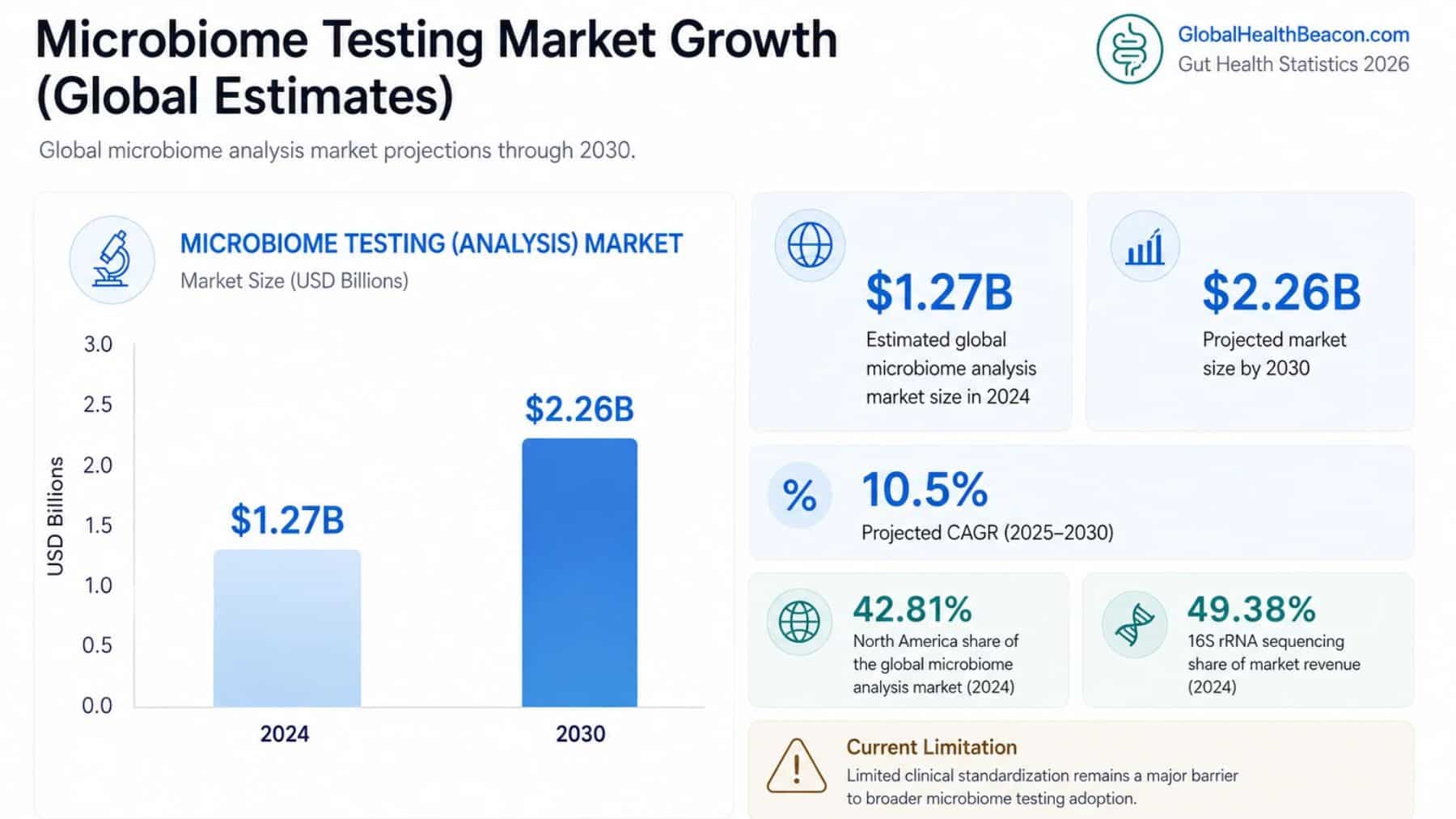
Perhaps no segment illustrates the tension between innovation and evidence more than consumer microbiome testing.
These tests promise personalized dietary and supplement recommendations based on a stool sample. Yet experts continue to caution that the science is still evolving.
A recent study found substantial differences when identical stool samples were analyzed by multiple testing companies, raising questions about consistency and interpretation. Researchers noted that the field lacks standardized methods and that scientists still do not have a universally accepted definition of a “healthy” microbiome.
For consumers, this means microbiome testing may provide a lot of information, but it should not be considered a definitive diagnostic tool. Our suggestion is to leave them on the shelf; do not waste your money.
The Growing Interest in Personalized Nutrition
One trend likely to continue is personalization.
Consumers increasingly want dietary recommendations tailored to their symptoms, health goals, age, lifestyle, and medical conditions. Industry experts expect more products and services targeting specific populations, including women, older adults, athletes, and people using GLP-1 medications.
This trend aligns with what IBS practitioners have long understood: digestive health is highly individual.
A low FODMAP diet is a good example. Rather than eliminating foods forever, the process helps identify personal trigger foods and tolerance levels, allowing for a more individualized approach to eating.
What Actually Matters for IBS?
Despite all the innovation and marketing, the fundamentals remain remarkably consistent.
Current evidence supports focusing on:
- A medically appropriate diagnosis
- Evidence-based dietary interventions
- Adequate and appropriate fiber when tolerated
- Regular physical activity
- Stress management
- Good sleep habits
- Guidance from qualified healthcare professionals
For many people with IBS, these foundational strategies may have a greater impact than the latest supplement or wellness trend.
The Bottom Line
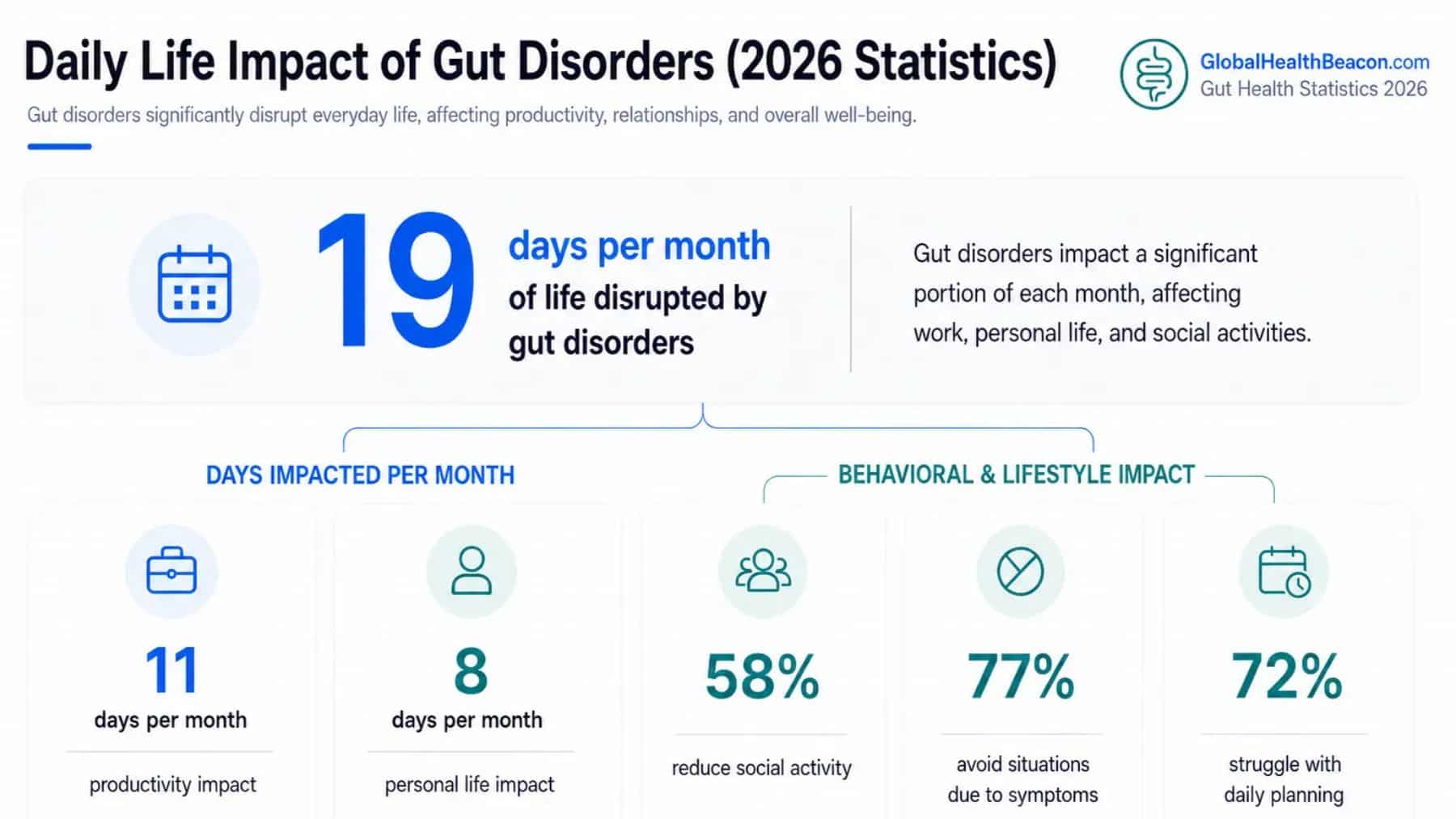
The gut health industry is expected to continue growing rapidly throughout 2026 and beyond. Consumers are increasingly interested in digestive wellness, personalized nutrition, and the gut microbiome.
Greater awareness of digestive health can be a positive development, particularly for people living with IBS and other disorders of gut-brain interaction (DGBI). These conditions are often misunderstood, minimized, or dismissed, despite their profound effects on daily life.
Research suggests that gut disorders can disrupt nearly three weeks of every month, affecting work productivity, personal relationships, social activities, and even the ability to make plans with confidence. Many people report avoiding social situations because of symptoms, while others struggle to participate fully in work, travel, family events, or everyday routines. The burden extends far beyond digestive symptoms alone.
That reality is important to remember when evaluating the ever-growing number of gut health products entering the marketplace. A booming industry does not automatically mean stronger science. Consumers deserve evidence, not marketing hype.
When considering probiotics, microbiome testing, supplements, or other gut health products, ask whether claims are supported by high-quality research and whether the approach has been shown to help people with your specific condition. No supplement, test, or functional food can replace an accurate diagnosis, individualized medical care, and evidence-based dietary strategies.
For people with IBS, the goal is not to achieve a “perfect” microbiome or chase every new gut health trend. The goal is to reduce symptoms, improve quality of life, and regain the freedom to work, travel, socialize, and enjoy daily activities with greater confidence. The most effective path is often the least flashy: a personalized, evidence-based approach that addresses your unique symptoms, triggers, and health needs.
You may also want to read:
- IBS and Stress: Common Causes and Solutions
- Common gut disorders doctors often see with IBS
- The Gut-Brain Connection & IBS: It’s Not All in Your Head