

For pet owners, finding a rental can feel like searching for a unicorn.
You finally find an apartment that’s affordable, in the right neighborhood, and available when you need it—only to discover it has a strict “no pets” policy or hefty monthly pet fees.
The good news? Where you live makes a huge difference. Some states offer far more pet-friendly rental options than others, giving dog and cat owners a much better chance of finding a home without sacrificing location or budget.
A new analysis by dog safety gate manufacturer Dog-G8 ranked the most pet-friendly states for renters based on the share of rental listings that welcome pets. Here are the states where pet owners have the best chance of finding a place to call home.
Why Pet-Friendly Rentals Matter More Than Ever
While pet ownership has become increasingly common, pet-friendly housing hasn’t always kept pace.
Many landlords continue to prohibit pets altogether, while others limit the number of animals, impose weight restrictions, ban certain breeds, or require substantial pet deposits and monthly pet rent. For renters, these policies can dramatically reduce housing options before they even begin searching.
The issue has become especially important as Americans move more frequently for work, retirement, or lifestyle changes. Rather than leaving a pet behind—a choice few owners are willing to make—many renters simply need housing that welcomes every member of the household.
That’s one reason searches related to renting with pets have exploded this year. More renters are actively seeking communities that embrace pet ownership instead of treating it as an exception.
North Carolina Earns the Top Ranking
Dog-G8 analyzed rental listings across all 50 states, evaluating several factors that matter to pet owners. Researchers compared the percentage of listings that accepted dogs, those allowing both dogs and cats, whether online applications were available, and whether listings advertised access to dog parks.
North Carolina achieved the highest overall Pet-Friendly Rental Score of 72.10, placing it first nationwide.
The numbers help explain why. Of the 86,214 rental listings analyzed in North Carolina, 87.96% accepted dogs, the highest percentage in the country. The state also ranked first for households with multiple types of pets, with 86.16% of listings allowing both dogs and cats.
Beyond simply permitting pets, North Carolina rentals also offered conveniences that today’s renters increasingly expect. Approximately two-thirds of pet-friendly listings supported online applications, while about half highlighted access to a dog park or similar outdoor amenity.
For renters relocating with pets, those features can save considerable time and reduce stress during an already complicated move.
A State Built for Pet Owners
North Carolina’s strong performance isn’t entirely surprising. According to the research, 58.6% of households in the state own pets, including 41.3% with dogs and 26.5% with cats. When more than half the population includes animals as part of the family, landlords and property managers have greater incentive to accommodate those renters.
The state also offers numerous outdoor recreation opportunities, walking trails, greenways, and pet-friendly communities, making it attractive to both current residents and newcomers relocating with dogs.
While the Dog-G8 rankings focused specifically on rental listings rather than lifestyle, the combination creates an appealing environment for pet-owning households.
The South Continues to Lead
North Carolina wasn’t alone in receiving high marks.
The study found that Southern and Southwestern states generally provide renters with the widest selection of pet-friendly housing.
The top five states were:
- North Carolina
- South Carolina
- Texas
- Arizona
- Tennessee
Several factors likely contribute to these rankings. Many of these states have experienced rapid residential growth over the past decade, leading to newer apartment communities designed with pet owners in mind. Dog parks, pet washing stations, walking trails, and outdoor gathering areas have become increasingly common amenities in modern multifamily developments.
In competitive rental markets, welcoming pets can also help landlords attract qualified tenants and reduce vacancy rates.
Why Some Landlords Still Say No
Despite growing demand, many rental properties remain off-limits to pet owners.
Landlords often cite concerns about property damage, excessive noise, liability issues, allergies among future tenants, or increased maintenance costs. Insurance restrictions may also limit certain dog breeds regardless of an individual animal’s temperament.
While these concerns are understandable from a business perspective, they can create significant obstacles for responsible pet owners whose animals have excellent behavior records.
Animal welfare organizations have long encouraged landlords to evaluate pets individually rather than relying solely on blanket restrictions. Increasingly, some property owners are finding that carefully screened pet-owning tenants can be just as reliable as those without animals.
How to Improve Your Chances of Finding a Rental
Even in highly ranked states, competition for pet-friendly housing can be intense.
Experts recommend beginning the search early and preparing documentation before submitting applications.
Save this article
One of the most effective tools is a pet resume, which typically includes:
- Veterinary records showing vaccinations are current
- Proof of spaying or neutering, when applicable
- Obedience training certificates
- References from previous landlords
- A recent photograph of the pet
- Information about the animal’s age, breed, weight, and personality
Providing this information proactively demonstrates responsibility and may reassure hesitant property managers.
Ask the Right Questions Before Signing

Finding a pet-friendly apartment doesn’t necessarily mean every policy is the same.
Before signing a lease, renters should ask:
- Is there a monthly pet rent?
- Are pet deposits refundable?
- Are there breed or weight restrictions?
- How many pets are permitted?
- Are there designated exercise areas?
- What happens if another tenant files a complaint?
- Are visiting pets allowed?
Understanding these details upfront can prevent costly surprises later.
Think Beyond “Pets Allowed”
A listing that advertises itself as pet-friendly may still differ dramatically from another.
Some communities simply permit pets while offering few accommodations. Others actively cater to animal owners with fenced dog parks, walking paths, pet washing stations, waste disposal stations, and nearby veterinary services.
Renters should also consider the surrounding neighborhood. Sidewalks, nearby parks, veterinary clinics, emergency animal hospitals, and pet supply stores all contribute to a more convenient lifestyle for both owners and their pets.
Choosing a home based solely on whether pets are permitted may overlook factors that influence daily quality of life.
The Bottom Line
As more Americans choose to rent while continuing to treat pets as members of the family, demand for animal-friendly housing shows no signs of slowing.
North Carolina’s first-place finish in the Dog-G8 analysis highlights what many renters already hope to find: abundant housing choices, landlords willing to welcome pets, and communities designed with four-legged residents in mind.
While every renter’s priorities differ, the study suggests that location can make a meaningful difference in the housing search. States with abundant pet-friendly inventory not only offer more options but may also reduce the stress and expense often associated with moving alongside a dog or cat.
Whether you’re relocating across the country or simply searching for your next apartment, researching a state’s pet-friendly rental market before you move could save considerable time, frustration, and money. After all, finding a place that feels like home should include every member of the family—even those who greet you at the door with wagging tails or gentle purrs.
More articles:
- 11 high-maintenance dogs that are wrong for retirees
- 12 Dog breeds that may not be right for most owners
- 10 dangerous yet legal animals you can own as pets
New Ways to Detect Cancer in Dogs: What Every Owner Should Know
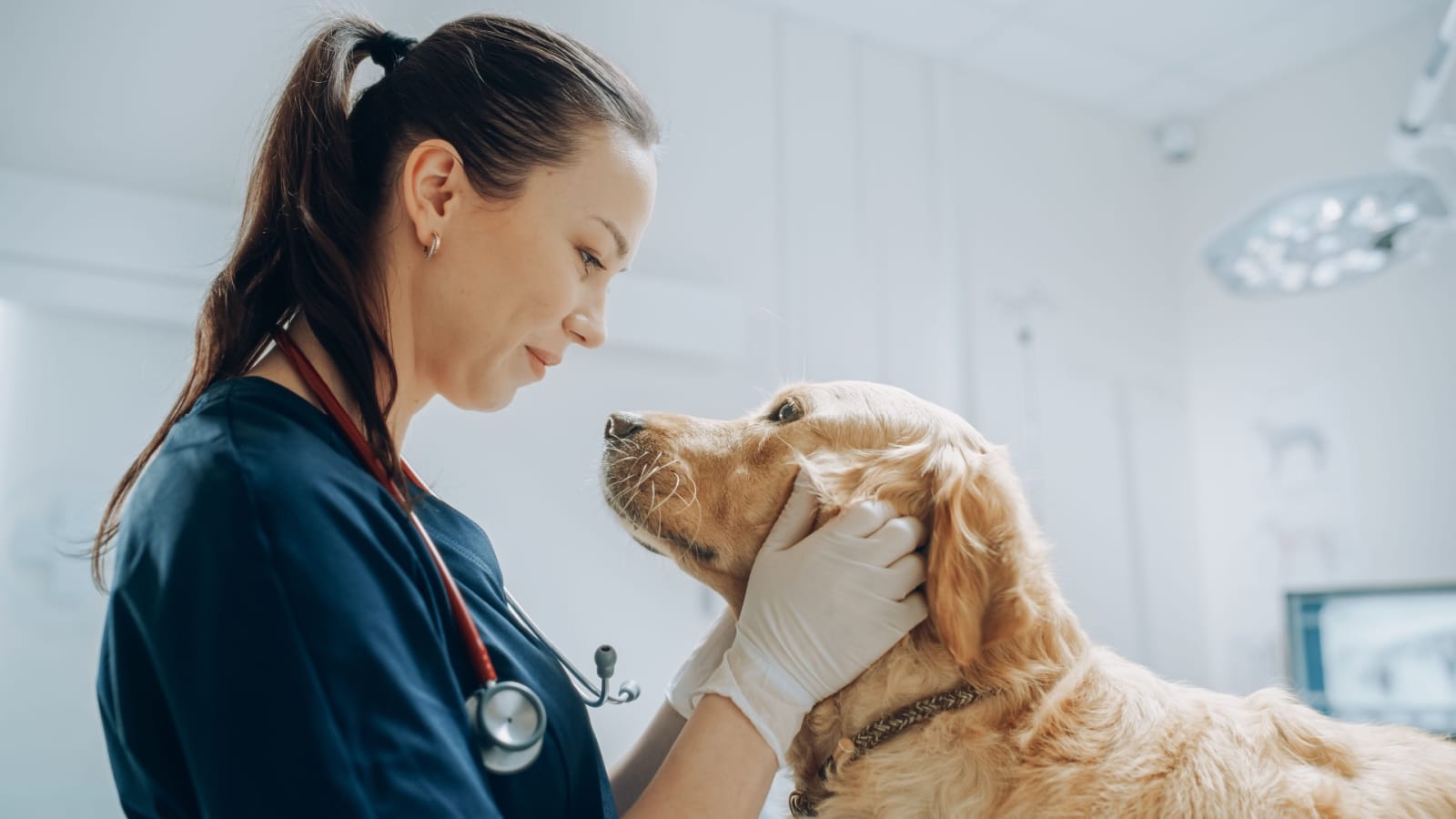
With half of senior dogs developing cancer, a new generation of noninvasive tests is redefining what early detection means in veterinary medicine.
Cancer is one of the most common and devastating diseases in dogs. By some estimates, half of dogs over the age of ten will develop some form of cancer. For years, diagnosis often relied on visible symptoms, biopsies, and advanced imaging. That usually meant the disease was caught late, when treatment options were limited. Today, however, new science is reshaping how veterinarians approach detection. From liquid biopsies to genetic markers, researchers are finding ways to catch cancer earlier and more accurately. These advances are not just exciting for dog owners but also important for the broader field of human cancer research, since many breakthroughs cross species lines. Learn more.
12 Surprising (and often hidden) Household Hazards That Could Harm Your Health, Safety, or Pets

olegdudko via 123rf.
You know that feeling of relief when you get home and finally relax? It’s your safe, cozy space. But some everyday household items could quietly be putting your health, safety, or pets at risk.
No need to bubble-wrap your life—just a little awareness goes a long way. From hidden fire hazards and toxic gases to common kitchen tools that can harm birds, here are 12 hidden dangers that might be lurking in your home—and what to do about them. Peace of mind starts here. Learn more.
The 10 Most Expensive Wildlife Mistakes People Make in the U.S.

Wildlife can be awe-inspiring. It can also be incredibly costly if you don’t know what you’re doing. People make pricey mistakes with wild animals every day, whether it’s feeding a bear from your car window or trying to raise a raccoon like it’s a kitten.
Some of these missteps drain your bank account. Others get you slapped with serious fines or hospital bills. A few even put entire species or local ecosystems at risk. If you’re not careful, that photo op or animal rescue attempt might cost you a whole lot more than expected. Learn more.





