

A Los Angeles judge has granted a housekeeper the legal right to collect her $13 million dog-bite judgment directly from Chris Brown’s tour income and music royalties.
Winning a massive court verdict against a megastar is a huge victory, but actually getting paid isn’t always easy. Maria Avila won nearly $12.9 million after a vicious 2020 attack by Brown’s 200-pound guard dog. Now, a California judge ruled she can intercept his tour earnings and royalties to satisfy the unpaid debt.
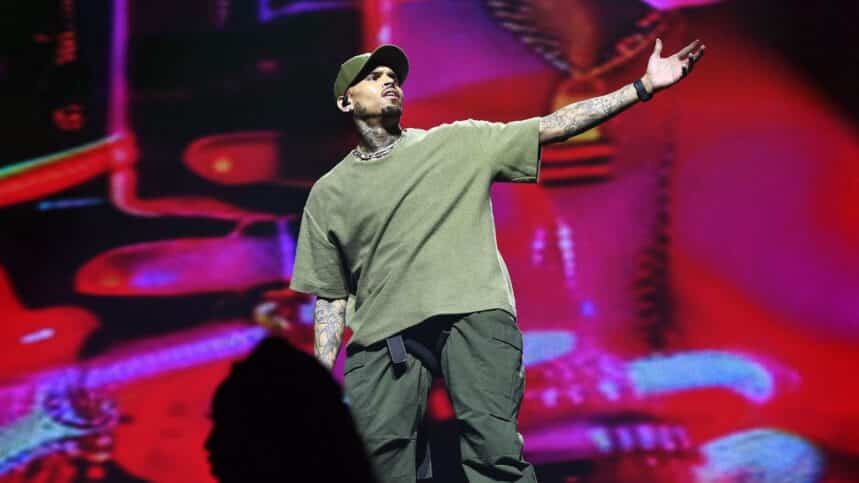
The ruling hits Brown’s bank account while he hits the road on a massive stadium run with Usher. That co-headlining R&B tour pulled in $101.9 million from 566,043 tickets sold across its first 13 sold-out dates alone.
The Horrific Dog Attack Behind the Legal Battle
A routine household chore turned into a life-altering tragedy when a 200-pound guard dog attacked a worker without warning.
The lawsuit stems from a traumatic incident on December 12, 2020, at Brown’s residence in Tarzana, California. Maria Avila was taking out the trash when Hades, a 200-pound Caucasian Shepherd kept for home security, mauled her.
The attack left Avila with severe facial disfigurement, vision loss, and nerve damage requiring skin grafts from her abdomen. Following a two-week trial, a jury found Brown and his company, Black Pyramid LLC, liable for negligence. The court awarded Maria $12.9 million, while her sister Patricia received $885,000 for emotional distress and her husband Oscar Olivo received $50,000.
During testimony, Brown stated he bought the dog to guard against stalkers, but admitted he didn’t call 911 personally. He left the scene before paramedics arrived, explaining he wanted to avoid a “media circus.“
“This case has always been about accountability, not celebrity,” stated Nancy Doumanian, legal counsel for Maria Avila. Attorney Michael C. Murphy Jr. added that after five years of litigation, the family was thrilled to finally see justice served.
How an Assignment Order Intercepts Tour Earnings
California law allows courts to reroute concert profits and royalties directly to creditors before the performer ever touches the cash.
When a court judgment goes unpaid, creditors can turn to California Code of Civil Procedure Section 708.510. This mechanism grants an assignment order that targets non-wage income streams right at the source.
Instead of hunting down bank accounts, the order intercepts ticket revenues, venue payouts, merchandise sales, and licensing fees. That means tour promoters like Live Nation can be ordered to divert cash straight to Avila.
The financial stakes are enormous. According to Billboard Boxscore, Brown’s solo Breezy Bowl XX Tour previously grossed $295.5 million across 49 shows. With daily interest stacking up on the unpaid verdict, this order puts immediate pressure on his earnings.
The Broader Trend of Uncollected Debt and Rising Injury Claims
Collecting civil court judgments remains remarkably tough nationwide, even as dog bite claims set record payouts.
Save this article
Winning in court doesn’t mean cash in hand. Government Accountability Office reports show that roughly 73% of non-tax civil judgments remain uncollected or delinquent. Meanwhile, dog bite claims have soared nationwide, hitting a record $1.57 billion in total insurance payouts. California consistently leads the country in both total claims and average payout size.
Insurance Information Institute data reveals that California’s average claim cost of $86,229 is the highest in the nation. Rising medical costs and higher jury awards continue pushing these numbers upward.
What This Decision Means for High-Earning Performers
Wealthy public figures can no longer count on complex corporate structures to shield entertainment income from court enforcement.
This court ruling proves that legal assignment orders can pierce through corporate barriers like Black Pyramid LLC. When a performer goes on tour, their earnings become vulnerable to direct court interception.
For injured workers facing steep medical bills, these enforcement tools ensure that court victories don’t end up as useless paper awards. It sets a strong precedent for holding high-profile entertainers accountable for workplace safety.
The Bottom Line on Celebrity Judgment Enforcement
Court assignment orders turn massive civil verdicts into real financial recovery by tapping directly into active revenue streams.
By targeting tour profits and music royalties, Maria Avila’s legal team broke through traditional collection bottlenecks. This strategy ensures that multi-million-dollar judgments carry real teeth against mega-earning stars.
How should courts balance aggressive debt enforcement against a performer’s need to cover their live production costs?
More Articles:
- Chris Brown Ordered to Pay Former Housekeeper $13 Million Following Brutal Dog Attack
- 17 celebrity-approved workout moves for a killer body
- Chris Brown Admits He Avoided Calling 911 After Housekeeper Was Mauled by Guard Dog to Protect His Image
- Why Analysts Are Joking That the U.S. Economy Relies Too Much on Anne Hathaway





