Have you noticed feeling bloated or sluggish after eating? Everyday foods can have unexpected effects on your gut health.
Your gut powers your entire body, and when it stalls, everything suffers. We often overlook signs like sudden bloat after lunch, constant fatigue, or odd noises during meetings. Stop treating your stomach like a trash can and start seeing it as the complex ecosystem it is.
The science of gut health is advancing rapidly, revealing that many ‘normal’ foods are actually gut disruptors. While you might be focused on calories, your gut bacteria are reacting to chemicals and additives that didn’t exist a century ago. The food industry often introduces these additives to enhance flavor, extend shelf life, or cut production costs, which inadvertently increases personal exposure to them. Avoiding these specific gut disruptors is the most practical step you can take to reclaim your energy and digestion next year.
Artificial Sweeteners
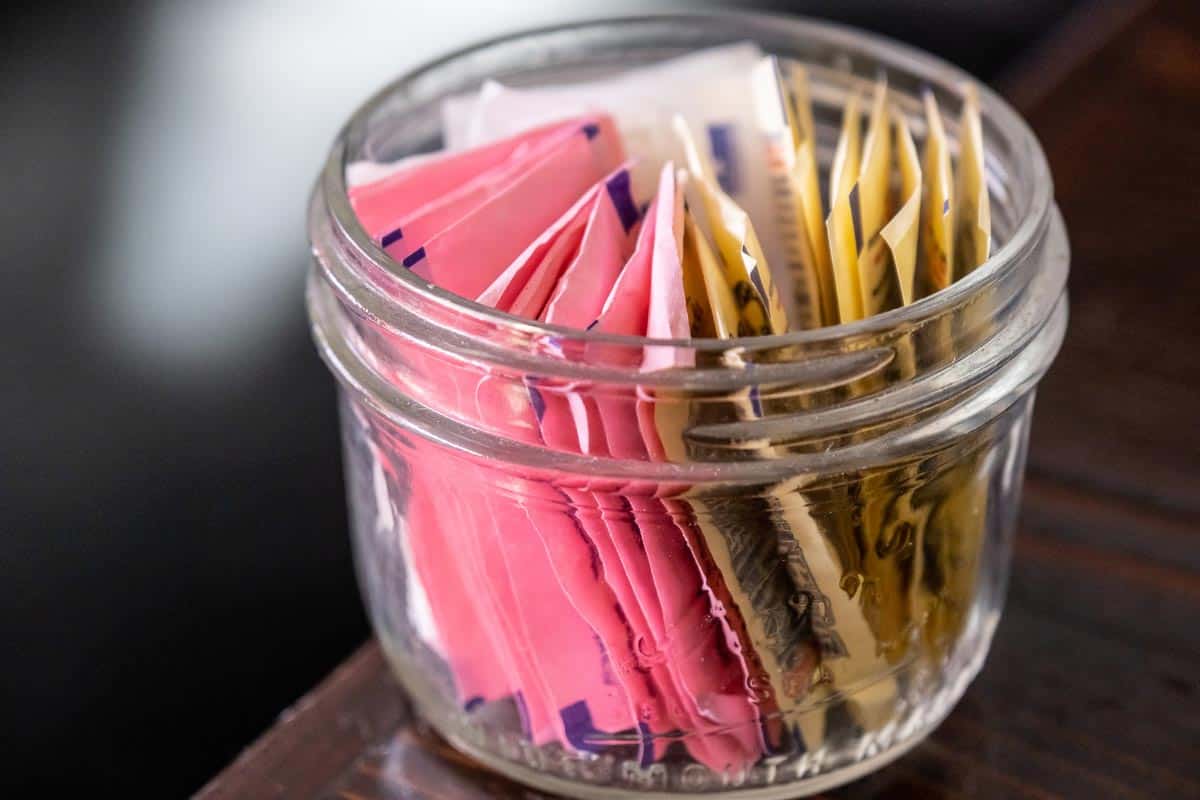
You may think skipping sugar is healthy, but your zero-calorie soda may disrupt your gut bacteria. Synthetic sweeteners like sucralose and saccharin are not inert; they alter your intestinal microbes. Trick your tongue, and you also trick your gut.
Recent research has painted a concerning picture of these sugar substitutes. A 2025 study published in Frontiers in Microbiology found that synthetic sweeteners, such as sucralose, significantly reduced microbial diversity and enriched pathogenic bacterial families, including Enterobacteriaceae. That diet soda might be saving you calories, but it is costing you the bacterial diversity you need for a healthy immune system.
Carrageenan

This common food additive is found in everything from almond milk to ice cream and is used to thicken and stabilize textures. While it makes your dairy-free creamer smooth, it can act like sandpaper on your intestinal lining. Just because it comes from seaweed doesn’t mean it is safe for your sensitive digestive tract.
The inflammation caused by this ingredient is well-documented in the scientific literature. A review in Frontiers in Pediatrics highlighted that carrageenan can disrupt the intestinal epithelial barrier and stimulate pro-inflammatory pathways, potentially triggering conditions similar to inflammatory bowel disease. Checking labels for this hidden irritant is a small habit that yields massive relief for anyone with a sensitive stomach.
High Fructose Corn Syrup

This sweetener is common in processed foods for cost and preservation, but it is metabolized in ways that can challenge gut health. Fructose is primarily processed in the gut and liver, potentially supporting undesirable gut bacteria and contributing to metabolic concerns.
The harms go beyond weight or sugar crashes. Research shows that high fructose impairs intestinal barrier function and promotes inflammation, possibly accelerating gut tumor growth. Cutting it removes much ultra-processed food by default.
Emulsifiers Like Polysorbate-80

Emulsifiers keep processed foods together, blending oil and water in salad dressings or peanut butter. Yet these molecules strip your gut’s protective mucus, eroding your defense against bacteria.
These additives have a substantial biological impact. A 2025 preprint study shows that dietary emulsifiers, such as polysorbate-80, can kill intestinal cells and disrupt lipid metabolism, possibly promoting inflammatory diseases. Choosing natural peanut butter that separates protects your gut lining.
Ultra-Processed Foods (UPFs)

Ultra-processed foods come in crinkly packages and use unfamiliar ingredients. Engineered to be hyper-palatable, they offer nothing to healthy gut microbes. Eating them is like hiring a contractor who destroys rather than renovates.
The connection between UPFs and gut health is undeniable and alarming. A 2024 review in Nature Reviews Gastroenterology & Hepatology links diets rich in ultra-processed foods to increased risks of inflammatory bowel disease and colorectal cancer, driven by alterations in the gut microbiome. Real food rots eventually, but these products sit on shelves for years—that should tell you everything you need to know.
Sugar Alcohols

If you’ve eaten too many sugar-free gummies, you know the punishment. Sweeteners ending in “-ol,” like sorbitol, maltitol, and xylitol, are poorly absorbed and draw water into your intestines. They’re laxatives disguised as treats.
The digestive distress they cause is a direct result of their chemical structure. Health experts note that consuming more than 20 grams of sugar alcohols can lead to significant bloating, gas, and diarrhea because they ferment in the large intestine. It is often better to have a small amount of real sugar than a large amount of a chemical that sends you running to the bathroom.
Fried Foods

Fried chicken and French fries taste great, but the oil used to fry them harms your microbiome. High heat oxidizes fats, creating inflammatory compounds that irritate the gut and slow digestion. That heavy feeling after greasy food is your body asking for mercy.
The science shows that this cooking method does more than add calories. A randomized controlled trial found that consuming fried meat significantly lowered gut microbiota richness and impaired glucose homeostasis compared to non-fried options. Your gut prefers food that hasn’t been bathed in boiling oil, no matter how tasty the breading is.
Key Takeaway

We need to stop viewing bloating and digestive discomfort as the price we pay for modern living. It is a clear signal from your body that you are feeding it gut disruptors it cannot handle. By removing these seven gut disruptors, you give your gut the space and resources it needs to heal itself.
Start by reading ingredient labels like your health depends on it—because it genuinely does. You don’t have to be perfect, but swapping out these specific gut disruptors for whole, unprocessed alternatives will change how you feel daily. A calm stomach is the foundation of a vibrant, energetic life.
Disclaimer: This list is solely the author’s opinion based on research and publicly available information. It is not intended to be professional advice.
Disclosure: This article was developed with the assistance of AI and was subsequently reviewed, revised, and approved by our editorial team.
Like our content? Be sure to follow us.
The Secret to Losing Weight and Keeping it Off: The 15 Best Low-Calorie Foods

The Secret to Losing Weight and Keeping it Off: The 15 Best Low-Calorie Foods
Alright, listen up, lovely people! You’ve been told countless times that eating less is the secret to shedding those stubborn pounds. But let’s be honest, that’s like telling someone the secret to being rich is simply having more money – it’s not helpful.
So, here’s the deal: losing weight doesn’t necessarily mean you have to eat less; it means you must eat smart. Eating innovative means embracing foods that are low in calories but high in satisfaction. Here are the top 15 low-calorie foods that are about to become your new best friends on the journey to sustainable weight loss.