
Though long overshadowed by larger December traditions, Hanukkah endures as a striking case study in how small, repeated rituals preserve cultural identity across generations.
Every December, Hanukkah quietly arrives alongside louder seasonal celebrations. It does not announce itself with massive decorations or blockbuster movies. It does not compete for attention with towering trees or endless shopping campaigns. And yet, for those who celebrate it, Hanukkah carries a deeply rooted kind of power that goes far beyond candles and appetizers. It is a holiday that whispers rather than shouts, inviting reflection instead of spectacle.
While many people associate Hanukkah with gifts, fried foods, and children’s games, its true heartbeat lies in stories of resilience, identity, and the refusal to disappear. Beneath the glow of the menorah lives a tale that has traveled thousands of years to arrive in modern living rooms. It is a narrative about holding onto culture when the surrounding world pressures you to let it go. That quiet courage is what gives Hanukkah its lasting emotional weight.
A Holiday Born from Resistance
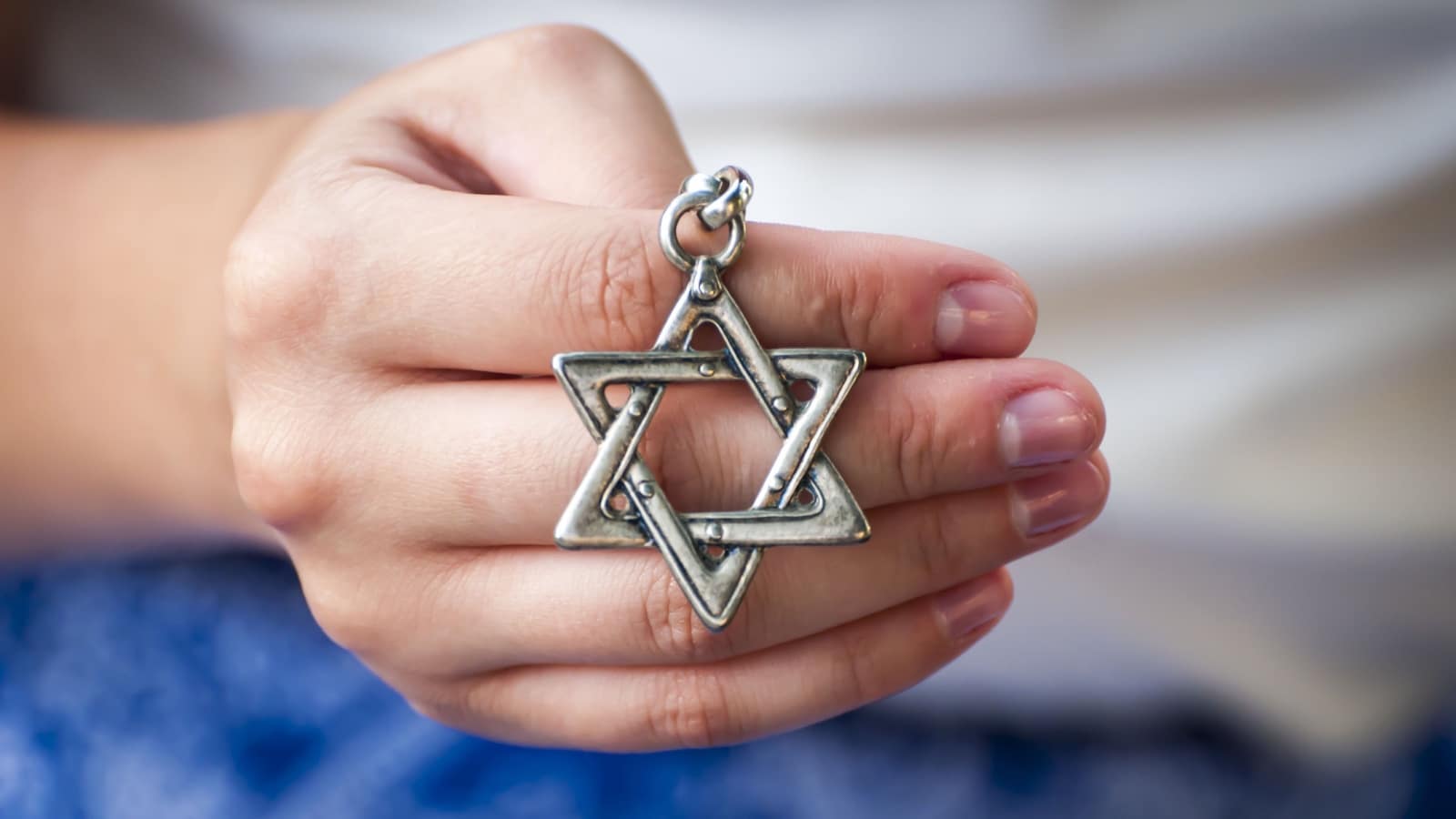
Hanukkah’s origin is rooted in a very real historical struggle. Over two thousand years ago, Jewish life in the region was threatened under Greek rule. Religious practices were restricted, sacred teachings were banned, and the culture faced aggressive pressure to assimilate. What followed was the Maccabean revolt, a small group standing up to an empire with little more than conviction and determination.
The famous oil miracle story, the one about a one day supply lasting eight days, came later as a spiritual explanation for the festival’s length. But the core event was not the miracle itself. It was the decision to resist the erasure of identity. Hanukkah is fundamentally a celebration of spiritual self-preservation.
What often surprises people is that this is not a grand rebuilding story or an empire defeating victory tale. It is about survival. About lighting the menorah when the world told you to extinguish your light. That underlying truth shapes the holiday’s tone even now.
Why Light Became the Central Symbol
Light plays a starring role in Hanukkah for a reason. It symbolizes far more than brightness or decoration. Each candle represents the act of choosing visibility in moments when hiding would be safer. The ritual unfolds gradually, adding one candle each night. It is not instant brilliance but a slow build.
That pacing feels deeply human. Courage rarely arrives all at once. It grows step by step as people act despite fear. Each evening of Hanukkah mirrors that growth. One more flame. One more reminder that even small acts of cultural courage accumulate into something powerful.
Lighting the menorah becomes less about ceremony and more about standing witness to continuity. It says we were here before this moment, we are here now, and we plan to remain here afterward.
A Holiday Shaped by Life in America
Hanukkah’s modern prominence owes much to its coexistence with Christmas in American culture. Historically, it was not Judaism’s largest holiday. High Holy Days and Passover traditionally held greater spiritual emphasis. But living alongside a dominant December celebration created a need for Jewish families to offer their own seasonal focal point.
Over time, Hanukkah grew into that role. More meals, more music, more community gatherings emerged not out of competition, but out of a desire to maintain belonging for children growing up surrounded by December festivities not their own.
This shift transformed Hanukkah into both a spiritual and social bridge. It became a visible marker of Jewish continuity within a multicultural environment. For many families, it also became a way to pass identity down gently. Cultural education wrapped in warmth and celebration rather than solemn instruction.
The Gift Conversation
One of the most misunderstood elements of Hanukkah is the presence of gifts. Historically, children received coins or simple tokens. Modern gift giving expanded largely in response to seasonal pressure rather than ancient tradition.
Many families now use gift giving as an expression of joy and participation in the season rather than competition. The emphasis remains less about scale and more about daily gestures. A book. New pajamas. A note tucked into a box. The purpose is not extravagance but connection.
Save this article
The rhythm of small daily offerings mirrors the candle lighting ritual. Quiet generosity. Repeated moments of thought rather than a single overwhelming display.
Food as Cultural Memory
Traditional Hanukkah foods center around ingredients cooked in oil, honoring the miracle narrative. But what they also do is tether families to cultural memory. Recipes passed down do not simply feed bodies. They transmit stories.
Latkes often arrive with memories of grandparents at stoves, kitchens filled with steam and laughter, and handwritten recipe cards softened by use. Sufganiyot, the jelly filled donuts many families embrace now, connect contemporary celebrations to modern Israeli traditions.
Each platter becomes an edible timeline linking past generations to present tables. Food preserves heritage because it is shared. While formal lessons may fade, recipes endure. They teach belonging through taste.
A Holiday for Slowing Down

Hanukkah stretches across eight nights, and that length shapes its emotional cadence. Rather than one climactic evening, families gather repeatedly. Lighting candles becomes routine. Blessings settle into comfortable familiarity. Children anticipate the steady unfolding.
In a season that otherwise feels rushed, Hanukkah introduces pause. There is a moment each night where voices quiet, where flames flicker, where people sit together and watch light exist for its own sake. Those pauses become emotional anchors.
Life rarely offers built in opportunities for nightly reflection. Hanukkah does. It invites people to return to the same table day after day and reaffirm that connection matters.
What Hanukkah Teaches About Identity
At its heart, Hanukkah teaches a lesson that feels especially timely. Cultural survival requires visibility. Traditions fade when they are minimized, deferred, or hidden. Lighting candles in a window is both a spiritual act and a declaration.
Celebrating identity does not diminish others. It strengthens personal grounding. Hanukkah models how communities can express pride without confrontation. Its power lies in presence rather than noise.
In a modern world where identities often blur under pressure to blend, Hanukkah gently insists that belonging does not require disappearance.
The Quiet Ending
When the final candle burns down, nothing dramatic closes the holiday. There is no parade or large communal finale. What remains is quiet assurance.
Eight nights of light do not change the world overnight. But they remind families to keep lighting anyway. That steady commitment to visibility becomes the real miracle of Hanukkah.
From Our House to Yours – Low FODMAP Hanukkah Recipes
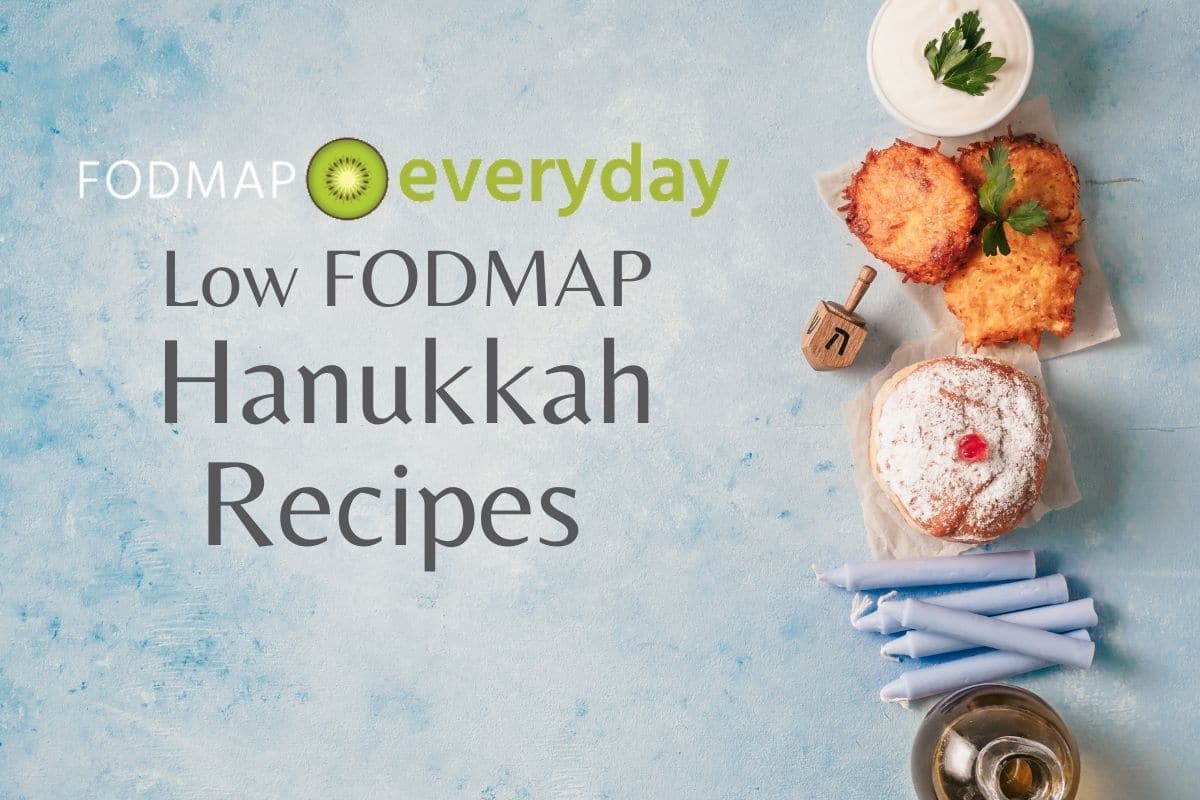
We hope that this Hanukkah brings blessings to you, your family and friends. We’ve gathered some offerings for your table that we hope will help bring some joy and happiness as you gather and reflect. Get the recipes!