

The kitchen was closed, the chef was gone, and Ignacio “Nacho” Anaya stared at a few tortillas—minutes later, he’d changed snack history.
There are few foods that inspire instant joy quite like nachos. Whether you find them in a stadium, a taqueria, or your own kitchen, the first crunch of a chip covered in melted cheese is pure satisfaction. Nachos are one of those rare dishes that bridge casual snacking and communal celebration, a food that feels just as appropriate at a game as it does on a family table. But how did this beloved pile of chips, cheese, and toppings become an American favorite with Mexican roots?
A Happy Accident in 1943
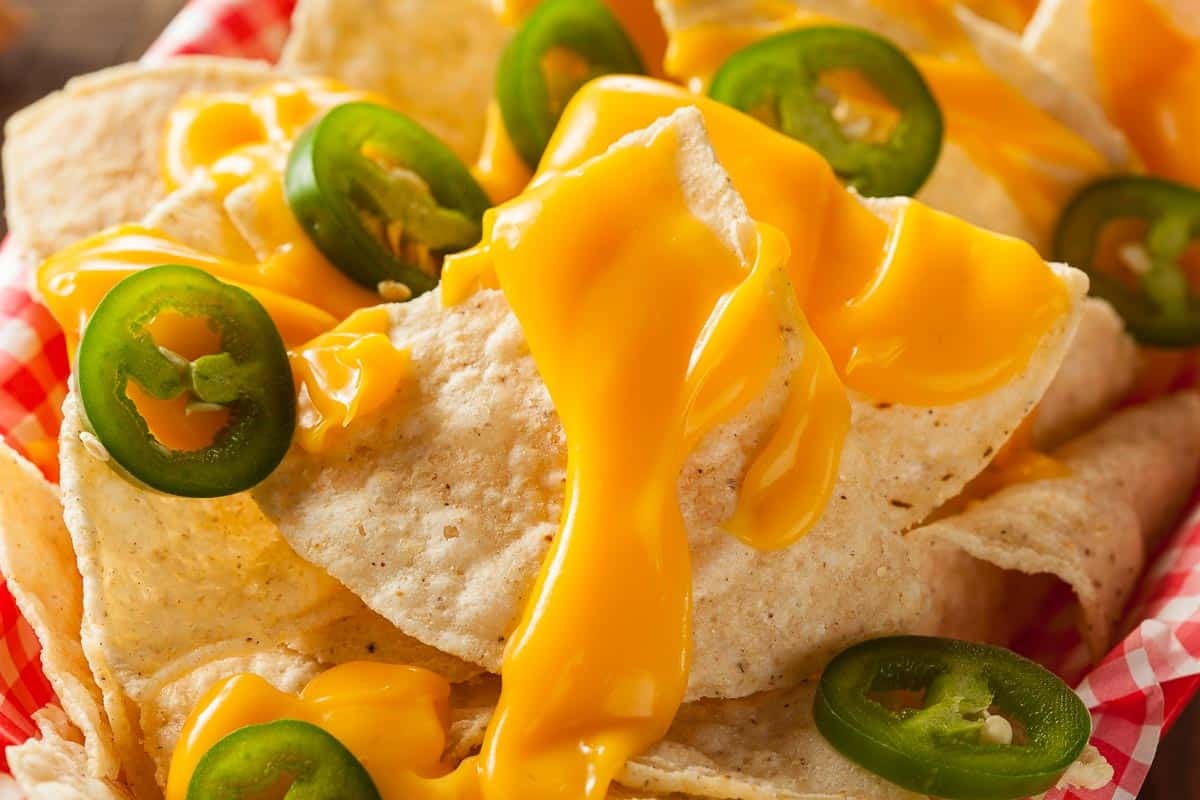
The origin of nachos is not shrouded in mystery, but it is filled with charm. The story begins in the small border town of Piedras Negras, Mexico, just across from Eagle Pass, Texas. In 1943, a group of U.S. Army wives stationed nearby stopped into a restaurant called the Victory Club after closing time, hungry and hoping for something to eat. The maître d’, Ignacio “Nacho” Anaya, found himself without a chef and limited ingredients. Thinking quickly, he fried up some leftover tortillas, added melted cheese and sliced jalapeños, and served the creation to his guests. They loved it.
The women dubbed the dish “Nacho’s Special” after its inventor, and the name stuck. When the dish spread to nearby Texas, the nickname “nachos” became universal. What started as a quick improvisation became an international phenomenon.
The Simple Genius of Nachos
At their core, nachos are a study in balance. The crispness of the chip, the creaminess of the cheese, and the heat of the toppings create a combination that hits nearly every sensory note. Each bite offers salt, fat, crunch, and spice in just the right ratio.
Traditional nachos, by the original recipe, were incredibly simple: tortilla chips, cheese, and jalapeño slices. Over time, cooks began adding refried beans, guacamole, pico de gallo, meat, sour cream, and other toppings. The dish evolved into a customizable canvas. In fact, many chefs credit nachos as one of the earliest examples of fusion cuisine between Mexican and American foodways.
Stadium Nachos and the Cheese Revolution
While Ignacio Anaya’s original recipe used melted cheese, the American stadium version took nachos in a new direction. In the 1970s, a concessionaire named Frank Liberto introduced a shelf-stable cheese sauce that could be quickly poured over chips and sold in huge quantities. His invention, marketed as “ballpark nachos,” debuted at Arlington Stadium in Texas and was an instant hit.
The secret was convenience. No oven required, no melting time, and no need to serve immediately.The fluorescent yellow cheese sauce—more tangy than authentic—became synonymous with sports, concerts, and fairs. By the early 1980s, “nachos” had entered the American mainstream, appearing in school cafeterias, movie theaters, and even frozen in grocery aisles.
Nachos as Cultural Symbol
What makes nachos so universally beloved is their adaptability. They can be elegant or messy, meat-heavy or plant-based, traditional or totally experimental. They also embody the spirit of sharing. A platter of nachos in the center of a table invites everyone to reach in, mix flavors, and connect over a casual meal.
In a sense, nachos mirror the story of North American culture itself: rooted in Mexico, reinvented in the United States, and enjoyed everywhere. They reflect a merging of traditions, languages, and tastes—proof that comfort food can transcend borders.
The Endless Debate: How Do You Build the Perfect Nachos?
Ask five people how to make nachos, and you’ll get five different answers. Some insist that every chip must have cheese coverage. Others say layering is the secret: chips, cheese, toppings, repeat. Purists argue that “loaded” nachos are an American distortion, preferring the simplicity of Ignacio Anaya’s original version.
Save this article
For the home cook, the secret lies in the bake. Spread chips in a single layer, top with shredded cheese (a blend of cheddar, Monterey Jack, and queso Oaxaca works beautifully), and bake until the cheese melts but the chips stay crisp. Add cool toppings like sour cream, avocado, and salsa after baking so they keep their texture.
Nachos Around the World
Nachos have traveled far from the Mexican border. In Japan, you can find sushi nachos topped with spicy tuna and wasabi crema. In India, cooks sprinkle them with paneer and chutney. In the Middle East, pita chips take the place of tortillas, layered with hummus and shawarma meat. The dish has become a global comfort food, adaptable to any pantry or palate.
Even fine dining chefs have taken up the nacho challenge. Upscale versions might include duck confit, truffle oil, or hand-shaved black beans. Food trucks have popularized “Irish nachos,” made with potatoes instead of tortillas. The beauty of the dish lies in its democracy: anyone can make nachos, anywhere, with almost anything.
Why We Love Nachos
There is science behind our love of nachos. The combination of salt, fat, and crunch triggers the brain’s pleasure centers. Melted cheese provides a texture known as “creep,” meaning it clings and stretches in a way our brains associate with richness. Add spice from jalapeños or salsa, and you get a release of endorphins. In short, nachos are engineered for happiness.
But beyond the chemistry, nachos have nostalgia on their side. They remind us of ballgames, parties, and family gatherings. They feel informal, comforting, and social. No utensils, no rules—just good food and good company.
A Dish for Every Generation
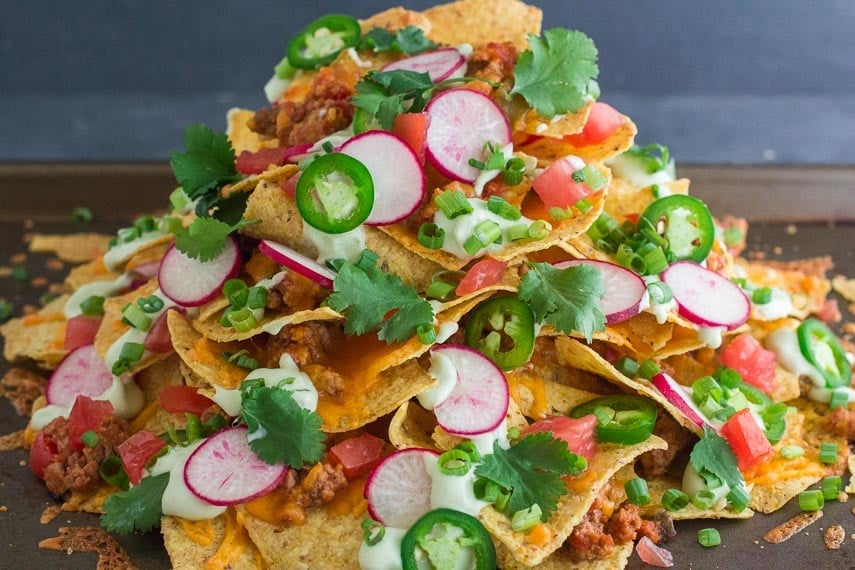
Today, nachos have been embraced by nearly every generation. Millennials and Gen Z make them in air fryers and top them with plant-based cheeses. Baby Boomers still fondly recall concession stand versions from their youth. TikTok users share videos of “nacho tables,” where a countertop is lined with foil, chips, and toppings for a communal feast.
It’s hard to imagine a food that better fits modern life. Quick, customizable, portable, and endlessly photogenic, nachos have managed to stay relevant for over 80 years.
The Takeaway
From a late-night improvisation to a billion-dollar industry, nachos have traveled a long way. Yet their heart remains the same: a simple, joyful balance of crunch, cheese, and spice. They prove that food doesn’t have to be complicated to be meaningful. All it takes is a few ingredients, a bit of creativity, and a willingness to share.
So next time you see that golden mountain of chips and cheese, take a moment to appreciate what’s on your plate. You’re not just eating a snack—you’re taking part in a delicious tradition that began with one inventive man named Nacho.
IBS-Friendly Fast Food Options

Can you eat fast food while following the low FODMAP diet? Can you get anything low FODMAP at McDonald’s, Chipotle, Sonic, Taco Bell, Dominos, In-N-Out Burger, or Panera, to name just a few? This article, Low FODMAP Fast Food Options, covers several of your favorite fast food restaurants and offers guidance – because the answer is YES! Learn more.





