

Nearly every home has one: the drawer full of rubber bands, spare keys, takeout menus, dead batteries and a single mystery screw. The junk drawer is so common that it barely registers as a habit, yet the people who study households say it can reveal a surprising amount about the person who fills it.
The numbers back up how universal it is. A OnePoll survey of 2,000 Americans conducted for ClosetMaid found that 88% have at least one junk drawer, with the messiest typically found in the kitchen, as StudyFinds reported. A separate 2024 survey by the junk removal company Junk King put the figure even higher, at 95%, and counted an average of 53 items per drawer.
With that many drawers out there, some patterns are bound to show up. Here are 6 traits that people who keep a junk drawer often share, along with the research and expert observations behind them. Anyone hoping to tame the clutter afterward may find inspiration in these kitchen organization ideas.
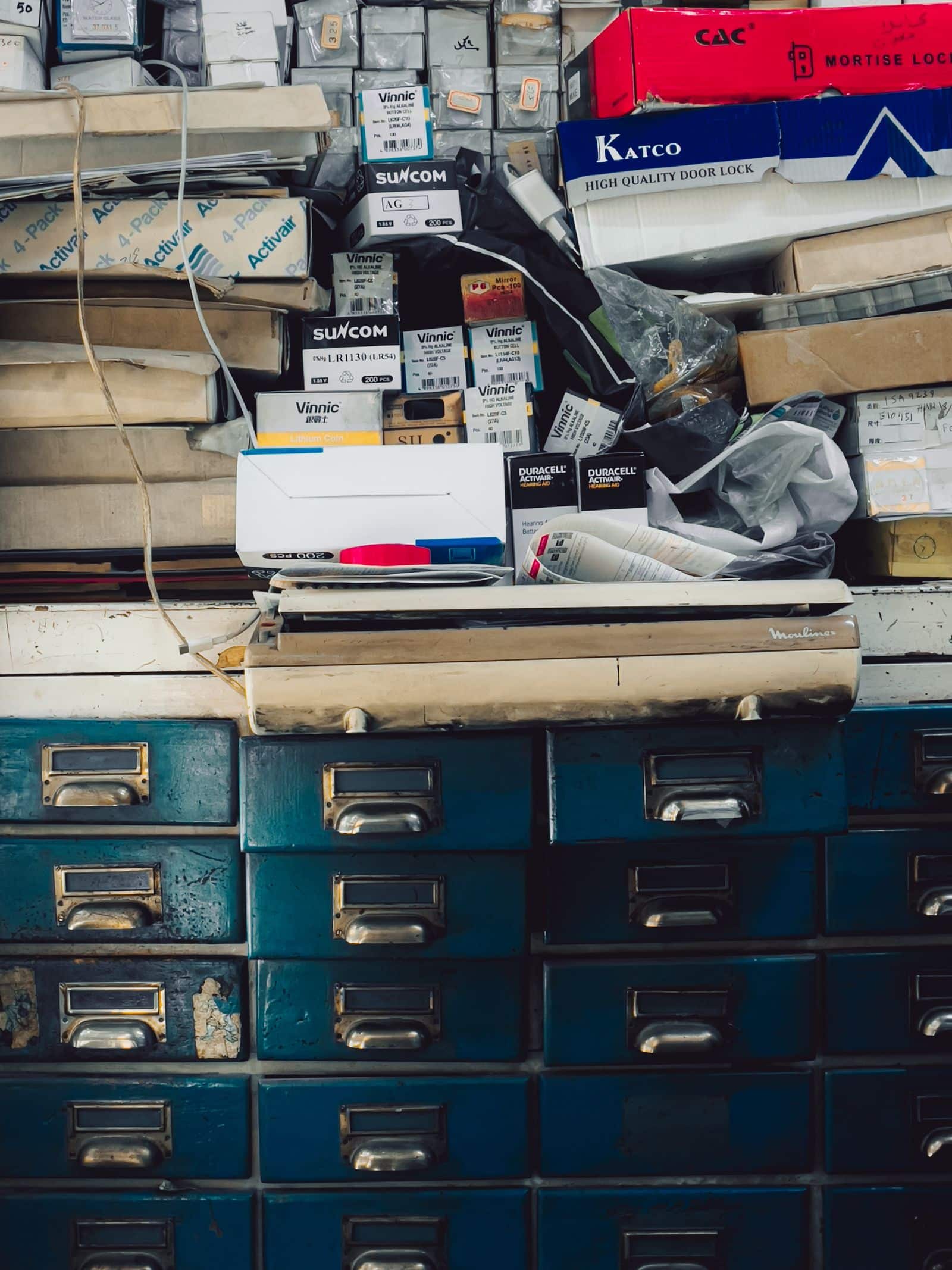
1. They Are Practical and Prepared
At its core, the junk drawer is a tool kit for everyday life. Consumer psychologist Kit Yarrow of Golden Gate University told NPR that a typical drawer holds frequently used tool-like items such as scissors, bag clips, magnets, pens and tape, along with small objects like safety pins and thumbtacks that might otherwise get lost.
That usefulness shows up in the data. In the Junk King survey, 71% of Americans said they had used something from their junk drawer in the past week. People who keep one tend to value having what they need within reach, the same mindset behind many wallet-friendly life hacks that save a trip to the store.
2. They Are Quietly Sentimental
Not everything in a junk drawer is there because it is useful. Yarrow told NPR that the drawer gets interesting because people also store things they cannot part with but do not use, such as vacation mementos and love notes. She called the junk drawer the most revealing place she looks during her research into how people live.
Yarrow even shared an example from her own drawer: a $5 bill someone once left on her windshield, which she had kept for more than a decade as a reminder of the kindness and quirkiness of others. For sentimental types, the drawer works as a small, private time capsule. It is the opposite approach to the strict editing involved in decluttering a closet into a capsule wardrobe.
3. They Hold On to Good Intentions
Junk drawers also collect plans that never quite happened. Yarrow told NPR that “good intentions like Nicorette and sunscreen are often in there,” along with tech accessories such as chargers and cases for products the owner stopped using long ago. People cannot seem to throw them out, she said, but do not know what to do with them either.
There is something hopeful in that. Keeping the charger for an old gadget or the half-used tube of sunscreen reflects a belief that it might come in handy someday, even if that day never arrives.
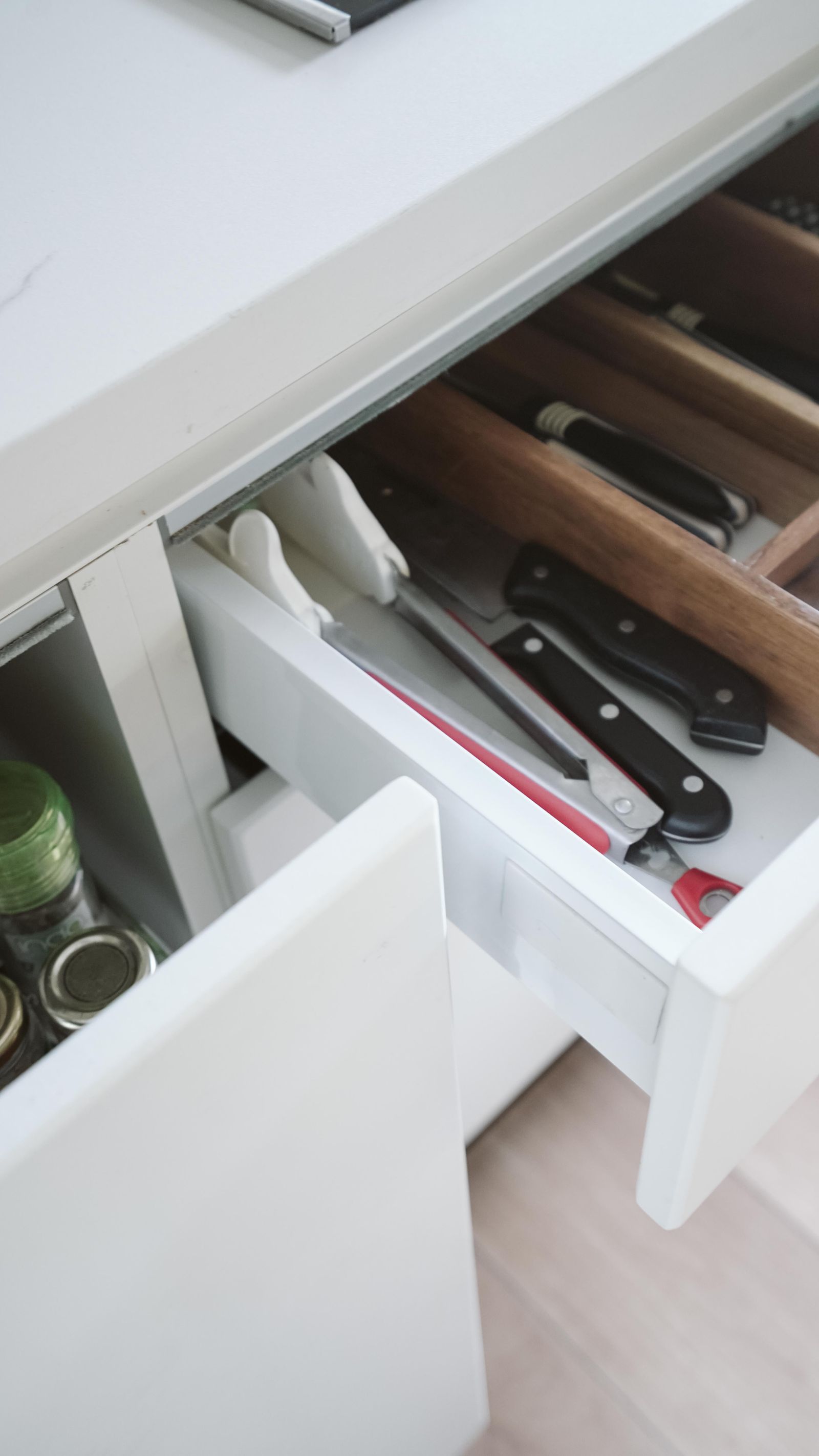
4. They Like to Keep Things Just in Case
The junk drawer is often part of a broader “might need it later” approach to the home. The ClosetMaid survey, as reported by SWNS via Yahoo News, found that 62% of Americans keep a plastic bag filled with other plastic bags, a habit far more common among baby boomers (about 82%) than Gen Xers (70%) or millennials (63%). Another 24% have a “junk bowl” for spare keys and other odds and ends.
Junk King summed up its own findings as showing a shared human tendency to hold onto the little things just in case. People with this trait tend to be resourceful and reluctant to waste, which is not a bad quality when a twist tie or rubber band is suddenly exactly what is needed.
5. They Have Their Own System of Order
A junk drawer may look chaotic to outsiders, but its owner usually knows exactly where things are. In the Junk King survey, 64% of respondents described their drawer as a bit messy while saying they still know where everything is, while only 11% said theirs was neatly organized and 25% admitted it was complete chaos. Notably, 74% said their junk drawer reflects their overall organizational style at least to some extent.
That suggests many junk drawer keepers are not disorganized so much as differently organized. They prefer one flexible catch-all over a labeled bin for every item, much like a cook who knows exactly which drawer holds the measuring spoons. Anyone setting up that kind of kitchen can browse a list of top kitchen tools for cooking low FODMAP for ideas.
6. They Are Realistic About Clutter
Finally, people with junk drawers tend to accept that a little mess is part of real life. According to the ClosetMaid survey, 35% of Americans deliberately choose a junk drawer when they move into a new home, while another 33% say one simply materializes anyway. Three out of four respondents admitted they had organized a junk drawer or other messy spot only to realize they had just moved the mess somewhere else.
Junk King found that 52% clean out their drawer once a year or less, and 10% have never cleaned it out at all. For those who do want a reset, Reviewed recommends emptying the drawer completely, purging anything broken or expired and then grouping similar items with small organizers. The same sort-and-keep-the-essentials approach can work for a kitchen cupboard, and a guide to the top 6 low FODMAP pantry items is one place to start.
A Small Drawer With a Big Personality
A junk drawer will never win a design award, but it tells a story about the household behind it. The mix of practical tools, keepsakes, good intentions and just-in-case supplies points to people who are prepared, sentimental and comfortable with a bit of imperfection. As Yarrow put it to NPR, a peek inside can show a household’s composition and hobbies at a glance.
This article was written with the help of AI tools and checked against the sources linked above.




