

Long-term relationships don’t automatically lose their spark with age; in fact, research suggests the opposite. A study published in the journal Psychology and Aging shows that older couples often experience less conflict and greater emotional stability than younger couples, with comparable overall health and satisfaction. At the same time, Iris Wahring from the University of Vienna and her research team from Humboldt University in Berlin, the University of British Columbia, and Stanford University found that life satisfaction can actually increase after 50 when relationships remain emotionally fulfilling and connected.
But here’s the catch: attraction in later life isn’t just about looks, it’s deeply tied to emotional connection, communication, and shared effort. Experts consistently point out that intimacy and satisfaction become more dependent on relationship quality as couples age.
In other words, attraction doesn’t fade because of age; it fades because of habits. And some common patterns can quietly erode connection over time.
Here are eight of the biggest ones.
Dominating Every Social Interaction

Taking over conversations or constantly correcting a spouse in public can quickly erode respect and attraction. Husbands often feel emasculated or ignored when their partner does not allow them the space to speak or share their views.
This habit creates a power imbalance, turning a partnership into a hierarchy in which one person feels superior. Publicly correcting a partner is a major source of long-term resentment in a relationship.
Active listening and mutual support in social settings are high predictors of healthy attraction. Maintaining a healthy budget of shared speaking time ensures that both partners feel heard and valued in every social setting.
Constant Criticism of Physical Changes
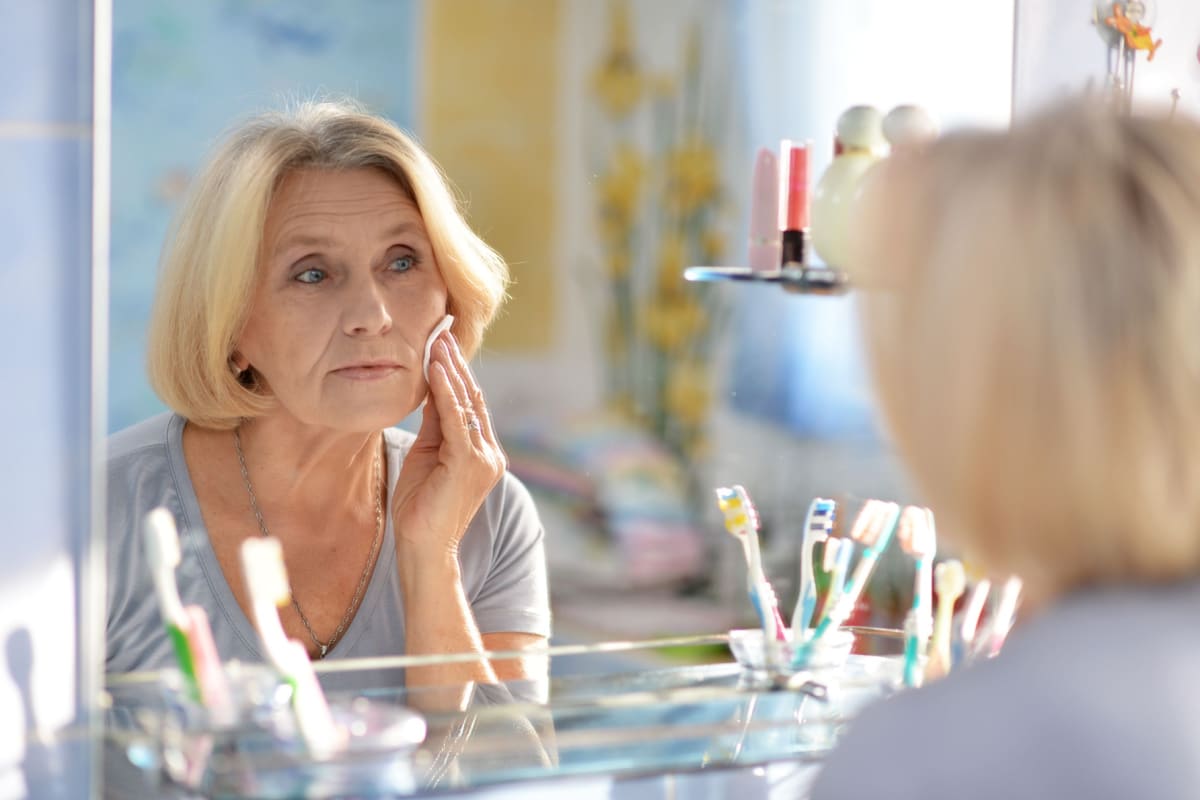
Aging brings inevitable shifts in appearance that can become a focal point of negative comments or constant self-deprecation. Many husbands find that a relentless focus on flaws or signs of aging creates an unattractive atmosphere in the home.
This habit shifts the energy away from mutual appreciation and toward a cycle of judgment and defense.
Dr. John Gottman, a world-renowned researcher on marriage, states that “Contempt and criticism are the most destructive forces in a relationship because they erode the foundation of safety.” Protecting your mental health involves focusing on the vitality you still share rather than the physical traits that have naturally changed.
Neglecting Personal Grooming

While it is natural to feel more comfortable around a long-term partner, completely abandoning personal care can signal a lack of effort. Husbands often interpret a total disregard for grooming as a sign that the desire to remain appealing to them has vanished.
Maintaining a baseline of effort shows that you still value the romantic aspect of the partnership. Many men in long-term marriages cite a partner’s continued effort in personal care as a key driver of attraction.
Small daily hygiene and dress routines significantly affect how partners perceive each other’s romantic interest over time. Choosing a vibrant lifestyle together means showing up for one another with the same care you did during the early years.
The Loss of Spontaneous Playfulness

Life after fifty can feel increasingly serious as couples manage health concerns, aging parents, and retirement planning. When playfulness and humor disappear from the relationship, the bond can begin to feel more like a business arrangement.
Many men lose attraction when they feel their partner has become a permanent roommate rather than a playful companion. Couples who prioritize shared laughter report a higher level of emotional intimacy than those who do not.
Spontaneity is a primary factor in keeping the internal reward center active in a long-term marriage. Planning a surprise travel excursion or a simple late-night walk can break the monotony that often stifles romantic attraction.
Over-parenting Adult Children

Save this article
Many women redirect their nurturing energy toward their adult children, often at the expense of their husbands. When every family interaction is centered on the kids, the primary romantic bond often takes a back seat.
Husbands may lose attraction when they feel they have been demoted from a partner to a secondary character in their own home.
Demographic data show that the divorce rate for Americans aged 50 and older doubled between 1990 and 2010, rising from roughly 5 to 10 divorces per 1,000 married people in that age group. Investing in a high-quality food experience for just the two of you helps reinforce that your relationship is the priority.
Resistance to New Technology

Refusing to adapt to modern tools or digital trends can create a generational gap that feels increasingly wide. Husbands who enjoy staying current may find a partner’s total rejection of technology to be a sign of mental stagnation.
This habit can make it difficult to share common interests or even simple daily efficiencies as the world evolves.
Pew Research Center reports indicate that 75 percent of adults aged 65 and older now own smartphones. This adoption rate suggests that technology is a standard tool for maintaining social and domestic connections in 2026. Driving your car with the latest navigation tech or using a new app together can be a bonding experience.
Lack of Independent Hobbies

A partner with no interests outside the relationship can become an emotional burden over time. Husbands are often attracted to the vitality and confidence that comes from a person having their own separate passions.
Without independent activities, the relationship can become suffocating as one person relies entirely on the other for their social fulfillment. Partners with separate hobbies are more likely to maintain a long-term sense of mystery and attraction.
Individual growth provides fresh conversation topics that prevent the marriage from becoming boring. Buying a new grocery item for a solo cooking class can spark a renewed interest from your spouse.
Negativity Toward Retirement Goals

When one partner is excited about the future and the other is relentlessly cynical, it creates a major emotional rift. Husbands who have worked for decades look forward to retirement as a time of exploration and freedom.
A partner who constantly shoots down ideas or focuses on the future’s limitations can be an immediate attraction killer.
Economic surveys indicated that 40% of couples disagreed on the lifestyle they expected in retirement. Discussing your shared retirement goals with optimism can help keep the relationship feeling like an exciting adventure.
Key Takeaways

Neglecting personal grooming and focusing exclusively on health issues can create a significant emotional distance in a marriage. Avoiding playfulness and assuming the relationship is safe often leads to a decline in romantic attraction over time. Partners who maintain independent hobbies and a positive outlook on the future are much more likely to sustain mutual desire.
Disclaimer: This list is solely the author’s opinion based on research and publicly available information. It is not intended to be professional advice.
Disclosure: This article was developed with the assistance of AI and was subsequently reviewed, revised, and approved by our editorial team.
Like our content? Be sure to follow us





