

The world’s most popular fruit owes its success to a supply chain shaped by political upheaval, environmental harm, and a dangerous dependence on a single clone.
That banana on your counter has a secret, and it’s not pretty. It’s the most popular fruit in the US. According to Statista, In 2023, the per capita availability of fresh bananas for consumption in the United States amounted to 26.7 pounds.
But that convenience comes at a staggering cost. Behind that familiar yellow peel lies a history of corporate coups, environmental disasters, and human suffering.
They were born from corporate coups that created the original ‘banana republic’
You’ve probably heard the term “banana republic,” right? It’s not just a clothing store.
The phrase was literally invented to describe how one American company, the United Fruit Company (UFC), had absolute power over entire nations in Central America. American author O. Henry coined the term in 1901.
Formed in 1899, the UFC grew into a monster. By the 1930s, it owned 3.5 million acres of land across the region, making it the single largest landowner in countries like Guatemala. The company controlled railroads, ports, and even mail and radio services. In Honduras, locals nicknamed it El Pulpo—The Octopus—because its tentacles reached everywhere.
This wasn’t just business; it was a form of corporate colonialism. In 1911, it even conspired with mercenaries to overthrow the Honduran government.
A banana company overthrew a democracy with help from the CIA
In 1954, the United Fruit Company orchestrated the overthrow of Guatemala’s democratically elected government. Why? Because land reforms threatened company profits.
President Jacobo Árbenz started giving unused farmland to landless peasants. Much of that land belonged to the UFC. The company hired Edward Bernays, the “father of public relations,” to paint Árbenz as a communist threat. According to Washington State University, he flew journalists to Guatemala for staged tours. Key U.S. officials had financial ties to UFC.
The CIA backed the coup, deposed Árbenz, and installed a military dictator. As Harvard International Review describes, the aftermath included decades of abuse, assassination, and genocide. Over 100,000 native Mayas died.
The 1928 ‘Banana Massacre’ left up to 2,000 striking workers dead
In November 1928, 25,000 United Fruit Company workers in Colombia went on strike demanding basic rights: a six-day work week, payment in money (not coupons), and employee recognition. The UFC refused to negotiate.
On December 6, 1928, General Carlos Cortés Vargas ordered troops to open fire on unarmed strikers and families in Ciénaga’s town square, according to Modern Farmer.
Official reports claimed 47 deaths. But U.S. Ambassador dispatches suggest 1,000-2,000 were killed, per historical documentation. Gabriel García Márquez immortalized the massacre in One Hundred Years of Solitude.
Your banana might be funding child labor and union-busting
The U.S. Department of Labor reports child labor in banana supply chains in Ecuador, Brazil, and the Philippines. Workers receive just 4-9% of the banana’s retail price, while supermarkets keep 40%. In Ecuador, average workers make under $7,000 yearly.
Workers trying to organize face brutal opposition. Union members are blacklisted. In Colombia, Honduras, and Guatemala, union leaders receive death threats or are murdered. Women endure sexual harassment and lower pay.
Reid Maki of the Child Labor Coalition states: “I don’t even know if there’s an ethical banana company out there”.
The pesticides that grow them are poisoning workers and communities
Industrial banana farming uses 35 pounds of pesticides per acre—more than most crops except cotton, according to the Environmental Working Group. Chemicals sprayed from airplanes miss crops 85% of the time, drifting over workers, homes, and water sources.
The health consequences are devastating. A 2021 study in Ecuador found that pesticide workers had 6-8 times higher risk of gastrointestinal issues like nausea and diarrhea. A 2024 study found 66% of workers with low cholinesterase levels experienced gastrointestinal disorders. Long-term exposure links to cancer, neurological problems, miscarriages, and birth defects, according to Global Health NOW.
The impact on children is heartbreaking. A University of Chicago study in Ecuador found that newborns with high pesticide exposure during gestation had a birth weight deficit of 80-150 grams. When comparing siblings, an exposed newborn weighed significantly less than their unexposed brother or sister.
Banana plantations are destroying rainforests and polluting rivers
As of 2017, banana farming occupied 5.6 million hectares globally. Expansion came at the tropical forests’ expense. In some regions, 50% of banana land suffered soil erosion, becoming useless after five years.
Chemical runoff from pesticides and fertilizers pours into rivers, killing fish and wildlife while contaminating drinking water. The industry generates 114 million metric tons of waste biomass yearly, plus mountains of plastic bags choking waterways.
Monoculture farming destroys soil, invites pests, requires more chemicals, and further pollutes—a vicious cycle.
The banana you love is a clone on the verge of extinction
At least 97% of internationally sold bananas come from one variety: the Cavendish. These bananas are sterile with no seeds. Every Cavendish plant worldwide is a genetically identical clone.
Save this article
This uniformity is great for business, but a biological disaster. According to ASM.org research, a disease killing one plant can kill them all—there’s no genetic variation for resistance.
We already lost one banana to a plague—and it’s happening again
Until the 1950s, everyone ate Gros Michel bananas—creamier and better-flavored than today’s. Then Panama disease (Race 1) wiped them out. Honduras lost 30,000 hectares. By the 1960s, Gros Michel was commercially extinct.
The industry switched to Cavendish, which is resistant to that fungus. But now Tropical Race 4 (TR4) has emerged. According to the Australian Government, it kills Cavendish with no cure, and 80% of global production is under threat.
TR4 is spreading globally. The FAO TR4 Network reports it was detected in Latin America in 2019, threatening the heart of the banana trade. Frontiers research confirms TR4 is “one of the most aggressive” fungal diseases and has already caused “hundreds of thousands” of hectares to be lost.
They’re a favorite tool for smuggling billions of dollars in cocaine
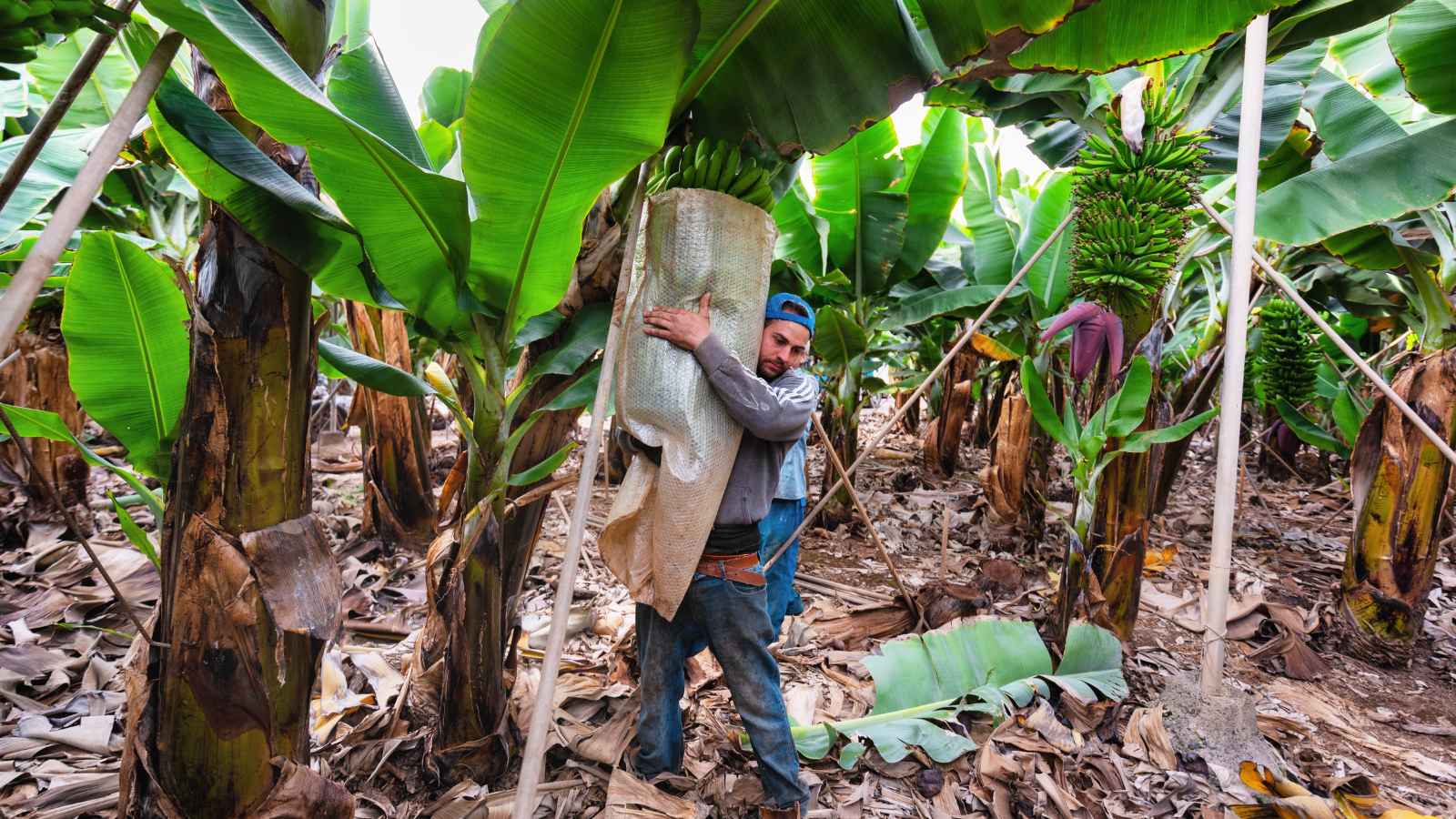
The global banana supply chain provides perfect cover for drug cartels. The global banana supply chain provides perfect cover for drug cartels. Recent seizures include:
- 9.5 tons in the Dominican Republic
- 6.5 tons in Spain and Colombia ($240 million value)
- 12,500 pounds in Britain (the country’s biggest seizure)
- 1.5 metric tons in Russia ($240 million value)
Drugs hide in compartments, or whole pallets are swapped. The banana trade has become one of the world’s most effective drug smuggling networks.
The cheerful ‘Chiquita’ brand was created to hide a brutal reality
Miss Chiquita, born in 1944, was drawn by Hägar the Horrible’s cartoonist. Her jingle played 376 times daily on U.S. radio.
This was Edward Bernays’ PR strategy to distract from United Fruit’s exploitation and violence. The company made propaganda films like Journey to Banana Land, hiding brutal labor conditions behind adventure fantasies.
The mask worked. The company renamed itself Chiquita Brands International in 1990, fully becoming the invented persona—a masterclass in “reputation laundering.”
Key Takeaway
The banana’s story reminds us that food’s true cost is often hidden, paid by people and ecosystems thousands of miles away.
That cheap, convenient banana is anything but simple. It carries the weight of a dark history, from toppling democracies and exploiting workers to devastating the environment. Its future is shockingly fragile, as the cloned fruit faces a potential new plague.
More articles:
- These 5 Native American crops changed the way the world eats
- The History of the Pistachio: From Royal Treat to California Cash Crop
- America’s most important water source is disappearing. Here’s why it matters.
Why some experts are worried about the future of America’s food system
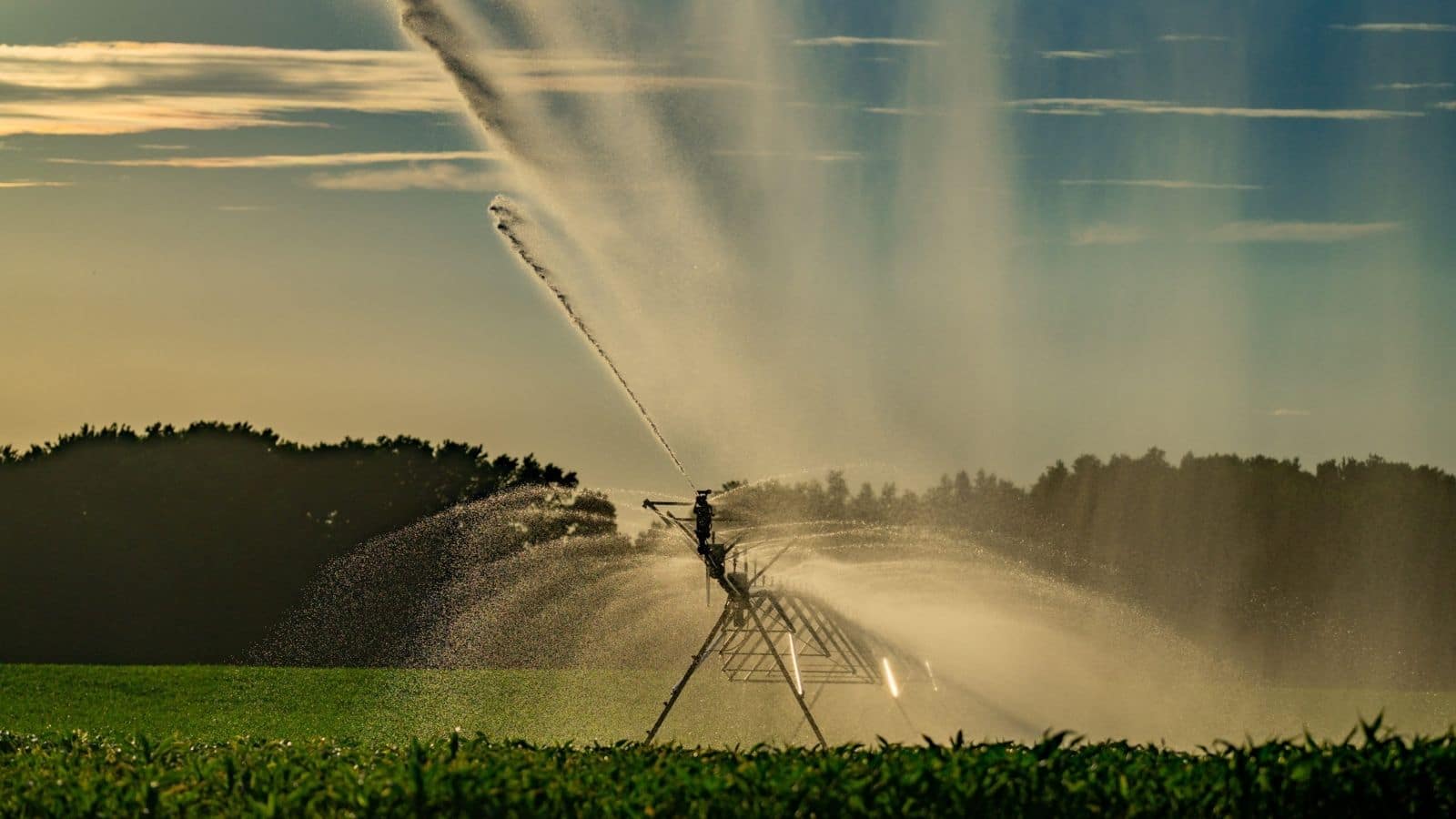
America produces more food than almost any nation on Earth. Grocery stores are stocked year-round, restaurant portions are famously large, and the country remains one of the world’s leading agricultural exporters.
On the surface, the system appears remarkably successful. Learn more.
12 most environmentally conscious countries in the world

As climate deadlines close in, a handful of nations are turning bold promises into measurable wins for the planet.
Going green isn’t just a trend anymore; it is a full-blown race where nations compete to see who can love the planet the hardest. Some countries talk a big game about saving the Earth, but others are actually doing the heavy lifting to make it happen. Learn more.
10 simple lifestyle changes to reduce your carbon footprint
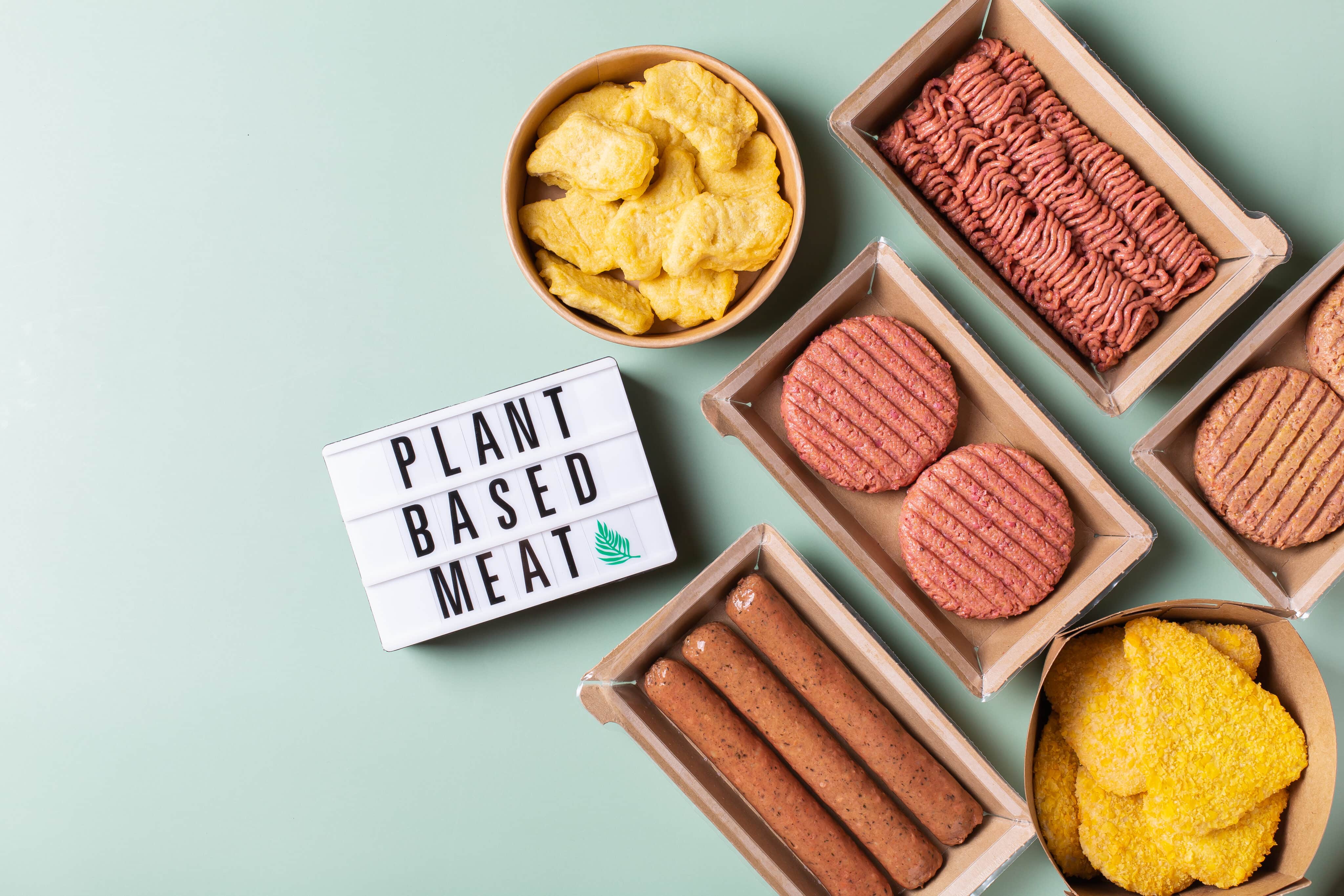
If climate change feels overwhelming, the good news is that a few simple tweaks to your everyday routine can quietly make a real difference.
You probably feel the weight of climate anxiety sometimes, wondering if your daily choices actually matter in the grand scheme of things. It is easy to get overwhelmed by the negative news cycle, but the truth is that individual actions really do add up to massive changes over time. We are looking at practical ways to help the planet without flipping your entire life upside down right now. Learn more.





