America’s health crisis is escalating as a flood of additives banned abroad remains embedded in the nation’s everyday food supply.
America is currently facing a health crisis that is impossible to ignore, with chronic disease rates soaring and 6 in 10 Americans living with at least one chronic condition. Robert F. Kennedy Jr., through his “Make America Healthy Again” (MAHA) campaign, argues that the root cause isn’t just genetics or a sedentary lifestyle, but a food system that is fundamentally broken.
He points to a toxic list of chemicals, dyes, and additives that are banned in Europe and other developed nations but remain standard in the American diet. His message has struck a nerve with parents and pet owners alike, who are tired of needing a chemistry degree to understand the ingredient labels in the grocery aisle.
By highlighting specific foods and additives, RFK Jr. is challenging the status quo of the food industry. He claims that these categories of food are fueling an epidemic of illness and that cleaning up our food supply is the only way to truly restore the nation’s vitality and reduce the crushing burden of healthcare costs.
Sodas and Soft Drinks

Soft drinks are the primary vehicle for High Fructose Corn Syrup (HFCS), a sweetener linked strongly to the obesity epidemic. RFK Jr. argues that HFCS is metabolically damaging because it bypasses the body’s normal satiety signals, leading to overconsumption. The fact that it is cheaper than sugar due to corn subsidies makes it a pervasive issue in the American food supply.
In addition to sugar, sodas often contain Sodium Benzoate, a preservative that can form carcinogenic benzene when exposed to Vitamin C and heat. Kennedy advocates for removing these risky chemical cocktails from the shelves. He believes that a simple drink shouldn’t require a risk assessment before consumption.
Bright-Colored Breakfast Cereals

RFK Jr. has famously criticized cereals for their neon hues, noting that the U.S. version is loaded with artificial dyes, such as Red 40 and Yellow 5. In contrast, the same cereal sold in Europe uses natural juices for coloring to comply with stricter regulations. This disparity suggests that American children are consuming chemicals that companies know how to remove but choose not to for the sake of profit.
These dyes have been linked to behavioral issues in children, creating confusion for parents just trying to get breakfast on the table. A 2021 report by the California EPA confirmed that synthetic food dyes can lead to hyperactivity and other neurobehavioral issues in some children. Kennedy argues that we must always prioritize child safety over the aesthetic appeal of a morning meal.
Candy and Sweets

Popular candies are prime targets in the MAHA campaign due to their use of Titanium Dioxide and artificial colorants. Titanium Dioxide, used to make candies appear brighter and whiter, was banned as a food additive in the EU in 2022 due to concerns about its genotoxicity. Kennedy questions why American consumers are still exposed to an ingredient deemed unsafe by our peers across the ocean.
The presence of these additives turns a simple treat into a potential health risk. Kennedy’s campaign frames this as a moral failure of regulators who allow “cosmetic” chemicals to remain in food mainly consumed by children. It is a call for the industry to reform its books and remove unnecessary toxins from our sweets.
Fast-Food Favorites

The campaign targets the widespread use of “seed oils” like canola, soybean, and corn oil, which are heavily used in fast-food fryers. Kennedy and his supporters refer to these as the “Hateful Eight,” claiming that their high processing and omega-6 content drive inflammation in the body. They argue that the shift from traditional fats like tallow to industrial seed oils parallels the rise in modern chronic diseases.
While fast food has never been considered a healthy option, the focus here is on the specific cooking medium that drenches our fries and nuggets. Kennedy suggests that returning to traditional cooking fats would be a significant step toward metabolic healing. It challenges the long-held belief that vegetable oils are the healthier choice for the heart.
Packaged Baked Goods

Commercial breads, buns, and muffins are often treated with Potassium Bromate, an additive used to strengthen dough and help it rise higher in the oven. This chemical is a known carcinogen that has been banned in the UK, Canada, and Brazil. Yet, it remains legal in the U.S. Kennedy highlights this as a clear example of profits being prioritized over public safety.
Furthermore, he points to the use of glyphosate as a desiccant (a drying agent) on wheat crops just before harvest. This means that even non-GMO wheat products can carry residues of the herbicide. Parents packing school lunches are left wondering if the sandwich bread is delivering a dose of chemicals alongside the turkey and cheese.
Ice Cream and Frozen Desserts

The freezer aisle is another battleground, where ice creams are often laden with artificial flavors, emulsifiers like polysorbate 80, and synthetic dyes. Kennedy points out that these ultra-processed ingredients can disrupt the gut microbiome, leading to inflammation. Real ice cream should be simple: milk, cream, sugar, and maybe some fruit or chocolate.
The campaign suggests that reliance on chemical stabilizers enables companies to sell lower-quality products at higher profit margins. By removing these additives, we could return to desserts that are indulgent but not chemically complex. It is about restoring the integrity of our food and enjoying treats without the hidden toxicity.
Snack Foods and Crackers
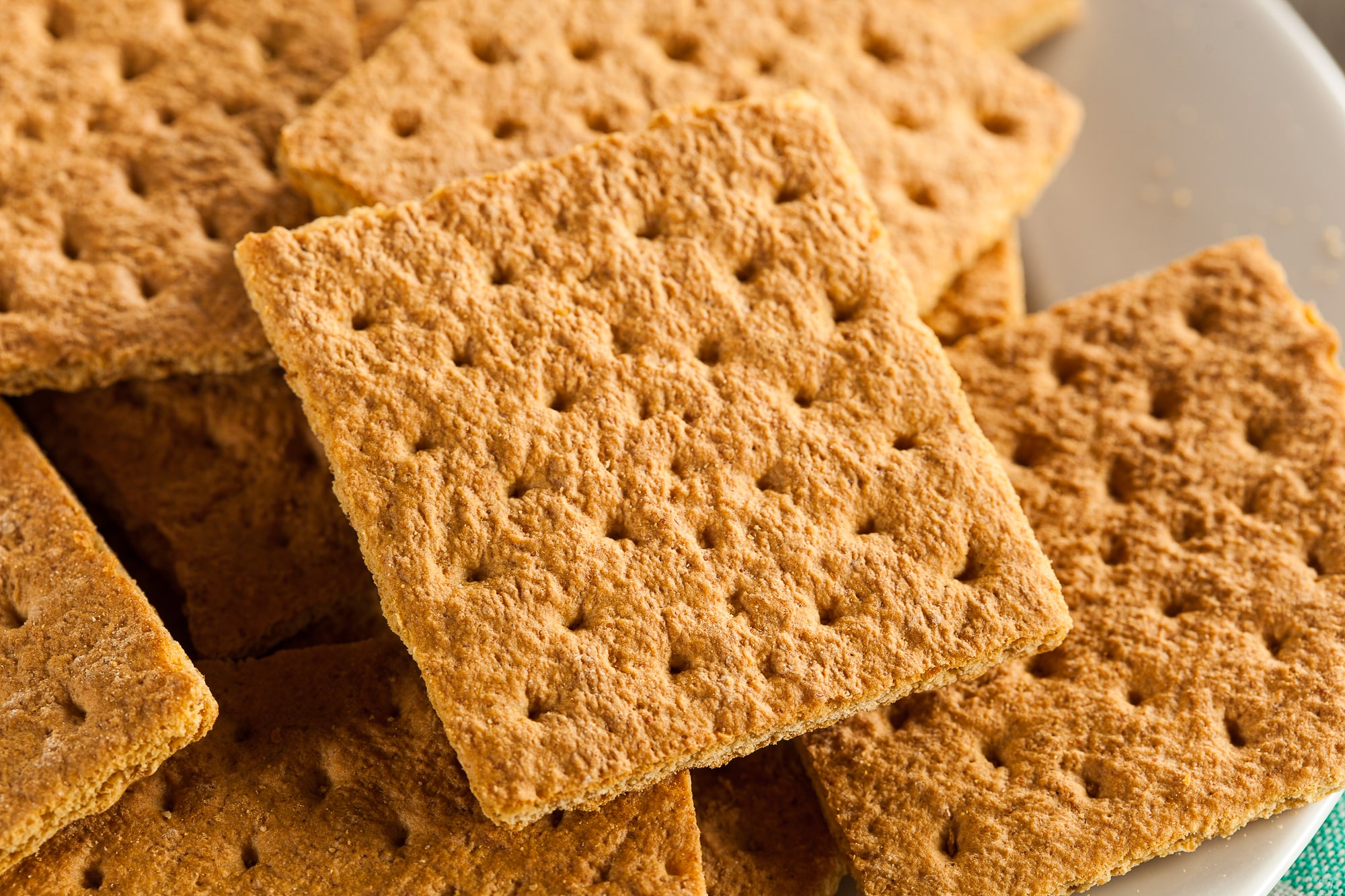
Savory snacks, such as crackers, often contain Tartrazine (Yellow 5) and preservatives like BHT (Butylated Hydroxytoluene) and BHA (Butylated Hydroxyanisole). The National Institutes of Health list BHA as “reasonably anticipated to be a human carcinogen,” yet it keeps our chips crisp. Kennedy flags this contradiction as a massive failure of the FDA to protect consumers.
These snacks are staples at parties and gatherings, ensuring widespread and frequent exposure. The MAHA campaign advocates removing these preservatives in favor of safer alternatives, such as Vitamin E. It challenges the industry to find better ways to preserve shelf life without compromising human life.
Condiments and Sauces

Ketchup, salad dressings, and barbecue sauces are often secret sources of High Fructose Corn Syrup and seed oils. A tablespoon of ketchup can contain more sugar than a cookie, and creamy dressings are often emulsions of soybean oil and Titanium Dioxide for whiteness. Kennedy argues these hidden ingredients turn healthy salads into inflammatory meals.
He advocates for transparency and a return to simple ingredients, such as vinegar, olive oil, and spices. Creating your own dressings is a great way to inspire a healthier kitchen, but consumers should also have access to safe options. The goal is to remove the “stealth” toxins that hide in the side dishes of our lives.
Processed Meats

Save this article
Lunch meats, bacon, and hot dogs are frequently cured with nitrates and nitrites, which can form cancer-causing compounds in the body. Additionally, they often contain BHA and BHT to prevent rancidity. Kennedy’s platform aligns with the World Health Organization’s classification of processed meats as carcinogenic.
While these foods are convenient for a quick lunch or a road trip, the long-term costs are high. The campaign encourages a shift toward fresh, uncured meats or those preserved with natural celery salts. It is about reducing the toxic load from everyday staples that millions of Americans consume.
Frozen Dinners and Ready Meals

Frozen dinners are the epitome of ultra-processed food, often containing high levels of sodium, preservatives, and low-quality ingredients to withstand freezing. A study published in the PMC found that ultra-processed foods now account for 57.9% of the calories in the average American’s diet.
He argues that the convenience of these meals comes at the cost of nutritional density and metabolic health. The MAHA campaign promotes a return to whole-food cooking for meal preparation. It is a push against the industrialization of dinner and a move toward reclaiming the kitchen.
Energy Drinks

Energy drinks are a concentrated source of many additives that Kennedy targets, including artificial sweeteners like Aspartame, heavy doses of caffeine, and bright artificial dyes. He argues that these beverages are particularly harmful to teenagers and young adults, whose developing brains are sensitive to neurotoxins.
The World Health Organization recently classified aspartame as a “possible carcinogen,” bolstering Kennedy’s call to remove it. He suggests that relying on chemical energy is a symptom of a biologically depleted population. We should derive energy from nutrient-dense foods and a healthy lifestyle, rather than relying on a can of chemicals.
Dairy Products with Additives

Kennedy’s stance on dairy is twofold: he opposes the use of additives in processed dairy (such as rBGH growth hormones) and supports the legalization of raw milk. He argues that pasteurization destroys beneficial enzymes and bacteria, and that current restrictions on raw milk infringe on consumer freedom. He wants to explore opportunities for farmers to sell fresh, unprocessed milk directly to consumers.
He also targets the “whitening” agents and gums used in low-fat dairy products to mimic the texture of full-fat versions. The campaign promotes full-fat, natural dairy as a healthy part of the diet. It is about trusting the cow more than the chemist when it comes to our milk and cheese.
Snack and Breakfast Bars

Granola bars and breakfast bars often present a “health halo” but are frequently loaded with High Fructose Corn Syrup and glyphosate residues from non-organic oats. An Environmental Working Group study found glyphosate in more than 90% of oat-based foods sampled. Kennedy highlights this as a betrayal of health-conscious consumers who think they are making a good choice.
These bars are convenient for a hiking trip or a day at the beach, but they can carry a toxic load. The campaign encourages consumers to seek out organic certifications that prohibit the use of these herbicides. It is a reminder that “natural” on a label doesn’t always mean chemical-free.
Breakfast and Dessert Cereals (Adult-Marketed)

Even “adult” cereals, such as wheat flakes, are not immune; they are often key sources of glyphosate residue and preservatives like BHT. Kennedy points out that these grains are sprayed with Roundup as a desiccant to dry them out quickly for harvest. This practice leaves herbicide traces directly on the food we eat to start our day.
Kennedy argues that we need to ban glyphosate-based crop desiccation to ensure our grains are safe. He envisions a future where a bowl of cereal isn’t a source of chronic toxin exposure. It is a call to reform agricultural practices that sustain the nation.
Key Takeaway

This campaign aims to show that the American health crisis is always linked to a toxic diet. The inspiration comes from targeting specific industrial additives, dyes, and seed oils, arguing that removing them from our food supply is a critical step in restoring the nation’s well-being.
Disclaimer: This list is solely the author’s opinion based on research and publicly available information. It is not intended to be professional advice.
Disclosure: This article was developed with the assistance of AI and was subsequently reviewed, revised, and approved by our editorial team.
6 Gas Station Chains With Food So Good It’s Worth Driving Out Of Your Way For
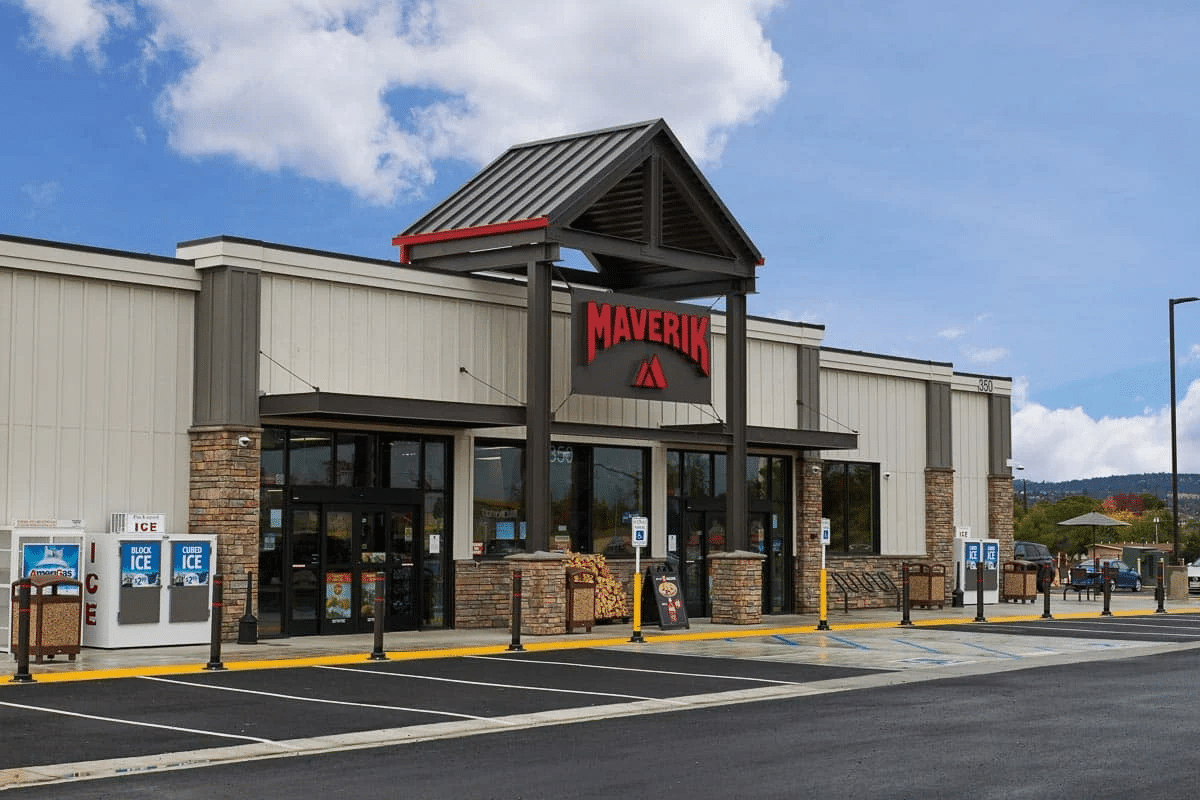
6 Gas Station Chains With Food So Good It’s Worth Driving Out Of Your Way For
We scoured the Internet to see what people had to say about gas station food. If you think the only things available are wrinkled hot dogs of indeterminate age and day-glow slushies, we’ve got great, tasty news for you. Whether it becomes part of a routine or your only resource on a long car trip, we have the food info you need.
Let’s look at six gas stations that folks can’t get enough of and see what they have for you to eat.
12 Laws And Rules About Food In Other Countries

12 Laws And Rules About Food In Other Countries
Food is more than just nourishment; it’s a reflection of culture, tradition, and, in many cases, the law. Around the world, various countries have established distinct food regulations that may surprise travelers and food enthusiasts alike.
These laws reveal how deeply societies value what ends up on their plates. Here are 12 fascinating food laws and rules from around the globe that show just how diverse and sometimes unexpected our relationship with food can be.