

Got a favorite meal or snack you’ve put on the “do not eat” list because of something you heard or read online? Yeah, me too. It seems like every few weeks, a new food villain emerges as “bad for your health.” But here’s the fun part: some of these dreaded items are making a comeback, thanks to, well, actual science.
In 2025, the distinction between what is good and bad to eat is no longer as clear-cut. According to nutrition experts, confusion is on the rise, with one in every four individuals unable to distinguish what is truly healthy. Fortunately, studies are progressing rapidly, eager to dispel old myths with new facts.
The National Institute on Diabetes and Digestive and Kidney Diseases (NIDDK) reminds people that some fats are necessary for the health of the brain and heart, even though many people mistakenly believe otherwise. Harvard Health specialists claim that protein plays a crucial role, but maintaining balance is most important.
Diet culture considers many foods blacklisted, but they are making a delicious comeback. So why not jump on board to learn more about science-backed reasons you can feel good about eating these 17 foods?
Seed Oils Are Not Toxic
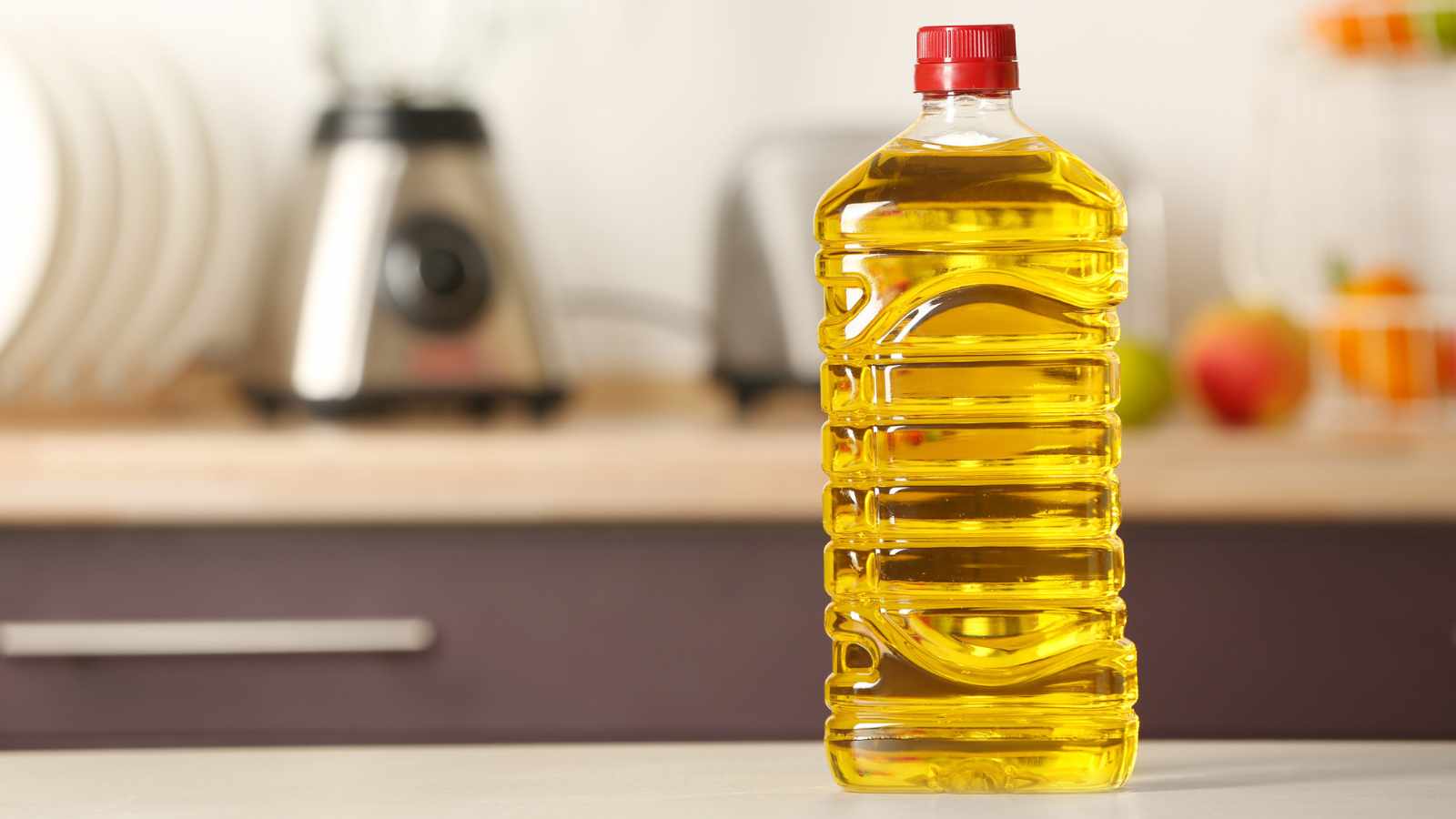
In health camps, seed oils such as sunflower or canola have been portrayed as the devil. But here’s the truth laid bare by nutrition science: they can be beneficial when consumed in moderation.
Research has shown that such oils are also rich in polyunsaturated fats, which help reduce inflammation and improve cardiovascular health when incorporated into a balanced diet. That stir-fry you’re whipping up? Drizzle that canola oil guilt-free (it’s fine, I promise).
Sugar Doesn’t Equal Doom
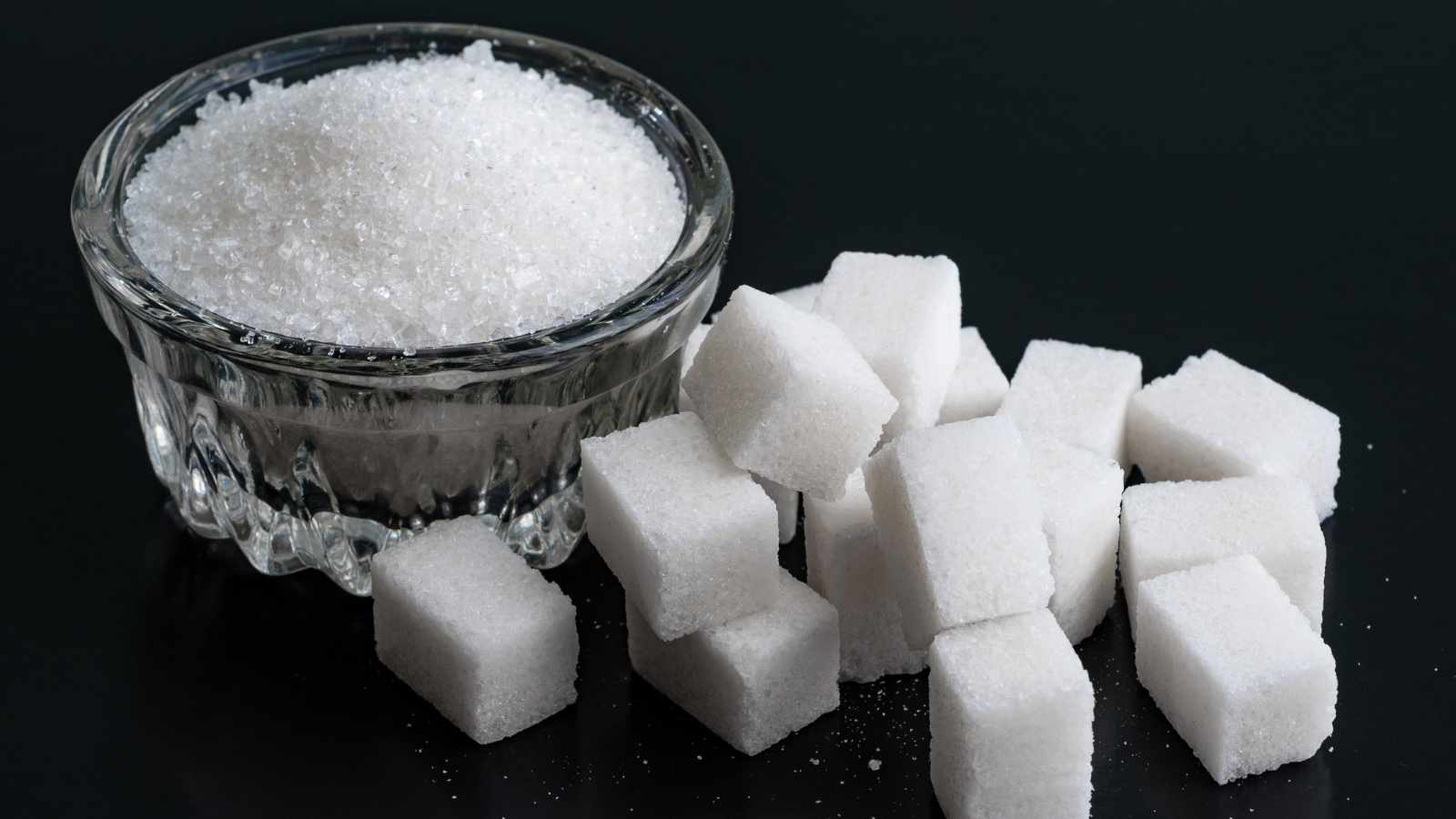
Sure, sugar’s not the gold star student in your diet, but calling it addictive like hard drugs? A bit of a stretch, says the research. Although sugar overindulgence is not ideal (no one is telling you to drink a gallon of soda), it will be perfectly okay to have your sweets in moderation. It is about the small things in life, and, yes, dessert can also fall in that category.
Margarine Has Seriously Upgraded

Remember the “margarine is worse than butter” crowd? Well, modern margarine isn’t what it used to be. Most brands today have eliminated trans fats and now offer much healthier products compared to before. Some even boast better fat profiles than traditional butter! Slather that whole-grain toast with confidence.
Eggs Are Back in the Mix
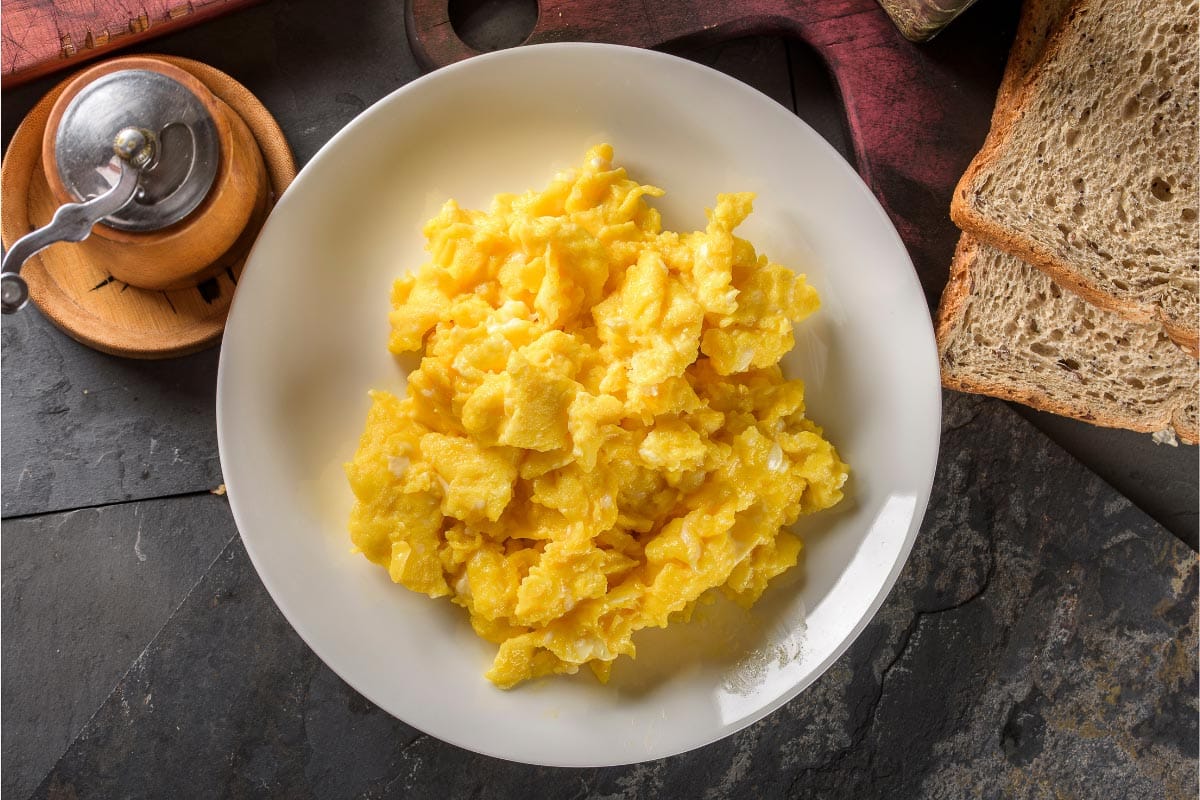
Eggs were removed from the diet over the years due to concerns about cholesterol. That was probably overkill. Dietary cholesterol has been found to have a significantly less influence on blood cholesterol levels than perceptions of it, according to new studies. And eggs? They’re absolute nutritional powerhouses. Scramble some, poach some, enjoy.
Potatoes Deserve a Second Chance

Other people are afraid of potatoes because they contain carbs, yet they are rich in beneficial elements such as fiber, vitamin C, and potassium.
Potatoes are a nutritionally rich and filling addition to your meal when cooked in sound practices (read: not deep-fried, but rather cooked in the oven, roasted, or boiled). More potato wedges, please.
Full-Fat Dairy Isn’t the Enemy

Once upon a time, we all would reach out to skim milk because we considered fat to be the devil. However, full-fat yogurt, cheese, and milk are sources of heart-healthy fats, proteins, and a treasure trove of vitamins.
And guess what? There are even reports linking full-fat dairy products to a reduced risk of obesity. As it happens, traditional milk is the most valuable player in your cereal game in the morning.
Frozen and Canned Produce Are Heroes in Disguise

“Fresh is best” has been the mantra for decades, but science suggests we’ve been overlooking the benefits of frozen and canned fruits and vegetables. Such alternatives tend to be equally nutritious as their non-spoiled siblings, without the rotting.
Plus, they’re more affordable and convenient—a win for your wallet and your nutrition goals.
Bread Isn’t the Villain After All

Ah, carbs. Bread has been blamed for every dietary misjudgment over the years. But—not so fast. The healthiest bread among them is the whole grain bread, which is a good source of minerals, vitamins, and fiber.
That sandwich is not particularly unhealthy, unless you are someone who cannot tolerate gluten.
Gluten Isn’t the Whole Problem

Rotating the topic to gluten, it has become another food-related trend that has gone viral in a negative sense.
Gluten is perfectly all right unless you are a celiac or are diagnosed with a gluten intolerance. Whole grains (even those containing gluten) are a necessary part of most of our diets.
Soy is Safe for Most of Us
Some of the hormonal scare stories have snared soy products such as tofu. Research, however, debunks this myth. Moderate intake of soy by the majority of people is harmless, and it can be a delicious protein-rich constituent of your vegetarian or vegan diet.
Save this article
Coffee Has Surprising Perks

Coffee lovers, rejoice! Your morning brew does more than wake you up. Studies indicate that coffee contains antioxidants and may even reduce the risk of certain chronic diseases. Apres, tone back on the sugar and the cream with cup number three.
GMOs Are Thoroughly Tested

GM foods are often viewed with skepticism, yet health organizations worldwide have recognized that they pose no harm. GMOs are carefully tested to ensure their safety and are also a good candidate for enhancing food security and crop productivity.
Soup is Nutrient-Rich Comfort

The myth of soup as nothing more than colored water does not stand up either. Cooked using healthy ingredients, soups provide vitamins and minerals from the broth and the steamed vegetables.
Not to mention the fact that nothing is as lovely on a cold day as a bowl of hot minestrone, is there?
Organic Doesn’t Always Mean Superior

The debate between organic and conventional produce continues to rage on. When considering nutrient content, however, the studies reveal little difference between the two.
The real issue is that they should consume a lot of fruits and vegetables, no matter how they are farmed.
Not All Processed Foods Are “Bad”

Ultra-processed foods sound like a bad thing, but not all processed foods are looked down on.
Processed foods, such as enriched cereals or canned beans, offer convenience while still providing a balanced diet. Reading the labels and making informed choices is what counts.
Late-Night Snacking Isn’t a Dealbreaker

Do you believe that late eating is a free pass to extra weight? Not so. It is your overall calorie count and diet that counts.
When going to bed, a snack can be a real solution, especially when you are hungry, but opt for a small, healthy snack that won’t compromise your health objectives.
Plant-Based Diets Still Need Checks
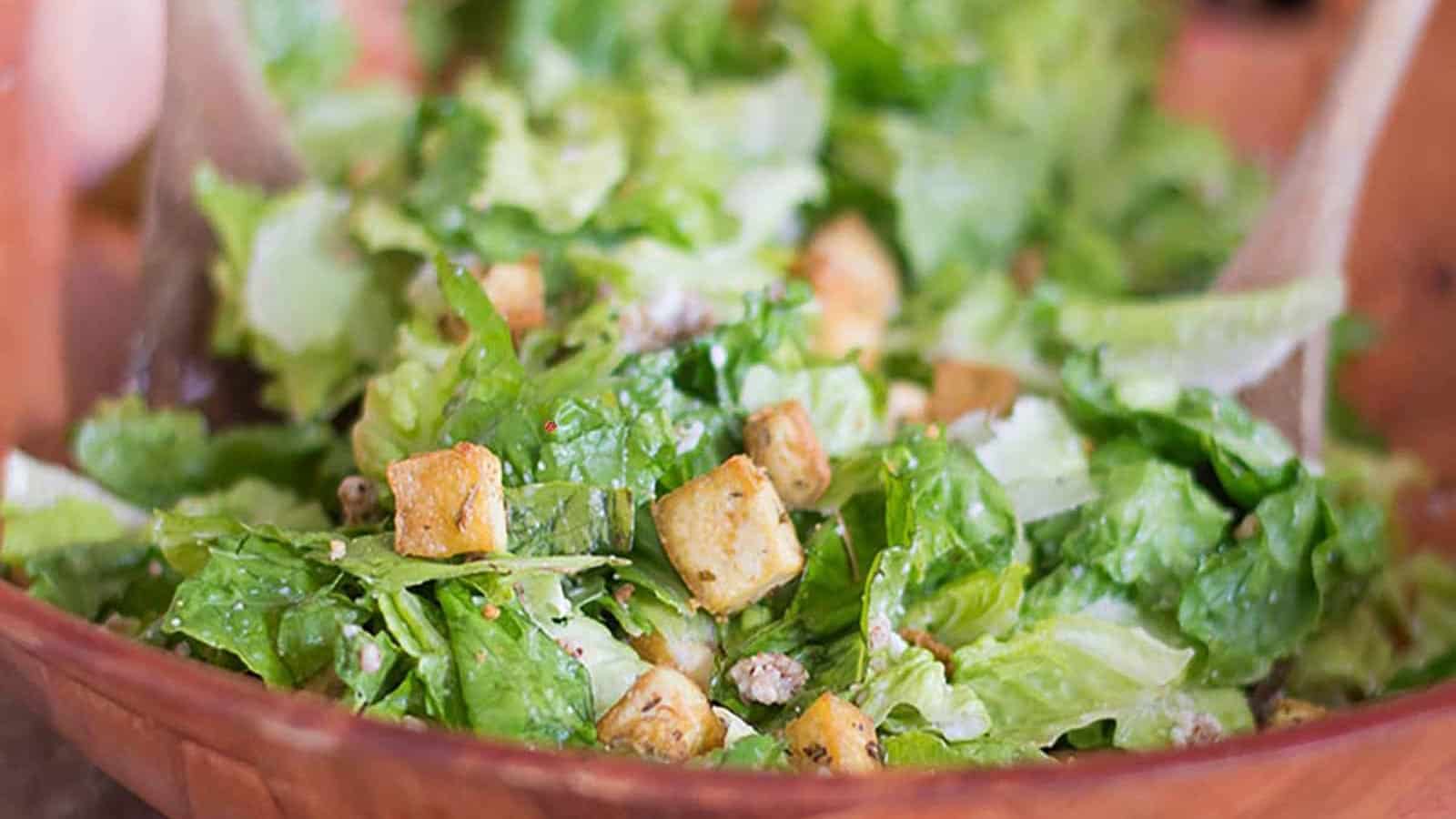
Becoming a vegetarian or vegan does not necessarily make it healthier. Unless well thought out, plant diets may consist of highly processed food containing excess sugars or unhealthy fats. Focusing on whole, minimally processed options is key.
Key Takeaway: It’s Time to Rethink “Bad” Foods

The list of supposedly “bad” foods is shrinking as science sheds more light on nutrition. History and sleek conspiracy theories about diets have no chance against sound scientific studies. There are many things we were afraid to eat, but they turned out to be less harmful than we expected. The trick? Balance, moderation, and tuning out the guilt.
Disclaimer–This list is solely the author’s opinion based on research and publicly available information. It is not intended to be professional advice.
Disclosure: This article was developed with the assistance of AI and was subsequently reviewed, revised, and approved by our editorial team.
16 Grocery Staples to Stock Up On Before Prices Spike Again
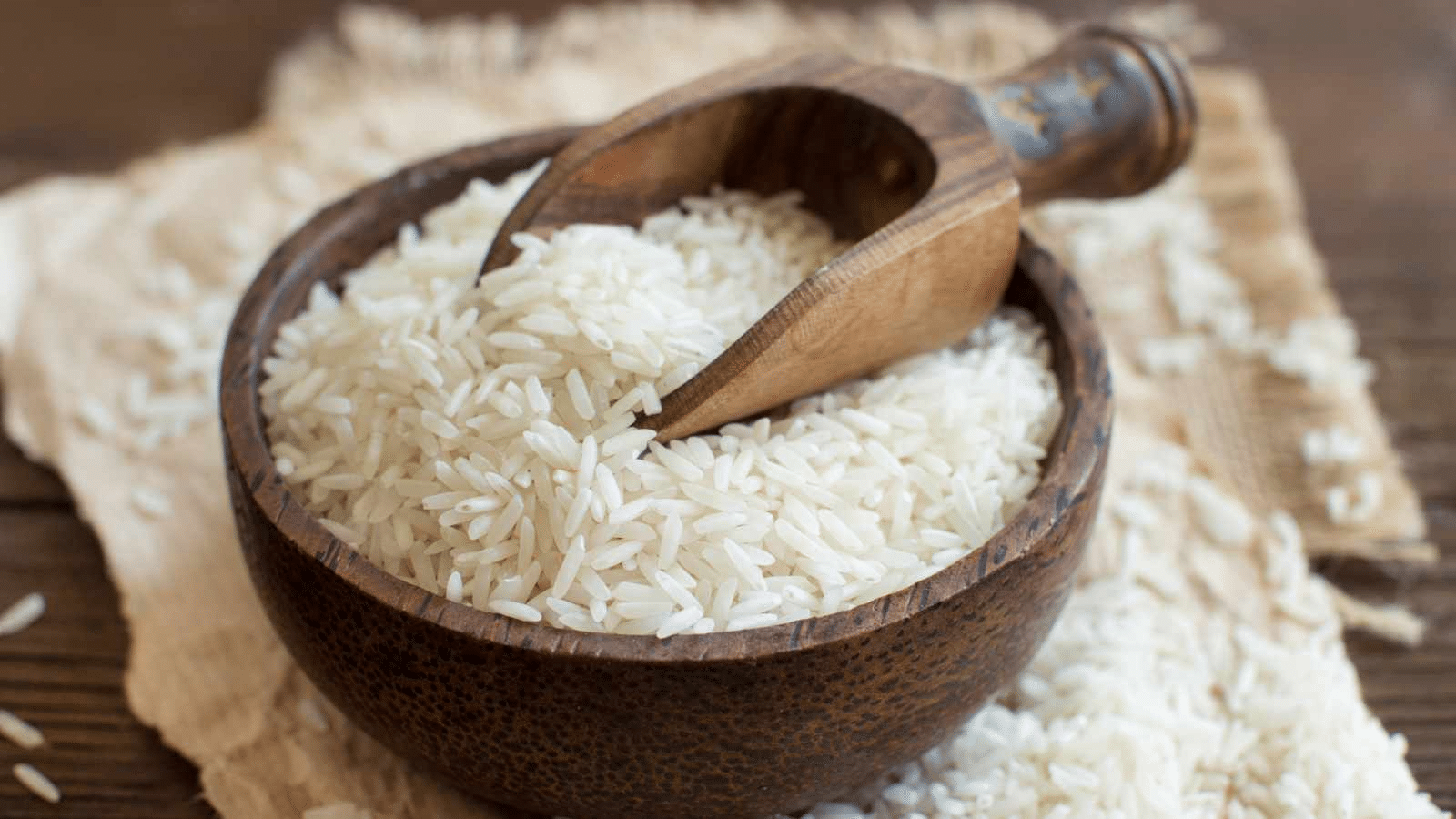
16 Grocery Staples to Stock Up On Before Prices Spike Again
I was in the grocery store the other day, and it hit me—I’m buying the same things I always do, but my bill keeps getting higher. Like, I swear I just blinked, and suddenly, eggs are a luxury item. What’s going on?
Inflation, supply-chain delays, and erratic weather conditions have modestly (or, let’s face it, dramatically) pushed the prices of staples ever higher. The USDA reports that food prices climbed an additional 2.9% year over year in May 2025—and that’s after the inflation storm of 2022–2023.
So, if you’ve got room in a pantry, freezer, or even a couple of extra shelves, now might be a good moment to stock up on these staple groceries—before the prices rise later.
How to Save on International Money Transfers: What Banks Don’t Tell You

How to Save on International Money Transfers
Normally, I’d question the hidden fees in my bank’s international money transfer services. While banks sometimes advertise low transfer fees, they usually do not mention the substantial exchange rate margins that quietly siphon money out of your funds. It shouldn’t be expensive to send money overseas.
I’ve discovered seven practical strategies anyone can use to save on international money transfers. Whether you’re sending a hundred dollars to a family member or paying for a service in a foreign country, these tactics will help you hold onto more of your hard-earned cash.





