Tiny bats can live for decades — their genes may help explain how they resist diseases of aging
A mouse-sized mammal should not, by ordinary biological expectations, have the lifespan of a much larger animal. Yet some bats live for decades, apparently bending one of nature’s most familiar rules.
A new Nature study compared near-complete genomes from eight closely related Myotis bat species and paired the genetic analysis with experiments in bat cells. Researchers found evolutionary changes involving immunity, cancer pathways and the response to DNA damage.
The work will not hand humans a longevity gene. What it can do is show how evolution repeatedly solved problems that become increasingly difficult as animals live longer.
Small mammals usually live fast and die young
Across mammals, body size and lifespan are often related. Small animals tend to have fast metabolisms, reproduce quickly and live relatively short lives. Bats are conspicuous exceptions.
Some Myotis species have achieved extraordinary increases in lifespan relative to their body size and evolutionary ancestors. Long life creates a biological problem: the more years cells survive and divide, the more opportunities there are for mutations and cancer.
A long-lived animal needs more than a slow clock — it needs ways to tolerate decades of cellular damage, infection and cancer risk.
Researchers compared eight closely related bat species
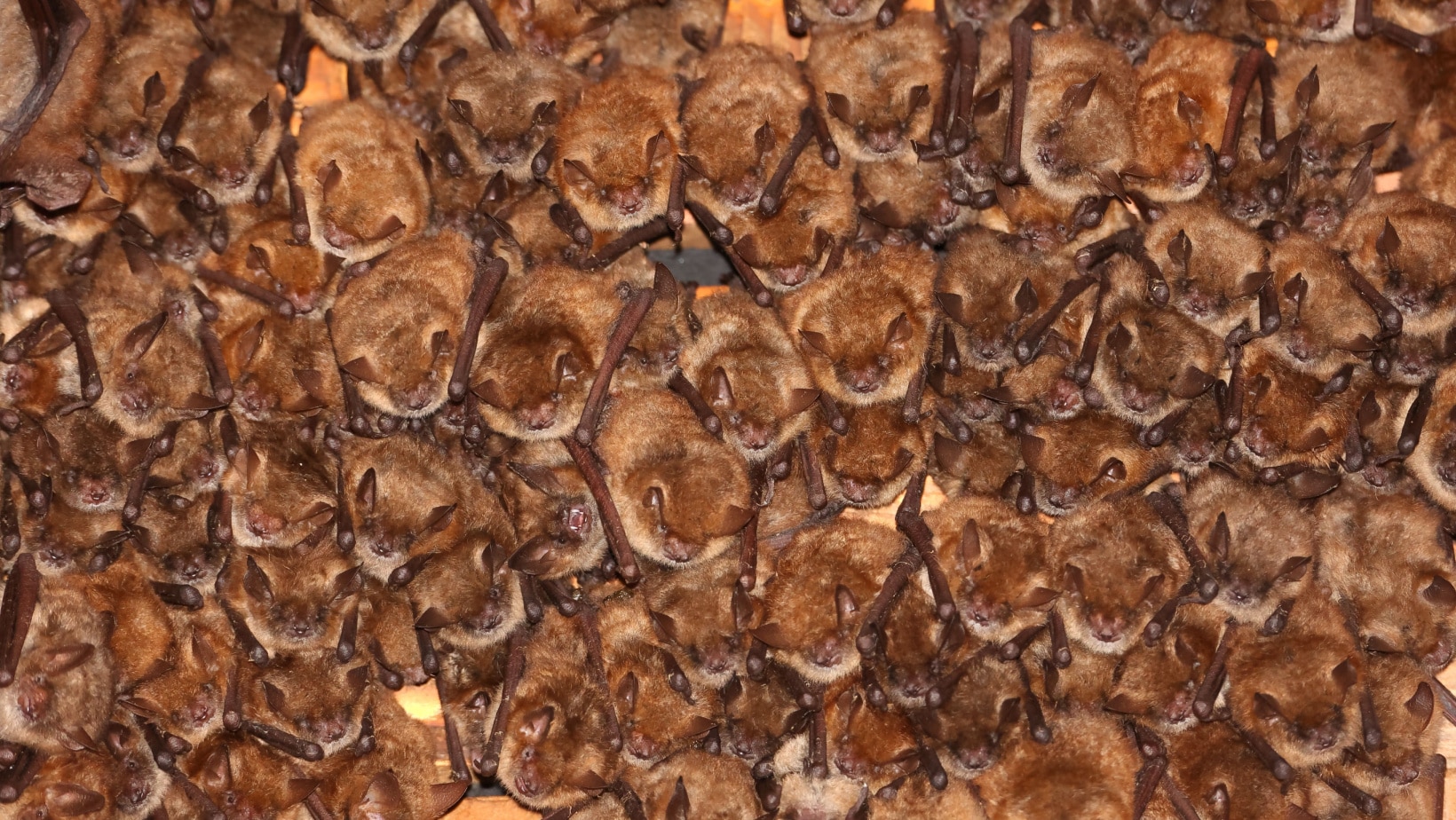
In the Nature study, scientists assembled near-complete genomes for eight Myotis species and looked for signs of natural selection. They found enrichment of evolutionary changes in pathways connected with immunity, cancer and aging, particularly in lineages that had evolved the greatest longevity.
The team also studied primary cells from long-lived bats. Cells from Myotis lucifugus showed an unusual response to DNA damage, adding functional evidence that the genomic patterns were more than statistical curiosities.
One reason bats are so useful for this work is that closely related species can have very different lifespans. That gives researchers a kind of natural comparison group: much of the basic bat biology is shared, while evolutionary changes associated with exceptional longevity can stand out more clearly. The study does not prove each selected gene extends life, but it narrows a vast genome to pathways worth testing.
The strength of the study is that it links evolutionary signatures in DNA with experiments showing how living bat cells respond to stress.
Cancer resistance may be part of the longevity package
Living longer should theoretically give cells more time to accumulate cancer-promoting mutations. Yet cancer rates across species do not simply rise in proportion to body size and lifespan, a puzzle known as Peto’s paradox.
The researchers found positive selection in cancer-related pathways across long-lived Myotis lineages. That suggests natural selection may have strengthened cancer-control mechanisms as lifespan increased.
Save this article
Evolution cannot grant an animal decades of extra life without also confronting the diseases that extra time makes more likely.
Their immune systems tell another part of the story
Bats are also famous for unusual relationships with viruses. The study found distinctive patterns of adaptation in genes interacting with DNA and RNA viruses, including variation in an immune factor called PKR.
Immunity and longevity may not be separate achievements. Chronic inflammation, infection control, cancer surveillance and tissue repair all involve overlapping biological systems. A defense that helps an animal tolerate pathogens without excessive damage could also influence how tissues age.
The intriguing possibility is that bats’ longevity and viral tolerance evolved together through biological pathways that solve more than one problem at once.
Final word
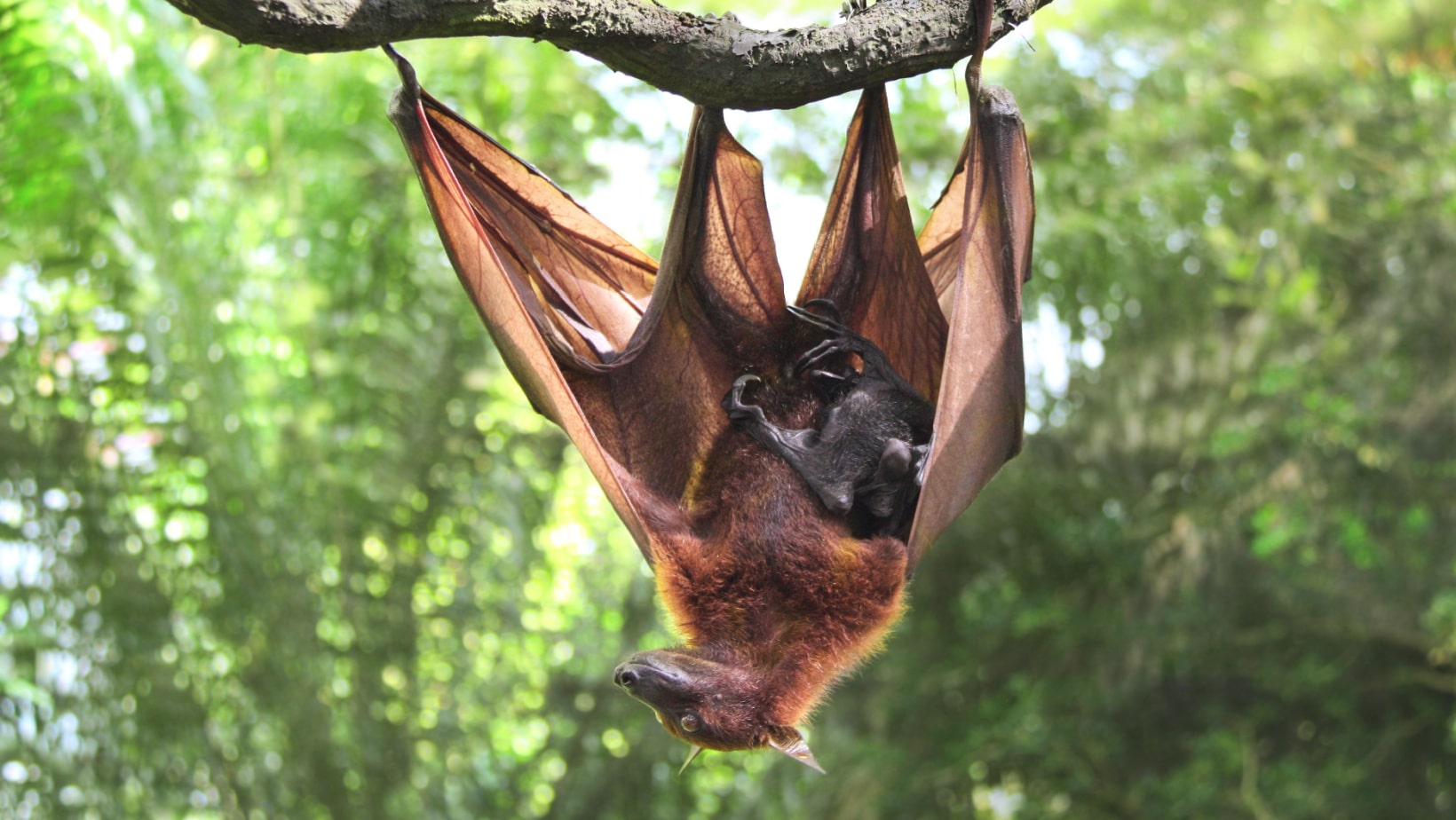
Humans are not bats, and discoveries in bat genomes cannot be converted directly into anti-aging treatments. Evolution has shaped each species around a different body, environment and life history.
But unusually long-lived animals are natural experiments. By comparing species that solved longevity independently, researchers can identify mechanisms worth testing in human biology.
The best longevity laboratory may sometimes be the natural world, where evolution has already spent millions of years running experiments scientists could never design.