

Roughly half of the average American adult’s grocery cart, and about 60% of what a child eats, now comes from factory assembly lines rather than home kitchens.
A landmark June 2026 study from Tufts University’s Food is Medicine Institute reveals that this industrial food takeover carries a hidden danger. After analyzing 20 years of data from nearly 50,000 American adults, researchers found that how ultra-processed foods are made harms human health, regardless of their basic nutrition.
Grabbing a “low-sugar” protein bar or a “low-sodium” ready meal between meetings might look smart on paper. However, traditional nutrition labels only police basic nutrients like salt, fat, and sugar, leaving a massive blind spot around industrial food processing. Understanding why factory manufacturing itself harms the body is essential when over half of modern calories come from a package.
Background on How Factory Foods Took Over Modern Diets
Ultra-processed foods have quietly displaced traditional meals, supplying 53% to 58% of adult calories and 62% of youth calories across the United States.
Under the globally recognized NOVA classification system, these Group 4 formulations rely on protein isolates, hydrogenated fats, high-fructose corn syrup, and cosmetic additives rarely used in home cooking. From fizzy drinks and packaged breads to sweetened cereals and ready-to-eat meals, these items are engineered for low cost, long shelf life, and maximum sensory appeal.
For years, nutrition experts debated a major question about why these foods make people sick. Critics wondered whether the health damage stems strictly from poor nutritional profiles, specifically excess sodium, added sugar, and saturated fat, or from the industrial manufacturing process itself. If nutrients were the only problem, a factory snack reformulated to cut sugar and salt wouldn’t pose a threat.
Related: Scientists warn that these 7 processed foods are linked to early cognitive decline
Latest Developments From the 20-Year Tufts University Study
Even after researchers statistically erased the impact of overall diet quality, every 10% increase in daily calories from ultra-processed foods still drove up rates of chronic disease and raised the risk of early death by 4%.
Published in the American Journal of Public Health, the study evaluated 47,999 adults tracked through the National Health and Nutrition Examination Survey (NHANES) from 1999 to 2018. In the highest consumption bracket, American adults got between 68.5% and 100% of their daily energy strictly from ultra-processed products.
To isolate the factory effect, lead author and Tufts undergraduate biology researcher Juna Hatta-Langedyk and senior author Dr. Dariush Mozaffarian scored every participant’s diet using the validated Food Compass Score (i.FCS). They removed penalties for processing and additives so the score reflected nutritional quality alone. Controlling for diet quality slightly reduced the health risks, but the link between ultra-processed foods and illness remained statistically significant across the board.
Every 10% jump in daily energy from ultra-processed foods was tied to higher body mass index (BMI), elevated HbA1c blood sugar, worse cholesterol ratios, metabolic syndrome, diabetes, cardiovascular disease, cancer, and a 4% higher risk of dying. As Hatta-Langedyk explained, “Understanding how these foods affect health is a critical public health priority, given the large proportion of the population affected.”
Why Standard Label Nutrients Don’t Explain the Hidden Processing Risks
Adjusting for saturated fat, added sugar, or sodium individually made almost no consistent difference in health risks, pointing to disrupted food structure, chemical additives, and packaging contaminants as the real culprits. In fact, when researchers adjusted mortality models for those three label nutrients, the risk of death barely shifted for added sugar, stayed completely unchanged for saturated fat, and slightly increased after adjusting for sodium.
That’s an uncomfortable wake-up call for shoppers who rely on standard Nutrition Facts panels. When factories extrude and pulverize raw ingredients, they destroy the natural cellular structure, or food matrix, causing the gut to digest and absorb calories unnaturally fast. Industrial processing also strips away beneficial natural compounds like polyphenols while adding industrial emulsifiers, preservatives, and flavorings. Worse still, chemical residues from industrial plastic packaging can leach directly into the food before it ever reaches the plate.
Dr. Mozaffarian, cardiologist and director of the Food is Medicine Institute, clearly summed up the blind spot. “The findings suggest ultra-processed food factors beyond nutrients—such as changes to foods’ cellular structure, loss of beneficial chemical compounds, additives, and chemicals from packaging—may create health risks not addressed by traditional nutrition metrics or policies,” Mozaffarian said.
How Sugary Drinks, Processed Meats, and Lower-Income Diets Diverge
Not all ultra-processed foods act the same: sugar-sweetened beverages showed the strongest link to early death, processed meats wrecked metabolic markers, and lower-income adults faced the steepest mortality risks. When the researchers broke factory foods down by category, sharp differences emerged across the grocery store.
Sugary drinks carried the clearest signal for premature mortality while raising the odds of metabolic syndrome by 14%, cardiovascular disease by 13%, and both cancer and lung disease by 10% per 10% energy increase.
Processed meats, like bacon, sausages, and deli slices, didn’t show a clear link to early death, but they hammered metabolic health harder than any other group. Every 10% caloric increase from processed meats raised BMI by 0.82kg/m2, increased metabolic syndrome odds by 17%, and boosted diabetes odds by 14%. Adjusting for diet quality (i.FCS) erased 0% of the diabetes link for processed meats and 0% of the lung disease link for sugary drinks.
Income also played a troubling role in the findings. The link between ultra-processed food intake and death was noticeably stronger among lower-income adults, and accounting for diet quality barely moved the needle. Researchers suspect that the cheapest factory foods on store shelves contain more of the harmful processing features that drive disease.
Scientific Caveats and Legal Loopholes in Current Food Laws
While an observational study cannot prove direct cause and effect on its own, the data expose major legal loopholes in state laws that regulate ultra-processed foods only by sugar, salt, and fat limits.
Because the Tufts study observed nearly 50,000 adults over two decades rather than running a locked-ward trial, unmeasured lifestyle factors could still play a role. However, the findings mirror a 2025 global meta-analysis of over one million participants linking higher ultra-processed intake to all-cause mortality, while public health scholars increasingly compare aggressive junk-food marketing to big tobacco tactics.
On the legal front, more than 20 U.S. states are drafting or passing bills targeting ultra-processed foods through warning labels, additive bans, and school meal limits, alongside a push for a federal definition and 2025 World Health Organization guidance. Yet laws like California’s late-2025 statute rely heavily on nutrient thresholds for sodium, added sugar, and saturated fat. That approach leaves a major loophole for food companies to swap in artificial sweeteners and emulsifiers so harmful industrial products pass unflagged.
Why This Matters for Everyday Health and Public Policy
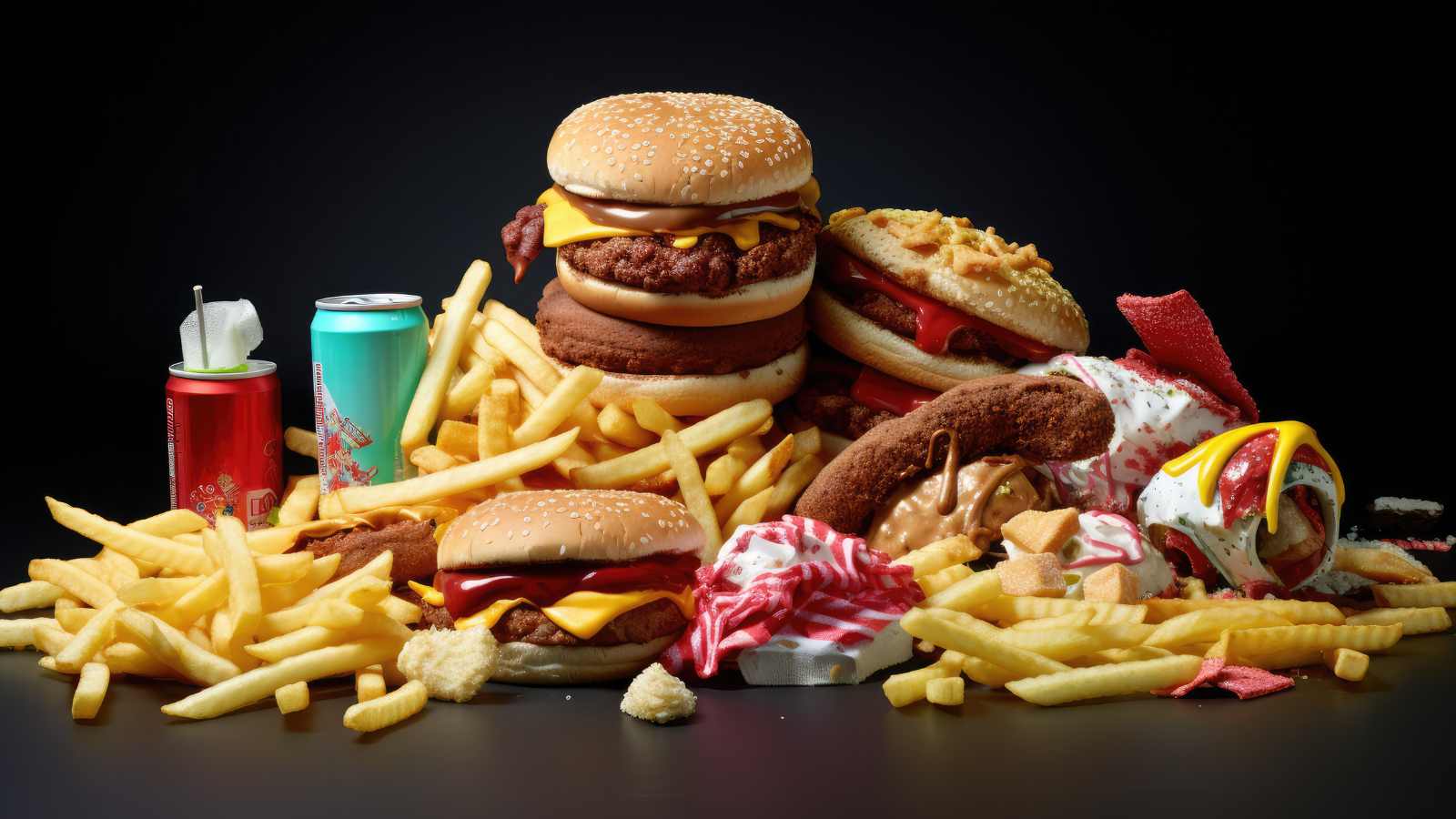
Small individual health risks turn into a massive public health crisis when more than half of a nation’s daily calories come from factory-built foods.
A 4% uptick in mortality risk, or a fraction of a BMI point per 10% shift in calories, might sound minor for one person. Scaled across hundreds of millions of Americans eating 50% to 60% ultra-processed diets, those numbers translate into a nationwide wave of preventable diabetes, heart disease, and early deaths.
Dr. Mozaffarian noted that “our findings can help inform many current policy efforts, such as a national definition of ultra-processed foods, and multiple states’ endeavors to propose and pass laws addressing ultra-processed foods, including warning labels, bans on certain additives, and limits in school meals.” Fixing the food environment means looking past three lines on a nutrition label and scrutinizing how factory food is actually built.
The Smart Eater’s Cheat Sheet
A clean-looking nutrition label with low sugar, low salt, and low fat doesn’t protect the body from the physical and chemical fallout of industrial food manufacturing.
Factory processing shatters natural cell walls, strips away protective bioactives, and introduces additives and packaging chemicals that independently raise the risk of metabolic disease and early death. Cutting back on sugary drinks and processed meats, and swapping packaged items for intact, minimally processed whole foods, remains the smartest play for long-term health.
How should lawmakers and food regulators redesign grocery warning labels when basic sugar, salt, and fat counts fail to capture the hidden dangers of industrial food processing?