

With millions of people held in pretrial detention worldwide, an arrest abroad often means entering a legal system where waiting can become punishment itself.
Being arrested in a foreign country can be a confusing and overwhelming experience, especially when you are unfamiliar with local laws and legal systems. According to the U.S. Department of State, thousands of U.S. citizens are arrested abroad each year, often for offenses that may be treated very differently than they are at home. Even minor misunderstandings can quickly escalate when language barriers and unfamiliar procedures come into play.
What happens next depends heavily on the country you are in, but there are some common patterns travelers should understand. You may face limited access to legal representation, delayed communication with family, and detention conditions that differ significantly from what you expect. Knowing what to expect in advance can help reduce panic and give you a clearer sense of your rights, your options, and the steps you need to take in a difficult situation.
The moment of arrest
The first minutes are often loud. Commands in a language you half understand, phones taken out of your hands, the sudden intimacy of strangers searching your pockets. The ACLU’s “Know Your Rights” materials repeat one small sentence that will matter here, too: you have the right to remain silent, and anything you say can be used against you later.
Abroad, that silence must compete with fear and the urge to explain. Local officers are not obliged to see your fear as a sign of innocence. Their job is procedure. The U.S. State Department notes that foreign police may hold you for hours or longer before you see a lawyer or judge, depending on local rules. In that gap, every word is a kind of currency. Spend it carefully.
When the law stops being familiar
Home taught you certain scripts: ask for a lawyer, expect a phone call, imagine a quick bail hearing. Abroad, those scripts may not exist. The UN Office on Drugs and Crime estimates that more than 3.7 million people worldwide are in pretrial detention, roughly 30 percent of all prisoners. This highlights how slowly some systems can move.
In Southern Asia, UNODC reports that around 64 percent of detainees are unsentenced, up from 54 percent a decade earlier. This statistic helps explain why cases can feel endless there. You do not experience those numbers as data. You experience them as days in a crowded cell, waiting for a hearing that keeps slipping to “next week.”
Your quiet right to a consulate
There is one piece of international law written with you in mind. Article 36 of the Vienna Convention on Consular Relations says that if you are detained abroad, you have the right to have your consulate notified. You can also communicate with consular officials if you request it. The arresting authorities are supposed to tell you about this right “without delay.”
In practice, that reminder may be a mumbled sentence or never mentioned at all. The International Court of Justice, in the LaGrand case, treated Article 36 as creating an individual right to consular access, not just a state‑to‑state courtesy. So one of the most powerful sentences you can say after the cuffs go on is simple: “I want my consulate informed.”
What consuls can and cannot do
A consular officer is not your personal savior, but they are one of the few people in the building whose job explicitly includes you. The UK Foreign, Commonwealth & Development Office says its posts help about 20,000 to 25,000 British nationals and families each year. This includes roughly 5,000 who are detained or arrested abroad. Their staff can visit, relay messages to family, and raise concerns about mistreatment.
The job stops where sovereignty begins. That same FCDO guidance stresses that consular staff cannot get you out of jail, cannot override local courts, and cannot give legal advice. The U.S. State Department uses nearly identical language: embassies can monitor your welfare, provide lists of lawyers, and explain the local system, but they cannot secure special treatment. Help here is practical, not magical.
The long wait before a verdict
Time behaves differently once a cell door closes. You count days. The system counts hearings. UNODC reports that in 2022, there were around 3.5 million people in pretrial detention worldwide, up from 3.1 million in 2012. This shows that detention before trial has quietly become more common, not less.
Regional gaps are stark. In Europe, countries with data averaged about 1.9 prisoners per prison staff member in 2022, while Asian systems averaged almost twice that, with heavier caseloads per officer.
Those ratios translate into how quickly complaints are processed, how often you see a lawyer, and how long your file sits on a crowded desk. In that arithmetic, your greatest asset is patience sharpened into persistence.
The politics you did not vote for
Some arrests have little to do with what happened at the bar or the airport. They have everything to do with geopolitics. The James W. Foley Legacy Foundation has tracked at least 153 Americans wrongfully detained by foreign governments since 2001. It describes the practice as an emerging national security threat.
In response, the U.S. State Department added a “D” indicator to its travel advisories in 2022 to flag countries where wrongful detention by state authorities is a particular risk. It sits alongside warnings about terrorism and crime.
CBS News reported that the “D” label has been applied to countries including Russia, Iran, China, and others, where travelers may be treated less like defendants and more like bargaining chips. When your case becomes political, the courtroom is only one of several stages.
The cell, as geography
Prison is its own kind of foreign country. UNODC’s latest “Prison Matters” release estimates that global prison populations reached about 11.7 million people in 2023. It also notes that more than 60 percent of reporting countries are running prisons above official capacity. More than one in four countries keep their prisons at over 150 percent capacity, which means crowding is not an exception but a design feature.
You enter this geography as both an outsider and a data point. The same report notes that pretrial detainees make up about 37 percent of prisoners in Africa and Oceania, compared with 19 percent in Europe.
Where you are arrested shapes whether you share a cell with a handful of people or dozens, whether you see daylight for an hour or not at all. The map is moral, but it is also statistical.
Lawyers, language, and the price of clarity
At some point, your freedom becomes a stack of paperwork in a language you cannot fully read. Both the U.S. State Department and the UK FCDO urge detained nationals to hire local lawyers, and they provide lists of attorneys who can work in the traveler’s language. These lawyers explain not only laws but habits: how judges think, what prosecutors bargain for, what “soon” means in that courthouse.
The FCDO guidance quietly warns you to discuss costs early and in detail because legal bills can grow much faster than a traveler’s budget. Some families end up selling property or draining savings to keep a case moving.
Meanwhile, without a lawyer, you are often navigating rules of evidence and plea procedures that do not resemble anything from home. Clarity here is always expensive.
Save this article
When home governments lean in
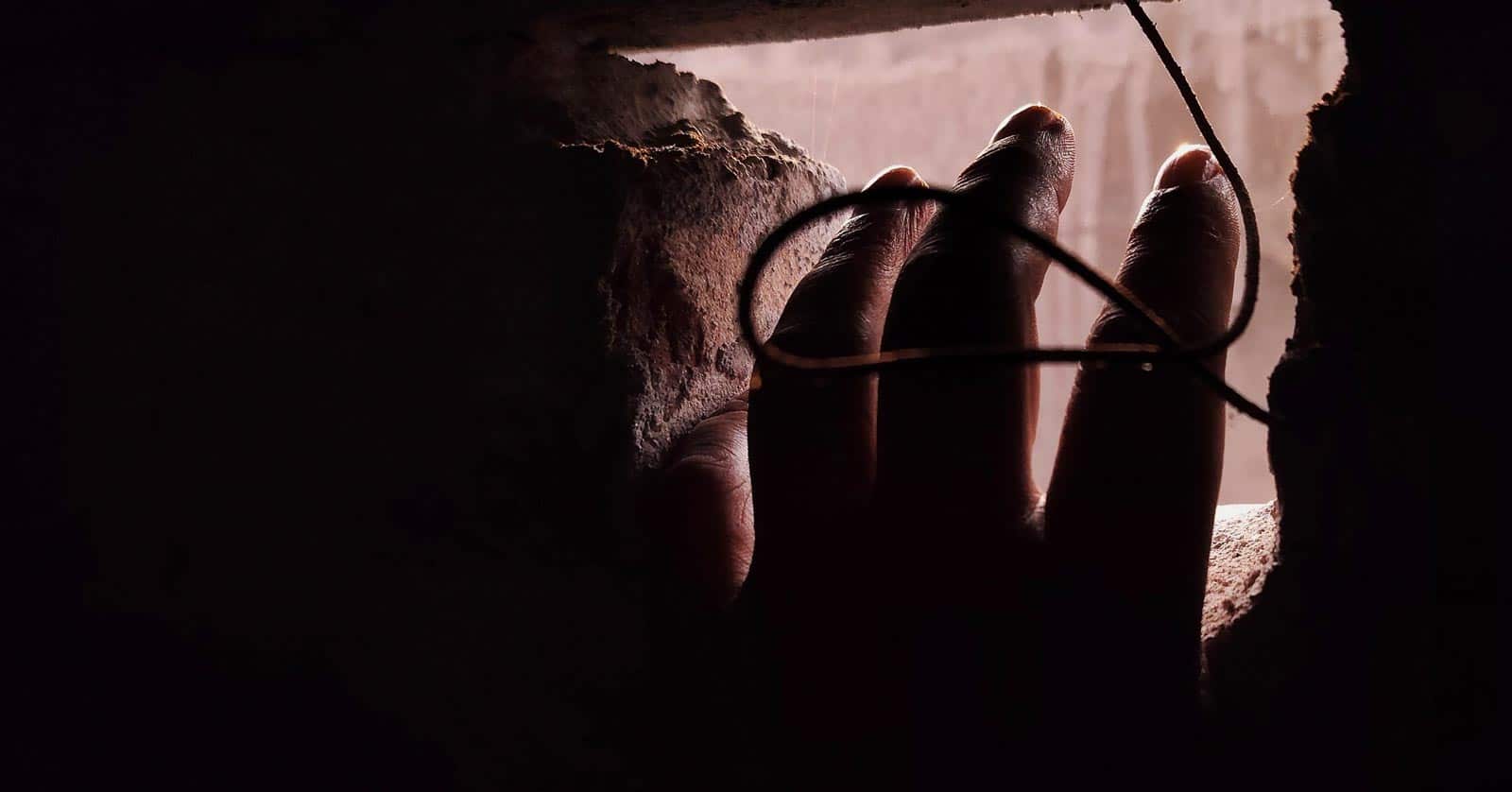
High‑profile cases sometimes pull powerful institutions into your orbit. CBS News reported that 21 U.S. nationals were released from wrongful detention in 2022. According to the James W. Foley Legacy Foundation, this was the highest publicly known total in a single year. Those releases came after years of quiet negotiation, prisoner swaps, and public pressure.
The trend grew serious enough that the United States formally declared wrongful detention abroad a national emergency. It later expanded sanctions tools to punish governments that engage in the practice. This included a mechanism to label them “State Sponsors of Wrongful Detention.”
For the person in the cell, that sounds grand and distant. Yet it can be the lever that eventually moves a locked door.
Small rights that matter inside
Inside a foreign cell, rights shrink but do not vanish. ACLU “Know Your Rights” guides stress that detainees have the right to ask for a lawyer, to remain silent, and to request consular notification, even when officers keep talking. The Vienna Convention’s Article 36 adds the right to communicate with consular officials, which can be a lifeline for challenging mistreatment or accessing medical care.
The UK government notes that its consular staff can raise concerns about abuse with local authorities. Where appropriate, they can also support pleas for clemency or early release, especially for minors or in cases of apparent miscarriages of justice.
Those are not courtroom rights in the classic sense. They are pressure points. Used consistently, they can change how you are treated, even if they cannot change the charge on the file.
After the sentence: transfers, clemency, return
Not every foreign sentence is forever. Some countries allow prisoners to transfer home to serve out their time closer to family. The UK FCDO notes that transfers depend on treaties and host‑country consent, and they are measured in months and years, not days. Many applications never succeed, but for some, it is the difference between visits and years of distance.
Clemency is the softer word that sometimes arrives after the hard one: sentence. FCDO guidance says embassies may support clemency or pardon requests once domestic appeals are exhausted. This applies in cases involving minors, compelling compassionate grounds, or apparent miscarriages of justice.
The U.S. State Department, in its wrongful‑detention materials, describes a similar last‑resort posture, where diplomacy becomes the final stage of appeal. Mercy, here is a process, not a mood.
The quiet work of staying out of the story
Most people will never see the inside of a foreign holding cell. That outcome is not random. The UK government tells travelers to research local laws on drugs, alcohol, and public behavior before departure, because “simple” offenses at home may be serious crimes elsewhere. Insurance and travel advisory sites echo this, advising travelers to read arrest‑and‑detention sections of official guidance before they pack.
The UN World Tourism Organization estimated that international tourist arrivals were projected to reach around 1.3 billion in 2023, almost back to pre‑pandemic levels. In that sea of movement, the line between tourist and defendant can be a single choice: a substance carried, a crowd joined, a law skimmed instead of read. The most powerful right you have abroad is exercised before your passport is even stamped.
More articles:
- Live alone? These 10 safety tips could save your life
- 10 common 1960s food-handling habits that break today’s safety rules
- 7 expiration date myths that food safety specialists say are misleading
- 13 Hidden Cruise Risks Most Travelers Don’t Realize Until It’s Too Late
Disclosure: This article was developed with the assistance of AI and was subsequently reviewed, revised, and approved by our editorial team.
Like our content? Follow us on Newsbreak.
8 financial mistakes travelers should avoid in Mexico

Traveling through Mexico can feel effortless, from booking boutique hotels to paying for street tacos on the go. Yet money mistakes can quietly turn a dream trip into an expensive lesson. Many travelers focus on flights and itineraries but overlook everyday financial decisions that shape their budget once they arrive. Exchange rates, payment methods, and local banking norms differ from those at home, and misunderstandings can drain funds faster than expected.
The stakes are higher than most people realize. According to data from the Consumer Financial Protection Bureau, international travelers can lose money on each transaction. Losses typically range from 3 to 10 percent when foreign transaction fees, poor exchange rates, and ATM charges are combined. Learn more.
10 travel scams targeting tourists

Vacations are supposed to be carefree, but a single clever scam can empty your wallet faster than any overpriced souvenir.
Planning a vacation is usually the highlight of the year, but falling for a scheme can ruin the fun before it even starts. Scammers are getting smarter and using advanced technology to trick even the most experienced globetrotters into handing over their hard-earned cash. You need to stay alert because these criminals often target distracted visitors who are just trying to relax. Learn more.
12 Surprising (and often hidden) Household Hazards That Could Harm Your Health, Safety, or Pets

You know that feeling of relief when you get home and finally relax? It’s your safe, cozy space. But some everyday household items could quietly be putting your health, safety, or pets at risk.
No need to bubble-wrap your life—just a little awareness goes a long way. From hidden fire hazards and toxic gases to common kitchen tools that can harm birds, here are 12 hidden dangers that might be lurking in your home—and what to do about them. Peace of mind starts here. Learn more.





