

Honey carries a wholesome reputation, so it often surprises people to learn that it is not suitable for everyone. Honey can add flavor and antioxidants to a diet, but it is still a concentrated sugar that interacts differently with certain bodies, ages, and health conditions. For some people, what seems like a natural upgrade can quietly increase risk rather than reduce it.
The US Centers for Disease Control and Prevention advises that infants under 12 months should never consume honey. This is due to the risk of infant botulism, a rare but serious illness caused by bacterial spores.
Beyond infancy, people with diabetes, blood sugar concerns, or specific digestive conditions may need to limit or avoid honey altogether. This can be true even when honey feels like the healthier choice.
Infants Under 12 Months

Few nutrition rules are as firm as this one. The CDC, the American Academy of Pediatrics, Health Canada, and the Cleveland Clinic all state the same advice in near-identical language: infants under 12 months should never be given honey in any form. Not mixed into food, not diluted in water, not dabbed on pacifiers.
The reason is microbiological, not nutritional. Honey can contain spores of Clostridium botulinum. In adults, a mature gut microbiome prevents those spores from germinating. In infants, the gut is not yet equipped for that defense. The spores can grow, produce a potent neurotoxin, and cause infant botulism, a rare but serious illness marked by muscle weakness, poor feeding, and breathing difficulties.
People With Diabetes or Prediabetes
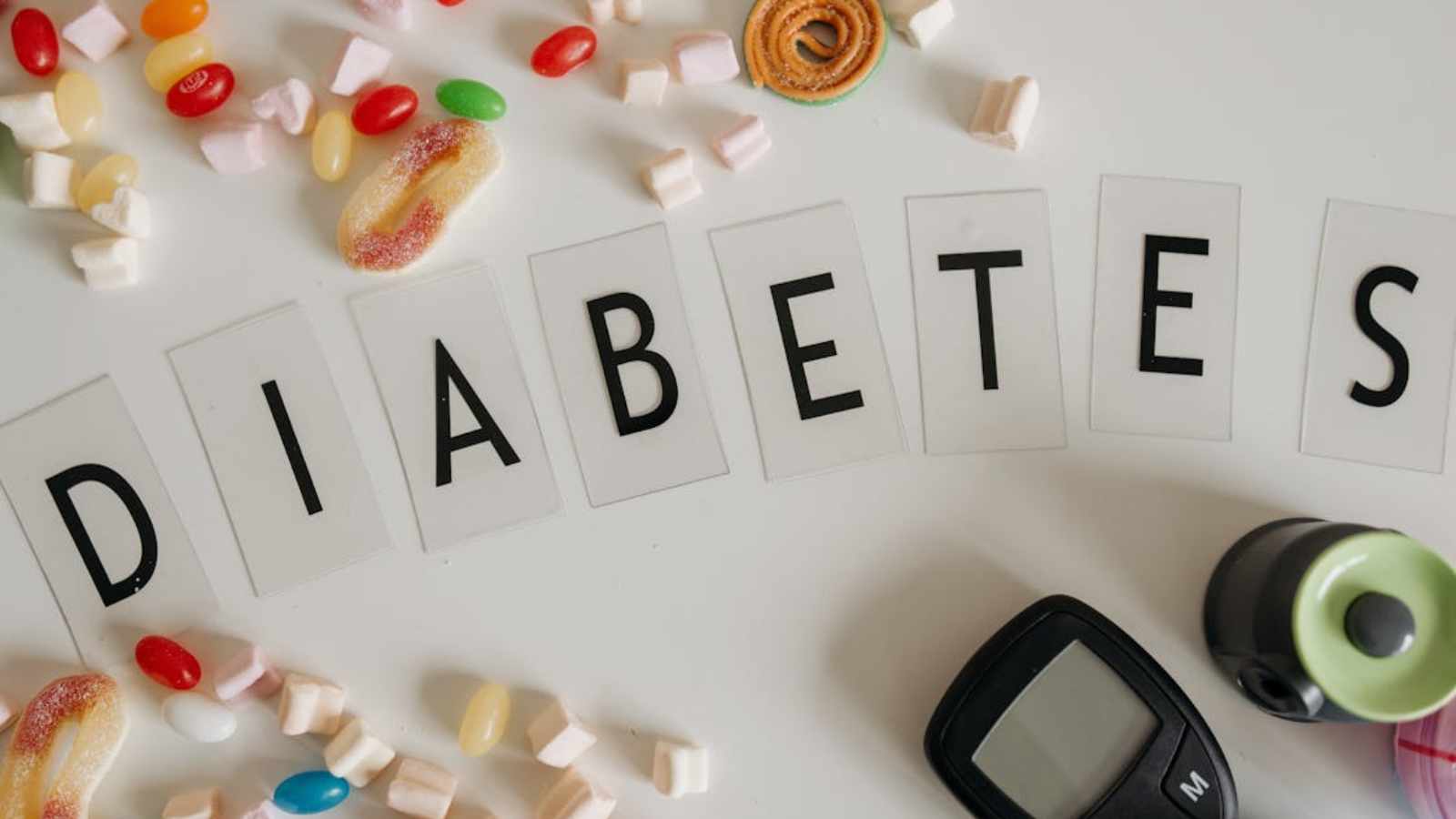
Honey’s reputation improves once you leave the nursery, but it does not become metabolically neutral. Chemically, honey is still sugar, mostly fructose and glucose. Reviews published in journals indexed by the National Institutes of Health describe its glycemic index as moderate on average, often around 50 to 60, slightly lower than white sugar but far from trivial.
Honey causes a smaller postprandial glucose spike than pure glucose or sucrose. A widely cited Diabetes Care trial found this effect in both healthy individuals and people with insulin-dependent diabetes. But lower does not mean low. Blood sugar still rises.
More recent clinical data complicate the narrative further. A trial published in The Journal of Medicinal Food followed people with type 2 diabetes who consumed about 50 grams of honey per day. After several weeks, fasting glucose did not change significantly, but HbA1c worsened, signaling poorer long-term glucose control.
People With Obesity, Metabolic Syndrome, or Trying to Lose Weight

One tablespoon of honey contains roughly 64 calories, almost all from simple sugars. That number is not controversial. What is under discussed is how easily honey slips past internal calorie accounting.
Honey may modestly improve lipid profiles or inflammatory markers under tightly controlled conditions. Those effects do not override basic energy balance for people already struggling with weight or insulin resistance.
Several reviews warn that if honey is used at all, strict timing and portion control are essential, especially for people at risk of obesity, cardiovascular disease, or diabetes. The sweetness may be natural. The calories are not optional.
People With Known Pollen, Bee-Product, or Honey Allergy

Honey allergy sits at the edge of awareness, partly because it is uncommon. But case reports have accumulated steadily in allergy journals. Reactions range from oral itching to full anaphylaxis, often linked to pollen proteins or bee-derived components that survive in honey.
A striking pediatric case published in the National Library of Medicine described a five-year-old boy who developed anaphylaxis after eating artisanal honey. Testing suggested sensitization to Compositae pollen, common in weeds. Notably, the child tolerated commercial, heavily filtered honey but reacted to unfiltered local honey, which contained higher pollen loads.
Adult cases echo the pattern. Reports in Allergologia et Immunopathologia and The Journal of Investigational Allergology and Clinical Immunology describe severe, recurrent reactions triggered by honey, bee pollen, or royal jelly. For sensitized individuals, “raw” and “local” can mean higher risk rather than higher health value.
People With Severe Seasonal Allergies Considering “Local Honey Therapy”

Save this article
The idea that eating local honey can desensitize seasonal allergies is widely circulated. Controlled trials, however, have not supported it. Reviews in allergy journals consistently describe the evidence as mixed or negative.
The pollens that cause hay fever are airborne, not the same pollens present in honey. For patients sensitized to ragweed, mugwort, or related weeds, unprocessed honey containing those pollens may provoke symptoms rather than relieve them. In rare cases, it may trigger anaphylaxis. Increasingly, specialists frame honey not as folk immunotherapy, but as a potential allergen.
People on Strict Low-FODMAP or Gastrointestinal Diets

Honey is high in free fructose, which places it firmly on the high FODMAP list used to manage irritable bowel syndrome. Reviews in gastroenterology and nutrition journals note that for people with fructose malabsorption, honey can worsen bloating, gas, and abdominal pain.
The irony is that many people reach for honey believing it to be gentler than artificial sweeteners or table sugar. For IBS patients, it can be the opposite, a stealth trigger hiding in tea, yogurt, or “healthy” desserts.
People With Poor Blood Lipids or Cardiovascular Risk

Healthline suggests that replacing refined sugar with honey gram for gram may modestly improve triglycerides and LDL cholesterol. Others report small reductions in inflammatory markers such as C-reactive protein. These findings are reported in several small human studies and summarized in metabolic reviews.
But the same literature stresses dose control. The type 2 diabetes trial that used 50 grams of honey per day found worsened HbA1c without meaningful weight loss, a concerning tradeoff for people already at high cardiometabolic risk. Cardiologists increasingly emphasize that total added sugar remains the key variable, regardless of whether it comes from cane or honey.
People With Uncontrolled Tooth Decay or High Cavity Risk

From a dental perspective, honey behaves like other sugars. Oral bacteria metabolize it into acids that demineralize enamel. Its viscosity allows it to cling to teeth, prolonging exposure, particularly when used in lozenges or taken before bed.
Dental nutrition guidance consistently pushes back against the idea that natural sugars do not “count.” Frequent exposure matters more than the source, and honey falls squarely into the cariogenic category when used often.
People Following Very Low-Carb or Keto Diets

One tablespoon of honey contains roughly 15 to 17 grams of carbohydrate. Strict ketogenic diets typically allow 20 to 30 grams of net carbs per day. The math leaves little room for honey.
Despite this, honey is often promoted in “clean keto” or paleo adjacent spaces as a permissible sweetener. Dietitians working in low-carb clinics tend to advise avoiding it entirely during strict phases, or reserving it for more liberal maintenance periods. Ketosis, unlike marketing, is unforgiving.
People With Certain Medical Conditions or on Specific Medications

Honey has fewer direct drug interactions than grapefruit or St. John’s wort. Still, clinicians caution patients with brittle diabetes, significant liver disease, or severe obesity against regular, high-dose intake. In hospital settings where tight glucose control is required, honey is treated like any other simple sugar and often restricted.
This is the quiet category of people who fall into the “ask your doctor first” group, not because honey is toxic, but because metabolic margins are already thin.
Disclaimer – This list is solely the author’s opinion based on research and publicly available information. It is not intended to be professional advice.
Like our content? Be sure to follow us





