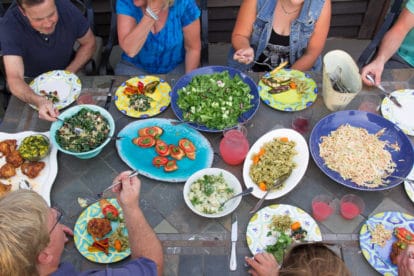

Across cultures and generations, pie persists as a default gesture of care precisely because it communicates presence without demanding language.
There are some foods that announce themselves loudly. They arrive frosted, stacked, piped, decorated, photographed. They want applause. They want a reaction. They are designed to be admired before they are eaten.
Pie is not one of those foods.
Pie does not enter a room expecting praise. It is usually carried in with two hands, sometimes still warm, sometimes sweating slightly under foil. It is heavy. It requires a plate. It does not perform. It waits.
For most people, pie is not something they remember for how it looked. It is something they remember for when it appeared. That distinction matters more than we admit.
National Pie Day sounds like a novelty food holiday, the kind of thing that gets a cheerful mention and a stock photo. But pie itself has never been about novelty. It survives because it shows up when people do not know what else to do. When language feels inadequate. When celebration feels complicated. When grief and joy sit in the same room and no one knows which one should speak first.
Pie is what people bring when words fail them.
The Summers That Always Included Blueberry Pie
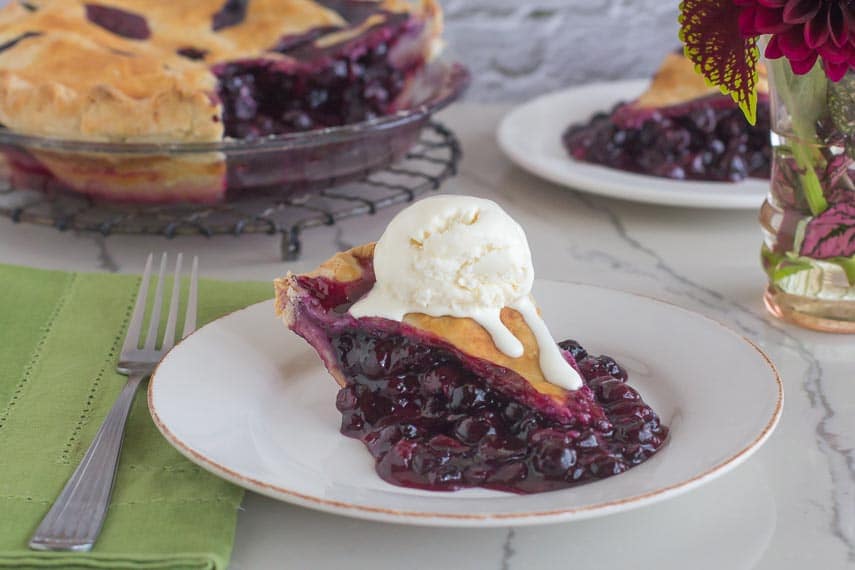
Every family has a food that anchors memory, but not all foods do it quietly. For me, that food was my Nana’s blueberry pie.
It appeared every summer without announcement. There was no ceremonial baking day, no dramatic unveiling. It simply existed as part of the season, as reliable as the heat and the sound of cicadas. Blueberries stained fingers. Juice bubbled over. The crust was never pristine, and no one expected it to be.
That pie was not a statement. It was reassurance.
Summer was still here. Someone had noticed the berries were ripe. Someone had taken the time to turn them into something that would be shared. Even when everything else in life felt unsettled, that pie arrived right on schedule.
What I did not understand then, but understand deeply now, is that the power of that pie had nothing to do with dessert. It had everything to do with presence. It meant someone was paying attention. Someone was participating in the season rather than rushing through it. Someone had decided that this moment, this gathering, this group of people deserved effort.
Pie has always done that work quietly.
Pie Rarely Belongs to Pure Celebration
Cake is celebratory by design. It marks milestones. It expects candles. It is built for moments when joy is uncomplicated and public. Pie lives elsewhere.
Pie shows up at funerals and wakes, when people stand in kitchens not quite knowing what to do with their hands. It appears after hospital visits, when exhaustion has replaced appetite but something warm still feels necessary. It arrives at family gatherings where history hums under the surface and conversation moves carefully around it.
Pie belongs to moments that are layered.
It is brought when someone has died and no words feel sufficient. It is brought when someone is sick and recovery is uncertain. It is brought when families gather out of obligation rather than excitement and still need something to share that does not demand emotional performance.
There is a reason people do not bring elaborate desserts to these moments. They bring pie because pie does not ask to be admired. It asks only to be eaten.
Why Pie Feels Different Than Other Desserts
Part of pie’s power comes from what it refuses to be. Pie is not neat. It cracks. It leaks. It slumps. It rarely slices cleanly. It resists control. Even experienced bakers know that pie has a mind of its own.
That unpredictability makes it unsuitable for perfection culture. You cannot guarantee a flawless result, and that is precisely why it works in human moments that are also imperfect.
Cookies disappear too quickly. They are snacks. They are casual. They do not hold a room. Cake dominates a table. It announces a mood. It dictates the moment.
Pie sits between those extremes. It is substantial without being theatrical. It occupies space without demanding attention. It allows people to approach it on their own terms. In moments when emotions are fragile or mixed, that matters.
What Bringing a Pie Actually Says
When someone brings a pie, they are not saying everything is fine. They are saying, I showed up. They are saying, I did not know what to say, but I wanted to be here. They are saying, I remembered you.
Pie is a gesture of effort without spectacle. It takes time. It takes planning. It requires patience. Even store bought pie still carries the symbolism of fullness and sharing. It says this moment deserves more than convenience.
That is why pie feels sincere even when it is imperfect. Especially when it is imperfect.
Save this article
The Blueberry Pie That Meant Summer Was Still Coming
My Nana’s blueberry pie was never framed as tradition. No one said this is what we do. It simply happened. And that was its power.
Some summers were easier than others. Some years carried more uncertainty. But the pie arrived anyway.
That consistency taught something important without ever naming it. Seasons continue. Care continues. Even when life feels messy or unresolved, someone is still willing to bake a pie.
As a child, I did not analyze that meaning. I absorbed it. As an adult, I recognize it as emotional infrastructure. Pie did not fix anything. It did not explain anything. It simply held space.
That is what people are doing when they bring pie into difficult rooms. They are holding space.
Why Imperfect Food Carries More Meaning
Modern food culture has trained people to associate value with flawlessness. Smooth frosting. Clean edges. Predictable outcomes. Pie rejects that entirely.
The beauty of pie is not in how it looks but in how it behaves. It is honest about the fact that life spills. That things do not always stay contained. That structure and softness have to coexist.
When a pie bubbles over, no one apologizes. When a slice collapses, no one is offended. When juice stains a plate, it becomes part of the experience.
That tolerance for mess mirrors human reality. In moments when emotions are uneven or unresolved, pie feels appropriate because it does not pretend otherwise.
Pie as a Form of Care Across Generations

Many pie recipes live only in memory. They were never written down. They were adjusted by feel. A little more flour. A handful of berries. A sense of when the crust was ready that could not be explained.
When those people are gone, the pies often disappear with them. And yet the memory of those pies remains powerful because they were not just food. They were expressions of care translated into action.
Pie is one of the last foods that still carries that kind of oral tradition widely. It resists standardization. It invites personal interpretation. It allows each baker to leave a quiet imprint.
That generational continuity is part of why pie feels grounding in moments of loss. It connects the present to something older and steadier.
Why People Still Reach for Pie in Hard Moments
In times of uncertainty, people instinctively reach for foods that feel stable. Foods that have endured. Foods that do not need explanation.
Pie fits that role perfectly. It does not chase trends. It does not reinvent itself every season. It does not require justification. It has always been here, doing the same job. When people feel emotionally unmoored, that reliability matters.
Bringing pie is a way of saying this moment fits into a longer human story. Others have stood where you are standing. Others have brought pies into rooms like this before.
You are not alone in this experience, even if it feels isolating.
The Quiet Strength of a Food That Waits
Pie does not need to be celebrated loudly to be meaningful. It does not need a holiday to justify its presence. It will continue to show up where it is needed whether anyone names the day or not.
National Pie Day works best when it is not treated as a joke or a gimmick, but as a reminder of what pie has always done quietly.
It shows up. It holds space. It feeds people when words are insufficient.
That is why people keep bringing pie. And why they always will.
Foolproof All Butter Gluten-Free Pie Crust
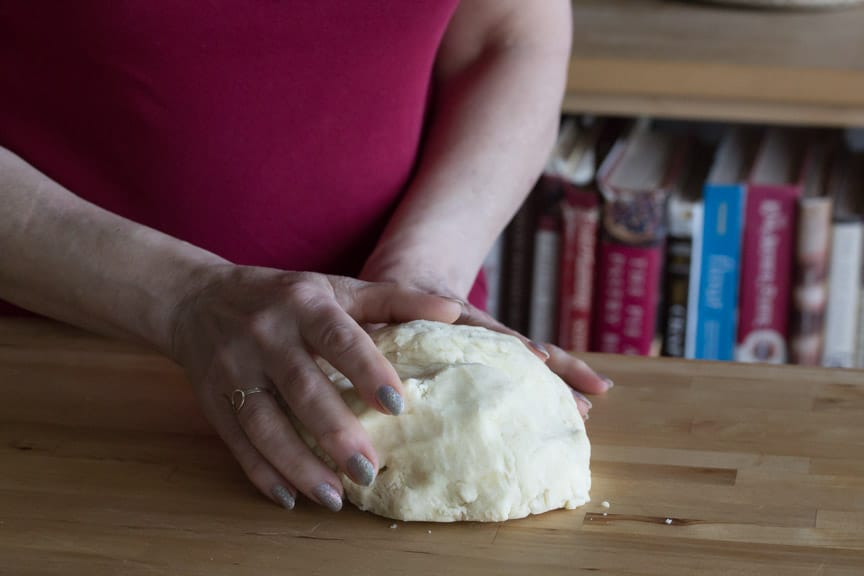
This is our our Foolproof All Butter Pie Gluten-Free Crust for desserts as well as savory dishes like pot pies; simply add the optional sugar if using for a sweet recipe. Making a classic-style pie crust with all butter and gluten-free low flour takes some attention to detail to get the flaky results you’re looking for, but we show you how, step-by-step. Learn more.