With vaccination rates slipping below herd immunity and antibiotic resistance surging by nearly 70%, the U.S. is entering a new era of preventable infectious disease risk.
Remember the time when we thought diseases like measles were under control, relegated to the past? Fast forward to date, and we’re seeing the largest measles outbreak in decades.Over 3,860 measles cases have been reported in just a few months, with 93% of those cases in unimmunized individuals.
What happened to the hope we had of controlling infectious diseases? The comeback is real, and it’s happening right now. With antibiotic-resistant bacteria spreading rapidly in hospitals and vaccine hesitancy growing, the U.S. is seeing a rise in deadly infections that we thought were under control.
As Dr. Danielle A. Rankin, a CDC epidemiologist, explains, “The rise in infections is not just concerning; it signals a breakdown in the public health systems we relied on for protection.”
Measles Is Exploding After Years of Control
The measles surge in the U.S. has been absolutely nothing short of alarming. Between January 2025 and March 2026, over 3,860 measles cases have been reported, a huge increase compared to the year before. And the troubling part? 93% of those affected were either unvaccinated or had unknown vaccination status.
This marks the worst measles outbreak in more than 30 years. Dr. Nancy B. Andrews, an expert in public health epidemiology, points out, “This resurgence of measles is a consequence of vaccine refusal. It’s a preventable crisis that’s quickly growing out of hand.” The future of public health depends on controlling this preventable disease.
Vaccination Rates Are Slipping Below the Herd Immunity Line
Steady vaccination coverage is declining. In 2025, MMR coverage dropped from 93.9% pre-pandemic to 91.3% post-pandemic; further below the 95% needed to stop measles. According to a JAMA study, 78% of U.S. counties saw declining rates.
Dr. Emily G. Stone, a child health expert, explains, “As rates fall, more children and vulnerable individuals are at risk, and outbreaks occur in low-coverage areas.” Without urgent action, measles will only spread more rapidly.
Misinforming Changing Vaccine Attitudes
The anti-vaccine movement is gaining momentum, fueled by misinformation and distrust in the system. A 2025 CDC report highlighted how misinformation campaigns have contributed considerably to the current measles outbreaks.
False information is being disseminated more quickly than scientific evidence can counter it. Misinformation has created a perfect storm for vaccine refusal, and there is a price to be paid. This isn’t just a fight against disease; it’s a fight for public trust in science. The erosion of trust in vaccines has made it harder to achieve the herd immunity required to prevent widespread outbreaks.
More articles for you:
- Shingles Vaccination May Be Protective Against Dementia
- Doctors reveal the 5 vaccines no adult should skip
- 12 Daily Habits That Quietly Add Years to Your Life After 50
“Vaccine Hesitancy” Is Now a Structural Risk Facto
The U.S. is now facing a crisis of vaccine hesitancy, which has become a major factor in the resurgence of infectious diseases. A 2025 analysis found that 86% of measles patients with known vaccination status were unvaccinated.
As Dr. Rachel Feinstein from Harvard University observes, “Vaccine hesitancy is no longer simply a matter of individual choice; it’s a structural risk. Unvaccinated populations are putting everyone at risk, especially newborns and the elderly.” As hesitancy spreads, more people become vulnerable, and public health efforts are undermined.
Variants and Local Transmission Are Rising
Measles outbreaks are no longer imported; they’re homegrown. In 2025, 87% of measles cases were linked to local outbreaks, a sharp rise from the typical pattern of imported cases. The local transmission signals a growing problem with sustained outbreaks within the country.
Measles is no longer just a disease brought in from overseas; it’s now a domestic issue, and we’re seeing a disturbing rise in cases. Without extensive vaccination, these outbreaks will continue to affect communities across the nation.
Hospital Systems Are Undercounted Pressure
Hospital systems are overextended. In 2025, 11-13% of measles cases required hospitalization, with children under 5 suffering the most. The rise in measles cases is putting additional pressure on already overwhelmed healthcare facilities.
Every measles case that ends up in the hospital adds strain to an already fragile system. Hospitals are at capacity, and there is a rising pressure on pediatric units, especially in underserved areas. The healthcare system is struggling to cope with multiple infectious disease outbreaks, and this only adds to the burden.
“Nightmare Bacteria” Are Spreading Rapidly in Hospitals
As if measles weren’t enough, the rise of antibiotic-resistant bacteria is a silent but deadly threat. From 2019-2023, carbapenem-resistant Enterobacterales (CRE) infections increased by 69%, with NDM-CRE incidence rising by 461%.
Save this article
These bacteria are resistant to almost all antibiotics and pose a significant challenge to the medical community. The increase of these bacteria is pushing hospitals into crisis mode, as they fight communicable diseases and resistant pathogens simultaneously.
The Pandemic Set Back Antibiotic-Resistance Fight
The pandemic set back our attempts to combat antibiotic resistance. A 2021-2022 CDC report found that 6 key hospital-onset infections rose by 20% during the pandemic.
Contributors such as overworked healthcare staff, inappropriate antibiotic use, and longer hospital stays created the perfect conditions for resistant bacteria to thrive. These disruptions have deepened the resistance problem, making infections more difficult to treat.
Children Are on the Front Lines of the Measles Surge
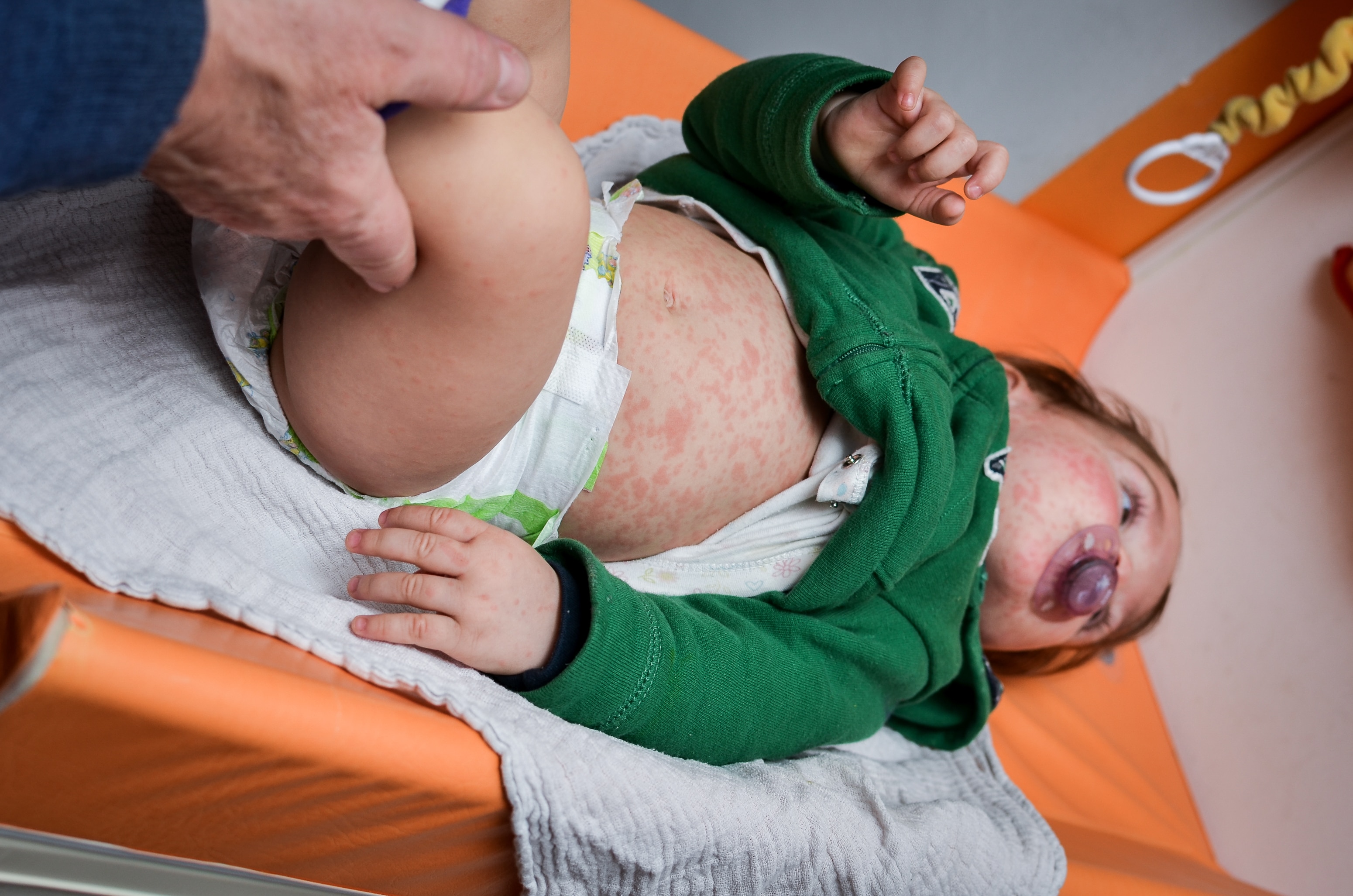
Children have been hit hardest by the resurgence of measles. In 2025, 69% of measles cases were in children under 20 years old, with 31% in those under 5. The hospitalization rate is also highest for children under 5, making them the most vulnerable.
Children are always the most vulnerable, and they bear the brunt of these outbreaks. The more unvaccinated children there are, the more likely we are to see tragic outcomes. This group is not only facing a rising number of infections but also experiencing the brunt of hospitalizations.
Public Health Infrastructure Is Overextended
The resurgence of infectious diseases has overburdened our public health infrastructure. A 2025 report shows that 120 measles-related deaths were reported, and the system was already under pressure from other infectious disease outbreaks.
The strain on public health departments is blocking effective responses to emerging threats, leaving at-risk populations vulnerable.
Disparities in Vaccination Are Fueling Hotspots
Certain states, especially in the Southwest, are seeing far lower 0, making them hotspots for measles outbreaks. States like Texas and New Mexico have seen vaccination rates dip as low as 70%.
The disparities in vaccination rates are directly tied to socio-economic factors, including access to healthcare and education. The gaps in vaccination are creating communities ripe for outbreaks. As vaccination rates plummet in these areas, measles continues to spread with devastating effects.
Behavioral and Legislative Shifts Are Making Things Worse
The pandemic has had long-lasting effects on public health policy and individual behaviors. A 2025 Johns Hopkins study found that the U.S. MMR vaccination rate has slipped to 91.3%, far below the 95% needed for herd immunity.
The current trends in vaccination rates are concerning. We are moving away from the 95% threshold, and the risk to public health is growing. These behavioral policy modifications have made managing outbreaks harder, and it will take significant effort to reverse this trend.
Key Takeaways
- Measles cases are surging in the U.S., with 3,860 cases reported between January 2025 and March 2026.
- Vaccine hesitancy is driving the resurgence, with 86% of measles patients unvaccinated.
- Antibiotic-resistant bacteria are spreading rapidly, with CRE infections up by 69% from 2019 to 2023.
- Children under 5 are most affected by these outbreaks, accounting for 69% of measles cases.
- The public health infrastructure is overextended, making it harder to react effectively to these resurgent diseases.
Disclosure: This article was developed with the assistance of AI and was subsequently reviewed, revised, and approved by our editorial team.
Like our content? Follow us on Newsbreak.
12 outdated trends that will fade away with the baby boomers

Research from the Benton Institute shows that about half of Americans 65 and older still keep a landline at home, while younger adults are overwhelmingly wireless-only, meaning many boomer-era habits are on borrowed time. Read more.