

Restaurant menus are shedding familiar items at record speed as chains quietly overhaul offerings to survive rising costs and operational pressure.
Your favorite menu item may already be gone, and you just have not tried to order it yet. That is how restaurant cuts happen now: quietly, fast, and with almost no warning. In an industry expected to hit $1.5 trillion in sales and employ 15.9 million people in 2025, chains are under pressure. They need to trim waste, speed up kitchens, and make every item prove its value.
Panera’s 2024 overhaul brought more than 20 menu changes. It included 9 new items and 12 upgraded classics. Taco Bell reshaped its menu around a 10-item value lineup priced at $3 or less. These were not loud goodbyes. They were quite edited.
That is why so many diners do not notice the change until the habit kicks in. Panera’s overhaul arrived on April 4, 2024. Taco Bell landed on January 11, 2024. Krispy Kreme doughnuts were expected to reach nearly 14,000 McDonald’s restaurants by the end of 2026. But the rollout stopped at about 2,400 before the partnership ended in July 2025. One day, the item is there. The next day, the screen looks different, the cashier hesitates, and the menu moves on without it.
“Crisis Drinks” With Safety Backlash
Some menu items vanish not because they taste bad or sell badly, but because the risk becomes too great. In 2024, Panera pulled its Charged Sips line; including the Charged Lemonade, after at least two wrongful-death lawsuits claimed links to severe health outcomes.
The Associated Press reported the drinks contained 155 to 302 milligrams of caffeine, a surprising amount for something many saw as just flavored lemonade. Reuters reported Panera would phase out the line for new drinks with less sugar and caffeine.
Such retreats say a lot about modern menus: once a product attracts legal attention, chains don’t wait for nostalgia to set in. They move quickly, remove the item, and hope its replacement draws less controversy.
Experimental “Hybrid” Items
Hybrid menu items often arrive with swagger and leave with a shrug. Panera’s February 2024 press release promoted more than 20 menu updates and a return to core categories. Restaurant News Network later reported that flatbreads were among the items confirmed for removal as the chain streamlined its menu.
In the same report, Panera COO Debbie Roberts described the overhaul as the start of “Panera’s new era.” The brand was returning to its roots in salads and sandwiches. That line explains the whole mood. Flatbread pizzas had been introduced in 2019 as Panera pushed harder into dinner. By 2024, the brand had decided that soups, salads, sandwiches, and mac and cheese were a safer center of gravity.
The lesson is simple and a little brutal. Experimental items can get attention, but core identity usually wins the long game. This is especially true when kitchens are being asked to do more with fewer moving parts.
Limited-Time Burger Variants That Didn’t Sell
Limited-time burgers live on borrowed time, and some of them never earn a second season. Wendy’s launched the Loaded Nacho Cheeseburger, a chicken version, and Queso Fries in August 2023 as part of a football-season push, dressing them in spicy corn, tortilla strips, queso, and a jalapeño cheddar bun.
By spring 2024, food-industry coverage reported the Loaded Nacho items were being pulled, and Wendy’s own current “new menu items” page no longer features them. That is the fast-food version of a brief summer romance, loud entrance, big flavor, short life.
Chains love these items because they create buzz without forcing a permanent commitment. Diners love them too, until they vanish and leave behind only copycat recipes, Reddit grief, and the strange feeling that a menu item can go missing faster than a TV subplot.
Value-Menu Staples That Undercut Margins
Cheap food is good for traffic, but chains still have to survive the math. Taco Bell’s January 2024 value refresh introduced six new items and kept four classics, building a 10-item Cravings Value Menu with everything priced at $3 or less.
To make room, outside coverage and Taco Bell statements confirmed that items like the Chipotle Ranch Grilled Chicken Burrito, Beefy Melt Burrito, Fiesta Veggie Burrito, Chicken Chipotle Melt, and the $5 Classic Combo were pushed out. That move tells a bigger story than the disappearance of one burrito.
Value menus are not museums. They are constantly rebuilt to balance price, portion size, food cost, and speed. A chain can still talk about affordability while quietly cutting the very items regulars saw as dependable. The menu still looks generous from ten feet away. Up close, it has been carefully rebuilt around what the brand thinks it can sell cheaply without giving away too much profit.
“Premium” Upsell Items That Didn’t Convert
Partnerships may look brilliant in a press release and flimsy in a profit-and-loss sheet. McDonald’s and Krispy Kreme announced in March 2024 that doughnuts would roll out across the chain’s U.S. restaurants by the end of 2026, following a pilot at 160 Kentucky locations.
By June 2025, the deal was dead, with the rollout stalled at about 2,400 restaurants out of nearly 14,000 McDonald’s locations. Reuters reported that Krispy Kreme said demand did not fit its cost structure, and McDonald’s U.S. chief marketing and customer experience officer, Alyssa Buetikofer, said, “This needed to be a profitable business model for Krispy Kreme as well.” That is the clearest explanation you will ever get for a quiet menu fade-out.
Premium add-ons sound smart because they guarantee extra spend without changing the core order, but if the supply chain, delivery schedule, or daily demand is off, even a famous doughnut can turn into dead weight before most customers even learn the partnership existed.
Side-Dish Concepts That Confused Diners
Side dishes can be surprisingly risky because they need to fit the brand at a glance. Sweetgreen launched Ripple Fries nationwide on March 4, 2025, selling them as air-fried fries made with just five ingredients and avocado oil across roughly 250 restaurants. Five months later, the fries were gone.
Restaurant Dive reported they would vanish in August 2025 as Sweetgreen wrestled with a 7.6% same-store sales drop, and CEO Jonathan Neman admitted the problem was not customer curiosity yet operational drag, saying, “We studied what it was doing to the restaurant operation … it became a complexifier for us delivering on our core.” That line is worth holding onto.
Ripple Fries were trendy, easy to photograph, and designed to widen the audience. Yet fries at a salad chain still have to clear a tougher bar than fries at a burger chain. If the side dish asks too much of the line, the ovens, or the team, it can disappear even after a decent public reaction.
Cold-Brew at Casual Chains
Beverages look harmless on the menu board, though they can quietly clutter operations behind the counter. Reporting around Panera’s 2024 overhaul said the chain wasn’t merely dropping flatbreads but also walking away from its cold-brew lineup as part of a wider simplification effort.
NRN said employees had described a possible 19% menu reduction in some cafes, and overlapping reports tied that streamlining to cold brews, grain bowls, and certain bakery items. Panera’s own official language on the overhaul focused on improving navigation, enhancing portions, and delivering better value through a tighter core.
That is how specialty coffee lines often die in casual dining. They are nice to have until the brand decides that soups, sandwiches, and standard drinks move faster, train easier, and create fewer bottlenecks at rush hour. Diners notice the sandwich they loved. They often do not notice the cold brew disappearing until summer shows up and the app has already moved on.
Salad Upgrades That Overcomplicated Kitchens
Grain bowls had a strong moment because they looked modern, healthy, and photogenic, and they also asked a lot from prep lines built around simpler rhythms. Panera’s 2024 transformation openly said the brand was refocusing on soups, salads, sandwiches, and mac and cheese, and NRN reported that Mediterranean bowls were among the categories getting the ax as Panera stepped back from some of its post-2019 expansion experiments.
Those bowls were introduced around 2019, the same period that brought flatbread pizzas and other dinner-oriented additions. Five years later, the signal had changed. In a market that rewards speed and consistency, extra grains, separate toppings, and added plating steps can start to look less like menu breadth and more like friction.
Save this article
A bowl may have loyal fans, but if it slows the line for everyone else, the chain can decide that loyalty is too small to save it. That is how “healthy upgrade” items turn into quiet casualties.
More articles for you:
- 10 fish dishes to avoid ordering at restaurants
- 12 cruise dress code rules that spark debate every time
“Cheesy” Items That Hurt Profit Margins
The messiest foods are often the first a chain rethinks. Wendy’s Loaded Nacho Cheeseburger, Loaded Nacho Chicken Sandwich, and Queso Fries were stacked with queso, spicy corn, tortilla strips, sauce, and a specialty bun when they launched in August 2023.
That kind of build is fun for a commercial and less fun in a high-speed kitchen that already has burgers, fries, nuggets, breakfast, and drive-thru timing to worry about. By early 2024, reporting tied the whole loaded-nacho run to the disappearing-act list, and the official Wendy’s “new items” page had already moved on to fresher promotions. You do not need a company memo to see the logic.
Cheese-heavy, sauce-heavy builds eat space, hold time, and labor in ways simple burgers do not. They also raise the risk that an item feels great for the first few bites but is harder to justify on a repeat visit. Loaded food wins attention quickly. It often loses its seat on the menu just as fast.
Sandwiches That Confused the Brand
Sometimes the disappearing item is not bland. It is weak on brand fit. Taco Bell’s January 2024 menu reset did more than add cheaper options. It also cleared away items which had become fuzzy in the lineup, including the Fiesta Veggie Burrito and other burritos tied to the old value setup.
Business Insider reported four items were permanently deleted from the menu, while Taco Bell’s own release pushed the new menu as a cleaner 10-item value story built around satiating, meal-sized choices under $3. That matters because brand clarity has real value in the fast-food industry.
Taco Bell can sell vegetarian items and still feel coherent. But once a product starts feeling like a side quest instead of part of the main story, it is easier to cut than to defend. Diners often read that as random. Operators read it as editing, tightening the script so the brand sounds like itself every time somebody pulls up to the speaker.
Bakery Lines That Weren’t of Higher Traffic
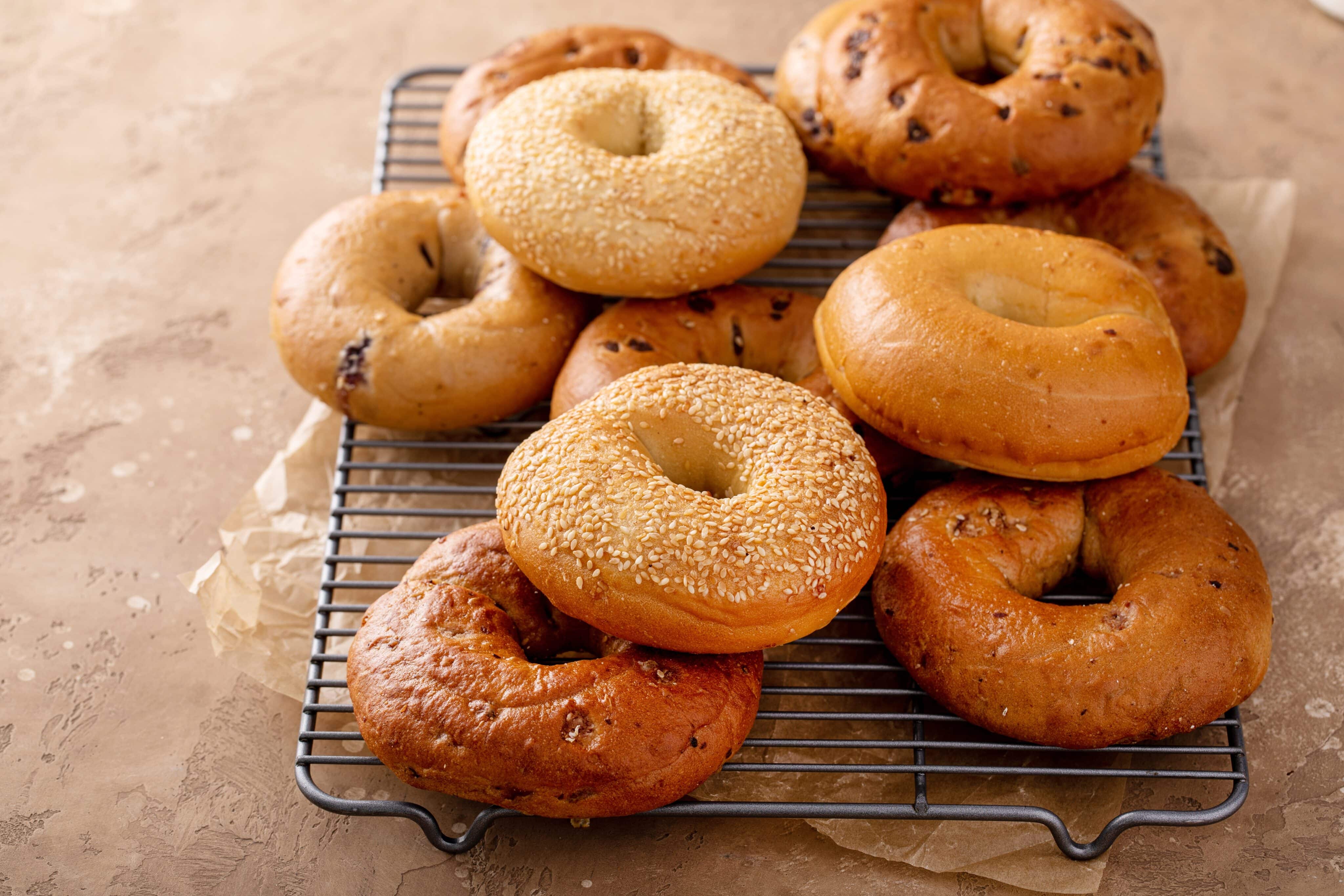
Bakery cases can look full yet still underperform. During Panera’s 2024 overhaul, reports tied the changes to dozens of removals, and NRN later reported that sesame seed and blueberry bagels had indeed been cut during the spring revamp, only to be brought back in July 2024 “by popular demand.” That return tells you two things at once.
First, bakery lines are not sacred just because they feel baked into a chain’s identity. Second, the fact that Panera brought back two bagel flavors so quickly suggests the first pruning cut into real affection but may not have delivered the quiet payoff planners wanted.
Bagels and pastries live in a tough slot. They need to justify ingredients, labor, and case space, and do so at a time when traffic is already fragmented. If they stop driving enough mornings, they get trimmed. If the backlash is loud enough, a few lucky ones make it back from the dead.
Kiosk-First Items That Fizzled
The newest disappearing act happens on screens, not menu boards. Qu’s 2025 State of Digital report found that 40% of restaurant brands said first-party online ordering would drive their highest revenue growth in 2025, and that figure hit 55% for quick-service chains.
Restaurant Business reported in 2026 that 74% of consumers are comfortable ordering and paying through a mobile app, and 68% are comfortable with kiosks. Put those numbers together, and you get a new kind of ghost item, the app special, kiosk bundle, or digital-first test that appears for a month, underperforms, and vanishes with no press release at all.
These items rarely earn a goodbye because they were never built for emotional attachment in the first place. They were built to test throughput, basket size, and operational flow. If they fail those tests, they simply disappear from the screen, and diners are left tapping around, as if they’d half-dreamed the item in the first place.
A short reflective close
Menus have always changed, but the modern version feels more slippery. A restaurant can forecast $1.5 trillion in sales, add new items with flashy photos, and still erase old favorites in the same quarter because labor, shelf space, kitchen flow, and margin pressure are all pulling on the same board.
That is why these disappearances feel so personal and so invisible at once. You are not losing a dish because somebody hates it. You are often losing it because it took one extra pan, one extra sauce bottle, and one extra minute on a line with no spare minutes left. In a business obsessed with speed, the quiet menu death has become its own form of housekeeping.
Key Takeaways
The pattern running through all 12 of these disappearing items is not a mystery; it is menu math. Panera’s 20-plus menu updates in 2024, Taco Bell’s 10-item value reset, Krispy Kreme’s stall at 2,400 McDonald’s restaurants, and Sweetgreen’s decision to kill Ripple Fries after five months all point the same way.
Chains are cutting items that pose legal risk, muddy the brand, slow the line, eat margin, or fail to justify their space. The public story is usually framed as innovation. The private story is often simplified. Diners still feel the loss, though many only notice once the item is gone and the habit has nowhere to land.
For readers, that means the menu board is less permanent than it looks. Items that seem safe, value burritos, cold brew lines, bakery staples, loaded fries, even celebrity-backed doughnut tie-ins, can disappear faster now because chains have better sales data, tighter labor targets, and stronger digital tools for testing what works.
In a market where 40% of brands say first-party online ordering is their biggest growth engine and where consumers have become increasingly comfortable with app- and kiosk-based ordering, the quiet cut may keep getting quieter.
So if your favorite item still exists, enjoy the small miracle of it. Restaurant menus are starting to behave like streaming catalogs, full tonight, edited by morning.
Disclosure: This article was developed with the assistance of AI and was subsequently reviewed, revised, and approved by our editorial team.
Like our content? Follow us on Newsbreak.
Chain restaurants are losing customers because they all feel the same

For younger diners, predictability no longer feels comforting, it feels forgettable.
Identical menus, copy-paste interiors, and generic vibes can’t compete with places that feel unique, local, and worth sharing. With social media shaping where people go next, atmosphere now matters as much as what’s on the plate. Learn more.





