Rivers, the lifelines of civilization, are now among the most endangered ecosystems on Earth, making this year’s World Rivers Day more urgent than ever.
Every year on the fourth Sunday of September, millions of people across the globe pause to celebrate World Rivers Day. What started in 2005 as the vision of Canadian river conservationist Mark Angelo has blossomed into one of the largest environmental celebrations in the world, now recognized in more than 100 countries. It is a day to honor the vital role that rivers play in our lives, to reflect on their cultural and ecological importance, and to call attention to the challenges they face.
Rivers have always been the arteries of civilization. Ancient cities rose along their banks, trade routes were built upon their currents, and entire cultures developed traditions tied to the flow of fresh water. Yet today, many rivers are under siege from pollution, overuse, and climate change. World Rivers Day is not just a celebration of what rivers give us but a reminder that their future, and by extension ours, depends on the choices we make.
Rivers as Lifelines
It is easy to take rivers for granted. Turn on a faucet, water flows, and few of us pause to consider the journey that liquid has taken. Rivers provide drinking water for billions of people, irrigate fields that feed entire nations, and create hydroelectric power that lights our homes. They are also home to an incredible diversity of wildlife. From salmon runs in the Pacific Northwest to crocodiles along the Nile, rivers sustain countless species that in turn support broader ecosystems.
Economically, rivers are central to global commerce. Barges moving along the Mississippi River carry grain that feeds the world, while the Mekong sustains a fishing industry that millions of people in Southeast Asia depend upon. In cities from London to Shanghai, rivers have shaped not only trade but identity, becoming cultural icons as much as natural features.
Threats to the Flow

Despite their importance, rivers are among the most threatened ecosystems on the planet. Industrial waste, agricultural runoff, and untreated sewage poison waterways from the Ganges to the Amazon. Damming and diversions, while providing power and irrigation, have altered natural flows so dramatically that many rivers no longer reach the sea. The Colorado River, once a mighty force carving the Grand Canyon, often dries up before it can touch the Gulf of California.
Climate change compounds these problems. In some regions, prolonged droughts are shrinking rivers to a trickle. In others, violent storms and flooding overwhelm them, carrying pollutants downstream and eroding fragile habitats. A recent global study found that freshwater biodiversity is declining at twice the rate of marine or terrestrial species, underscoring how urgently rivers need protection.
The Human Connection
Rivers are not just resources; they are woven into our stories, our rituals, and our sense of place.The Nile gave rise to ancient Egyptian civilization, while the Ganges remains sacred to millions of Hindus. The Amazon has been called the “lungs of the planet,” its basin not only a source of water but of cultural identity for indigenous communities.
In the United States, rivers like the Hudson and the Cuyahoga have become symbols of both environmental failure and redemption. Once so polluted it literally caught fire in 1969, the Cuyahoga’s cleanup helped spark the modern environmental movement and the creation of the Environmental Protection Agency. These examples show that with political will and public support, rivers can heal.
Be sure to read: How to Celebrate World Rivers Day Without Leaving Your Hometown
A Day of Action and Celebration
World Rivers Day is about both celebration and stewardship. Across the globe, people come together for river cleanups, community festivals, educational events, and recreational outings like canoe trips or river walks. In India, participants release fish into rivers to restock dwindling populations. In Canada, children take part in art contests that depict the beauty and importance of local waterways. In Africa, communities hold parades and music events that blend culture with conservation.
Save this article
These activities may look different from place to place, but they share a common goal: to remind people that rivers are not distant abstractions but vital, living systems in their backyards. Even a small urban stream has value, offering habitats for birds and insects, calming green space for city dwellers, and a chance for children to learn about nature firsthand.
Stories of Revival
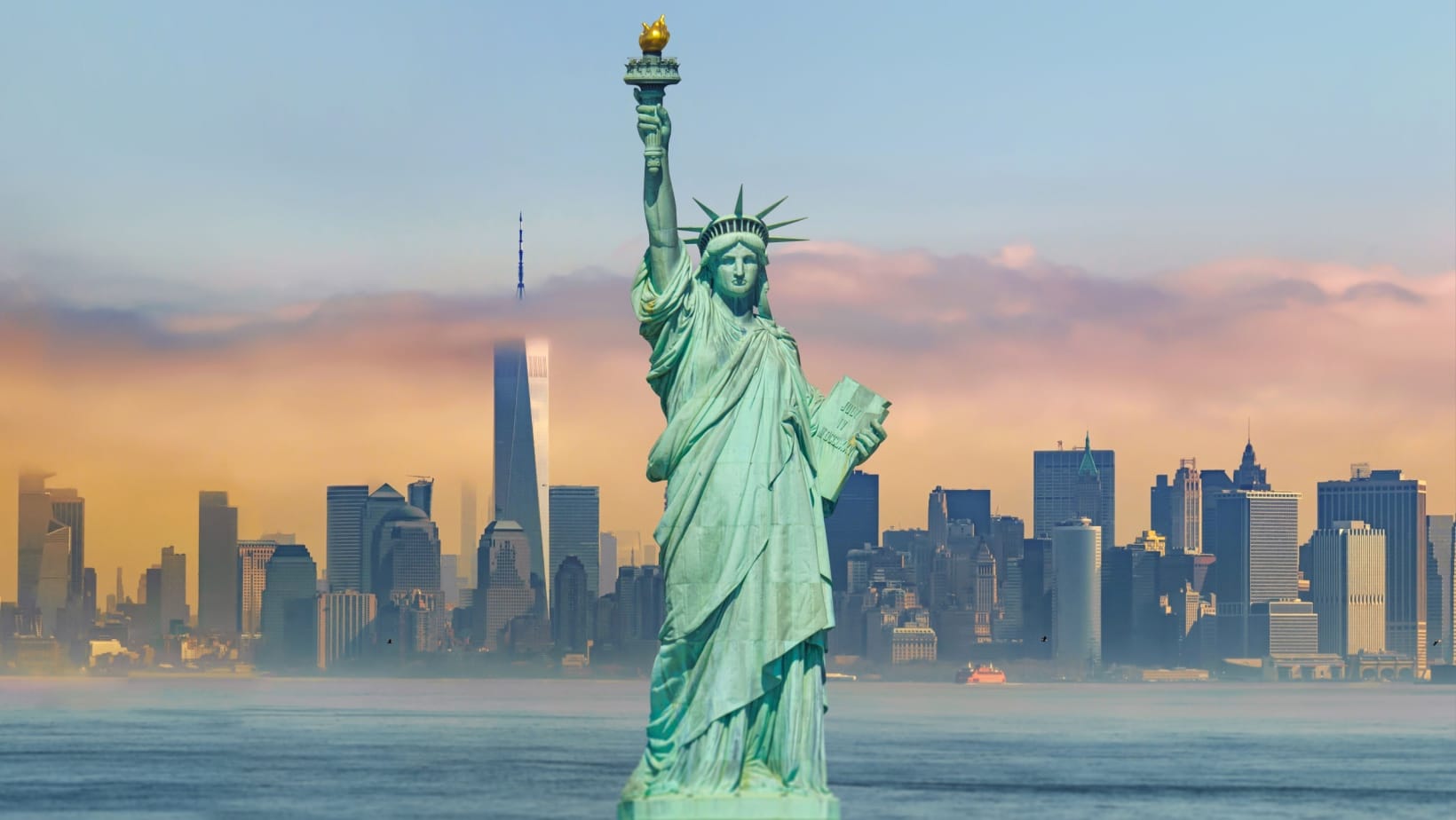
One of the most powerful aspects of World Rivers Day is the chance to highlight success stories.The Thames in London, once declared “biologically dead” in the 1950s, is now home again to seals, seahorses, and over 125 species of fish. In the United States, decades of cleanup and restoration efforts have made the Hudson River a place where bald eagles soar and people swim. In China, renewed conservation efforts along the Yangtze have focused on protecting biodiversity hotspots and reducing industrial pollution.
These stories remind us that while rivers are vulnerable, they are also resilient. Given the chance, they can rebound, often faster than we expect. That resilience should inspire us to act, rather than to give up in despair.
What You Can Do
World Rivers Day may be global, but the most effective actions often start locally. People can volunteer for cleanup events or support organizations dedicated to protecting rivers and wetlands. Even simple changes at home, such as reducing water waste, avoiding harmful lawn chemicals, and properly disposing of pharmaceuticals, can reduce the burden on nearby waterways.
Supporting sustainable businesses and being mindful of how products affect water quality is another powerful step. Choosing biodegradable household cleaners or buying from companies that prioritize clean water initiatives can create ripple effects. Educating children about rivers, whether through books, nature walks, or school projects, ensures that future generations will value and protect these vital systems.
Looking Forward
As World Rivers Day grows each year, its message becomes clearer: rivers are at the heart of our survival, our prosperity, and our identity. They connect continents, sustain civilizations, and provide a mirror of how we treat our planet. If we want to ensure a healthy future, we must ensure healthy rivers.
Mark Angelo once said that rivers are the veins of the Earth. On World Rivers Day, we celebrate that truth and commit to protecting them, not just for ourselves but for generations yet to come. The beauty of a river lies not only in its flowing waters but in the reminder that life, too, must keep moving, adapting, and renewing.