

High above Earth, satellites spin silently in orbit, yet their work echoes through every text you send, every storm forecast, and every journey you take.
World Space Week is not only about astronauts and rockets. It is also about how discoveries beyond our atmosphere affect life here on Earth. From the technology in your smartphone to the food in your pantry, space research and missions have shaped everyday life in surprising ways. Here are ten ways space exploration has left its mark right where you are standing.
1. GPS and Navigation
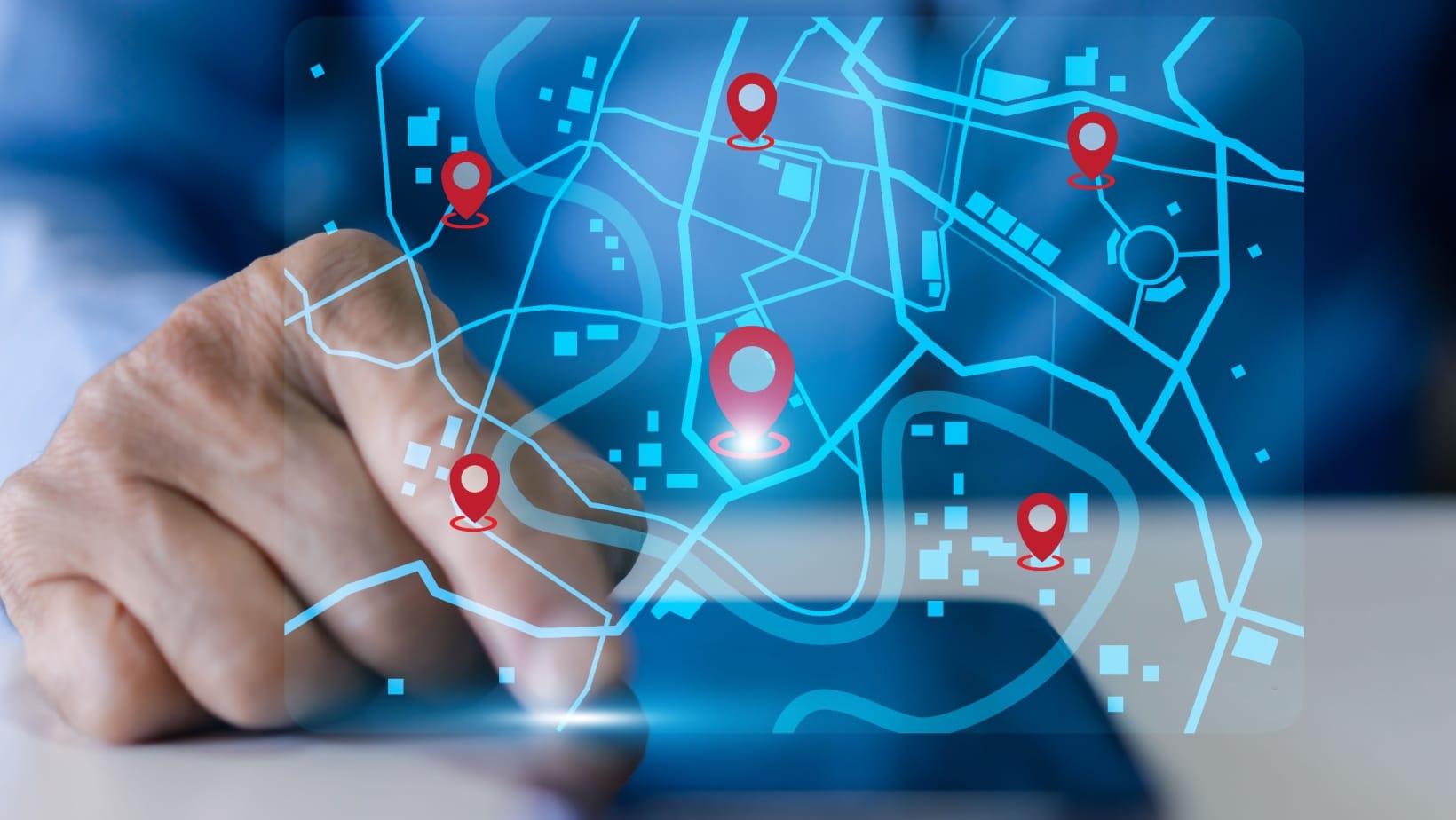
It is almost impossible to imagine modern life without GPS. Whether you are finding a restaurant, tracking a delivery, or navigating a road trip, satellites in orbit guide you with precision. These systems were first developed for military and space applications. Today they keep planes on course, help ships avoid hazards, and even guide farmers who use GPS to plant crops more efficiently.
2. Weather Forecasting and Climate Monitoring

Every time you check the weather app on your phone, you are relying on satellites that watch Earth from space. These satellites track storm systems, measure rainfall, and monitor climate change. They help scientists predict hurricanes, floods, and droughts, saving lives and resources. Without space-based weather data, entire communities would be far more vulnerable to natural disasters.
3. Communications and the Internet

From live television broadcasts to global internet connections, space exploration has revolutionized how we communicate. Satellites make it possible to call across continents, stream live events, and connect rural areas that were once isolated. The global network of communication satellites is one of the most practical and powerful gifts of space technology.
4. Medical Advances

Some of the most important medical innovations began as experiments in space. Astronauts in microgravity experience bone and muscle loss similar to what happens in aging. Studying this has helped doctors develop better treatments for osteoporosis. Imaging technologies used in CAT scans and MRI machines were also influenced by space research. Even robotic surgical tools trace their roots back to NASA projects.
5. Food Preservation and Packaging
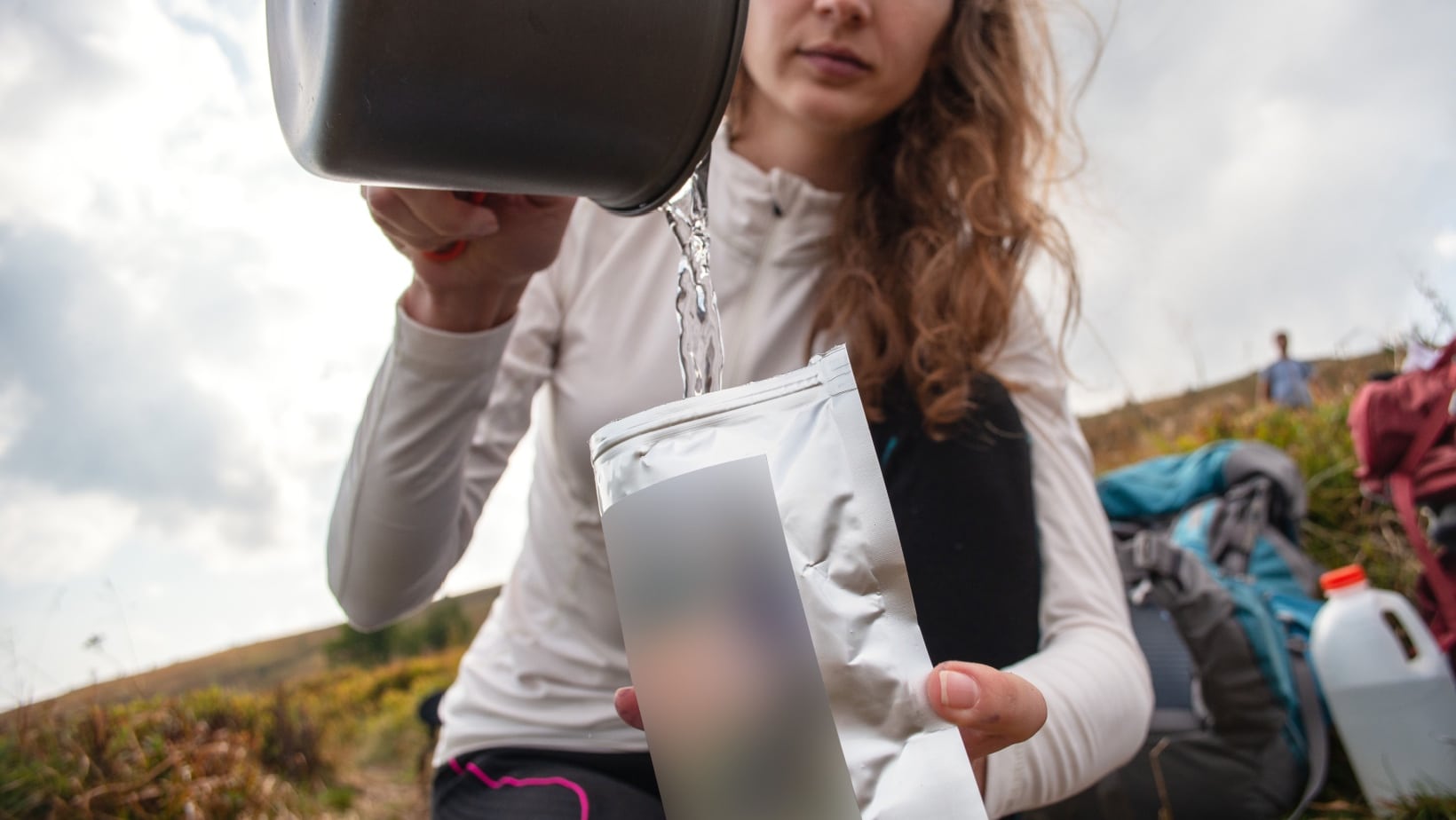
When NASA needed to feed astronauts nutritious meals that would last months in space, it drove innovations in food preservation. Freeze drying became a common method to keep food light, compact, and long lasting. This technology is now used in everything from instant coffee to emergency rations. Packaging that keeps food safe on a long journey has also found its way into supermarkets.
6. Energy and Solar Power

Save this article
Solar panels used to be rare, expensive, and limited. But because spacecraft needed efficient, renewable energy sources, research in solar technology accelerated. Today, rooftop panels provide clean electricity for millions of homes. Advances in lightweight solar cells continue to be inspired by space missions, where every ounce matters.
7. Everyday Products in Your Home

The list of space spinoffs in daily life is longer than most people realize. Memory foam, originally developed to cushion astronauts during takeoff, is now in mattresses around the world. Scratch resistant lenses for eyeglasses were created after NASA worked on helmet visors. Cordless power tools became popular thanks to designs that allowed astronauts to make repairs without dragging heavy cords. These everyday conveniences all trace their roots to space research.
8. Clean Water and Purification Systems

Astronauts aboard spacecraft and the International Space Station need reliable ways to recycle and purify water. The systems developed for them have been adapted for use on Earth. Remote villages and disaster zones now benefit from portable purification units based on space technology. This is a clear example of how solving problems for space can solve problems for humanity too.
9. Disaster Management and Emergency Response

Space exploration has given us satellites that can detect and track natural disasters as they unfold. From wildfires to oil spills, space-based imagery allows governments and aid organizations to respond quickly. These satellites also help monitor infrastructure after disasters, guiding relief workers to where help is needed most. The result is faster, smarter, and more effective emergency response.
10. The Future: New Frontiers for Earth

Looking ahead, space exploration continues to inspire technologies that will change life on Earth. Companies are researching how mining asteroids could supply rare minerals. Planetary defense systems are being studied to protect Earth from asteroid impacts. Green technologies designed for sustainable habitats on Mars may end up improving life in cities here at home. Space exploration is not a distraction from earthly concerns but a partner in solving them.
The Takeaway

World Space Week reminds us that exploration is never only about distant stars. Every rocket launch, telescope image, and astronaut experiment creates ripples that reach back to Earth. From the bed you sleep on to the forecast that tells you to grab an umbrella, space exploration is woven into daily life. It is proof that aiming for the cosmos often helps us thrive on the ground.
World Space Week: 12 Stunning Milestones in Human Space Exploration
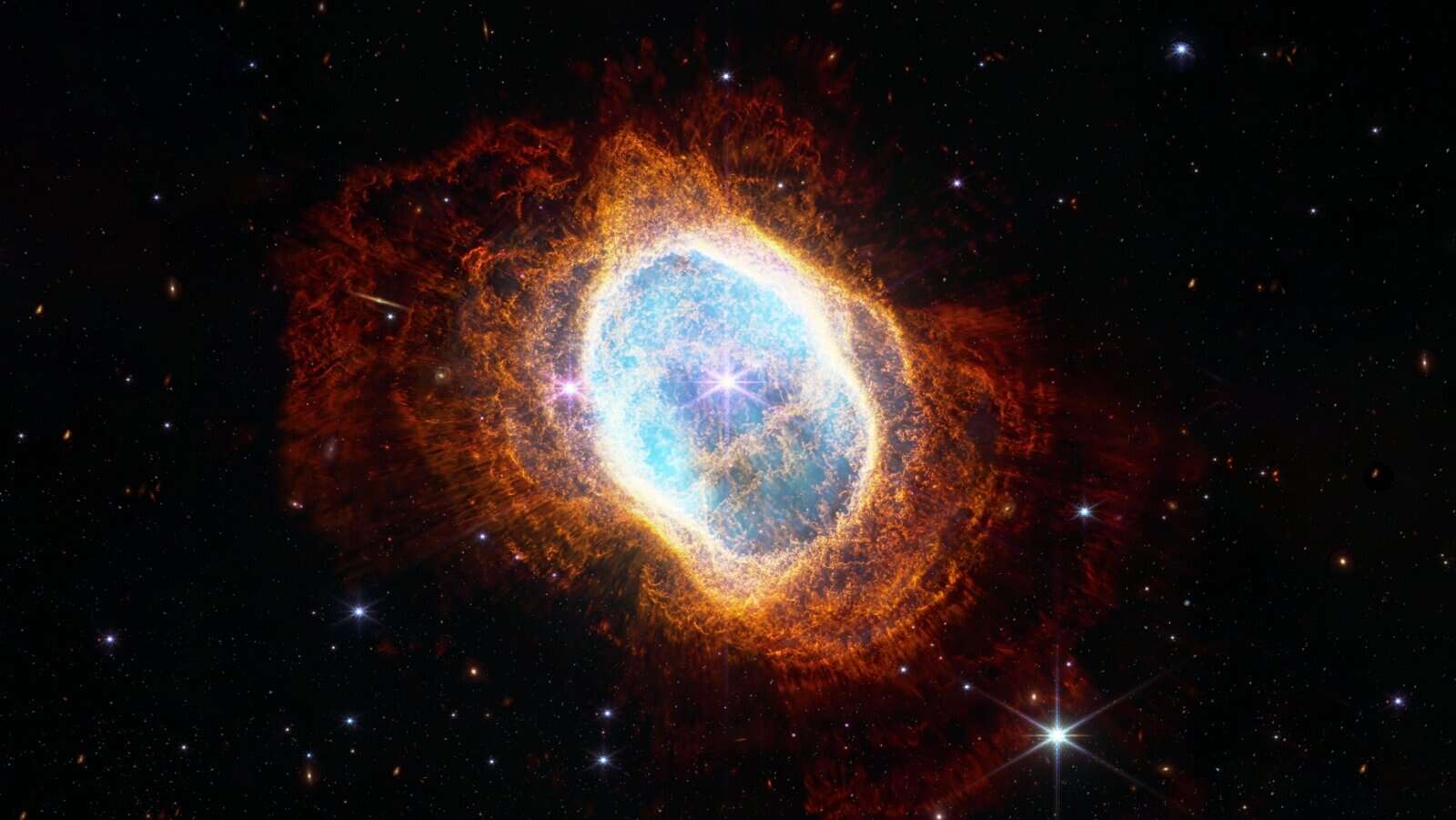
From Sputnik’s first beeps to James Webb’s golden mirrors, World Space Week spotlights the milestones that redefined humanity’s place in the cosmos.
READ: World Space Week: 12 Stunning Milestones in Human Space Exploration





