

Bologna is a staple of the American lunchbox, a nostalgic slice of childhood often tucked between two pieces of white bread. For many, it’s a simple, no-fuss meal. The USDA classifies bologna as a frankfurter, including hot dogs, cooked bratwursts, and knockwurst. It is made from various types of chopped or ground meats that have been seasoned, cooked, or smoked.
But what if this straightforward lunch meat has more nuance than we give it credit for? The difference between a mediocre sandwich and a culinary delight often lies in subtle details of preparation and selection that are easily overlooked.
Using too much oil when cooking

One of the biggest mistakes people make when pan-frying bologna is using too much oil. Bologna naturally contains enough fat to create a beautiful sear on its own. Adding excessive oil not only makes the final product greasy but also dilutes the meat’s natural flavors and adds unnecessary calories.
The solution is surprisingly simple: use a non-stick pan or give it a light spritz of cooking spray instead. This approach allows the bologna’s natural fats to render properly, creating that coveted caramelized exterior while maintaining the perfect texture inside. You’ll be amazed at how much cleaner and more flavorful your bologna tastes without the oil overload.
Buying pre-sliced packaged bologna

Pre-sliced bologna might seem convenient, but it’s a shortcut that sacrifices quality for ease. These thin, uniformly cut slices often lack the robust flavor and satisfying texture of freshly sliced deli bologna. The pre-packaging process can also result in a somewhat artificial mouthfeel that fails to do justice to the quality of bologna.
Head to your local deli counter instead and ask for custom-sliced bologna. You can choose the thickness that works best for your intended use—thicker slices for frying, thinner ones for sandwiches. Freshly sliced bologna boasts superior flavor, a better texture, and a more appealing appearance that elevates any dish.
Frying bologna unevenly

Watch any bologna slice hit a hot pan, and you’ll witness a predictable phenomenon: the edges curl up like a flower blooming in fast-forward. This curling creates uneven cooking, where the center gets properly seared while the elevated edges remain pale and unappetizing.
The fix is elegantly simple. According to Chowhound, before placing bologna in the pan, make small incisions in an “X” shape at the center of each slice, or cut four evenly spaced slits from the edges toward the middle. These strategic cuts allow steam to escape, preventing the bologna from curling dramatically.
This ensures it stays flat against the pan, promoting even contact and consistent browning across the entire slice.
Treating bologna sandwiches too simply

Bologna sandwiches don’t have to be boring affairs of white bread and yellow mustard. This approach severely limits the potential of an ingredient that can shine with the right accompaniments. Plain bologna sandwiches miss opportunities for texture, flavor contrast, and nutritional value.
Experiment with different breads, add crisp vegetables like lettuce and tomatoes, try various mustards or spreads, and consider creating bologna salad—chopped bologna mixed with mayonnaise, vegetables, and seasonings. You can even fry some slices while keeping others cold for textural variety.
These simple upgrades transform a basic lunch into something genuinely satisfying.
Also on MSN: 12 old-school cooking tips that make food worse
Neglecting presentation and texture

Thin, pale bologna slices lack visual appeal and textural interest. Thicker cuts allow for better caramelization and provide a more substantial mouthfeel that enhances the overall eating experience.
When frying bologna, aim for thick slices that can develop beautiful golden-brown edges while maintaining a tender interior. This contrast between the caramelized exterior and soft inside creates the textural complexity that makes fried bologna so satisfying.
Not understanding bologna varieties

Many people assume all bologna is created equal, but quality varies dramatically between brands and styles, as reported by The Takeout. Some are loaded with fillers and artificial ingredients, while others use higher-quality cuts and minimal processing.
Read ingredient labels carefully and look for bologna made from better cuts of meat with fewer additives. Consider trying international varieties like mortadella for a different flavor profile. Higher-quality bologna may cost more initially, but the superior taste and texture make it worth the investment.
Save this article
Storing it incorrectly after opening

Once you break that vacuum seal, the clock starts ticking faster than you might think. Many people leave opened bologna in its original packaging or wrap it loosely, exposing it to air and bacteria that can cause spoilage within days.
Transfer your bologna to an airtight container or wrap it tightly in plastic wrap immediately after opening. Properly stored, it should last 5-7 days in the refrigerator. For more extended storage, slice and freeze portions in freezer bags for up to two months, according to Wisconsin River Meats.
Using it as your only protein source

Relying too heavily on processed meats like bologna can contribute to health issues over time. The World Health Organization has classified processed meats as a Group 1 carcinogen, meaning there’s sufficient evidence they can cause cancer when consumed regularly.
Use bologna as an occasional convenience food rather than a daily staple. Mix it with fresh vegetables, whole grains, and other protein sources. Consider it a backup option for busy days rather than your go-to protein.
Pairing it with the wrong ingredients

Bologna’s salty, processed flavor can easily overpower delicate ingredients or clash with certain flavor profiles. Many people make the mistake of treating it like premium deli meat and pairing it with subtle ingredients that get lost.
Balance bologna’s intensity with strong flavors and textures. Sharp cheddar, tangy mustard, crisp lettuce, and pickles all complement its boldness. Avoid delicate herbs or mild cheeses that won’t stand up to its assertive taste.
Forgetting the pan sauce

When you fry bologna, you’re left with delicious, flavorful rendered fat in the bottom of the pan. Pouring this down the drain is a tragic waste. This “bologna fond” is liquid gold and can be used to create a quick and tasty pan sauce.
After you’ve finished frying the bologna, add a splash of beer, stock, or even just water to the hot pan to deglaze it. Scrape up all the browned bits from the bottom and let the liquid reduce slightly. You can then pour this savory sauce over your sandwich or use it to toast your bread in the pan for an extra layer of flavor.
Disclaimer – This list is solely the author’s opinion based on research and publicly available information. It is not intended to be professional advice.
Disclosure: This article was developed with the assistance of AI and was subsequently reviewed, revised, and approved by our editorial team.
15 foods from the ’60s most Boomers loved with a passion

15 Foods From the ’60s Most Boomers Loved With a Passion
The 1960s were a period of profound social and cultural transformation in America. As the baby boomer generation came of age, they embraced new ideas, fashion trends, and music styles. And when it came to food, some beloved dishes defined this era.
Here are 15 foods from the ’60s that most boomers loved passionately.
6 gas station chains with food so good it’s worth driving out of your way for
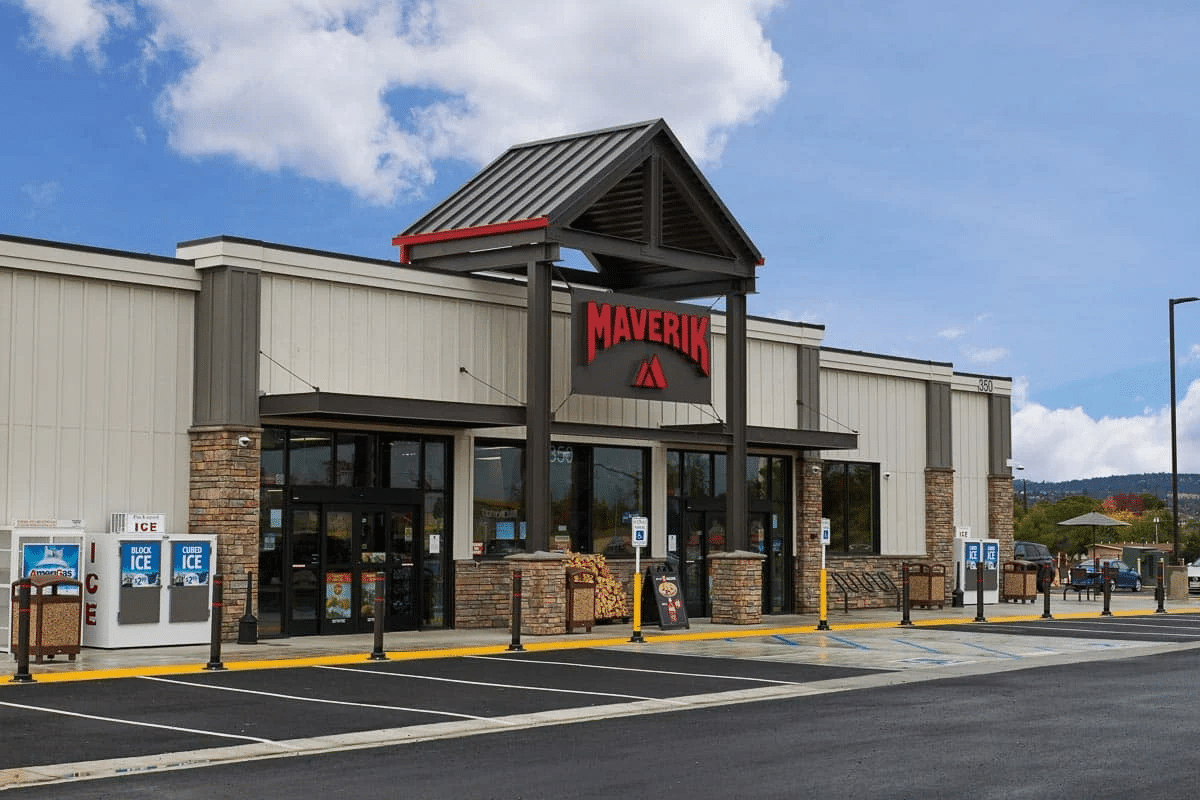
6 Gas Station Chains With Food So Good It’s Worth Driving Out Of Your Way For
We scoured the Internet to see what people had to say about gas station food. If you think the only things available are wrinkled hot dogs of indeterminate age and day-glow slushies, we’ve got great, tasty news for you. Whether it ends up being part of a regular routine or your only resource on a long car trip, we have the food info you need.
Let’s look at 6 gas stations that folks can’t get enough of and see what they have for you to eat.





