

As convenience foods and health trends reshape American eating habits, many once-common breakfast staples are disappearing from menus entirely.
Over the years, breakfast menus have undergone significant changes, with many traditional dishes gradually fading away. A 2023 report by 24/7 Wall St. highlights how classic breakfast staples, once a mainstay at restaurants, are vanishing as consumer tastes evolve and culinary trends shift.
Yet, breakfast remains a highly profitable meal. According to FinanceBuzz, the cost of breakfast items across 10 major fast-food chains has increased by 53% since 2019. While prices rise, menus are also evolving, with hearty, old-school favorites increasingly giving way to modern options like avocado toast and smoothie bowls.
Creamed Chipped Beef on Toast
World War II and 1950s veterans popularized this hearty breakfast of dried beef in a white sauce served over toast, earning it the colorful name “S.O.S.” in military mess halls. Diners across the country could count on the filling combo for a cheap protein boost, and it even fed large groups on special occasions, such as church potlucks.
The rise of healthy eating, with a focus on reducing fat and calories, has sidelined creamed chipped beef from modern breakfast plates.
Scrapple
This Pennsylvania Dutch breakfast meat was made by combining pork scraps, cornmeal, and spices into a loaf that could be sliced and fried. The old-world resourcefulness of using the whole animal was key, and pork offal was intentionally selected to create a delicious and satisfying meal.
Regional pride kept scrapple alive in Pennsylvania Dutch Country and around Philadelphia, where it became a breakfast tradition. Frontiers in Nutrition notes a decline in red meat availability, particularly for popular cuts like beef. Pork has also dropped precipitously.
The dish is popular in regions that claim it as their own. Still, it is very rarely found on breakfast menus outside of Pennsylvania and some surrounding states.
Cornmeal Mush
Farm families created this Depression-era staple of cornmeal and water as a cheap way to stretch their food budget. The hearty mush kept Americans going when ingredients for more expensive dishes weren’t an option. The convenience of boxed cereals, marketed to children, became the primary way most Americans ate breakfast in the 1970s.
Liver and Onions with Eggs
Workers across the United States relied on this nutrient-packed breakfast in the 1930s through the 1950s to power their physically demanding jobs. Liver with onions and eggs checked many nutritional boxes for morning meals.
According to WebMD, one serving of liver provides over 1,300% of the daily recommended value of B12. Onions added flavor while eggs provided complementary protein. The strong taste of liver eventually pushed modern diners away from this once-popular combination.
Rice Pudding for Breakfast
Creamy rice pudding was a comforting breakfast tradition for Scandinavian and Eastern European American families. The rice could be made ahead of time in large batches to simplify busy mornings and provide a filling start to the day.
Instant oatmeal and boxed cereals require less planning and cooking ability. According to Global Growth Insights, organic instant oatmeal sales are projected to grow from $1.442 billion in 2024 to $1.550 billion in 2025. Rice pudding receded to ethnic cafes and family recipes, where tradition outweighs convenience.
Johnnycakes
Native American and Colonial recipes introduced Americans to these simple cornmeal flatcakes, which could be made with basic ingredients and cooked over an open fire.
Variations existed based on region, with some johnnycake recipes including milk and eggs to create richer versions. Rhode Island and other parts of New England remain the last strongholds of johnnycakes on American breakfast menus.
Baked Apples and Cream
Farmhouse kitchens in the 1800s featured this seasonal breakfast that captured the essence of autumn apple harvests. The ritual tied families to the agricultural calendar and provided natural sweetness without processed sugar.
The baked apples have fallen victim to both rising fruit prices and the widespread availability of packaged sweet alternatives. According to Capital Press, the availability of fresh apples per capita has declined by 11.3% over the past two decades, and USDA data indicate a lower figure of 8.8 pounds per person in 2021. The labor of the preparation process also couldn’t compete with grab-and-go breakfasts that required zero cooking or planning around seasonal ingredients.
Codfish Cakes
Salt codfish patties were a popular breakfast for coastal communities from the 1900s through the 1950s. Potatoes and seasonings complemented the preserved fish, which could be stored for long periods without refrigeration.
Environmental advocacy has turned this once-popular breakfast into a politically incorrect option in many places. Atlantic codfish are now considered a vulnerable species by the National Oceanic and Atmospheric Administration, limiting sustainable availability. Modern restaurants that serve codfish cakes typically reserve them for dinner or brunch menus rather than everyday breakfasts.
Ham and Red-Eye Gravy
Southern farm families specialized in hearty breakfast stews featuring ham, eggs, and gravies, which provided the calories needed to fuel farm labor that often required working from dawn to dusk. Only two ingredients are needed to make red-eye gravy: country ham and hot coffee.
Diets focused on low fat and low cholesterol pushed these dishes to feel unappetizing rather than nourishing, so they largely retreated to specialty restaurants that specifically market themselves as Southern cooking.
Fried Grit Cakes
Southern cooks discovered that they could slice cooled grits into portions, then fry the cakes until they were crispy on the outside and creamy on the inside. These golden cakes provided a starch that paired nicely with eggs, bacon, or syrup.
The key hurdle was that grits needed time to set before frying. Instant grits revolutionized the process by eliminating wait times and unnecessary steps.
Cold Pancake Sandwiches
Before microwaves came along, families in the 1970s got creative with breakfast on the go. They assembled pancake sandwiches layered with bacon or sausage, freezing them between slices of bread to create a portable meal. These sandwiches could be eaten cold or warmed up quickly, serving as a precursor to today’s grab-and-go breakfasts that many enjoy during their morning commute.
Frozen breakfast sandwiches offered the same convenience, but with better texture and a longer shelf life. Verified Market Reports states that the Frozen Sandwiches market size was valued at USD 2.45 billion in 2024 and is projected to reach USD 4.12 billion by 2033, exhibiting a CAGR of 6.5% from 2026 to 2033.
Fried Bologna and Eggs

Save this article
Midwestern and Southern Americans ate this combination of bologna fried with eggs well into the 1980s. Bologna would be sliced thick and fried until the edges curled up. The resulting fried bologna cup could perfectly hold a fried egg, with just salt and pepper needed to finish the dish.
Simple, filling, and affordable, fried bologna and eggs checked all the boxes. Health consciousness and shifting meat preferences led to this breakfast falling out of fashion.
Cottage Cheese with Fruit
In the 1960s and 1970s, dieters made cottage cheese with peaches or pears a go-to low-fat breakfast. The combination of protein and natural sweetness perfectly fits into calorie-counting meal plans. Cottage cheese has slowly lost its position as the go-to protein for a low-calorie breakfast due to shifting tastes and protein sources.
However, cottage cheese has seen a surge in popularity in recent years. According to The Wall Street Journal, cottage cheese sales have increased by more than 50 percent over the last five years. In 2024, Global cottage cheese sales increased by 9.2%, with the North American market accounting for the majority of the growth.
Dutch Baby Pancakes
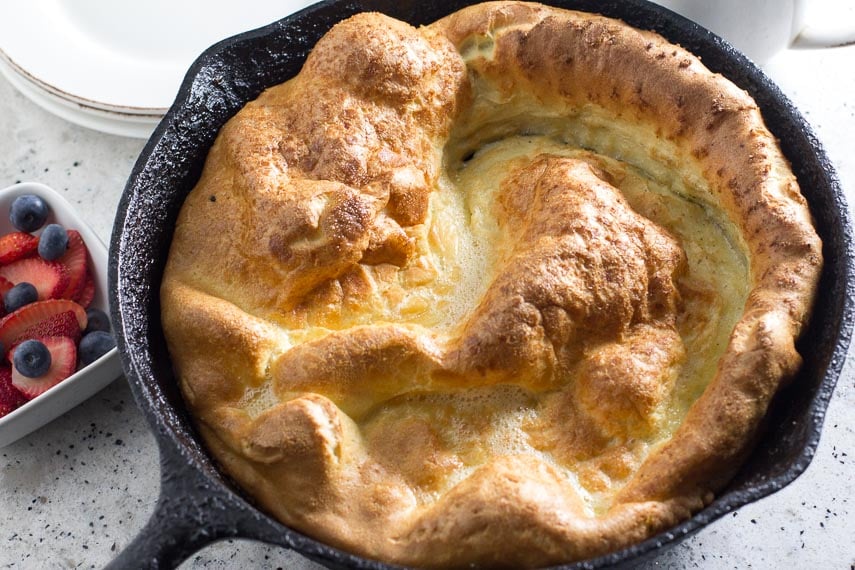
Dutch baby pancakes were a meal that demanded attention. These puffy pancakes would rise dramatically high in a cast-iron skillet, creating an impressive golden bowl that collapsed quickly once removed from the oven.
The dish was, in some ways, the original Instagram breakfast, before anyone had even heard of social media. In many ways, the problem with Dutch baby pancakes was their difficulty in comparison to other alternatives. The dish required not just time but also undivided attention and a properly preheated oven.
Baked Oatmeal
Baked oatmeal might sound like a run-of-the-mill breakfast food, but this Midwestern and Amish tradition was the ultimate comfort food. Imagine a cross between oatmeal and cake-that’s exactly what families from the heartland have been waking up to for generations. The decline of baked oatmeal began in the 1970s and 1980s, as the convenience of instant foods gained popularity in America and people started prioritizing speed over the tradition of family breakfasts.
However, there’s been a recent resurgence of baked oatmeal among food bloggers and health-conscious eaters. In 2021, the “baked oats” hashtag garnered over 23.9 million views on TikTok, with users creating a range of recipes, from blueberry muffin baked oats to chocolate baked oats.
Coffee Cake with Breakfast
Coffee cake wasn’t just an occasional indulgence for weekend breakfasts; it was a legitimate part of the morning menu for families throughout the 1950s and 1960s. Slices of cinnamon-swirled, crumb-topped cake alongside coffee was simply how Americans ate breakfast, and nobody thought twice about dessert on the breakfast table.
Seasonal ingredients like blueberries or apples were commonly incorporated into coffee cakes of this era, and the ritual of slicing and serving coffee cake made breakfast feel more celebratory than a mundane obligation.
Toast with Sardines
European immigrants introduced the tradition of sardines on toast to American coastal cities, where fresh fish was abundant and affordable. This simple, budget-friendly breakfast provided a rich source of omega-3 fatty acids and high-quality protein, offering the sustenance needed to power through long, demanding workdays.
American taste has since generally moved away from fish at breakfast, particularly canned fish that requires intense flavors to mask the oily taste.
Key Takeaway
The loss of these foods from the American breakfast landscape is emblematic of more than just shifting tastes; it signals a fundamental shift in our relationship with the morning meal and our mornings in general.
While it’s unlikely that we’ll all slow down and carve out more time to linger over breakfast, we can make a conscious decision to occasionally change the pace and remember some of these forgotten breakfasts. Who knows, it may be time to pull out that cast-iron skillet and wow the family with a Dutch baby pancake on a lazy Sunday morning.
More articles:
- Common spices linked to colon cancer prevention
- Potato chips may be linked to higher colon cancer risk, here’s why
- 13 Superfoods for Digestive Health You Can’t Ignore
Disclosure: This article was developed with the assistance of AI and was subsequently reviewed, revised, and approved by our editorial team.
Like our content? Follow us on Newsbreak.
15 foods centenarians eat to live to 100

Living to 100 is less about rare genes and more about the everyday foods quietly shaping your health right now.
Reaching the age of 100 might seem like winning a genetic lottery to many people, but research suggests your grocery list plays a massive role. Those vibrant communities known as Blue Zones, where people frequently live past a century, rely heavily on what they put on their dinner plates. We have compiled a list of specific ingredients that act as fuel for a long, healthy life, without needing a magic potion. Learn more
10 foods with more blood pressure benefits than beets

Beets get all the credit for lowering blood pressure, but they’re far from the best option.
We have all heard the hype about beet juice being the miracle elixir for hypertension, and the science technically supports it. However, relying solely on beets is like patching a tire with duct tape because the effects are incredibly temporary and often vanish within a single day. While beets can offer a quick fix, they do not provide the sustainable, long-term support your cardiovascular system needs to stay stable. Learn more.
15 eating habits that can help improve hormone balance after 45

Hormones often feel like the wild card of midlife. In women past 45, hormone levels begin to fluctuate and can have an impact on things as varied as mood and metabolism. Do you know that the World Health Organization says most women experience menopause between the ages of 45 and 55 years?
This normal change reduces the amount of estrogen in your body and alters your physiology. It is estimated that approximately ¾ of women experience menopausal symptoms connected to the hormonal fluctuations that affect energy levels and weight. Learn more.





