Aisle after aisle of cans may look the same, but new research shows they can either fuel your health or quietly sabotage it. Does anyone else feel a little overwhelmed in the canned food aisle? Is it a shortcut to a healthy meal or a one-way ticket to a sodium and sugar overload? It turns out to be a bit of both.
Interestingly, a large cross-sectional study published in Nutrients found that people who frequently eat canned foods actually have higher intakes of 17 essential nutrients compared to those who rarely pop a top. The key is knowing which cans to grab and which to leave on the shelf. So, I’ve done the digging for you, separating the pantry heroes from the villains.
Here are the canned foods that get the green light from experts and the ones you might want to break up with for good.
Canned beans

If canned beans had a dating profile, it would say: “Reliable, affordable, and good for your heart.” Nutritionists absolutely adore them, and for good reason!
Canned beans—black, kidney, or garbanzo—are packed with plant-based protein, fiber, and complex carbs. As registered dietitian Amy Reed tells Today.com, this powerhouse combo provides sustained energy and helps regulate your blood sugar levels.
They’re basically the secret weapon for making a meal more filling and nutritious without any extra effort. Just be sure to give them a good rinse to wash away excess sodium before adding them to your salads, soups, or tacos.
Canned tomatoes
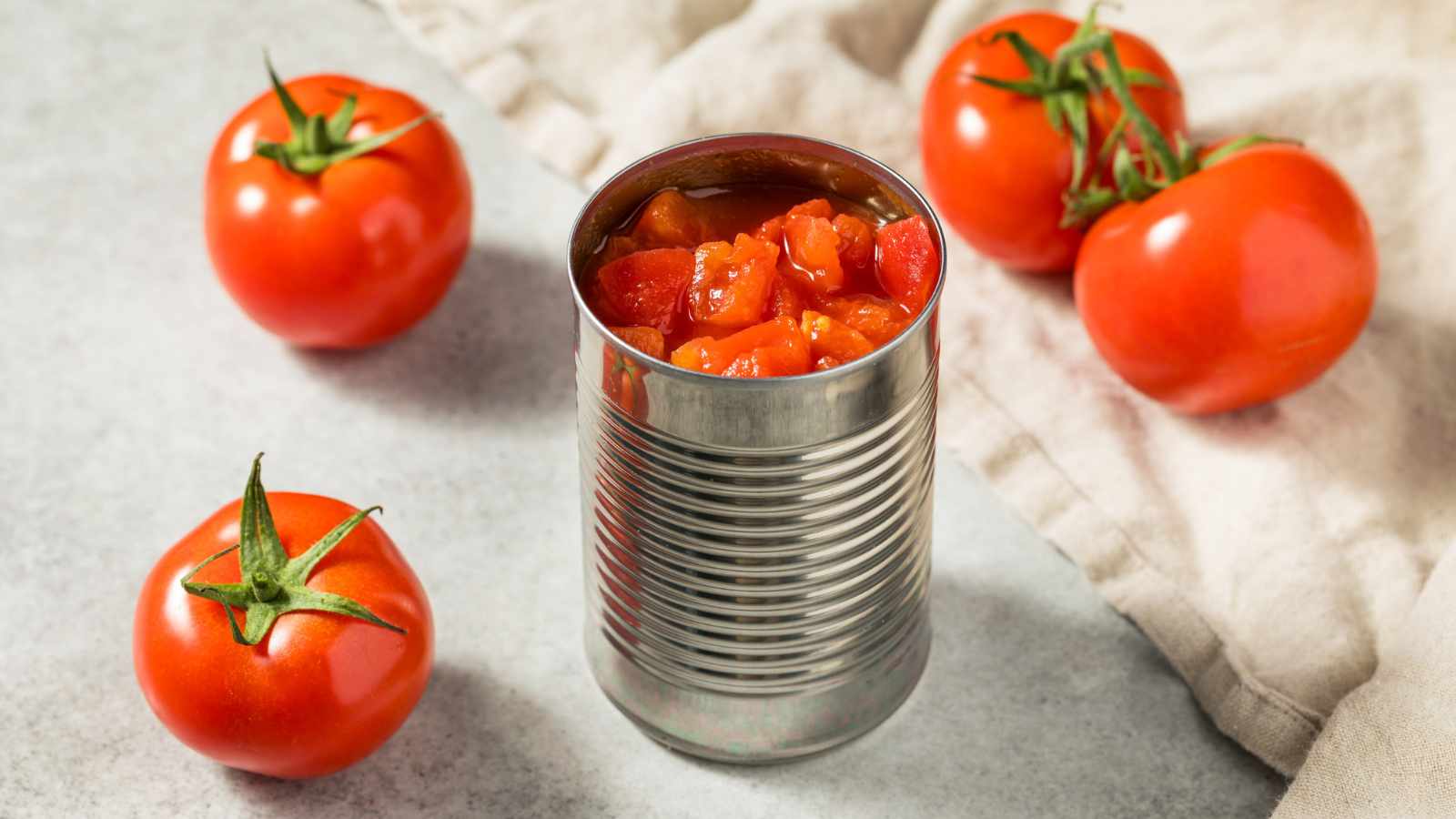
Here’s a fun plot twist: canned tomatoes can actually be more. nutritious than their fresh counterparts in some ways. The heating process used in canning amps up the availability of lycopene, a superstar antioxidant proven to prevent cardiovascular diseases. How cool is that?
You’re getting a health advantage from one easy can of crushed tomatoes. They’re excellent as a base for pasta sauces, chilies, and stews, and you can dictate the level of salt and sugar and still achieve a deep, flavorful taste. It’s my go-to option for a fast weeknight dinner when I don’t feel like cooking everything from scratch.
Canned chickpeas

Canned chickpeas (aka garbanzo beans) are a nutritionist’s best friend for quick plant-based meals. One cup has about 12 grams of protein and 10 grams of fiber, making it a powerhouse for satiety. Rinse, roast, or blend them into hummus—the possibilities are endless.
Data shows that chickpeas have a GI around 28–36, meaning they cause a gradual rise in blood glucose rather than a spike. They’re also one of the least processed items you’ll find in the canned aisle.
Canned corn

Corn often gets a bad rap, but canned corn is actually a decent option when fresh isn’t available. It contains lutein and zeaxanthin, compounds linked to eye health, along with a modest amount of fiber.
While it’s not the most nutrient-packed vegetable, it does add color, sweetness, and texture to meals. Experts suggest looking for varieties labeled “no salt added” to keep sodium levels down. It’s not a superfood, but it definitely earns its spot in the pantry.
Canned salmon

This is one of the hidden gems that few people know about. Canned salmon typically includes the soft, edible bones, making it one of the most convenient non-dairy sources of calcium. It is also rich in omega-3 fatty acids, which research suggests can help reduce inflammation and support heart health.
A serving provides more than 1,500 milligrams of omega-3s and surpasses fresh fish for a fraction of the cost. Nutritionists love it for quick salmon patties, salad, or mixed with avocado on bread.
Canned peaches (in water or juice)

Fruit in a can can be hit or miss, but peaches packed in water or 100% juice are worth it. They retain much of their vitamin C, fiber, and antioxidants, especially when picked and canned at peak ripeness.
The key is avoiding the heavy syrup varieties, which can double the sugar content. They’re an easy way to enjoy fruit year-round without blowing your grocery budget.
Canned pumpkin

Not just for pie time, canned pumpkin is a nutritional gold mine. It’s rich in vitamin A; a cup has more than 200 percent of your recommended daily allowance. That’s good news for your vision, skin, and immune system.
Experts are apt to recommend it for imparting a natural sweetness and fiber to smoothies, soups, or pasta sauces. With only 83 calories per cup, it’s a nutrient-dense choice that feels indulgent without actually being so.
Canned sardines

Okay, sardines aren’t everyone’s idea of delicious, but nutritionists swear by them. They’re rich in omega-3s, calcium, and vitamin D—all nutrients many people fall short on.
A single can provides more than half the daily recommended vitamin D intake, which is a big deal considering nearly 35 percent of adults in the U.S. are deficient. Additionally, sardines are lower in mercury compared to larger fish, such as tuna. If you can get past the intense flavor, these little fish are true health all-stars.
Canned lentils

These don’t always get the spotlight, but they should. Canned lentils are a convenient way to reap the benefits of legumes without the time-consuming process of soaking and simmering. They’re loaded with iron, which is especially helpful for people who don’t eat much red meat.
Save this article
A cup also delivers about 18 grams of protein and 15 grams of fiber, making it incredibly filling. Toss them into soups, salads, or tacos and you’ve got instant nutrition.
Canned coconut milk

Canned coconut milk is prized for its richness in curries, soups, and desserts. While it’s higher in saturated fat, experts note that it’s fine in moderation, mainly when used in cooking rather than chugged from the can.
It also offers medium-chain triglycerides (MCTs), which may support energy metabolism. The full-fat version gives dishes that creamy texture, while light coconut milk can cut calories in half. Nutritionists don’t say “eat it daily,” but they do keep it in their kitchens.
Foods to avoid
Canned chili with meat

Canned chili may sound hearty, but experts often raise an eyebrow at the nutrition label. Many brands have over 1,000 milligrams of sodium per can, along with saturated fat from processed meats.
Some also use fillers that reduce the actual protein content. Homemade chili with beans and lean meat gives you far more nutrition for about the same effort. As a quick emergency food, it’s fine, but it’s not a pantry staple that experts endorse.
Canned soups
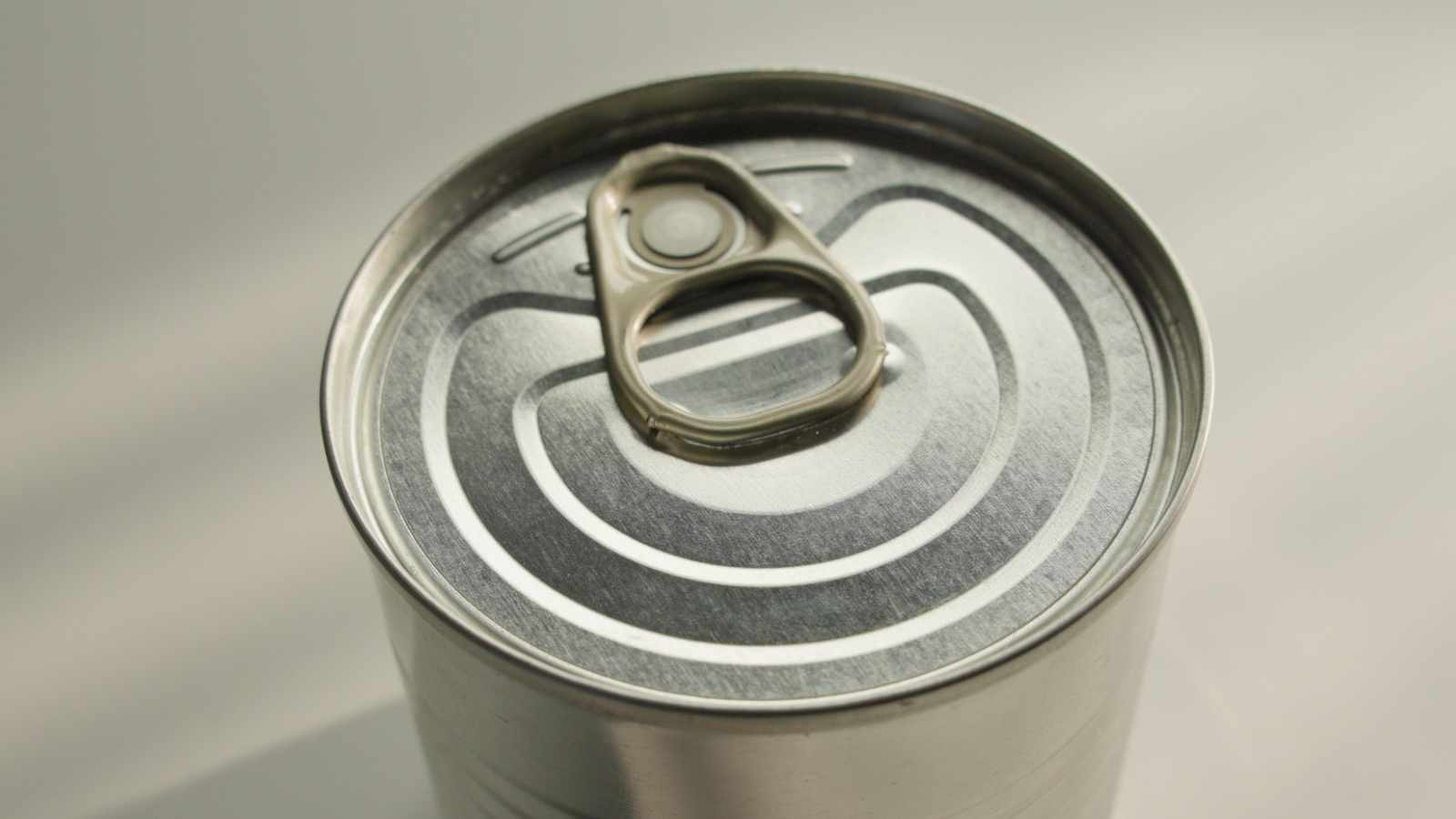
Okay, let’s have a heart-to-heart about canned soups. While they promise a cozy, comforting meal in minutes, many are essentially a salt shaker in disguise. A single can of soup can contain 1,200–1,400 mg of sodium, which is over half the recommended daily intake of 2,300 mg.
Beyond the high sodium levels, they can also contain preservatives, artificial flavors, and even BPA, a chemical linked to health concerns like heart issues. If you’re craving soup, a homemade version is almost always a healthier and more satisfying option.
Canned fruit in syrup

We’ve all been tempted by that glistening can of peaches swimming in heavy syrup, but this is one temptation to resist. Canned fruits packed in syrup are often loaded with added sugars, which can lead to inflammation and disrupt your gut health.
Sweet treats can significantly increase the risk of obesity and type 2 diabetes over time. If you’re going for canned fruit, make sure the label says it’s packed in “100% juice” or water. It’s a simple switch that makes a huge difference.
Canned pasta meals

You probably guessed this one wasn’t making the “expert-approved” list. Canned spaghetti or ravioli is typically loaded with sodium—sometimes over 900 milligrams per serving—and has little fiber to balance things out.
It also tends to contain refined pasta and sugary sauces that don’t do much for nutrition. While it might taste nostalgic, dietitians rarely recommend it as more than an occasional splurge. Your body will thank you if this stays a “once in a while” food.
Key takeaways

Canned foods aren’t automatically unhealthy. Many foods, such as beans, lentils, salmon, and tomatoes, are nutrient powerhouses that save time while boosting your meals with protein, fiber, and antioxidants.
It’s all about the label. Choosing options packed in water, 100% juice, or labeled as “no salt added” helps keep sugar and sodium levels in check without compromising convenience.
Some canned goods are worth skipping. Soups, syrupy fruits, and processed pasta meals often pack in more sodium, sugar, and fillers than nutrition, making them pantry “villains” in disguise.
Balance and variety matter most. Mixing smart canned picks with fresh and frozen foods creates a budget-friendly, nutritious pantry that doesn’t sacrifice taste or health.
Disclaimer – This list is solely the author’s opinion based on research and publicly available information. It is not intended to be professional advice.
16 grocery staples to stock up on before prices spike again
16 Grocery Staples to Stock Up On Before Prices Spike Again
I was in the grocery store the other day, and it hit me—I’m buying the same things I always do, but my bill just keeps getting higher. Like, I swear I just blinked, and suddenly eggs are a luxury item. What’s going on?
Inflation, supply-chain delays, and erratic weather conditions have modestly (or, let’s face it, dramatically) pushed the prices of staples ever higher. The USDA reports that food prices climbed an additional 2.9% year over year in May 2025—and that’s after the inflation storm of 2022–2023.
So, if you’ve got room in a pantry, freezer, or even a couple of extra shelves, now might be a good moment to stock up on these staple groceries—before the prices rise later.
6 gas station chains with food so good it’s worth driving out of your way for

6 Gas Station Chains With Food So Good It’s Worth Driving Out Of Your Way For
We scoured the Internet to see what people had to say about gas station food. If you think the only things available are wrinkled hot dogs of indeterminate age and day-glow slushies, we’ve got great, tasty news for you. Whether it becomes part of a routine or your only resource on a long car trip, we have the food information you need.
Let’s look at six gas stations that folks can’t get enough of and see what they have for you to eat.