

In winter, many of us reach for foods that seem clean, light, or refreshing, assuming they will be easy on the stomach. But colder weather quietly changes how your digestive system works.
Lower temperatures, reduced physical activity, and seasonal shifts in hydration can all make digestion less efficient, turning seemingly gentle foods into unexpected troublemakers. A report by Continental Hospital explains that digestion often slows in colder months because the body conserves energy and people tend to move less, which can reduce gut motility.
When that happens, foods that digest quickly in summer can linger longer in the gut during winter. This can lead to bloating, discomfort, or sluggish digestion even when the portion size feels small.
Big Raw Salads

Raw salads promise freshness, but they also deliver a sudden surge of fiber and fermentable carbohydrates. Beans, whole grains, and cruciferous vegetables, common in salad bowls, feed gut bacteria aggressively, which increases gas production when intake rises too quickly.
Research summaries from institutions like Harvard Health note that fiber is beneficial, but only when digestion and hydration keep pace. Salads are also bulky.
A nutrition analysis published by the Academy of Nutrition and Dietetics explains that high-volume, high-fiber meals sit longer in the stomach and colon when hydration is low, a common winter problem. Fiber and water are best friends. When fiber goes up, and water does not, bloating and constipation follow.
Cruciferous Detox Vegetables

Broccoli, cauliflower, Brussels sprouts, and cabbage are celebrated for cancer protective compounds, but they are also rich in complex fibers and the sugar raffinose. According to patient education materials from the Cleveland Clinic, these compounds resist digestion and are readily fermented, creating gas and pressure in the colon.
These vegetables are excellent for long-term colon health, yet they can become a perfect storm in winter. When gut transit is already slowed by cold and inactivity, large raw or lightly cooked portions are far more likely to cause discomfort than detox.
Beans and Lentil Soups

Beans and lentils feel tailor-made for cold weather, but their oligosaccharides are famously gas-producing. The Mayo Clinic explains that raffinose and related sugars pass through the small intestine intact and are fermented by colon bacteria, releasing hydrogen, carbon dioxide, and methane.
Beans are often ranked among the top dietary causes of bloating. Even canned beans can trigger symptoms if not rinsed and cooked thoroughly. In a Mayo Clinic Q&A, dietitians suggest tofu, tempeh, or quinoa as gentler winter protein options that provide warmth without the same fermentative load.
High Fiber Breads and Grains

Whole-grain toast, bran cereals, barley soups, and wheat-based sides promote rustic health. Inside the gut, their resistant starch and dense fibers digest slowly and ferment steadily. Reviews from the British Nutrition Foundation note that this fermentation is beneficial in moderation, but commonly produces gas when digestion is sluggish.
Wheat, rye, and barley also contain gluten. Gluten causes bloating not just in people with celiac disease, but also in an estimated 6 percent of Americans with non-celiac gluten sensitivity. The contrast is stark: a slim slice of whole-grain bread can swell dramatically once it meets water and bacteria in a winter-slowed gut.
Sparkling Water and Diet Soda

Carbonated drinks hide their effect well. Nutrition experts explain that carbon dioxide gas has nowhere to go but into the stomach and intestines, stretching the gut wall and triggering bloating. This holds true whether the bubbles come from soda or unsweetened seltzer.
Anti-bloat dietary guides from institutions like Johns Hopkins routinely recommend swapping fizzy drinks for still or lightly infused water. One nutritionist-authored guide puts it plainly: carbonated drinks contain gas that builds up in the stomach, making even calorie-free options feel heavy.
Ice Cold Water and Chilled Drinks

Temperature matters. Classic gastric emptying studies in humans have shown that very cold liquids empty from the stomach more slowly than room-temperature drinks. They linger, creating a sensation of fullness and heaviness.
A study published in the Journal of Neurogastroenterology and Motility examined the effects of cold water on digestion. It found that drinking 500 milliliters of water at 2 degrees Celsius reduced gastric contractions compared with warm water.
A Harvard-trained gastroenterologist recently summarized this research by warning that cold drinks can temporarily slow digestion. They recommend choosing warm or room-temperature water, especially in the morning.
Green Smoothies and Fruit Heavy Blends

Save this article
Fruit brings vitamins, but also fructose and sorbitol, sugars that are poorly absorbed in many people. Registered dietitians writing for the International Foundation for Gastrointestinal Disorders explain that these sugars ferment easily, especially when large amounts are blended and consumed quickly.
Clinical case descriptions in dietetic literature show a pattern: clients who begin daily smoothies often report more gas and distension, particularly those with irritable bowel or inflammatory conditions. In winter, an icy smoothie delivers both a physical chill and a concentrated sugar load, a double strain on gut comfort.
Yogurt Parfaits and Light Dairy

Lactose intolerance is far from rare. Reviews published by the National Institute of Diabetes and Digestive and Kidney Diseases estimate that most adults worldwide have some degree of lactose malabsorption. Lactose that is not digested becomes fuel for gas-producing bacteria.
Digestive health organizations frequently list dairy among the first suspects when patients report bloating after light meals. This is especially true when yogurt or milk is eaten alone or combined with other fermentable carbohydrates. Many GI practices recommend lactose-free dairy or hard cheeses as a trial to see if symptoms ease within weeks.
Sugar-Free Gums and Desserts

Sugar-free does not mean gut-free. Polyol sweeteners such as sorbitol, mannitol, and xylitol are classic high FODMAP ingredients. Monographs from Monash University, the leading low FODMAP research center, explain how these compounds affect digestion. They draw water into the intestine and ferment aggressively, causing gas and loose stools.
Low FODMAP elimination protocols consistently list sugar-free gums, mints, and candies among the first foods to cut. The irony is sharp: products marketed as light often deliver some of the most dramatic digestive effects, especially in winter when people chew more gum indoors and move less.
Onions, Garlic, and Flavor Light Toppings

Onions and garlic owe their flavor to fructans, another poorly digested carbohydrate. The Mayo Clinic explains that fructans ferment in the colon, producing bloating, gas, nausea, and sometimes diarrhea.
Low FODMAP resources rank these alliums among the most potent symptom triggers in irritable bowel syndrome. Infused oils are often recommended as a workaround, preserving flavor without the fructans. Cooking thoroughly can help, but for sensitive guts, even small raw amounts can tip the balance.
Dried Fruit and Nut Mixes

Drying fruit concentrates sugars. Raisins, dates, and apricots become dense sources of fructose and sorbitol. At the same time, cashews and pistachios are high FODMAP nuts. Clinical dietetic guidelines consistently flag this combination as a frequent cause of gas and abdominal pain.
Low FODMAP protocols often eliminate dried fruit and certain nuts in the initial phase, reintroducing them cautiously. The winter trap is familiar: trail mix feels tidy and controlled, but eaten on a cold, sedentary afternoon, it becomes a compact fermentable mass.
Highly Processed Light Snacks
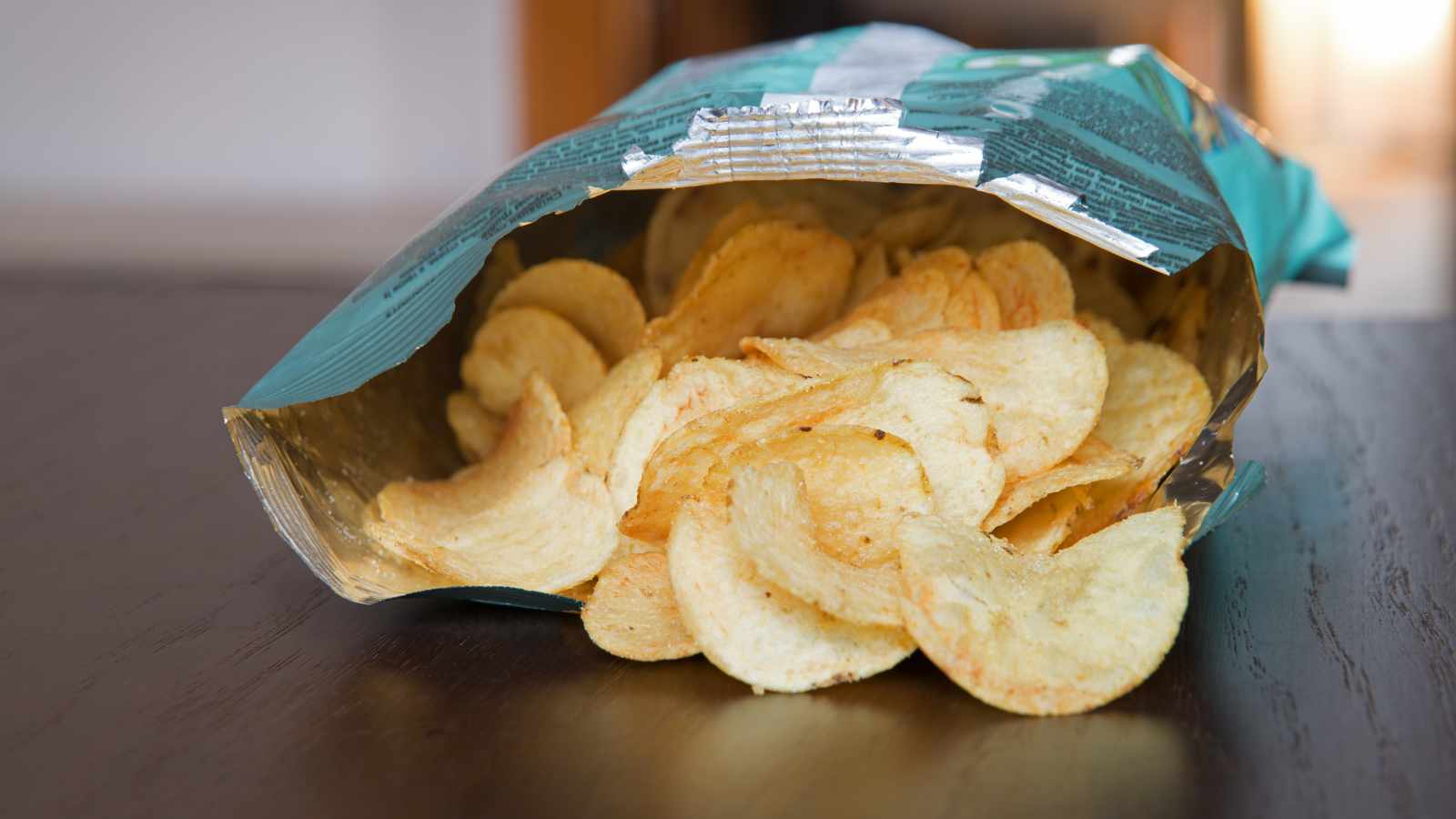
Light snacks often lack fiber but carry high sodium and refined carbohydrates. Preventive cardiology dietitians warn that this pairing slows digestion and promotes fluid retention. Both effects can make the abdomen feel swollen.
Research cited by the American Heart Association shows that high sodium intake drives water retention throughout the body, including the gut wall. The trend toward better-for-you chips, protein crisps, and low-calorie cookies fits neatly into winter habits. It often sabotages digestion through sodium, additives, and stealth sweeteners.
Key Takeaway

Winter digestion is not weak. It is simply slower. Foods that are raw, cold, fizzy, highly fermentable, or deceptively light often clash with that seasonal reality.
Supporting gut comfort in winter is less about cutting foods forever. It is more about matching texture, temperature, and timing to how the body works when days are cold and internal rhythms slow.
Disclosure: This article was developed with the assistance of AI and was subsequently reviewed, revised, and approved by our editorial team.
Disclaimer – This list is solely the author’s opinion based on research and publicly available information. It is not intended to be professional advice.
Like our content? Be sure to follow us





