

Many of the “great bulk deals” shoppers brag about are quietly draining household budgets. Perishable foods spoil, lose flavor, or encourage overeating long before you get through that jumbo pack—so whatever you saved at checkout often disappears into the trash can.
Globally, households actually drive most food waste: Earth.Org estimates that in 2022 alone, roughly 1.05 billion tons of food were thrown out, and every day, households accounted for about 60% of that total.
In the U.S., the pattern is the same, with the US Department of Agriculture studies estimating that around 40% of all food ends up wasted and families tossing 76 billion pounds a year. Fresh fruits and veggies lead the losses, followed by dairy, bakery items, and meats.
Promotion gimmicks like BOGO deals, oversized “value” packs, and warehouse-club bundles reliably push shoppers to buy more than they can use.
Delicate berries and salad greens

Households throw away more fruits and vegetables than any other food group, and delicate items like berries and salad greens are top offenders. In some reports, fruits and veggies make up nearly 40% of what consumers toss.
With slim shelf lives and high spoilage rates, upgrading to huge clamshells or club-size salad tubs often means paying premium prices so wilted leaves and moldy berries can go straight into the trash.
Fresh berries can go mushy in 48 hours, and those big salad tubs look economical until you realize you’re tossing half of them by mid-week. Grocery loss rates for vegetables average 11.6%, and the most fragile greens spoil even faster.
Big bags of potatoes and onions (for small households)

Root crops feel “safe,” but they quietly generate massive waste when bought in 5–10 kg value sacks that small households can’t finish. One government-linked analysis found roughly a quarter of fresh potatoes purchased were ultimately discarded, with waste rates for some root vegetables approaching one in six.
Another UKHarvest estimate, drawing on WRAP data to support a Zero Waste Week campaign, says 5.8 million potatoes are thrown out every day.
Even though potatoes and onions last longer than leafy greens, they sprout, rot, or soften faster than expected once stored at home—especially in warm kitchens.
Avocados and fresh herbs

Avocados give you only a brief ripeness window, and fresh herbs wilt or blacken within days, making multipacks a high-risk buy unless you’re batch-cooking or freezing.
Commercial studies on Hass avocados show that, under normal conditions and without special post-harvest technology, fresh fruit lasts about 7–10 days from harvest. At room temperature, only a few of those days are in the “ready-to-eat” window. Refrigeration can extend their life once ripe, typically giving 3–7 days of storage at home.
Avocados ripen all at once, herbs collapse within 48–72 hours, and both are famously unforgiving. Unless you have meal plans lined up, buying them in multiples is a gamble most households lose.
Family-size bread and bakery packs

Bread and baked goods sit near the top of household waste charts. One briefing notes the equivalent of around 24 million slices (about one million large loaves) wasted every day in UK homes. More recent syntheses put total bread waste (production plus consumer level) at roughly 900,000 tonnes a year, with households responsible for a large share.
Dietitians also warn that buying cakes, cookies, and pastries by the tray encourages mindless snacking “to use them up,” displacing more nutritious foods. Giant loaves dry out quickly, pastries go stale, and bulk muffins basically dare you to eat more than you planned.
Dairy: milk, yogurt, sour cream, cheese

Dairy is among the most commonly wasted food categories at home—often 17% of what households throw out, trailing only fruits and vegetables in many studies. Oversized jugs and catering tubs look cheaper per ounce, but once opened they spoil faster, are repeatedly temperature-abused, and are often tossed half-full when families can’t finish them before the date.
Milk sours faster in giant jugs, yogurt tubs get watery or funky around the edges, and sour cream loses quality within days of opening. Misunderstanding date labels only makes things worse, leading families to toss perfectly good milk or yogurt. Food safety experts generally recommend buying yogurt in smaller containers unless a family eats it daily.
Save this article
Condiments: mayo, dressings, marinades

Condiments seem shelf-stable, but many—especially creamy ones—have short “once opened” windows. A university food‑storage chart lists mayonnaise as “refrigerate after opening” with an opened shelf life of about 2–3 months in the fridge.
Large jugs of mayonnaise or salad dressing can require dozens of servings before they expire, which most homes can’t manage. And because they’re often left out during meals, temperature swings speed up spoilage. Food safety guides repeatedly warn against buying these in bulk unless you’re feeding a crowd.
Cooking oils
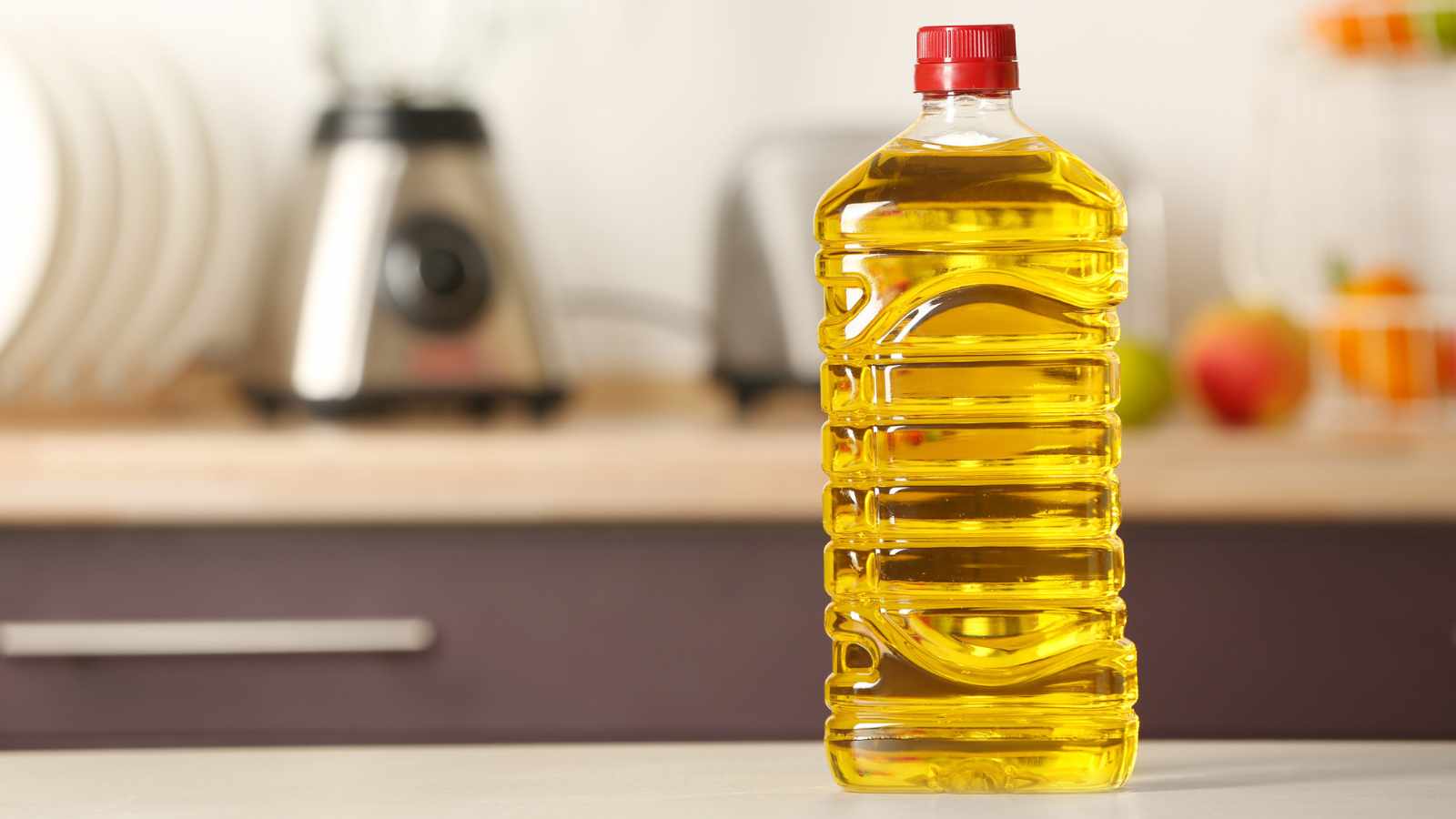
Households love stocking up on giant jugs of olive or vegetable oil, but oils degrade quickly. A three-year Australian study by Jamie Ayton found that when extra-virgin olive oil was stored in warm conditions or exposed to air and light, it turned rancid faster, lost key antioxidants, and deteriorated so much in flavor that many samples no longer met the standards for “extra virgin.”
Consumer guides routinely list oil among the worst bulk buys unless you cook for many people every day. A multi-liter bottle often ends up going stale long before you reach the bottom.
Giant tubs of nuts and trail mix

Nuts and seeds are calorically dense and usually eaten in small servings, so even a “bargain” tub can linger for months. Their high fat content makes them especially prone to rancidity, and store-bought trail mixes often layer on sugar and salt—turning an already pricey bulk buy into stale, ultra-processed snack calories.
A study on peanuts tracked kernels stored for up to 320 days at 15, 25, and 35 °C. Results showed that higher temperatures sped up oxidation, reduced polyunsaturated fatty acids, and noticeably degraded the overall quality of the nuts.
Warehouse-sized coffee and cocoa

Coffee and cocoa don’t usually grow mold in the pantry, but their best asset—aroma—fades fast once opened. Consumer money guides list coffee among the worst bulk buys because giant cans sit open for weeks, producing flat, bitter cups that undermine the “per-ounce savings.” Smaller bags or whole beans better protect flavor and real value.
If you care even a little about taste, oversized cans become false bargains almost immediately.
Spices, baking powder, yeast, and specialty ingredients

Leaveners like baking powder, baking soda, and yeast lose potency over time, especially once opened. Since most recipes use only teaspoon amounts, big containers go stale long before they’re finished. Ground spices also lose aroma quickly, and culinary sources generally suggest replacing them yearly.
Buying bulk spices or leaveners often means paying for flavor you’ll never taste. Specialty sauces or grains carry another risk: if you end up not liking them, the entire oversized package becomes a sunk cost.
Disclaimer – This list is solely the author’s opinion based on research and publicly available information. It is not intended to be professional advice.
Disclosure: This article was developed with the assistance of AI and was subsequently reviewed, revised, and approved by our editorial team.
20 Odd American Traditions That Confuse the Rest of the World

20 Odd American Traditions That Confuse the Rest of the World
It’s no surprise that cultures worldwide have their own unique customs and traditions, but some of America’s most beloved habits can seem downright strange to outsiders.
Many American traditions may seem odd or even bizarre to people from other countries. Here are twenty of the strangest American traditions that confuse the rest of the world.





