

It’s your first week at a new job. You’ve figured out your coffee order, set up your desk just right, and even joined the office Slack trivia channel. Just as you start to feel comfortable, something unexpected happens: your boss calls you in for a chat.
A few days later, you’re already updating your LinkedIn headline. If this sounds familiar, you’re not alone. Millennials are among the most educated and adaptable workers, yet they are often the first to be let go. The reasons can range from minor workplace conflicts to more significant cultural misunderstandings.
In 2022, millennials had a median job tenure of approximately 5 years, compared with Generation X workers, who had been on the job for an average of about 7.8 years, according to the BLS.
This trend prompts us to wonder what lies behind these differences in the duration of people’s job tenure. Is it about priorities, values, or changing ideas about work? Here, we’ll examine the challenges millennials face at work and how career stability is evolving today.
Poor work-life balance expectations

Millennials want flexibility that many traditional workplaces can’t offer. According to a report by IQ Partners, 65% of millennials view work-life balance as a key factor in the workplace, compared to 49% of Baby Boomers. They expect benefits like remote work, flexible hours, and mental health days as standard, not just perks.
Companies report 40% more time-off requests from millennials compared to Generation X. HR teams struggle to manage this when millennials prioritize personal commitments over overtime. This mismatch often leads to feedback about being ‘not dedicated’ or ‘hard to reach’ in performance reviews.
Technology dependence on human communication

Millennials grew up with technology, but many find face-to-face interactions in the office challenging. A 2017 McKinsey study found that 40% of employers struggled to fill roles because younger workers lacked essential soft skills, including communication, teamwork, and punctuality.
While they excel in digital collaboration, in-person meetings and networking can be more challenging for them.
This is a generational shift, with many people more comfortable texting or emailing than making phone calls. To address this, companies are investing in training programs that help build interpersonal and communication skills.
Unrealistic salary and promotion expectations

A March 2025 Express Employment Professionals/Harris Poll survey revealed that 35% of millennials are perceived as the most entitled when it comes to raises and promotions, and companies are likely to feel entitled to their new hires.
Millennials often hope to be promoted within 12 to 18 months, but traditional company policies usually require waiting 3 to 5 years between major career moves.
This gap in expectations can leave employees feeling frustrated and disconnected, which in turn affects their tenure and overall satisfaction with the workplace.
Resistance to feedback and criticism

Managers often struggle to provide the guidance their employees need without provoking a defensive reaction. A 2016 report from Emerald Insight notes that “many Millennials find it hard to accept this sort of feedback,” and emphasizes the importance of negative feedback being consistent, ongoing, and perceived as applicable both now and in the future.
It’s hard to have improvement talks when employees see them as personal criticism. Employers say millennials are more likely than other generations to file HR complaints about a ‘hostile work environment.’ This sensitivity can be tough for managers and sometimes leads to legal risks or even job cuts.
Entitlement attitudes toward company benefits

Millennials want a full range of benefits that older workers often receive after years of service. According to Investopedia’s 2025 American Dream Study, 75% of millennials say annual vacations are part of their dream, compared to 64% of baby boomers. These high expectations can strain company budgets and make benefit demands hard to meet.
On average, companies spend $15,000 more in benefits for each millennial employee compared to older workers. This is especially tough for small businesses, which may end up hiring more experienced workers instead. Some employers have to choose between meeting millennials’ expectations and staying profitable.
Culture of job-hopping and disloyalty

According to a CareerBuilder study, the average worker changes jobs every 2.9 years, while Baby Boomers change jobs every 8.3 years on average. This culture incurs approximately $30,000 in hiring and training expenses per departing employee. Employers are reluctant to offer long-term development programs to workers who are likely to leave soon.
Constant turnover is hurting teams and projects. Companies report losing valuable knowledge and client relationships as millennials move on to new jobs. Many employers now view millennials as ‘short-term rentals’ rather than long-term team members, which leads to lower hiring rates and higher turnover.
Social media and the professional line

Save this article
Millennials often overshare on social media, frequently disregarding personal and professional boundaries. According to a CareerBuilder survey, 54% of employers have found material on a potential hire’s social media profile that has caused them to decide not to hire someone. Employees are sometimes fired for personal posts that can reflect poorly on their employers.
Companies monitor employees’ social media and remove posts that could damage their image. Millennials sometimes share work complaints, party photos, or opinions that can create problems for employers. Because of this, companies set strict social media rules and may fire those who break them
Putting mental health above work

For the first time, workers aged 25 to 34 are prioritizing mental health at work. Millennials often take mental health days and are open about issues like anxiety, depression, and stress when asking for time off or flexibility.
Employers find it difficult to navigate between genuine mental health needs and business necessity.
As a result, many workplaces now offer wellness programs focused on mental health. These include counseling, posture and stretching sessions, and meditation, all designed to support employees’ well-being.
Failure to adhere to the professional dress code

What millennials wear to work often clashes with traditional office standards. Many show up with visible tattoos, unique hair colors, or casual clothes in formal settings. A Randstad US survey found that a manager or HR has told 38% of millennials aged 25 to 35 to dress more professionally.
Businesses that work directly with customers often struggle to hire millennials whose appearance doesn’t match client expectations. In traditional fields like banking and law, this is even more challenging. Companies spend time and money on dress code training, but still face resistance and compliance issues.
Inability to handle high-pressure situations

Many millennial workers are struggling to manage stress at work. Among those aged 18 to 24, 81 percent reported feeling burned out, while among those aged 25 to 34, 83 percent did. In contrast, only 49% of adults 55 or older report burnout
They are under time pressure, have demanding clients, and make life-or-death decisions as part of their job in many industries.
Businesses are experiencing higher error rates and increased emotional reactions from their millennials when they are under stress. These employees often request stress “accommodations,” such as additional time to meet deadlines or emotional support that is impractical in the fast-paced business world. The inability to perform under pressure often leads to performance issues and, ultimately, dismissal in competitive sectors
Key takeaways

Millennial dropout is an indication of the challenge of reconciling expectations with traditional business practices, rather than a matter of discrimination.
Businesses are contending with new worker expectations versus what the needs of the company are and profitability targets. These work trends indicate deep-seated changes in working culture, which both employers and employees will need to adjust to. “Understanding of these dynamics is what helps each group come to terms with the changing work environment more effectively.
Disclaimer – This list is solely the author’s opinion based on research and publicly available information. It is not intended to be professional advice
16 grocery staples to stock up on before prices spike again

16 Grocery Staples to Stock Up On Before Prices Spike Again
I was in the grocery store the other day, and it hit me—I’m buying the exact same things I always do, but my bill just keeps getting higher. Like, I swear I just blinked, and suddenly eggs are a luxury item. What’s going on?
Inflation, supply-chain delays, and erratic weather conditions have modestly (or, let’s face it, dramatically) pushed the prices of staples ever higher. The USDA reports that food prices climbed an additional 2.9% year over year in May 2025—and that’s after the inflation storm of 2022–2023.
So, if you’ve got room in a pantry, freezer, or even a couple of extra shelves, now might be a good moment to stock up on these staple groceries—before the prices rise later.
6 gas station chains with food so good it’s worth driving out of your way for
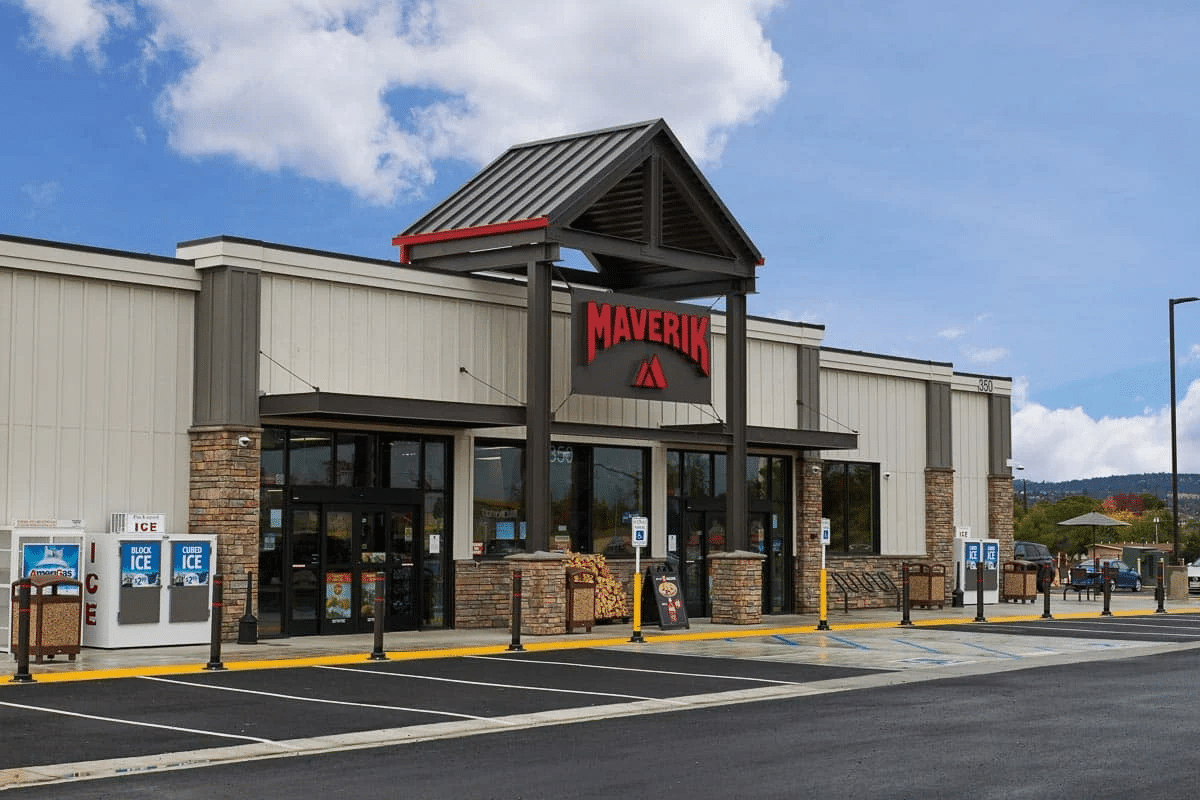
6 Gas Station Chains With Food So Good It’s Worth Driving Out Of Your Way For
We scoured the Internet to see what people had to say about gas station food. If you think the only things available are wrinkled hot dogs of indeterminate age and day-glow slushies, we’ve got great, tasty news for you. Whether it ends up being part of a regular routine or your only resource on a long car trip, we have the food info you need.
Let’s look at 6 gas stations that folks can’t get enough of and see what they have for you to eat.





