

While donating to thrift stores may seem like an easy way to declutter, many items are rejected due to safety regulations, space constraints, or condition.
Donating to a thrift store feels like a noble way to clear out your garage while helping the community. We often load up our trunks with the best of intentions, assuming that our old treasures will find a loving new home rather than rotting in a landfill. However, “wishcycling” often creates a massive logistical headache for charities that have to pay to dispose of the junk you left behind.
Thrift stores must adhere to strict safety regulations and space constraints. While you might see value in a stained shirt or an ancient television, the staff considers it a liability that they cannot legally or ethically sell. Understanding what actually makes it to the sales floor can save everyone time and money.
Old Tube Televisions

Those heavy, boxy cathode ray tube (CRT) TVs from the ’90s are almost universally rejected by modern donation centers. They are incredibly heavy, challenging to store, and contain hazardous materials like lead and phosphor, making them a nightmare to dispose of. Most shoppers are looking for sleek flat screens, leaving these relics to gather dust in the back room.
Disposing of these electronic dinosaurs actually costs the charity significant money rather than generating revenue for its programs. According to a report by Money Talks News, programs like Best Buy’s recycling service charge fees up to $29.99 to take these items off your hands because they have negative value. Your donation effectively becomes a bill that the non-profit has to pay out of its own pocket.
Used Mattresses And Box Springs

Sleeping on a used mattress is a line many thrifty shoppers refuse to cross due to hygiene concerns. The risk of bedbugs and biological fluids makes these items a health hazard that most stores avoid. Even if your bed looks clean, the staff cannot verify what is living inside the foam layers.
State regulations also play a major role in why you rarely see beds in the furniture section. Most states have strict laws requiring sanitization and labeling, and the Federal Flammability Standard mandates rigorous testing that often results in items failing the tests. It is simply too much legal risk for a store to resell a sleeping surface that hasn’t been professionally sterilized.
Expired Or Used Car Seats

You might think passing on a baby seat is a generous gift for a family on a tight budget, but thrift stores will toss it in the dumpster immediately. It is impossible to know if a seat has been in a crash, which could compromise its structural integrity invisibly. Safety gear is one category where the item’s history matters more than its appearance.
Manufacturers put strict expiration dates on these products for a reason. According to Chicco USA, car seats typically have a lifespan of 6 to 10 years before the plastic degrades, and using an expired one poses serious safety risks. Stores refuse to take on the liability of selling a safety device that might fail when it is needed most.
Drop-Side Cribs

These cribs were once a nursery staple, but they have since been identified as deadly traps for infants. The moving side rail can detach or create a gap, leading to suffocation or strangulation hazards that are terrifying to contemplate. Federal bans have made it illegal to sell or even donate these specific types of beds.
The danger they pose is backed by tragic statistics that forced the government to step in. The Consumer Product Safety Commission (CPSC) associated at least 32 infant deaths with drop-side cribs before stricter standards were enforced. No thrift store will risk a child’s life by putting one of these banned items back into circulation.
Stained Or Torn Clothing

We often bag up our “around the house” clothes, thinking someone might use them for rags or painting gear. In reality, thrift stores do not have the time or resources to wash or mend damaged textiles. If you wouldn’t feel comfortable giving the item to a friend, it probably shouldn’t go in the donation bin.
The volume of textile waste is staggering, and damaged clothes add to the pile. The EPA estimated that in 2018 alone, 11.3 million tons of textiles were sent to landfills, accounting for 7.7 percent of all municipal solid waste. Your torn t-shirt is likely to become part of that statistic rather than a bargain find.
Bean Bag Chairs

These cozy seats seem harmless, but older models can be dangerous for young children. Many bean bags lack safety zippers, allowing kids to crawl inside and inhale the filling, which poses a suffocation risk. Stores often reject them to avoid the potential nightmare of a child getting trapped inside.
Specific safety standards now require child-proof zippers that cannot be opened without a tool. Goodwill explicitly lists bean bag chairs on their “cannot accept” list due to these safety and liability concerns. Unless the chair meets modern safety codes, it is considered too risky to resell to a family.
Halogen Floor Lamps

The tall, torch-style lamps that lit up every dorm room in the late 90s are major fire hazards. The bulbs burn at extremely high temperatures and can easily ignite curtains or other flammable materials if they tip over. Fire safety experts have long warned against these specific lighting fixtures.
The heat generated by these lamps is intense enough to cause disasters. The CPSC linked halogen torchère floor lamps to 100 fires and 10 deaths between 1992 and 1997, leading to bans in many dormitories. Thrift stores avoid them to keep their customers and their own buildings safe from accidental fires.
Save this article
Large Appliances

Washing machines, refrigerators, and stoves take up a massive amount of valuable floor space. Most thrift shops do not have the electrical setups to test these units or the manpower to move them safely. A broken fridge is just a 200-pound paperweight that costs a fortune to haul away.
The logistics of handling white goods are often too complex for a standard donation center. Many charities state they cannot accept large appliances because they are labor-intensive and require extensive warehouse space, which they do not have. If you have a working appliance, you are better off selling it locally than dropping it off at a thrift shop.
Construction Materials And Paint

Leftover paint, lumber, and tiles are great for DIY projects, but terrible for standard thrift stores. Paint is considered a hazardous material that requires special disposal methods if it spills or spoils. Most shops are not equipped to handle chemicals or heavy building supplies.
Safety and environmental concerns drive this policy across the board. Thrifting experts note that items like open paint cans and solvents are rejected due to legal restrictions on hazardous waste. You should look for a specialist resale outlet, such as a Habitat for Humanity ReStore, for these types of goods.
Recalled Products

Thrift stores must remain vigilant about not selling items flagged by manufacturers as dangerous. From toys with lead paint to faulty kitchen gadgets, recalled items are illegal to resell. Staff members are trained to spot and discard these products to protect the store from lawsuits.
The legal burden is significant, as federal law prohibits the sale of recalled goods. Common culprits include children’s furniture and electronics that have been pulled from the market for safety violations. Your old toaster might seem fine, but if it is on a recall list, it is going straight into the trash.
Medical Equipment
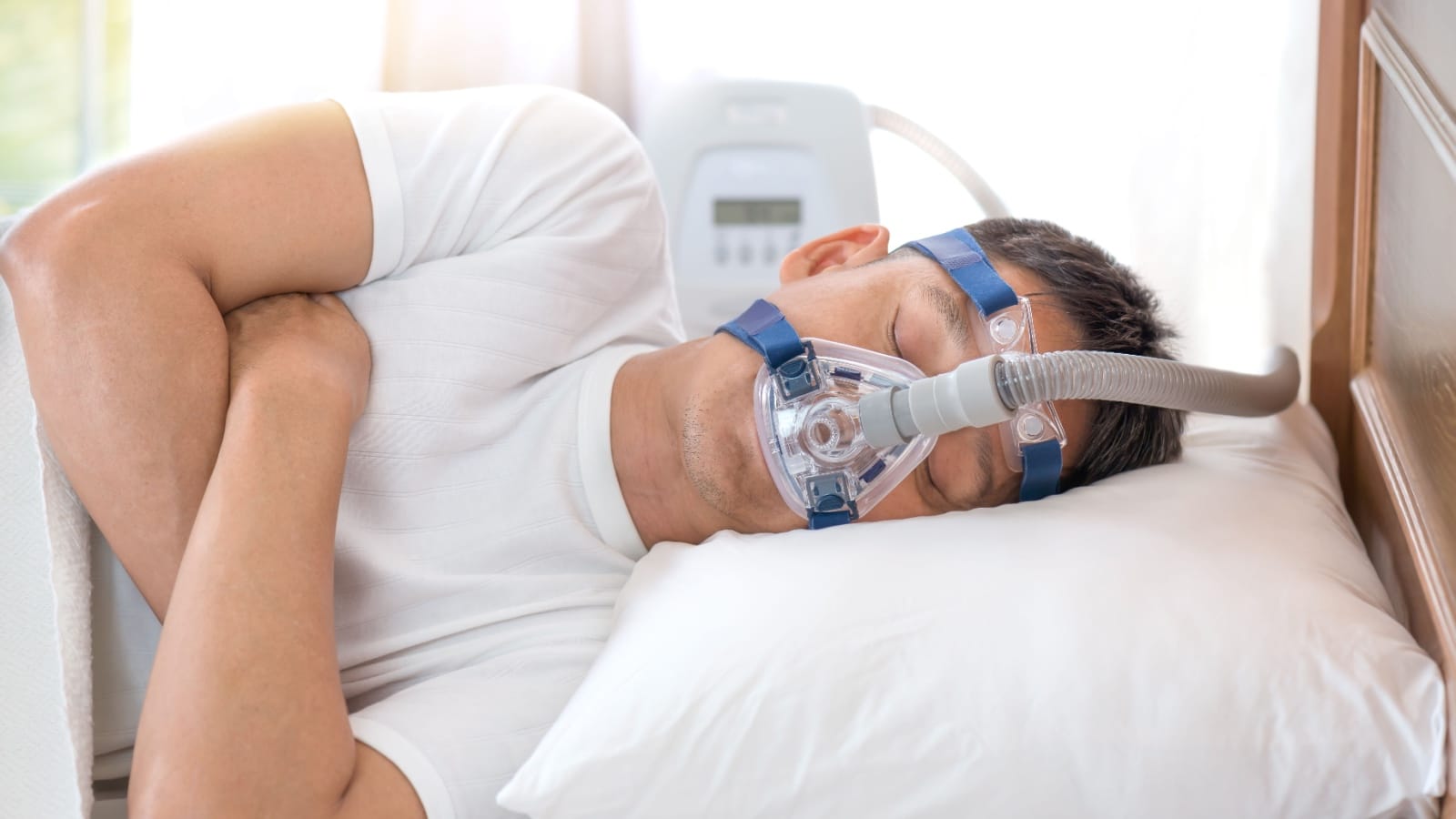
Prescription devices such as CPAP machines and hospital beds are often regulated by law. You generally cannot sell or donate prescription medical equipment without specific licenses and sanitization protocols. Hygiene rules prevent the resale of items that have been in close contact with bodily fluids.
There are also strict privacy laws regarding any device that might store patient data. Under HIPAA regulations in the U.S., any device containing protected health information must have all records permanently removed before it can be transferred. It is safer for stores to reject these items than to risk violating federal privacy or health laws.
Weapons And Ammunition

It might seem obvious, but you cannot drop off a box of ammo or an old hunting rifle at the donation door. The liability issues surrounding firearms and weapons are astronomical for a charity. Thrift stores are retail spaces for families, not unlicensed armories.
This policy extends to items like decorative swords and, in some stores, even kitchen knives. Goodwill and other major chains strictly prohibit firearms and fireworks to ensure the safety of their staff and shoppers. Any weapon found in a donation bin is typically turned over to the police immediately.
Key Takeaway

We need to rethink our relationship with donating and view it as a transfer of value rather than a disposal of waste. If an item is broken, dangerous, or legally restricted, putting it in a donation bin is not a charitable act. True generosity involves giving things that will actually bless the person who buys them next.
Before you load up the car, check the store’s guidelines to see what they can actually accept. By saving them the trouble of sorting through trash, we let them focus on turning your quality goods into an investment for the community. Responsible donating ensures your item does good rather than just shifting the burden to a nonprofit.
Disclaimer: This list is solely the author’s opinion based on research and publicly available information. It is not intended to be professional advice.
Disclosure: This article was developed with the assistance of AI and was subsequently reviewed, revised, and approved by our editorial team.
Like our content? Be sure to follow us.
9 Home Décor Essentials to Buy at the Thrift Store

9 Home Décor Essentials to Buy at the Thrift Store
Behind the clutter and dusty shelves are items with history, charm, and character; the kind of pieces that instantly make a house feel like a home. And the beautiful part is you don’t have to spend a fortune to uncover them.





