

The apples, bananas, and carrots in your grocery cart look nothing like the wild, bitter ancestors humans first cultivated centuries ago.
The first time I saw a photo of a wild watermelon, I actually thought it was a joke. Instead of that familiar ruby-red interior, it looked pale and cracked, almost like a dried-out sponge. A report from Washington University in St. Louis notes that the fruit evolved from a bitter, hard-fleshed ancestor into the sweet, red-fleshed watermelon we know today through centuries of selective breeding.
And that’s when it hit me: the fruits and vegetables we pile into our shopping carts today didn’t always look or taste this good. For centuries, humans have been tinkering with seeds, grafting plants, and persistently experimenting until nature provided us with sweeter bites, brighter colors, and crunchier textures. So before you slice into your next apple or peel a banana, let’s time-travel back to their wilder days—you might be shocked at what they initially looked like.
Bananas weren’t always smooth and sweet

The bananas we know today are seedless and creamy, but their ancestors resembled a science experiment. Early bananas, found in Southeast Asia around 7,000 years ago, were filled with hard black seeds that took up most of the fruit. They were starchy, tough to eat, and not particularly sweet.
It wasn’t until selective breeding combined two wild varieties that modern bananas came to life. Today, the Cavendish banana dominates global trade, accounting for slightly less than half of the world’s output, with an estimated annual production of 50 million tonnes.
Carrots started purple and wild

When you picture a carrot, you probably see that bright orange crunch sitting in a salad. But the first carrots, cultivated in Central Asia about 1,000 years ago, were deep purple or even yellow.
They had a much woodier texture and were often grown for their leaves and seeds rather than the root. The orange carrot we know today actually emerged in the Netherlands during the 16th century. Farmers selectively bred them until they became sweeter, juicier, and more palatable when eaten raw.
Potatoes looked more like roots than food

Potatoes are comfort food now, but their wild ancestors in the Andes looked gnarlier. Early potatoes were small, irregular, and carried a bitter flavor due to natural toxins. Indigenous farmers in South America learned to cultivate varieties that were safer and more flavorful through selective breeding.
When Spaniards introduced them to Europe in the 16th century, they gradually evolved into the versatile spuds we know today. Potatoes are now among the most important food crops in the world, providing food for billions.
Corn was once a tough little grass

Modern corn, with its golden, plump kernels, bears almost no resemblance to its ancestor. Thousands of years ago in southern Mexico, people were eating teosinte, a wild grass with tiny, rock-hard kernels that barely resembled food. Through generations of selective planting, those kernels slowly grew bigger and softer.
By 4,000 years ago, corn had become a staple crop across the Americas. Now it’s everywhere, from popcorn bowls to breakfast cereals.
Peaches were tiny and tart at first

Peaches today are juicy, fragrant, and sweet—but their ancestors were about the size of a cherry. Wild peaches, first cultivated in China over 7,000 years ago, had much less flesh, with most of the fruit occupied by a large pit.
They were also tart and slightly sour compared to the sugar-rich varieties we’re accustomed to. Chinese farmers began selectively breeding them for size and sweetness, and by the time they spread along trade routes, the peaches had undergone significant transformation.
Watermelons used to be pale and bitter

The watermelons you see at summer picnics—juicy, red, and sweet—are the result of a long evolution. Ancient watermelons from Africa, dating back over 5,000 years, were significantly smaller, with pale green or whitish flesh that had a bitter taste.
People originally grew them less for snacking and more for their ability to store water in arid climates. Over centuries, farmers bred them for sweetness, size, and that signature red color, which comes from higher levels of lycopene.
Eggplants came in surprising colors

When you hear “eggplant,” you probably think of its deep purple skin. However, historically, eggplants have come in a wide range of colors, including white, yellow, and even striped. The earliest varieties, cultivated in Asia, were smaller, rounder, and more bitter in taste.
Europeans nicknamed them “mad apples,” worried they caused illness. Over time, selective breeding refined their flavor and produced the glossy purple giants we know today, although white “egg-shaped” varieties are still cultivated in some areas.
Tomatoes looked more like berries

Walk into any kitchen today, and tomatoes are a staple ingredient in sauces, salads, and soups. But the first tomatoes cultivated in South America were tiny, yellow, and berry-sized. Europeans were suspicious of them for centuries, even calling them “poison apples,” because they looked so different from familiar produce.
Save this article
Over time, selective breeding gave us the plump, red, and juicy versions we enjoy now. Today, Americans consume pounds of tomatoes each year, mainly in the form of sauces and ketchup.
Strawberries used to be much smaller

Wild strawberries, found in Europe and the Americas, were delicate, tiny, and not nearly as sweet as the ones sold in grocery stores today. In the 18th century, French gardeners crossed two wild varieties from different continents, creating the modern large strawberry. The hybrid was a game-changer, producing bigger berries with more sugar content.
Cucumbers were once prickly and bitter
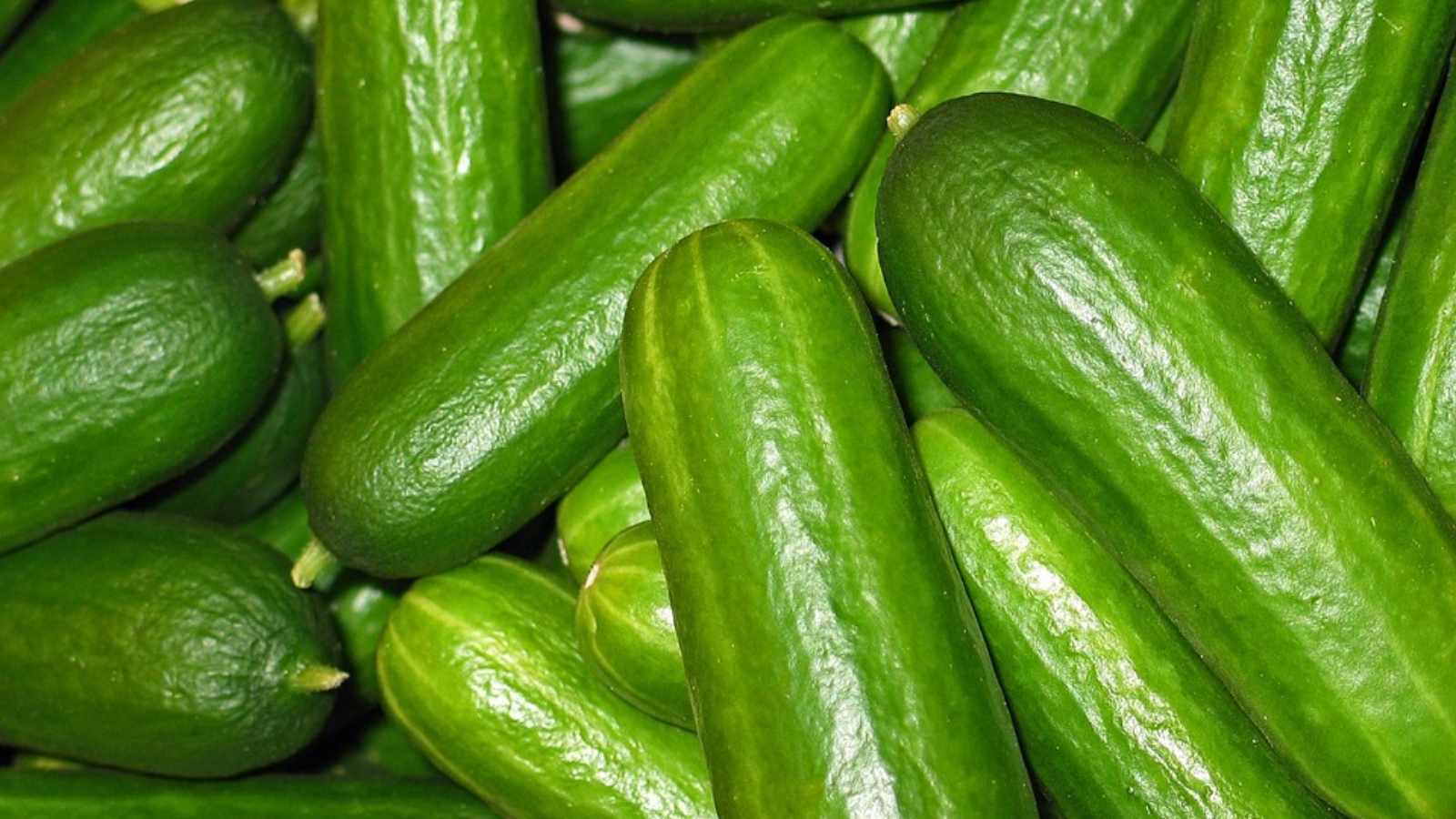
Cucumbers might be refreshing now, but their early versions weren’t exactly something you’d want in your spa water. Originating in India more than 3,000 years ago, wild cucumbers were spiny, bitter, and much smaller. Ancient civilizations often used them for medicinal purposes rather than food.
Over centuries of cultivation, they lost their spines, mellowed in flavor, and grew into the long, smooth vegetables we slice into salads today. Now they’re one of the most consumed vegetables in the U.S.
Apples weren’t naturally sweet

It’s hard to imagine an apple that isn’t crisp and sweet, but the earliest versions were wild crabapples. These were tiny, sour, and often used more for fermentation than eating raw.
Archaeologists have found evidence of people cultivating apples as far back as 6500 B.C. in Central Asia. Over time, humans grafted and crossbred varieties to enhance flavor and size. That’s why we have over 7,500 different kinds of apples worldwide today.
Grapes weren’t always sweet and seedless

Table grapes today are smooth, sweet, and often seedless, but their original form was quite different. Wild grapes had thick skins, large seeds, and a much more sour taste.
Ancient people used them primarily for making wine rather than eating fresh. Over centuries of cultivation, varieties were developed that were smaller-seeded, juicier, and sweeter.
Key takeaways

Many fruits and vegetables started small, harsh, and bitter. Their early forms, such as bananas filled with seeds and tiny sour crabapples, were often less appealing when eaten raw.
Selective breeding transformed them into today’s favorites. Over centuries, farmers enhanced sweetness, size, texture, and color, creating the juicy, vibrant produce we know now.
Cultural history shaped their evolution. Different regions played key roles in their transformations, like Chinese farmers perfecting peaches and the Dutch creating orange carrots.
Modern consumption highlights how far they’ve come. With billions of bushels of corn, tons of grapes, and pounds of strawberries consumed worldwide, these foods have become everyday staples rather than wild oddities.
Disclaimer – This list is solely the author’s opinion based on research and publicly available information. It is not intended to be professional advice.
16 grocery staples to stock up on before prices spike again
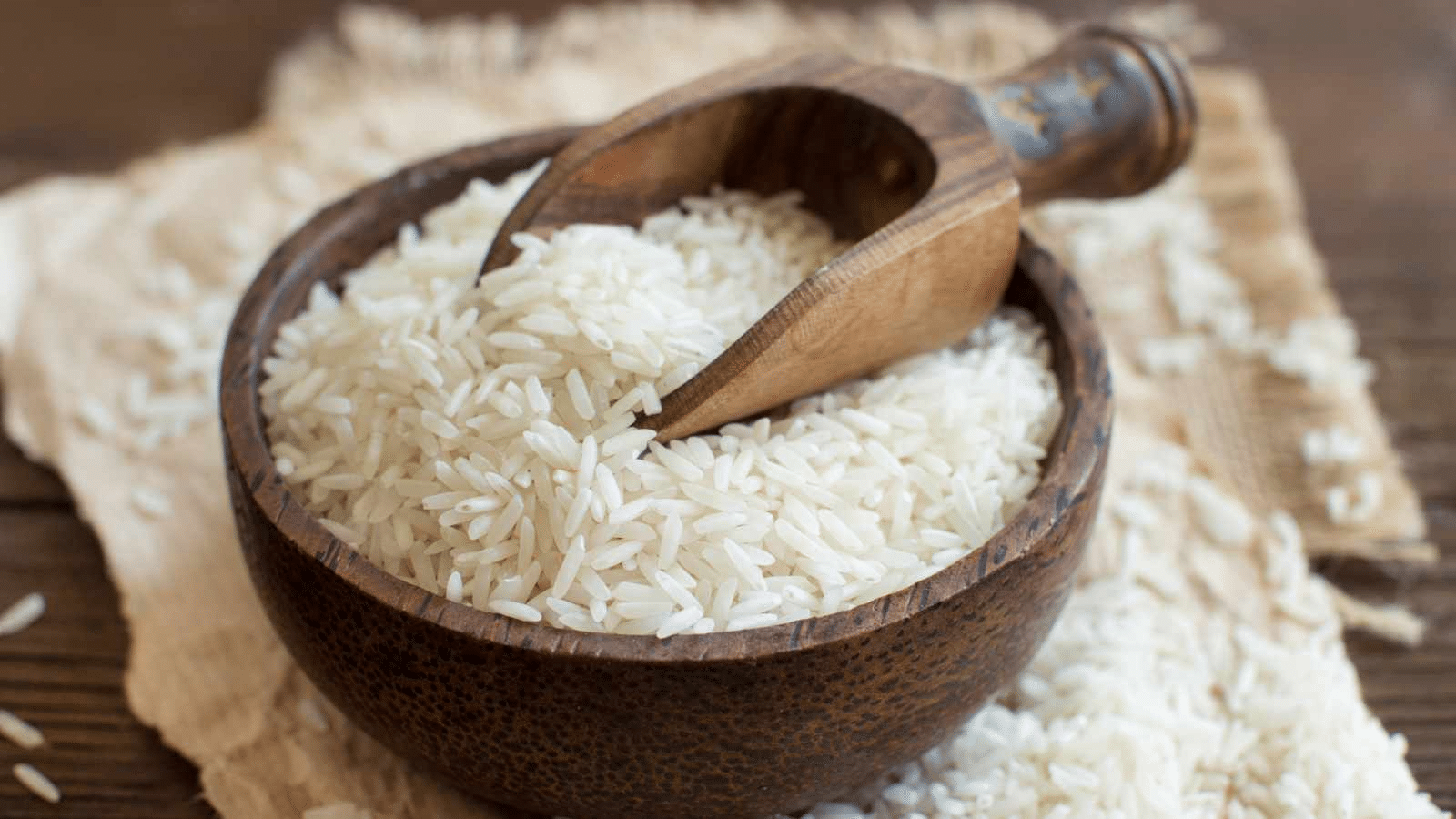
16 Grocery Staples to Stock Up On Before Prices Spike Again
I was in the grocery store the other day, and it hit me—I’m buying the same things I always do, but my bill keeps getting higher. Like, I swear I just blinked, and suddenly eggs are a luxury item. What’s going on?
Inflation, supply-chain delays, and erratic weather conditions have modestly (or, let’s face it, dramatically) pushed the prices of staples ever higher. The USDA reports that food prices climbed an additional 2.9% year over year in May 2025—and that’s after the inflation storm of 2022–2023.
So, if you’ve got room in a pantry, freezer, or even a couple of extra shelves, now might be a good moment to stock up on these staple groceries—before the prices rise later.
6 gas station chains with food so good it’s worth driving out of your way for

6 Gas Station Chains With Food So Good It’s Worth Driving Out Of Your Way For
We scoured the Internet to see what people had to say about gas station food. If you think the only things available are wrinkled hot dogs of indeterminate age and day-glow slushies, we’ve got great, tasty news for you. Whether it becomes part of a routine or your only resource on a long car trip, we have the food information you need.
Let’s look at six gas stations that folks can’t get enough of and see what they have for you to eat.





