

Sometimes the body whispers before it shouts, and carbs are often the quiet culprit behind those signals.
According to CDC data, carbohydrates account for approximately 45.9% of total daily calorie intake for men and 47.4% for women in the United States. I used to think that “too many carbs” was just fitness talk reserved for athletes or influencers with protein shakes in hand. But then I noticed how sluggish I felt after a weekend of pizza, bagels, and pasta, and it hit me: maybe carbs were running the show.
The truth is, our bodies need them, but too much of a good thing can start leaving clues if you pay attention. Some signs are obvious, like crashing after lunch, while others sneak up on you, such as constant brain fog or an afternoon snack obsession. Let’s talk about those little red flags, because knowing them makes it easier to bring balance back without giving up every slice of bread.
You crash hard after meals

If you’re ready for a nap an hour after eating, carbs might be at play. Meals heavy in refined carbs can cause your blood sugar to spike quickly, then dip just as fast. That sharp rise and fall often leads to fatigue that feels like someone pulled your plug.
A study in BMJ Open Diabetes Research & Care has shown that high-glycemic meals are strongly associated with post-meal fatigue. Adding more protein and fiber can slow down digestion and help maintain steady energy levels.
Your cravings never really stop

Ever notice that after eating something carb-heavy, you’re hungry again not long after? Refined carbs digest quickly, leaving your stomach feeling empty even after you’ve just eaten. This cycle often prompts you to snack more, creating a loop that feels endless.
A study in Obesity found that highly processed carbs trigger the brain’s reward system, making you want more almost immediately. Choosing whole-grain carbs, such as oats or quinoa, provides your body with longer-lasting energy.
Your lab work shows rising triglycerides

Sometimes the most evident signs come from a doctor’s visit, rather than how you feel day-to-day. Consistently consuming too many refined carbohydrates can lead to elevated triglyceride levels in your blood. High triglycerides increase the risk of heart disease, which is already a concern for many adults.
According to the American Heart Association, normal levels are under 150 mg/dL; however, diets high in added sugars can significantly increase those numbers. Paying attention early helps prevent bigger problems down the road.
Your waistline is slowly expanding

Carbs themselves aren’t the villain, but eating too many refined ones can make weight management tricky. When your body takes in more glucose than it needs, the extra gets stored as fat.
It’s not about banning bread, but about being mindful of how often refined versions sneak onto your plate. Small swaps, such as brown rice instead of white, can make a significant difference over time.
You get frequent bloating

If your stomach feels puffy after meals, carbs could be part of the story. Foods like white bread, pasta, and sugary treats can cause water retention as your body stores glycogen with extra fluid.
Data shows that, on average, each gram of glycogen is stored with about three grams of water. That’s why a carb-heavy weekend can leave you feeling uncomfortably full come Monday. Shifting to whole, fiber-rich carbs often helps alleviate the bloated feeling.
Your dental checkups keep finding cavities

Sugar isn’t the only thing feeding bacteria in your mouth—refined carbs break down into sugars, too. Crackers, chips, and breads can all linger on teeth, creating the same environment that leads to decay.
If your dentist keeps shaking their head, it might be worth looking at carb-heavy snacks. Brushing and flossing help, but reducing refined carbs gives your teeth extra protection.
Your mood swings feel unpredictable

One minute you’re fine, the next you’re irritable, and you’re not sure why. Fluctuating blood sugar levels caused by excessive refined carbs can play a significant role here. When sugar levels drop quickly, your brain doesn’t get steady fuel, which can leave you cranky or anxious.
A report from Harvard Medical School highlights that diets high in refined carbohydrates and ultra-processed foods are associated with a significantly increased risk of depression. Balancing meals with protein and healthy fats helps to level out emotions.
Your skin is breaking out

If acne flare-ups remind you of your teenage years, excess carbs could be playing a role. High-glycemic diets increase insulin levels, which in turn boost hormones that trigger oil production in the skin.
Save this article
It’s not the only factor, of course, but cutting back can give your skin a clearer chance. Pairing lower-glycemic carbs with plenty of water and veggies is kinder to your complexion.
You have constant brain fog

If you catch yourself rereading the same email three times before it makes sense, carbs might be part of the culprit. Quick-digesting carbs can cause blood sugar spikes, followed by crashes, which can affect focus.
Over time, that pattern leaves you with mental sluggishness that feels like your brain’s running on low power. Research has shown that diets high in refined carbohydrates are associated with poorer memory and concentration. More whole foods and steady fuel help keep thinking sharp.
You notice unusual energy spikes and dips

One day you’re wired, the next you’re dragging, and it all feels unpredictable. High-carb meals can cause energy to swing up and down because of the way they affect blood sugar.
This instability doesn’t just affect your afternoons—it can shape your whole week. Choosing meals that balance carbs, protein, and fat helps maintain more stable energy levels throughout the day.
Your sleep feels restless

A high-carb dinner might help you fall asleep faster, but it can also mean waking up in the middle of the night. That’s because the sugar rollercoaster doesn’t stop when you’re sleeping.
A study found that diets high in refined carbs were linked to a greater risk of insomnia in women. Instead of relying on carbs before bed, foods rich in magnesium or protein can be gentler sleep aids. Better balance means better rest.
You feel like you’re always thirsty

Excess carbs can cause blood sugar to climb, and when that happens, your body pulls water to flush out the extra glucose. This can leave you constantly reaching for a drink, even when you haven’t exercised or eaten salty food.
In some cases, frequent thirst paired with high-carb eating patterns can be an early sign of insulin resistance. It doesn’t mean carbs are the enemy, but it’s a signal your body is asking for balance. Adding more fiber-rich, nutrient-dense foods helps maintain steady hydration levels.
Key takeaways

Carbs aren’t bad, but balance matters. Your body needs them for fuel, yet too many refined carbs can trigger everything from fatigue to mood swings.
The signs show up in everyday life. Constant cravings, bloating, brain fog, breakouts, and restless sleep are all red flags that your carb intake may be off.
Your long-term health can also be affected. Rising triglycerides, dental issues, and even skin flare-ups are linked to diets heavy in refined carbs and added sugars.
Small swaps make a big difference. Choosing whole grains, increasing protein and fiber intake, and monitoring portion sizes can help stabilize blood sugar and energy levels.
Disclaimer – This list is solely the author’s opinion based on research and publicly available information. It is not intended to be professional advice.
16 grocery staples to stock up on before prices spike again
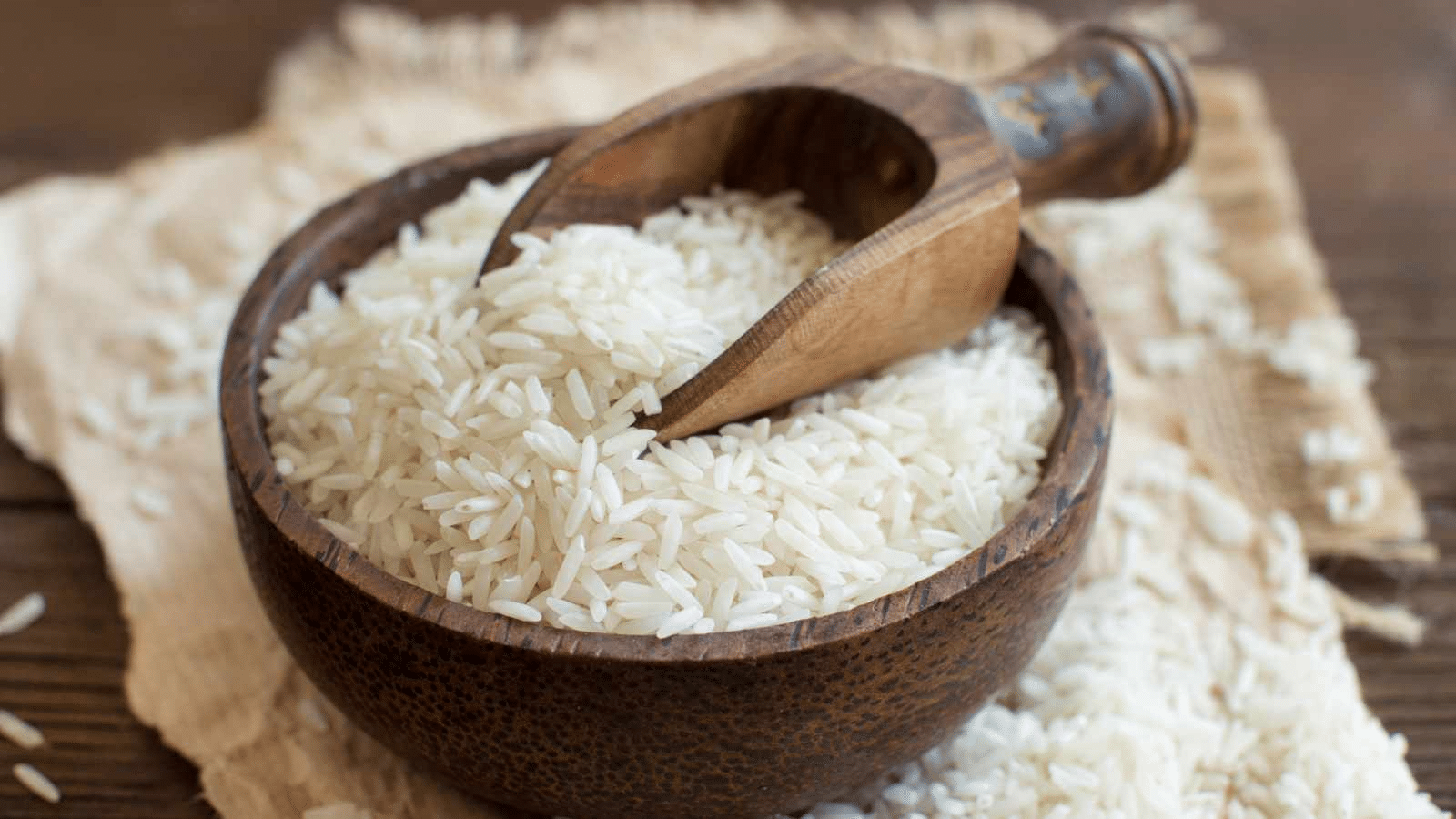
16 Grocery Staples to Stock Up On Before Prices Spike Again
I was in the grocery store the other day, and it hit me—I’m buying the same things I always do, but my bill just keeps getting higher. Like, I swear I just blinked, and suddenly eggs are a luxury item. What’s going on?
Inflation, supply-chain delays, and erratic weather conditions have modestly (or, let’s face it, dramatically) pushed the prices of staples ever higher. The USDA reports that food prices climbed an additional 2.9% year over year in May 2025—and that’s after the inflation storm of 2022–2023.
So, if you’ve got room in a pantry, freezer, or even a couple of extra shelves, now might be a good moment to stock up on these staple groceries—before the prices rise later.
6 gas station chains with food so good it’s worth driving out of your way for
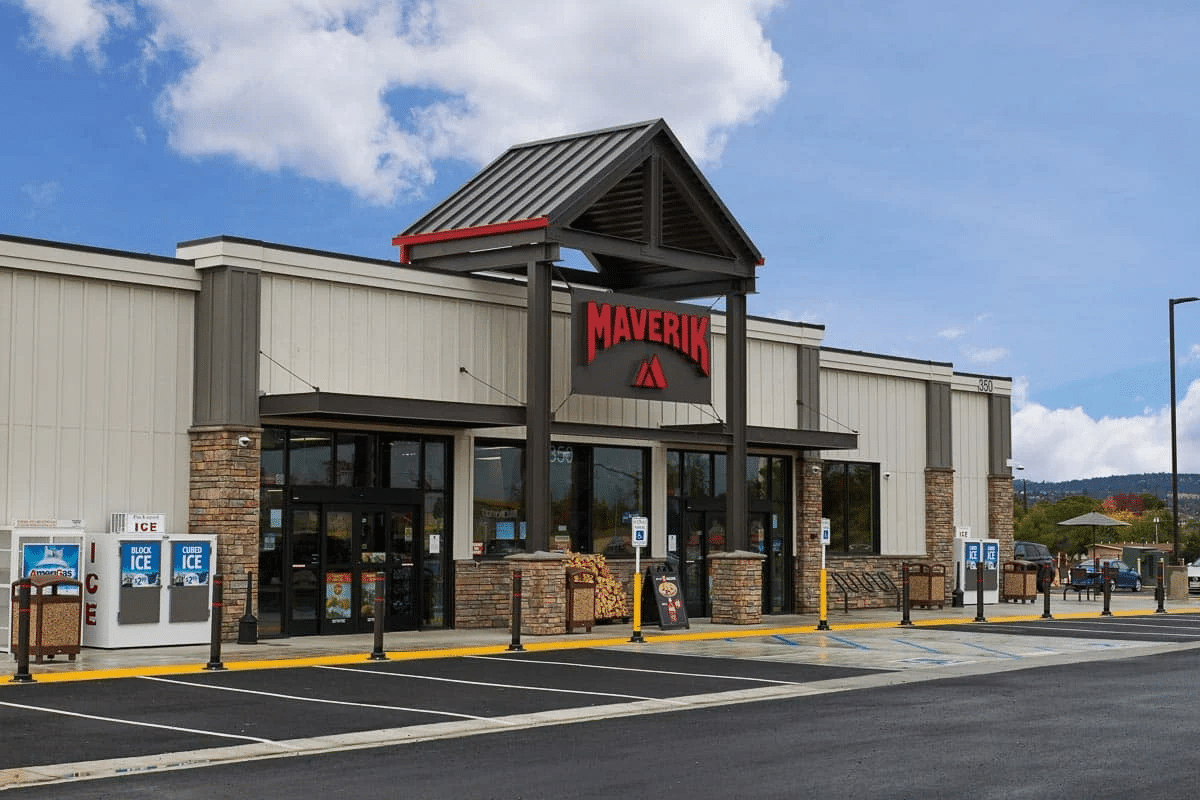
6 Gas Station Chains With Food So Good It’s Worth Driving Out Of Your Way For
We scoured the Internet to see what people had to say about gas station food. If you think the only things available are wrinkled hot dogs of indeterminate age and day-glow slushies, we’ve got great, tasty news for you. Whether it becomes part of a routine or your only resource on a long car trip, we have the food information you need.
Let’s look at six gas stations that folks can’t get enough of and see what they have for you to eat.





