Behind the charming facades of America’s small towns lies a quieter story of decline, aging populations, and economic fragility.
Across America, small towns showcase charming Main Streets, lively restaurants, and postcard-perfect beauty that attract tourists and inspire glowing travel features. On the surface, they appear prosperous, with strong community spirit and stable finances that suggest their economic struggles are behind them.
Beneath that appeal, though, lies a tougher truth. Many of these towns are quietly losing population, aging rapidly, and relying on short-term tourism revenue to stay afloat. Behind the polished storefronts, they face shrinking tax bases and declining local engagement, a slow erosion that threatens the very identity they work so hard to preserve.
Deadwood, South Dakota

Deadwood’s reputation is firmly tied to its Wild West history, legalized gambling, and its status as a tourist attraction and gaming destination. The town has heavily invested in preserving its facades and leverages the tourist money to maintain the beauty of its historic core.
Despite the millions of tourist dollars, the town remains small, with an aging population base that struggles to sustain services outside of the busy tourist season.
Wallace, Idaho

Wallace, Idaho, is a charming mining town that is entirely listed on the National Register of Historic Places, preserving its past beauty as a successful lure for travelers and curiosity seekers. Its main street often buzzes with visitors exploring the old silver mines and enjoying the town’s architectural inspiration.
Despite the influx of visitors, Wallace’s permanent population has steadily declined for decades following the departure of the big mining jobs. While the U.S. Census Bureau reported that Idaho experienced significant growth from 2020 to 2023, these small, rural communities often present a different demographic picture, relying heavily on tourism revenue to sustain themselves.
Eureka Springs, Arkansas

Nestled in the Ozarks, Eureka Springs is known for its winding Victorian streets, art galleries, and popularity as a wedding and travel destination. The vibrant beauty and constant influx of tourists give the impression of a prosperous and culturally rich lifestyle.
Yet the town struggles with an aging core and a shrinking year-round resident base. The median age here is approximately 50.9, which is significantly higher than the state average, placing a substantial and continually growing burden on local health services and the town’s limited budget.
Bisbee, Arizona

This former copper mining hub has successfully reinvented itself as a high-desert arts colony and travel destination, drawing visitors with its bohemian lifestyle and unique, preserved architecture. The thriving main street, full of studios and food spots, suggests a vibrant economic model.
However, the tax revenue generated by art sales doesn’t easily replace income from heavy industry, and the local finances remain fragile. The town’s median age is high at 61.7, indicating that this type of renewal attracts retirees but fewer young families, which complicates future infrastructure upkeep..
Astoria, Oregon

Sitting at the mouth of the Columbia River, Astoria boasts a picturesque setting, a revitalized waterfront, and a popular local food and craft scene. This coastal beauty and desirable lifestyle have successfully attracted a stream of new money in recent years.
The community is grappling with severe infrastructure funding shortfalls because new small businesses don’t fully offset the lost timber and fishing revenue. The local tax base struggles with the enormous costs of maintaining a deep-water port and aging municipal structures.
Marfa, Texas

Marfa is an internationally recognized destination for contemporary art and stark minimalist beauty, attracting artists, finance professionals, and high-end travelers. Its art inspiration has given the small community an outsized profile and the appearance of boundless wealth.
This arts-focused lifestyle has driven property values sharply higher, making it nearly impossible for locals to afford to live there. As a result, the town experiences significant strain on its community, as essential workers cannot afford the local housing budget.
Cape May, New Jersey

Cape May is the quintessential wealthy, seaside Victorian beach town, renowned for its elegant beauty and high-end summer appeal. Its gorgeous homes and substantial seasonal revenue create a perfect illusion of year-round fiscal prosperity.
The massive seasonal swing, however, means that local businesses must generate the bulk of their revenue during a few months, creating a severe challenge for the small, permanent population. These year-round residents are burdened by the high cost of maintaining the infrastructure of a central resort town.
Skaneateles, New York

Save this article
Perched on the Finger Lakes, Skaneateles radiates wealth and tranquility. Its pristine waters, elegant homes, and upscale shops draw both tourists and summer residents seeking a peaceful retreat.
Yet that same seasonal pattern weakens the town’s civic life. Skaneateles looks idyllic, but the absence of permanent residents quietly undermines its sense of community.
Galena, Illinois

Galena’s 19th-century streets and charming storefronts make it a favorite weekend getaway for visitors across the Midwest. Its dedication to preservation has paid off in steady tourism and national recognition.
Still, the town’s economy depends almost entirely on visitors. When tourism dips, Galena’s finances falter, leaving it reliant on state and federal support to maintain its infrastructure and historic buildings. It’s a cycle that keeps the town beautiful but precarious
Telluride, Colorado

Telluride stands as one of the world’s premier mountain destinations. With its ski slopes, film festival, and breathtaking alpine views, it feels insulated from the economic struggles that plague other rural areas.
Yet that prosperity doesn’t always reach those who keep the town functioning. Housing costs are so extreme that many workers live far outside the area, commuting long distances each day. Despite the wealth pouring in, affordability remains out of reach for much of its workforce, creating deep economic divides.
Sitka, Alaska

Set against a backdrop of ocean and mountains, Sitka looks like a dream. The fishing industry and cruise ship tourism bring steady activity, painting the picture of a stable, prosperous coastal town.
But Sitka faces a severe affordability crisis. The cost of living is about 33% higher than the national average. Everyday staples from groceries to housing are increasingly out of reach, pushing younger families to leave and hollowing out the town’s social foundation.
Lake Placid, New York

Lake Placid has a global reputation thanks to its Olympic legacy and year-round tourism. Outdoor recreation, film festivals, and sports events keep the local economy moving and the brand alive.
Even so, poverty remains widespread outside the village core. The region depends heavily on tourism, which brings in revenue but is not always a sustainable source of income for residents. The Olympic glow endures, but the economic reality behind it is far dimmer.
Key Takeaway

These small towns serve as powerful reminders that external appearances built on tourism and second-home ownership often create only a fragile illusion of prosperity. Without the stability of long-term jobs and the daily strength of a connected local community, even the most beautiful places can slowly lose their lifeblood, emptying behind a polished exterior.
Disclaimer: This list is solely the author’s opinion based on research and publicly available information. It is not intended to be professional advice.
Disclosure: This article was developed with the assistance of AI and was subsequently reviewed, revised, and approved by our editorial team.
Don’t Swipe Until You Read This: The 7 Best Credit Cards for 2025 Ranked by Rewards

The 7 Best Credit Cards for 2025 Ranked by Rewards
There’s this moment that sticks with me—standing at a checkout line, swiping my old card like I always did, and thinking, “Wait… why am I not getting anything back for this?” I wasn’t traveling on points. I wasn’t getting cash back. I was just spending. Sound familiar?
Look, the truth is, credit cards can work for you—if you choose the right one. And in 2025, you’ve got some advantageous options that can actually boost your bank account. From travel lovers to grocery haulers, there’s something for everyone.
Let’s break down the best credit cards out there this year—the ones that actually give back.
6 Gas Station Chains With Food So Good It’s Worth Driving Out Of Your Way For
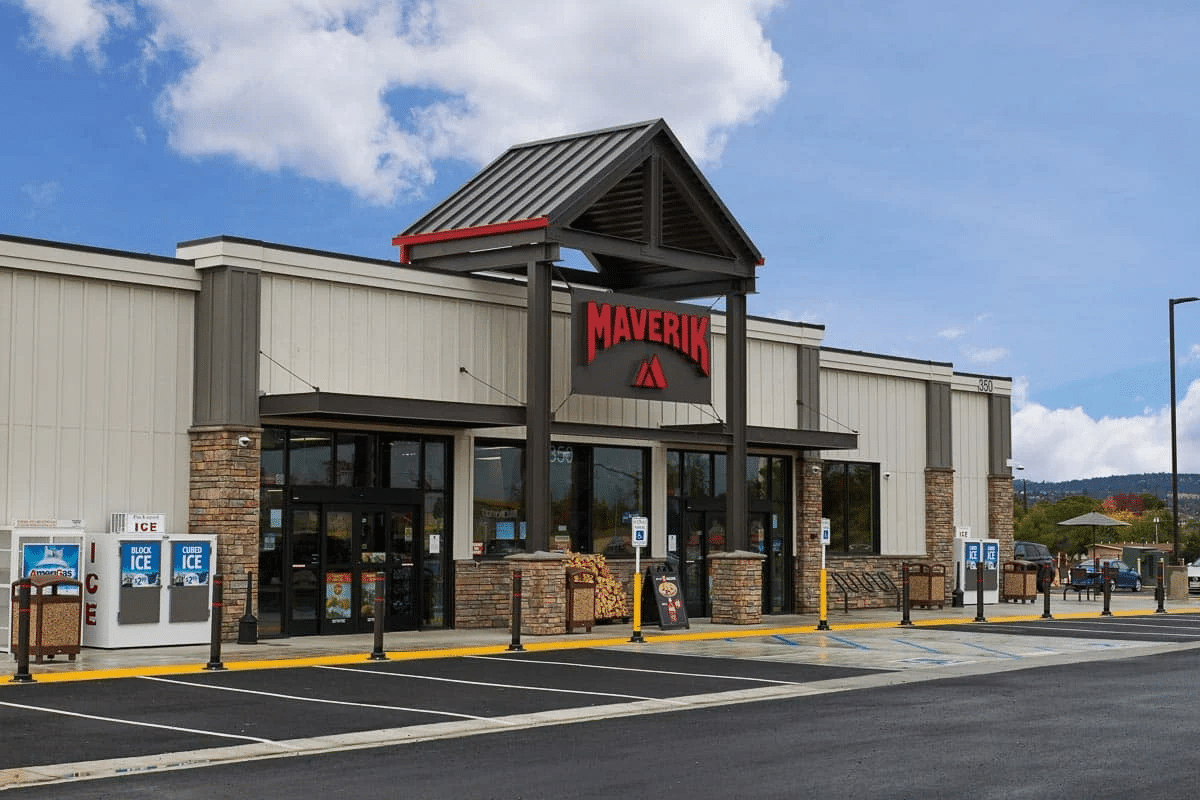
6 Gas Station Chains With Food So Good It’s Worth Driving Out Of Your Way For
We scoured the Internet to see what people had to say about gas station food. If you think the only things available are wrinkled hot dogs of indeterminate age and day-glow slushies, we’ve got great, tasty news for you. Whether it becomes part of a routine or your only resource on a long car trip, we have the food info you need.
Let’s look at six gas stations that folks can’t get enough of and see what they have for you to eat.