For Baby Boomers, nostalgia isn’t just sentiment; it’s a response to a world that feels faster, louder, and less personal than the one they grew up in.
The Baby Boomer generation came of age during a period of massive economic growth and cultural transformation, and their collective memory serves as a powerful engine of nostalgia. For many, modern life, with its constant digital pings and rapid technological shifts, feels like a different planet from their childhood.
This generation always remembers a world where the pace was slower and earning a living seemed less complicated. That longing isn’t just about missing youthful memories or old friends; it’s about a desire for a particular lifestyle, one built on face-to-face connections and simple pleasures that money can’t buy.
Missing Simpler Financial Planning

Many Baby Boomers long for the days when the path to financial stability seemed more transparent and more straightforward. Their early working years didn’t involve the constant worry about market volatility or the need for intensive budgeting apps; people had bank passbooks and trusted local tellers..
The Charm Of Neighborhood Grocery Stores

Baby Boomers often reminisce about grocery shopping before the era of mega-chains and self-checkout lines. They recall neighborhood stores where the butcher knew your name, the baker gave out free cookies, and the service was personal, fostering genuine relationships.
These local markets were vital community hubs, offering a sense of consistency that is missed today. From 1990 to 2015, the number of U.S. independents decreased by 39%; this decline has been significant, as large chains have dominated the market.
The Glamour Of Air Travel

Older generations frequently talk about a time when air travel was simple, civilized, and even glamorous. Boarding a plane was quick, security was minimal, and you could easily walk right up to the gate to greet arriving family or say goodbye.
The post-9/11 security era, while necessary for health and safety, dramatically changed this experience, replacing ease with long lines and procedures. Many miss the days when flying felt less like an ordeal and more like a carefree part of a larger, exciting adventure.
The Affordability Of Home Ownership

A common thread of boomer nostalgia is the affordability of housing and the ease of achieving homeownership. They recall a time when a modest, single-income could buy a home, providing a stable foundation for a family’s lifestyle.
This is in stark contrast to the current housing market, where young families face enormous financial burdens. The median home price in 1970, adjusted for inflation, was significantly lower than today’s, making entry into the market more accessible.
Stronger Neighborhood Ties

Boomers cherish the memory of close-knit communities where everyone knew their neighbors, kids played outside until the streetlights came on, and doors were often left unlocked.
This sense of shared responsibility built stronger social relationships. This idea underpins the boomer appreciation for shared experiences over individual achievement. They believe that modern isolation has eroded this valuable aspect of social health.
Mandatory Family Dinner Recipes

Many boomers recall a period when nightly family dinners were the mandatory, non-negotiable anchor of the day. These meals, often prepared using simple, classic recipe methods, were a core pillar of family relationships and routine.
During the mid-20th century, the shared family dinner represented a cultural ideal of domestic stability and was considered essential for reinforcing family values. One review noted that regular family meals are strongly correlated with better communication and mental health among all household members.
The Freedom Of Unstructured Playtime

The generation fondly remembers childhoods spent outdoors without the constant supervision or structured schedules common today. They were given a long leash for adventure and creativity, sparking their own inspiration and problem-solving skills.
This freedom allowed them to take risks, make mistakes, and learn from them directly. Studies by PMC show that outdoor play, standard in the boomer era, correlates with higher self-reliance and better physical health.
Save this article
Shared Cultural Media Experiences

Baby Boomers miss the days of simpler media consumption, when television consisted of three main networks and the shared experience of watching the same show at the same time. The current digital era is overwhelming with choices.
This collective experience created genuine cultural touchstones and provided a shared reference point for relationships and conversation. In 1960, the average American home had fewer than four television channels; today’s cable and streaming bundles number in the hundreds.
The Tangible Feel Of Money

For a generation raised on physical coins and paper currency, the shift to digital money and seamless transactions feels impersonal and abstract. They appreciated the tactile reality of counting change and knowing exactly where their money was going.
The simplicity of pocket money taught them the value of responsibility and the satisfaction of saving up for a desired item.
The Greater Beauty Of Formal Dress

The casualization of clothing and personal beauty standards is something many boomers view with a wistful eye. They recall an era when people consistently made an effort to present themselves well in public, reflecting a greater sense of decorum and respect for others.
Getting dressed up for a trip or dinner. This isn’t about snobbery; it’s about missing the shared feeling that special occasions warranted a greater expression of personal beauty and care.
More Personal Health Care Solutions

While no one truly misses the medical limitations of the past, many Baby Boomers express nostalgia for a time when healthcare felt more personal and less industrial. They remember the comfort of having a single family doctor who not only knew their entire medical history but also understood their daily life and habits.
Today’s system, marked by confusing insurance structures, endless referrals to specialists, and rising out-of-pocket costs, often feels fragmented and impersonal, leaving patients longing for the trust and simplicity that once defined their care.
Disclaimer: This list is solely the author’s opinion based on research and publicly available information. It is not intended to be professional advice.
Disclosure: This article was developed with the assistance of AI and was subsequently reviewed, revised, and approved by our editorial team.
Key Takeaway

The Boomers’ nostalgia is rooted in more than just sentiment; it is a longing for a simpler structure that always led towards greater security. Their old-school principles offered valuable guidance for navigating today’s complexities.
15 Foods From the ’60s Most Boomers Loved With a Passion

15 Foods From the ’60s Most Boomers Loved With a Passion
The 1960s were a period of profound social and cultural transformation in America. As the baby boomer generation came of age, they embraced new ideas, fashion trends, and music styles. And when it came to food, some beloved dishes defined this era.
Here are 15 foods from the ’60s that most boomers loved passionately.
6 Gas Station Chains With Food So Good It’s Worth Driving Out Of Your Way For
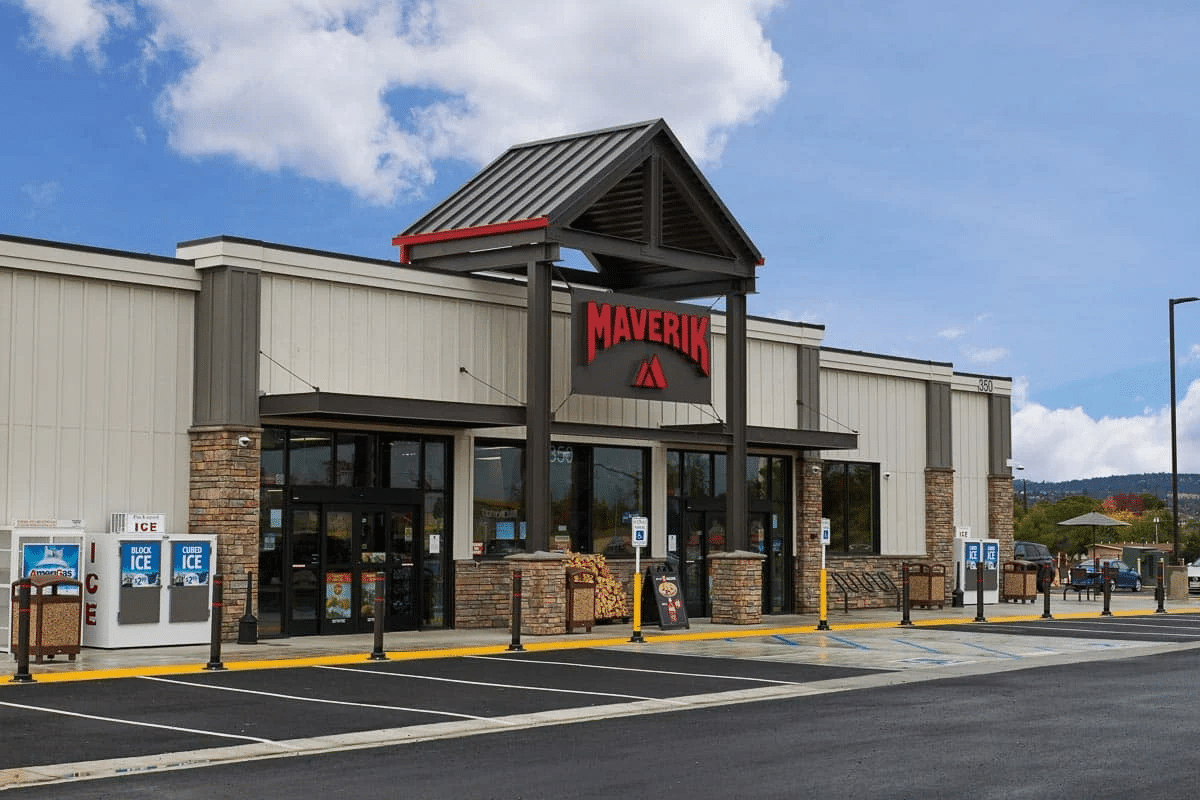
6 Gas Station Chains With Food So Good It’s Worth Driving Out Of Your Way For
We scoured the Internet to see what people had to say about gas station food. If you think the only things available are wrinkled hot dogs of indeterminate age and day-glow slushies, we’ve got great, tasty news for you. Whether it becomes part of a routine or your only resource on a long car trip, we have the food info you need.
Let’s look at six gas stations that folks can’t get enough of and see what they have for you to eat.