You know that colleague who says “fine,” but with all the gloom of the damned? Or that friend who says yes to plans, then shows up two hours late and without any excuse? Welcome to the land of passive-aggressiveness. According to a Preply survey, 73% of Americans have experienced passive-aggressive communication at work, with 52% encountering it on a weekly basis.
The silent treatments, eye rolls, and backhanded compliments can make you feel like you’re losing your mind. The fact is, you can learn to handle these situations without losing your cool and sanity.
Recognize the signs early

Passive-aggressive behavior often hides behind phony smiles and backhanded compliments. You may encounter variations, such as “thanks for finally getting back to me,” or someone saying “sure” and then failing to set aside the time.
Sure, the silent treatment, chronic tardiness to meetings, and all those “innocent” sarcastic remarks are red-flag behaviors. Once you recognize the warning signs, you’ll save hours of frustration and confusion later. It’s like spotting storm clouds before the rains come. Once you know what to look for, you can make preparations.
Address it head-on, but keep your cool

When you encounter passive-aggressive behavior, you may either want to ignore it entirely or react strongly. For instance, instead of telling someone “you’re being passive-aggressive,” consider saying “I noticed the report was overdue again, and I would like to get to the bottom of why it’s not getting submitted in a timely fashion.”
According to Verywell Mind, expressing how passive-aggressive behavior affects you is an example of assertive communication, which leads to more productive dialogue. The key is to stay factual and solution-focused, rather than emotional and accusatory.
Create space for honest conversations

Most passive-aggressiveness comes from a place of “I can’t express my true feelings without getting harmed in some way.” Building a sense that it’s okay to speak up and express a different view of reality can be a miracle. This might mean asking open-ended questions, such as “How do you feel about this project?” or “Should I know about something?”
According to Monster.com, increasing accountability and regular one-on-one check-ins can help mitigate passive-aggressive behavior by creating a more open communication environment where expectations are clear and employees feel comfortable voicing their concerns directly, thereby reducing the need for indirect or resentful behavior, such as withholding work or feedback.
Master the “i” statements

Here’s a communication hack that is pretty fail-safe: Talk about the effect it has on you, not about the other person. “Don’t say ‘you’re being difficult,’ instead say ‘I feel confused when deadlines change without my getting advance notice.’” This approach is less defensive, leading to a more productive discussion.
The magic of this is that you aren’t accusing them of anything, you’re just sharing your experience. It’s the difference between “you are a bad driver” and “I do not feel safe driving this fast in the car,” the same problem, entirely different response.
Build your emotional intelligence

People with high emotional intelligence are like kryptonite to passive-aggressive behavior. They can read between the lines. Verywell Mind states that unchecked aggression, including passive-aggressive behavior, can strain workplace relationships and lead to increased stress.
Developing emotional intelligence enables individuals to manage their emotions effectively and enhance their communication skills. Companies are catching on to the importance of investment in emotional intelligence training. This isn’t about becoming a mind reader; it’s about understanding your own emotions and recognizing patterns in others.
Set crystal clear boundaries

Passive-aggressive individuals often test the limits of what they can get away with. Establishing clear, consistent boundaries becomes a sharp contrast to this behavior. Those with clear expectations had less passive-aggressiveness. It’s essential to clearly define deadlines, communication methods, and consequences for breaking agreements.
For example, tune “Please get this to me soon” to “I need this report by 3 PM Thursday so I can review it before our Friday meeting.” Being clear about boundaries doesn’t make them kind, because it allows everyone to know exactly what’s expected.
Don’t take the bait

Passive-aggressive behavior feeds on reactions. When someone makes a sarcastic comment or gives you the cold shoulder, they’re often fishing for an emotional response. The most powerful thing you can do? Don’t give them one.
Oscar Wilde once said, “Always forgive your enemies; nothing annoys them so much.” While we’re not suggesting passive-aggressive people are enemies, the principle applies; staying calm and not engaging with the negative behavior often makes it stop.
Document everything, especially at work

Nobody wants to be the person taking notes on everything. Yet, sometimes you do need documentation to substantiate continued passive-aggressive behavior.
Save this article
HR Acuity emphasizes the importance of proper documentation in resolving workplace issues, including instances of passive-aggressive behavior. This doesn’t mean recording every conversation, but keeping track of missed deadlines, changed agreements, or patterns of behavior can be invaluable.
Stay consistent in your responses

Consistency can be a superhero power when it comes to passive-aggressive behavior. When your responses are consistent and reliable, the drama and surprise that passive-aggressive people are looking for is no longer there. That means responding to sarcasm exactly the same way each time, responding to missed deadlines with equanimity and professionalism, and not getting drawn into emotional roller coasters.
You might think of yourself as a lighthouse in times of trouble, with rough and stormy seas surrounding you, but you remain solid and predictable. It actually makes the other person feel safe being direct rather than passive-aggressive.
Give feedback that actually helps

Psychology Today states that passive-aggressive behavior often stems from employees who feel unacknowledged or unappreciated, leading them to express their frustration indirectly. People sometimes act out indirectly when they’re unsure of their standing or performance.
Regular, specific feedback can prevent passive-aggressive behavior from developing in the first place. Instead of waiting for annual reviews, consider holding brief weekly check-ins or providing immediate feedback on specific situations.
Know when to call in backup

Sometimes you just need a neutral third party to help break through longstanding passive-aggressive patterns. There is no shame in asking for help, whether that be a manager, HR representative, counselor, or friend who can help facilitate a conversation.
Mediation is effective precisely because it depersonalizes the process, placing the emphasis squarely on problem-solving. The mediator can help identify patterns that neither party may be aware of and facilitate new ways of communicating. Think of it as a referee in a game with constantly shifting rules. Someone needs to keep things fair and focused.
Create a positive environment

Prevention is always better than cure, and this applies to passive-aggressive behavior, too. Best Corporate Events & Team Building promotes team-building activities as a means to foster direct communication and reduce passive-aggressive behavior. This means celebrating successes, encouraging open and direct communication, and addressing problems before they escalate.
Building psychological safety so that people can openly express their feelings without worrying about retaliation is massive. Small gestures, such as soliciting input in meetings, thanking people for their perspectives, and expressing gratitude for candor, can significantly alter the dynamic.
Key takeaway

Dealing with passive-aggressive behavior doesn’t have to drain your energy or ruin your relationships. The strategies we’ve covered, from recognizing early signs to creating positive environments, provide you with a comprehensive toolkit for handling these challenging situations.
Start with one or two techniques that resonate most with your current situation, and remember that change takes time. Most people don’t wake up one day and decide to be passive-aggressive; it’s usually a learned response to feeling powerless or unheard. By staying consistent, setting clear boundaries, and fostering open communication, you’re not just protecting yourself; you’re also giving the other person a chance to develop healthier ways of expressing themselves.
Disclaimer – This list is solely the author’s opinion based on research and publicly available information. It is not intended to be professional advice.
16 Grocery Staples to Stock Up On Before Prices Spike Again

16 Grocery Staples to Stock Up On Before Prices Spike Again
I was in the grocery store the other day, and it hit me—I’m buying the exact same things I always do, but my bill just keeps getting higher. Like, I swear I just blinked, and suddenly eggs are a luxury item. What’s going on?
Inflation, supply-chain delays, and erratic weather conditions have modestly (or, let’s face it, dramatically) pushed the prices of staples ever higher. The USDA reports that food prices climbed an additional 2.9% year over year in May 2025—and that’s after the inflation storm of 2022–2023.
So, if you’ve got room in a pantry, freezer, or even a couple of extra shelves, now might be a good moment to stock up on these staple groceries—before the prices rise later.
6 Gas Station Chains With Food So Good It’s Worth Driving Out Of Your Way For
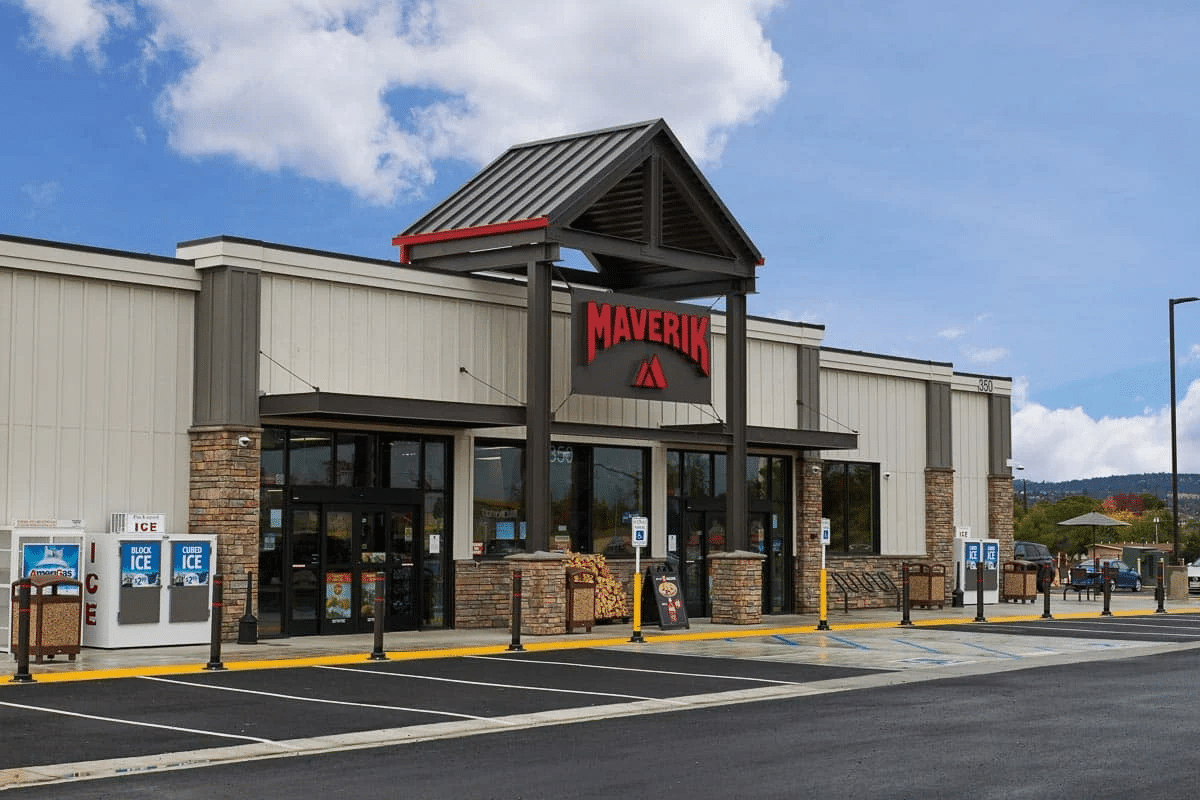
6 Gas Station Chains With Food So Good It’s Worth Driving Out Of Your Way For
We scoured the Internet to see what people had to say about gas station food. If you think the only things available are wrinkled hot dogs of indeterminate age and day-glow slushies, we’ve got great, tasty news for you. Whether it ends up being part of a regular routine or your only resource on a long car trip, we have the food info you need.
Let’s look at 6 gas stations that folks can’t get enough of and see what they have for you to eat.
Like our content? Be sure to follow us