

Debates about vegetarianism spark intense opinions and illustrate how culture, health concerns, and environmental considerations shape dietary choices. In most countries, only 3-5 percent of the population strictly adheres to a vegetarian diet, with meat consumption still dominating dietary patterns. Among Americans, for example, the average person gets 67 percent of their protein from animal sources, compared to a global average of 34 percent.
Despite increasing visibility for plant-based eating, arguments against vegetarianism—from doubts about nutritional adequacy to concerns about the environmental impact of crop production—remain persistent and deeply rooted in public discourse. As vegetarianism grows in popularity, so too does the urgency to address these commonly held counterclaims with a nuanced understanding and credible evidence. Here are 13 common arguments against vegetarianism.
Humans are naturally omnivores

Here’s the classic opener that gets thrown around at every barbecue: “But we evolved to eat meat.” The argument goes that our ancestors didn’t survive by munching on kale smoothies. Supporters point to our canine teeth, our digestive enzymes, and archaeological evidence showing that early humans chowed down on mammoths. Research published in Nature shows that prehistoric diets were quite diverse, with the ability to digest starch and animal protein giving early humans greater flexibility and resilience.
Just because we can do something doesn’t mean we should keep doing it forever. I mean, our ancestors also lived in caves and didn’t use deodorant. The evolutionary argument assumes that what worked for survival 10,000 years ago is automatically the best choice for modern life. It’s like saying we should still be using stone tools because that’s what got us this far.
Meat is a rich source of protein

This is every vegetarian’s favorite topic (and by favorite, I mean the one that makes them want to bang their heads against the wall). The argument is straightforward: meat delivers all nine essential amino acids in one neat package. A nutrition overview notes: “100 grams of beef contains 26 grams of protein.
Sure, meat is protein-dense, but so are lentils, quinoa, and hemp seeds. The real issue isn’t availability—it’s the mental gymnastics we do to convince ourselves that we need that much protein. Unless you’re training for the Olympics or trying to become the Hulk, most of us are getting way more protein than we actually need, regardless of our diet.
Vitamin and mineral deficiencies

The deficiency scare is probably the most legitimate concern on this list, and I’ll give credit where it’s due. B12 deficiency is real—AAFP notes it affects up to 6% of adults under 60 and 20% over age 60. Vitamin B12 is not naturally present in plant foods, so vegetarians and especially vegans must rely on fortified products or supplements to meet their nutritional needs. Iron and zinc bioavailability from plants can also be lower than from animal sources.
However, let’s be honest about something: most omnivores aren’t exactly winning any nutrition awards either. The Standard American Diet is packed with processed foods and nutritional gaps. At least vegetarians are thinking about their nutrition. Plus, B12 supplements cost like $10 and last for months. If taking a vitamin is the biggest hurdle to a plant-based diet, that’s actually pretty manageable.
Cultural and traditional practices

Food is deeply personal, and for many families, Sunday roast or holiday turkey isn’t just dinner; it’s a connection to their heritage. For example, in Argentina and Brazil, people treat beef as a national symbol and celebrate it through the asado (barbecue), which serves as a social and cultural event rather than just a meal.
I get it, I really do. Nobody wants to be the person who shows up to Thanksgiving with a tofurky and ruins grandma’s carefully planned menu. Food traditions create bonds and memories. But here’s the thing about traditions—they evolve. The Italians have created incredible plant-based versions of their nonna’s recipes that would make your mouth water. Culture isn’t static, and neither are the ways we can honor it.
Taste and enjoyment

Let’s not pretend this isn’t a big one. A National Library of Medicine study found that 83–91% of participants justified eating meat using the four categories, with “Nice” (tasty or enjoyable) among the most common. The umami-rich, savory satisfaction of a perfectly cooked steak or crispy bacon is undeniable.
But taste is also incredibly adaptable—more than most people realize. I used to think I couldn’t live without cheese, and now cashew-based mac and cheese hits the spot just fine. The “but it doesn’t taste as good” argument often comes from people who’ve never given plant-based alternatives a real shot. Plus, let’s be real: most meat gets its flavor from seasonings, marinades, and cooking techniques that work just as well on plants.
Convenience and accessibility

The convenience factor is legit, especially if you’re juggling work, family, and a social life. Ready-to-eat meats and fast food make omnivorous eating pretty straightforward. Statista reports that global processed meat sales exceeded $500 billion in 2023, which shows just how embedded these products are in our food system. When you’re exhausted after a 12-hour day, grabbing a rotisserie chicken feels a lot easier than cooking from scratch.
But convenience is largely about infrastructure and habit. Once you know where to find quick plant-based options and have a few go-to meals in your back pocket, it becomes second nature. The food industry is catching up, too—plant-based options are showing up everywhere from gas stations to airport food courts. It’s not 1995 anymore; you don’t need to hunt down specialty stores to eat vegetarian.
Cost concerns

Money talks, and this argument has some teeth. The Bureau of Labor Statistics found that U.S. households spend an average of $1,106 per year on meat, compared to $872 on fruits and vegetables. When you’re stretching every dollar, calorie-dense protein sources can seem like smart financial planning. Cost plays a significant role in food choices, with many people believing that meat delivers better value for money.
The cost argument gets tricky because it depends on what you’re comparing. Yeah, a Beyond Burger costs more than a regular burger, but dried beans cost way less than steak. The real issue is food accessibility—if you live in a food desert where fresh produce is expensive or hard to find, vegetarianism becomes a privilege rather than a choice. That’s a systemic problem that goes way beyond individual dietary decisions.
Perceived weakness or lack of energy

The “weak vegetarian” stereotype is alive and well, folks. A study published in Sustainability found that while most participants believed in the benefits of vegetarianism, some also recognized barriers, including concerns about nutrient intake and perceived health risks. Adequate nutrition, including high-quality animal protein, is essential for maintaining muscle mass and energy. The image of the pale, skinny vegetarian persists in popular culture.
This stereotype is interesting to consider, given that some of the world’s strongest athletes follow a plant-based diet. Ever heard of Patrik Baboumian, the world’s strongest man, who happens to be vegan? Or tennis champion Venus Williams? The weakness myth probably has more to do with poorly planned diets than vegetarianism itself. If you’re living on pasta and potato chips, yeah, you’re gonna feel tired—but that’s not the plants’ fault.
Nature and the food chain

Save this article
The “circle of life” argument suggests that eating meat is just following nature’s blueprint. Humans occupy a place on the food chain and are adapted to consume both plants and animals. The logic is that predation and omnivory reflect natural order and ecological balance, so vegetarianism somehow disrupts this cosmic harmony.
This argument is notable, considering that humans have been altering the “natural order” since the advent of agriculture, antibiotics, and modern technology. We don’t live like wild animals in any other aspect of our lives, so why should diet be different? Plus, factory farming—where most of our meat comes from—isn’t exactly what I’d call “natural.” If you want to follow nature, you’d be hunting your own food and eating seasonally, not grabbing a Big Mac at the drive-thru.
Livestock provide by-products beyond food

Livestock give us more than just dinner. According to the FAO’s World Statistical Compendium for Raw Hides and Skins, Leather and Leather Footwear, the leather industry has grown substantially. Between 1981 and 2006, exports rose by over 700% for light bovine leather and by nearly 364% for footwear. The argument goes that these materials are essential for various industries, and eliminating livestock would create shortages and economic disruption.
It’s a fair point, but it assumes we can’t find alternatives or that all these by-products are equally necessary. We’ve already developed synthetic leather, plant-based gelatin, and alternative materials for many traditional animal products. Some
Environmental debates

Some argue that plant agriculture is just as bad for the environment as animal agriculture. According to the Food and Agriculture Organization (FAO), agriculture accounts for approximately 10–12% of global greenhouse gas emissions. Crop monocultures, pesticide use, and water consumption raise environmental concerns, but sustainable animal agriculture is possible with proper management technologies.
This argument contains some truth but misses the bigger picture. Yes, large-scale agriculture has environmental impacts regardless of what’s being grown. But here’s the thing: livestock don’t exist on air and sunshine—they eat crops too, and lots of them. It takes way more plant calories to produce animal calories, so even imperfect plant agriculture is typically more efficient than feeding those same plants to animals first.
Personal freedom and choice

The libertarian angle: “It’s my body, my choice, so leave my diet alone.” Food choices reflect personal values, beliefs, and circumstances. Nobody likes feeling judged or pressured about their personal decisions, and dietary evangelism can definitely be annoying.
I’ll be honest—this argument is hard to argue with because it’s fundamentally about respect and autonomy. Everyone deserves to make their own choices without harassment. But personal freedom gets complicated when those choices have broader impacts on animals, the environment, or public health. It’s like smoking—sure, it’s your choice, but it doesn’t exist in a vacuum. The key is finding ways to discuss these impacts without being preachy or judgmental.
Religious or philosophical beliefs

For many people, diet isn’t just about nutrition—it’s about spiritual practice and moral frameworks. For example, observant Jews follow kosher laws that prohibit pork and shellfish and require them to slaughter meat in a specific manner.
This is probably the most personal argument on the list because it touches on core beliefs about life, death, and our relationship with other living beings. Some religious traditions emphasize humans’ dominion over animals, while others stress compassion and non-violence. These aren’t casual opinions—they’re deeply held convictions that shape how people see their place in the world. Respectful dialogue is essential here, even when we disagree.
Disclaimer – This list is solely the author’s opinion based on research and publicly available information. It is not intended to be professional advice.
16 Grocery Staples to Stock Up On Before Prices Spike Again
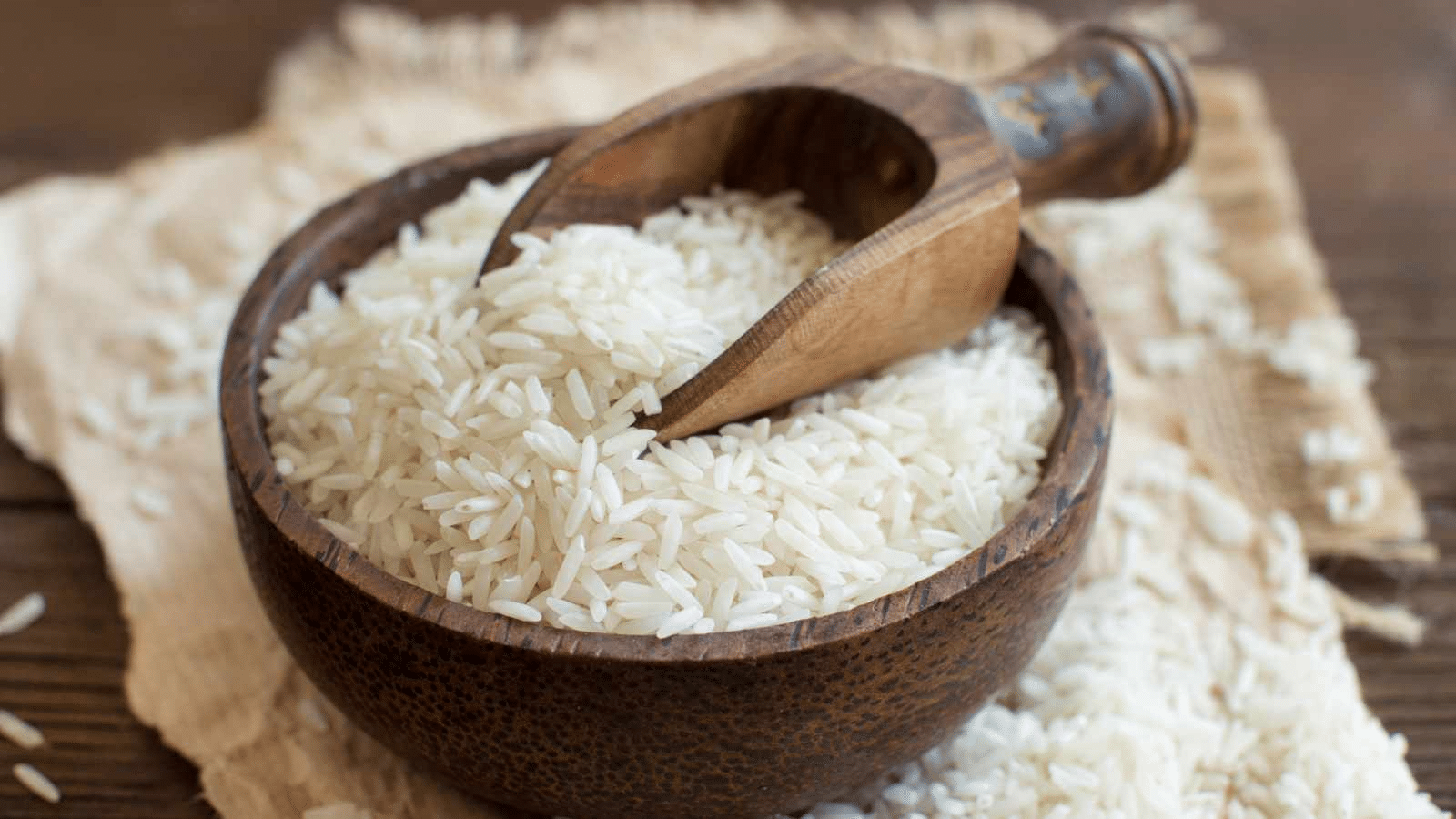
16 Grocery Staples to Stock Up On Before Prices Spike Again
I was in the grocery store the other day, and it hit me—I’m buying the exact same things I always do, but my bill just keeps getting higher. Like, I swear I just blinked, and suddenly eggs are a luxury item. What’s going on?
Inflation, supply-chain delays, and erratic weather conditions have modestly (or, let’s face it, dramatically) pushed the prices of staples ever higher. The USDA reports that food prices climbed an additional 2.9% year over year in May 2025—and that’s after the inflation storm of 2022–2023.
So, if you’ve got room in a pantry, freezer, or even a couple of extra shelves, now might be a good moment to stock up on these staple groceries—before the prices rise later.
6 Gas Station Chains With Food So Good It’s Worth Driving Out Of Your Way For
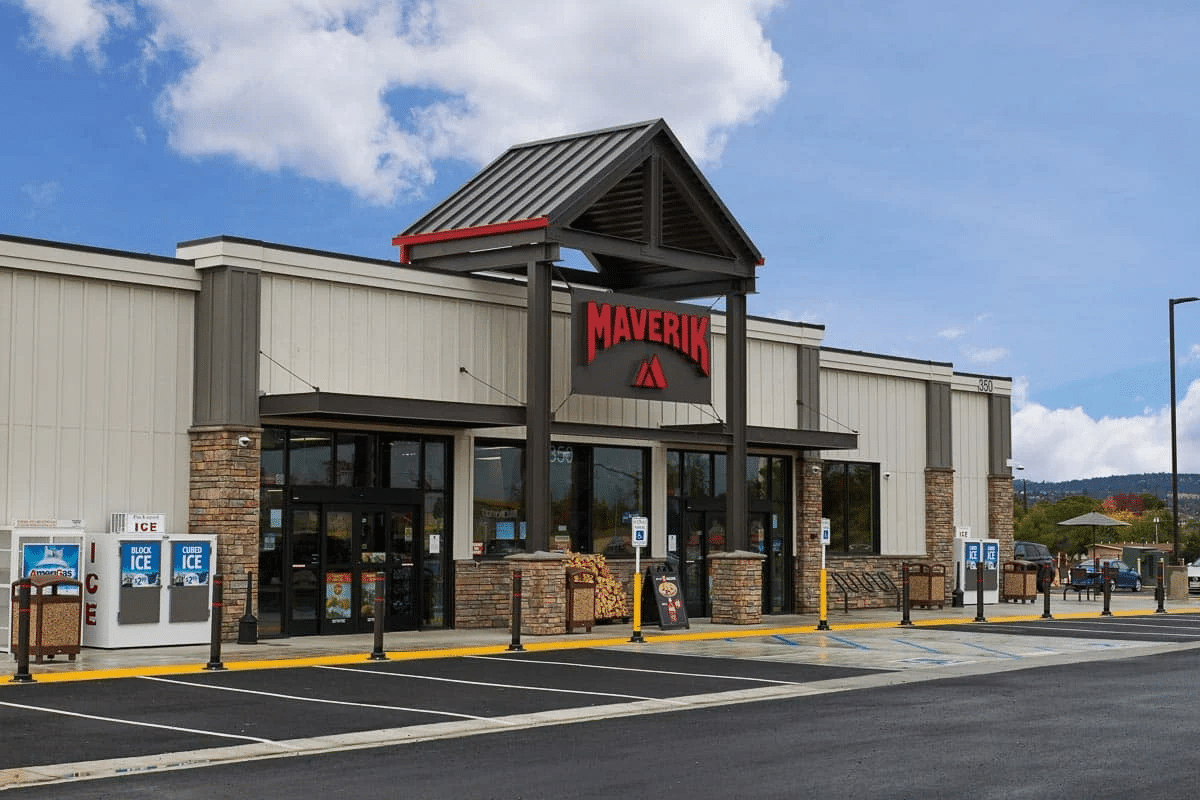
6 Gas Station Chains With Food So Good It’s Worth Driving Out Of Your Way For
We scoured the Internet to see what people had to say about gas station food. If you think the only things available are wrinkled hot dogs of indeterminate age and day-glow slushies, we’ve got great, tasty news for you. Whether it ends up being part of a regular routine or your only resource on a long car trip, we have the food info you need.
Let’s look at 6 gas stations that folks can’t get enough of and see what they have for you to eat.