

The first five minutes in a hotel room are my little ceremony. I swipe in, shut the door, and instead of throwing my suitcase on the bed like a movie character, I start quietly claiming the space.
Guest surveys from the American Hotel & Lodging Association show that travelers now rank cleanliness as the top factor when choosing a hotel, which tells me we’re all a bit suspicious of how “fresh” that room really is.
So over time, I’ve built a little ritual: thirteen small, slightly dramatic things I do the second I walk into a room. They’re half habit, half survival strategy, and by the time my suitcase finally touches anything, the space actually feels like mine.
I Do a Full “Security Sweep”
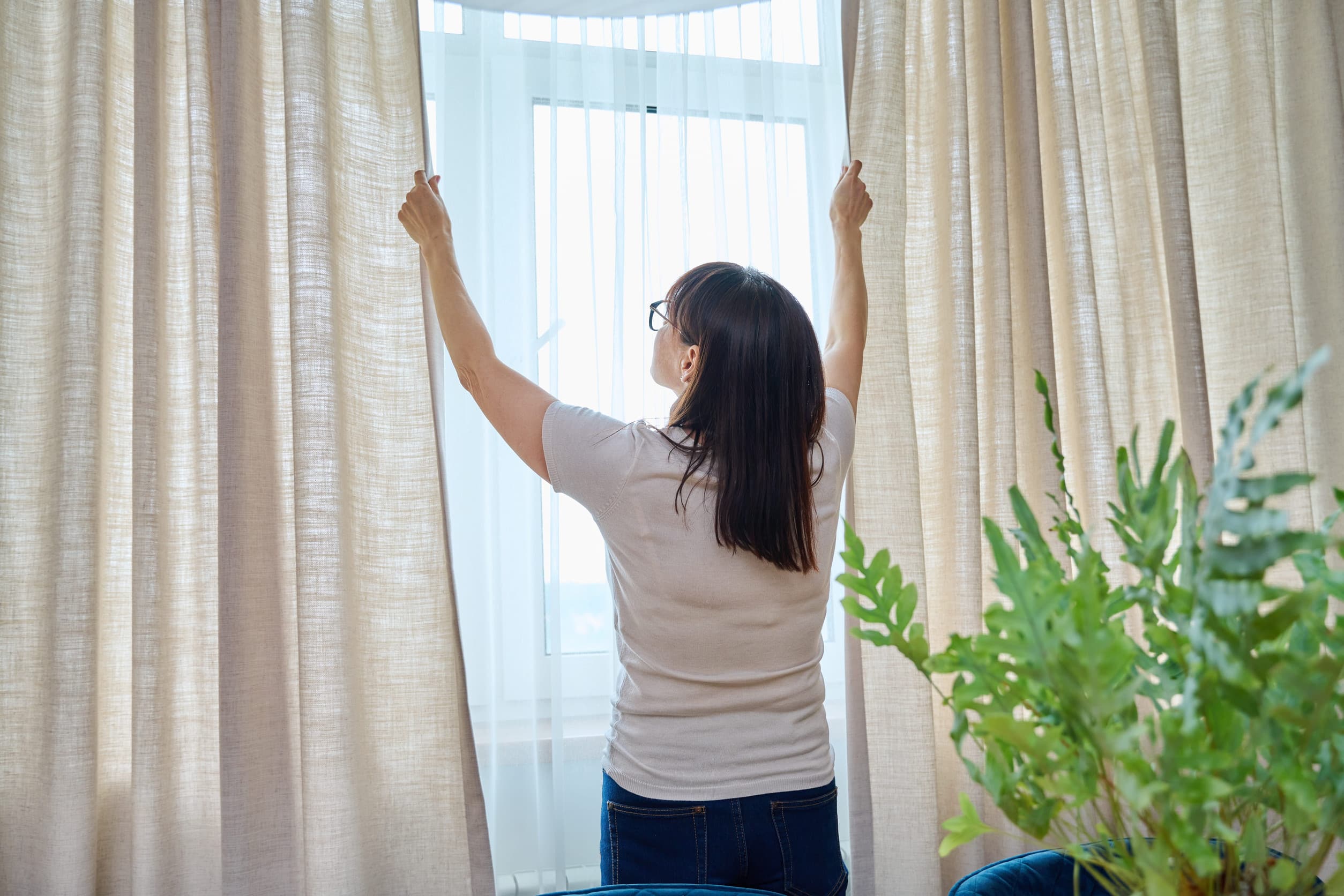
The door is barely closed before I turn into a human CCTV system, pacing the room like it owes me answers. Curtains first, because horror movies have taught us that nothing good hides behind fabric; then the shower, then under the bed.
Security experts actually back this little ritual, recommending a quick scan of every corner before you settle in, and the U.S. State Department says you should check doors, windows, and any connecting doors as soon as you arrive.
They even suggest keeping the door propped open while you do it, so if your gut whispers no, your feet can answer fast.
I Test Every Lock and Latch
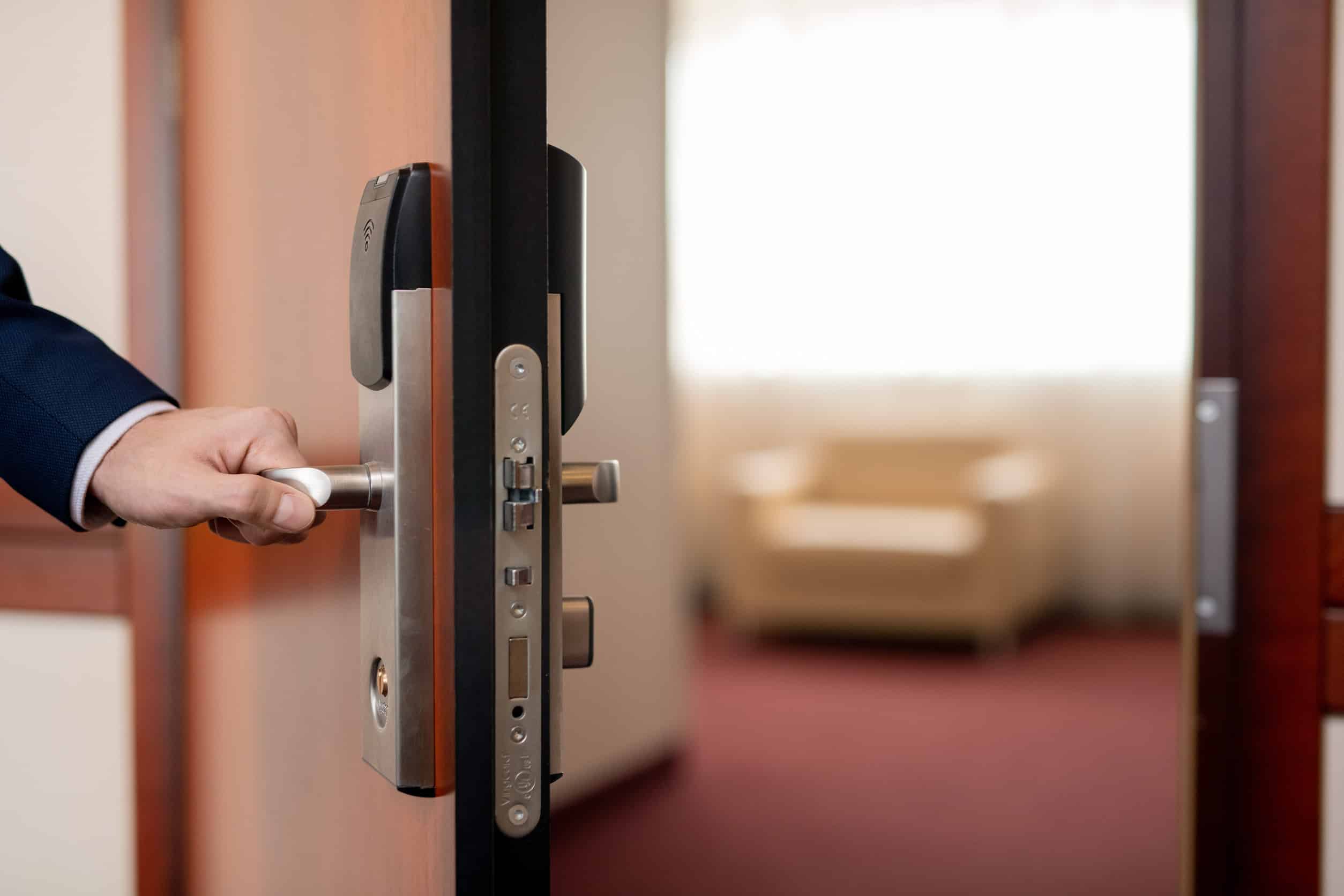
Once the bogeyman check is done, I get serious with the hardware. I tug the main door like it insulted my ancestors, flip the deadbolt, slide the chain or swing bar, and slam the balcony or patio door a couple of times to see if it fights back. If anything feels loose, I’m calling the front desk to request a new room.
AAA notes that even polished hotels sometimes mis-assign keys, which means a stranger’s key card might flirt with your door by accident, so your best defense is a properly latched deadbolt and security bar.
Safety pros even recommend packing a portable door lock or wedge, especially if you travel solo, because nothing says “do not disturb” quite like physics on your side.
I Cover the Peephole and Manage Sightlines
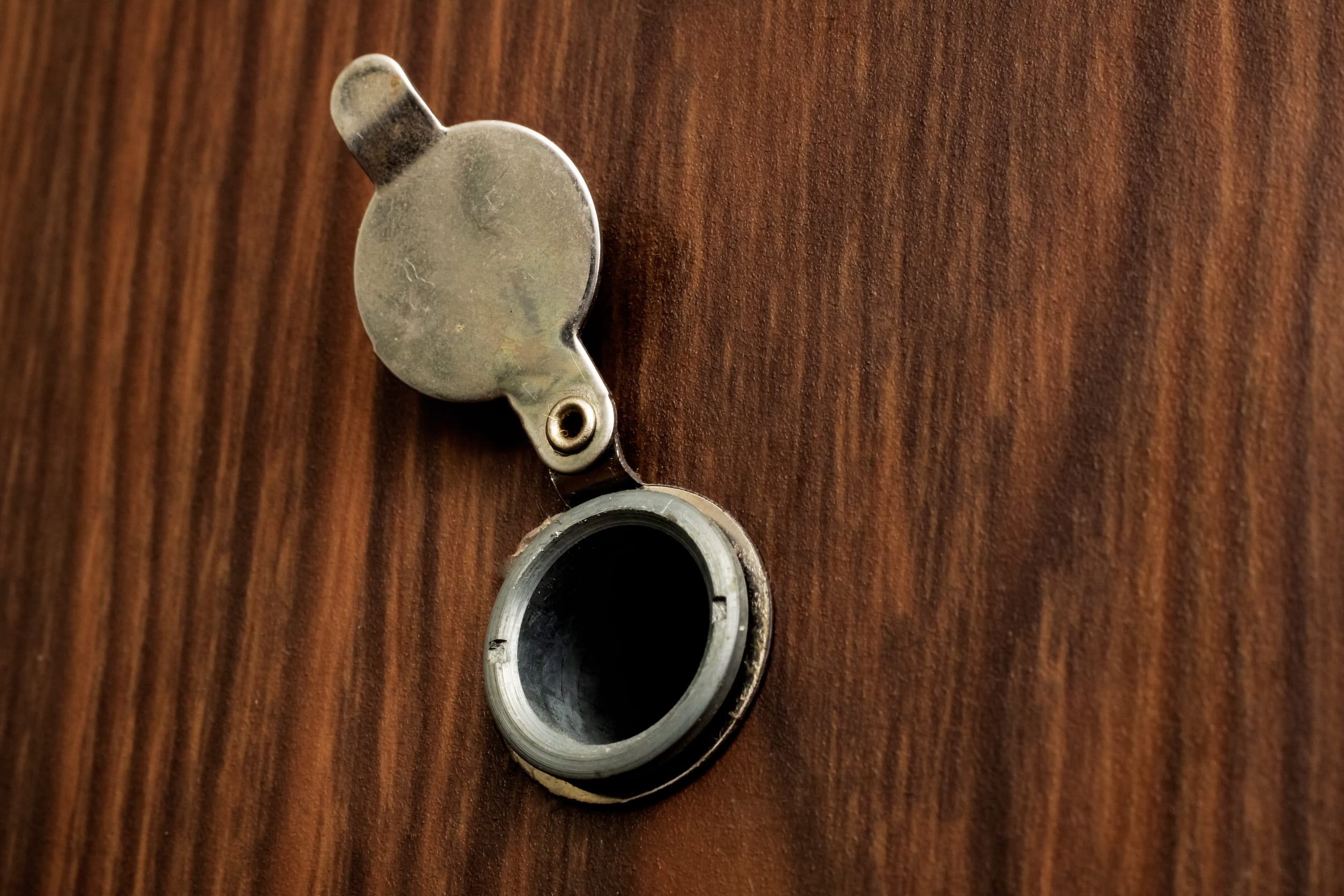
Once I’m sure no one can stroll in, I deal with the people who might stare in. Some security consultants warn about “reverse peephole viewers,” creepy little gadgets that can turn your peephole into their window, so I slap a piece of tape or a bandage over it.
Then the curtains come down, even if it’s noon, because AAA’s safety guides say closing them early stops anyone from window‑shopping your stuff from outside. They also suggest leaving the curtains shut and the TV or lights on when you head out, creating the polite illusion that someone’s inside and not in the lobby eating overpriced chips.
I Find the Fire Exits and Plan an Escape
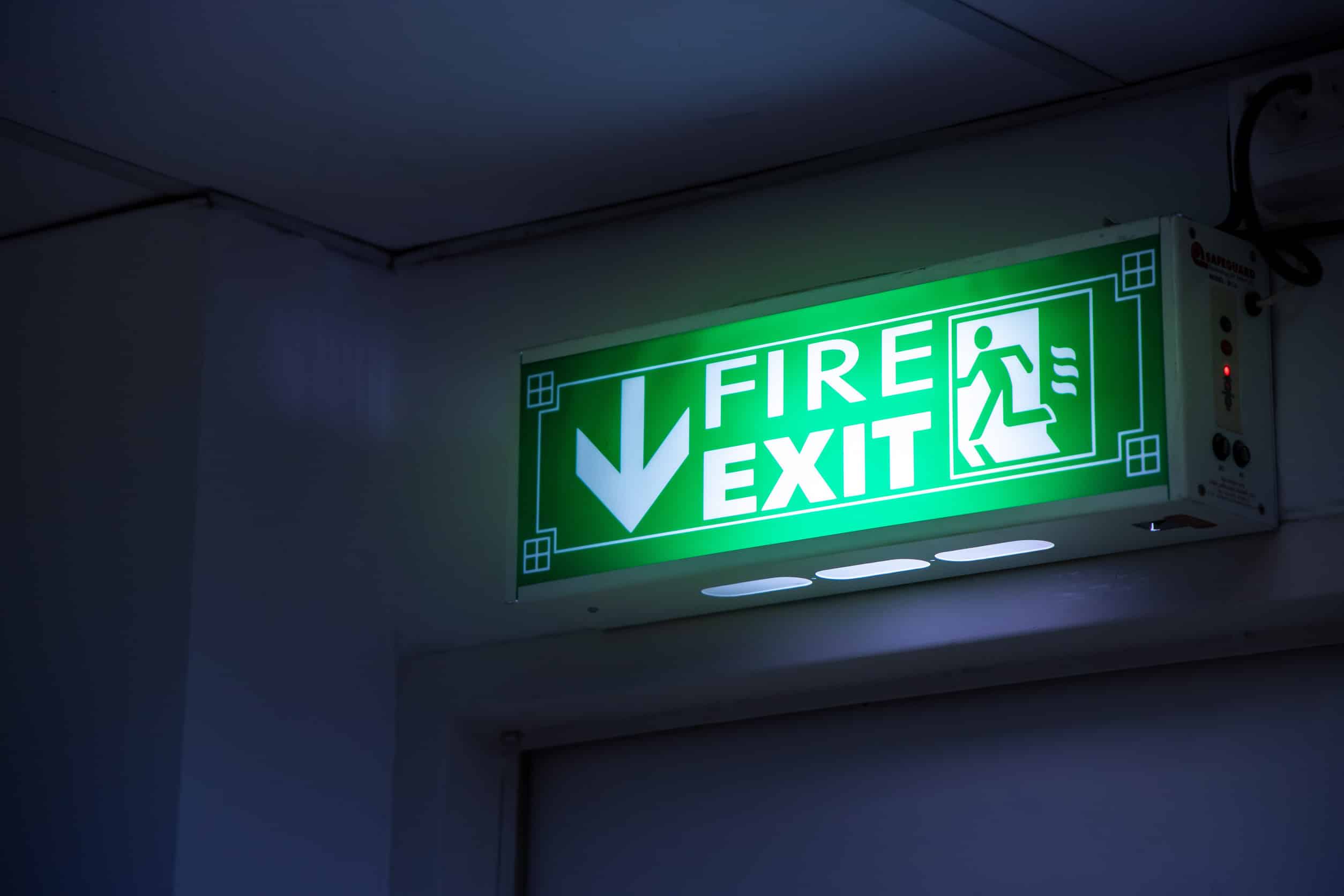
Before I touch my suitcase, I always play a quick mental escape room game. I step into the hallway, find the nearest stairwells, and literally count how many doors sit between my room and the exit, just in case smoke one day turns the corridor into a bad dream.
Government travel advice from the U.S. State Department recommends this exact habit for low‑visibility emergencies. They often suggest rooms between the second and sixth floors, high enough to be less tempting for break‑ins but low enough for fire‑truck ladders in a rescue.
Most checklists also say to keep your shoes, phone, and room key right by the bed, so if the alarm screams at 3 a.m., you’re not sprinting down the stairs barefoot and confused.
I Sanitize the “Invisible” Germ Hotspots
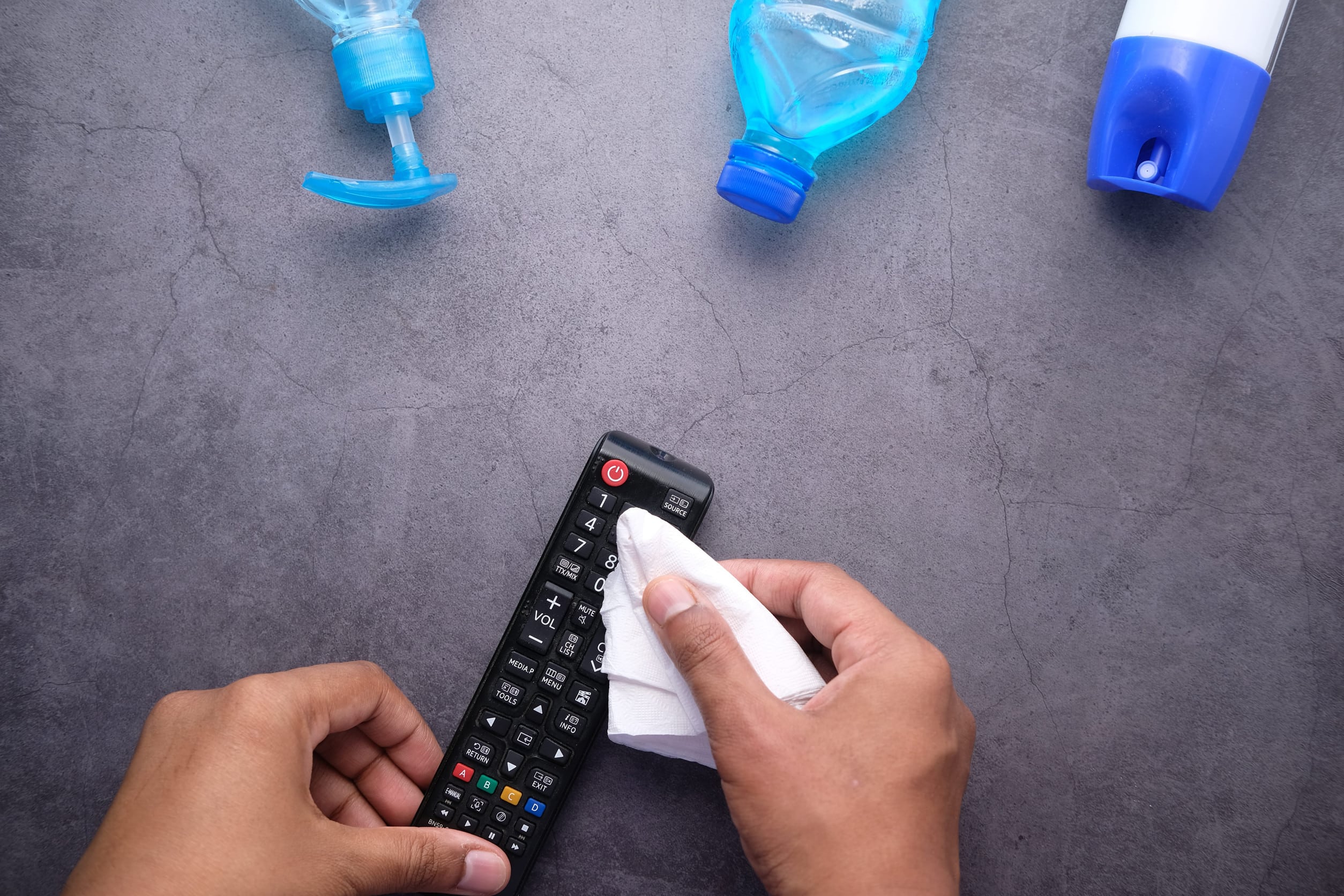
Once my escape route is locked in, I wage war on the germs I can’t see but very much believe in. Studies have found that hotel TV remotes and light switches can be some of the germiest spots in the room, sometimes rivaling toilets and sinks for bacterial drama, which feels rude but unsurprising.
A study presented at the American Society for Microbiology found that a luxury hotel had remotes with around 2,002,300 colony‑forming units of bacteria, desks with about 40,030, and phones with around 1,217.
Microbiology researchers say overall bacteria levels in hotel rooms can hit 2–10 times higher than hospital standards, which is why infection‑control experts recommend wiping high‑touch surfaces with disinfectant wipes as soon as you arrive, before you let your fingers wander.
I Do a Quick Bedding and Mattress Check
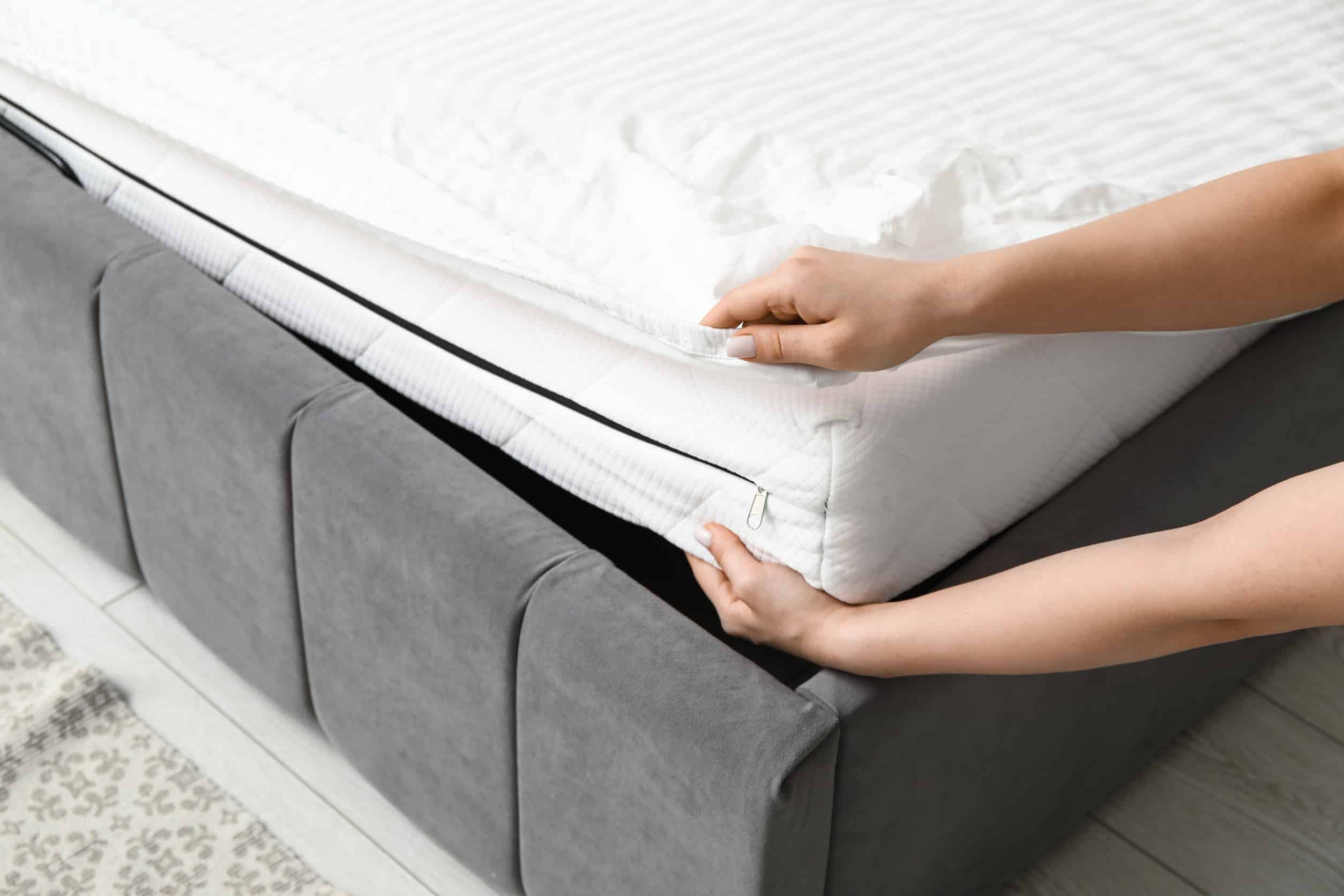
Now we move to the bed. I peel back the sheets, trace the seams, and check the edges of the mattress for rusty little spots or tiny crawling guests, because health experts say those are classic signs of bedbugs, and I prefer my souvenirs not to be alive.
A 2024 survey by The Sleep Doctor found that 1 in 7 U.S. travelers, about 14%, reported encountering bedbugs in the previous year, Forbes reports. Travel insurers and safety sites have now promoted the bedbug check to a “first five minutes” ritual, since catching a problem before your luggage gets cozy is way easier than fumigating your entire life later.
Peek behind or around the headboard if it’s detachable, because infestations love to hide where you least want to think about them while you’re trying to sleep.
I Reorganize High‑Touch Items (Remote, Glasses, Menus)
Save this article
After the mattress interrogation, I turn my attention to every object strangers have probably touched after coughing, sneezing, or eating ribs with their hands. Hotel hygiene studies reported by LiveScience say to treat remotes, phones, lamps, and in‑room menus as public objects, not personal ones, until you’ve disinfected them. Which feels like a fancy way of saying “do not raw‑dog the remote.”
SmartMeetings coverage even suggests slipping the remote into a plastic bag after wiping it so you can still binge‑watch without re‑collecting someone else’s microbes every episode.
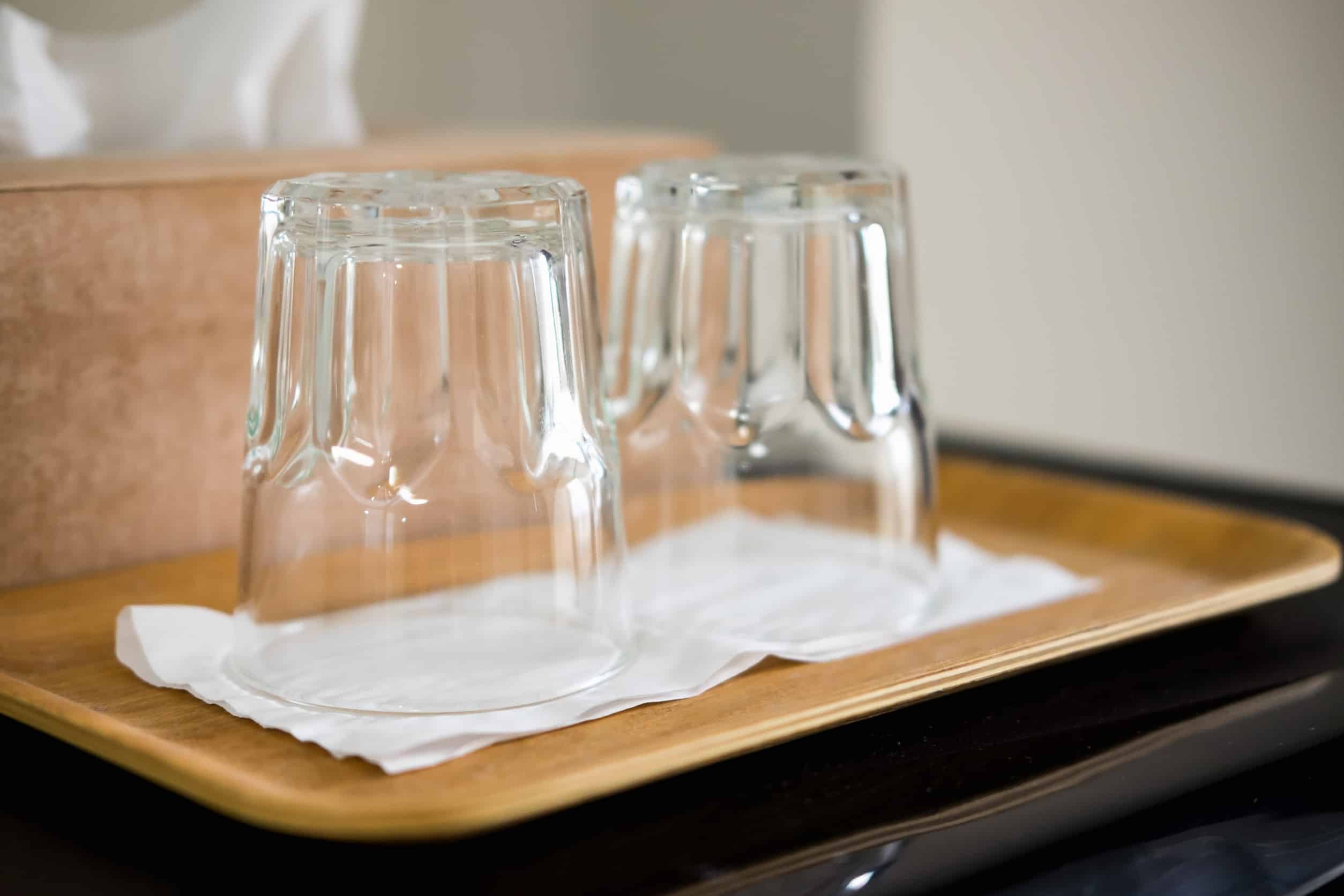
And while we’re here, many travelers now bring their own reusable bottle or travel mug instead of trusting the room’s glassware, because cleaning standards for those glasses can range from “medical‑grade” to “rinsed and hoped for the best.”
I Confirm Wi‑Fi, Smart Tech, and Hidden Cameras
Once the physical world feels safer, I start negotiating with the digital one. A 2024 survey of 2,000 travelers by hotel software company Mews found that 43% said their “perfect” hotel should have smart‑home devices in the room, 34% wanted keyless room entry, and 27% preferred mobile entry over traditional key cards.
So odds are your room has more tech than it used to. That’s why digital security experts recommend checking what accounts are logged into the smart TV, logging out of streaming apps before and after use, and being a little suspicious of any device that wants to “listen” to you for your comfort.
Travel safety guides also suggest scanning smoke detectors, alarm clocks, vents, and weirdly placed decor for hidden cameras, not because hotels are inherently evil, but because the occasional creepy human loves a power outlet and poor life choices.
I Set My Own Temperature, Lights, and Noise Baseline
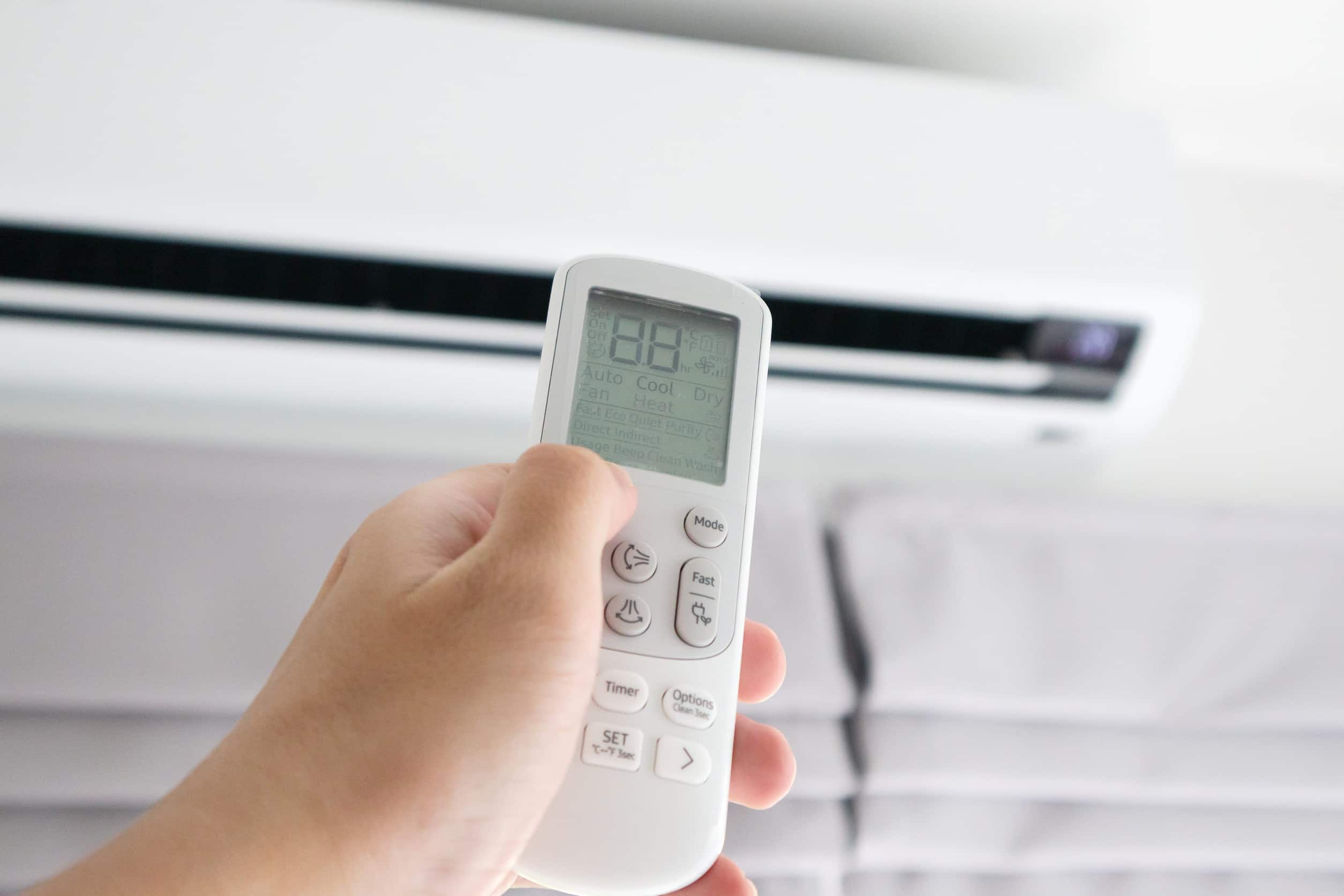
Only when the room feels like mine do I start shaping its mood. A July 2024 survey of frequent travelers from the American Hotel & Lodging Association shows that cleanliness and comfort outrank fancy amenities for frequent hotel guests. And a surprising amount of that feeling comes from temperature, lighting, and noise, not just whether the bed has twelve pillows.
How well‑lit and well‑heated your room feels can change how rested you think you are, which then affects your online reviews and whether you ever book that brand again.
Many seasoned travelers swear by white‑noise apps or fans to drown out hallway chaos, a simple trick that’s linked with better reported sleep quality in hotel stays, and a nice way to muffle that 2 a.m. door‑slammer down the hall.
I Lock In a “Safe Zone” for Valuables

Now it’s time to decide where my valuables live, which is never “loose inside a suitcase” and definitely not “on the desk under the window.” The American Hotel & Lodging Association urges guests to use in‑room safes when they can, and to keep the truly important items either on their bodies or in a hotel safe instead of buried under socks.
Travel insurers say many claims come from belongings left in plain sight or in unlocked bags, not from things stored properly, which feels like the universe gently reminding us to stop trusting zippers with our passports.
They even nod to the idea of “decoy” cash in an obvious spot while the real money and documents are hidden or locked up, an oddly theatrical but effective way to limit damage if a thief ever does get in.
I Decide My Housekeeping and “Do Not Disturb” Strategy
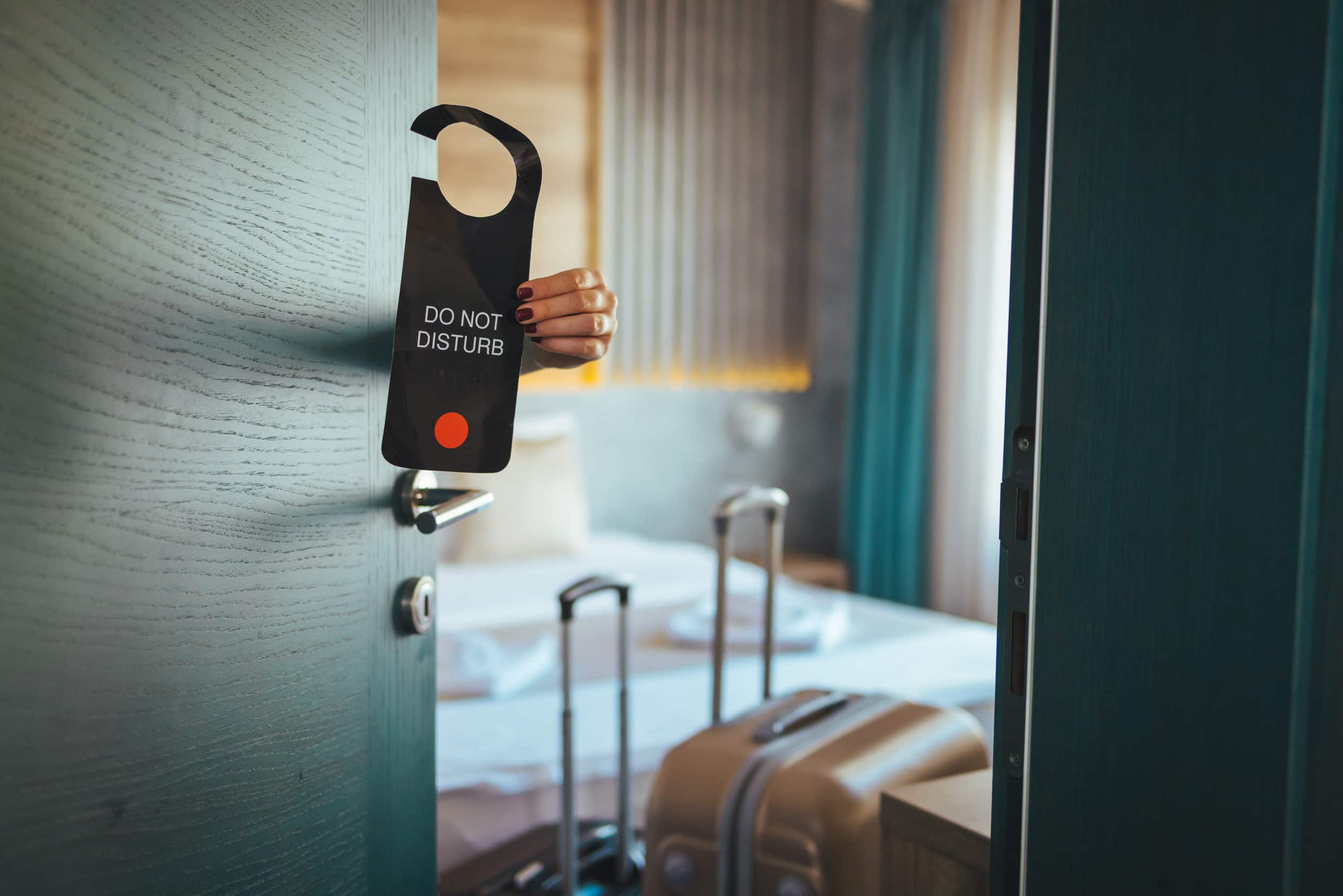
Before the suitcase zips open, I make one more choice: who gets to cross this threshold and when. A survey by the American Hotel & Lodging Association found that 86% of frequent travelers say cutting back on daily housekeeping affects their comfort, and many prefer fewer entries into their rooms so they can protect both their privacy and their belongings.
Cleanliness still ranks as the single most important factor when choosing a hotel, even above price and location, but guests also want control over when staff comes in, which is where that “Do Not Disturb” sign becomes your tiny cardboard bodyguard.
AAA even suggests leaving the TV or radio on when you go out, so anyone passing by hears noise, sees the sign, and thinks, “Nope, occupied, moving on.”
I Double‑Check the Phone and Front Desk Protocols
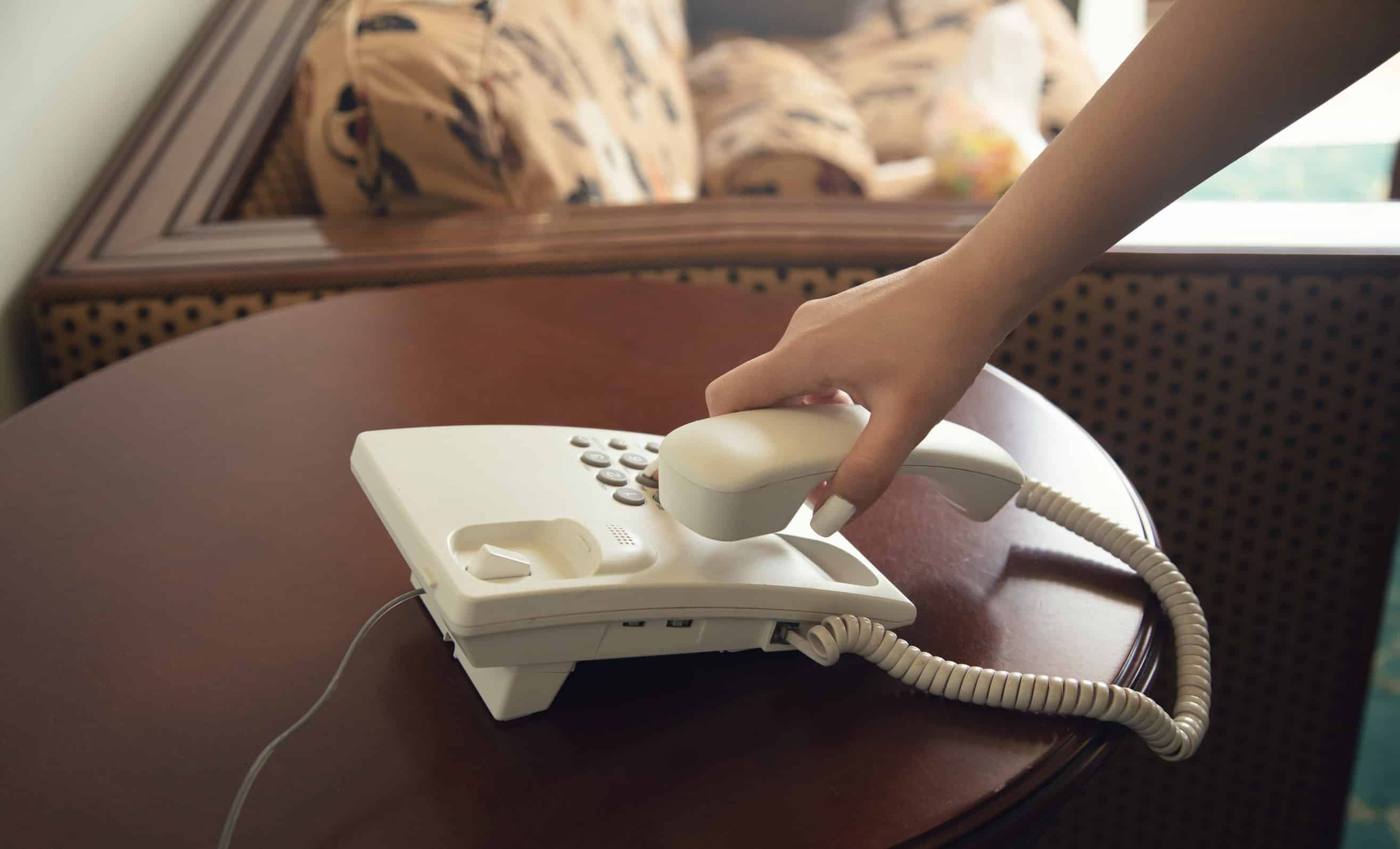
With the room now feeling like a guarded little universe, I rehearse how to ask for help. The U.S. State Department recommends learning how to reach the front desk, hotel security, and the local emergency number from your room phone as soon as you arrive, because “uh, how do I dial out?” is not the question you want during a crisis.
If someone knocks, claiming to be staff, and something feels off, experts say to call the front desk to confirm they actually sent someone, rather than opening the door on blind faith and vibes alone.
For international trips, security checklists also suggest saving the local emergency number to your phone, because not every country uses the same three digits, and you don’t want to be Googling it during a panic.
I Take Photos and Mentally “Audit” the Room
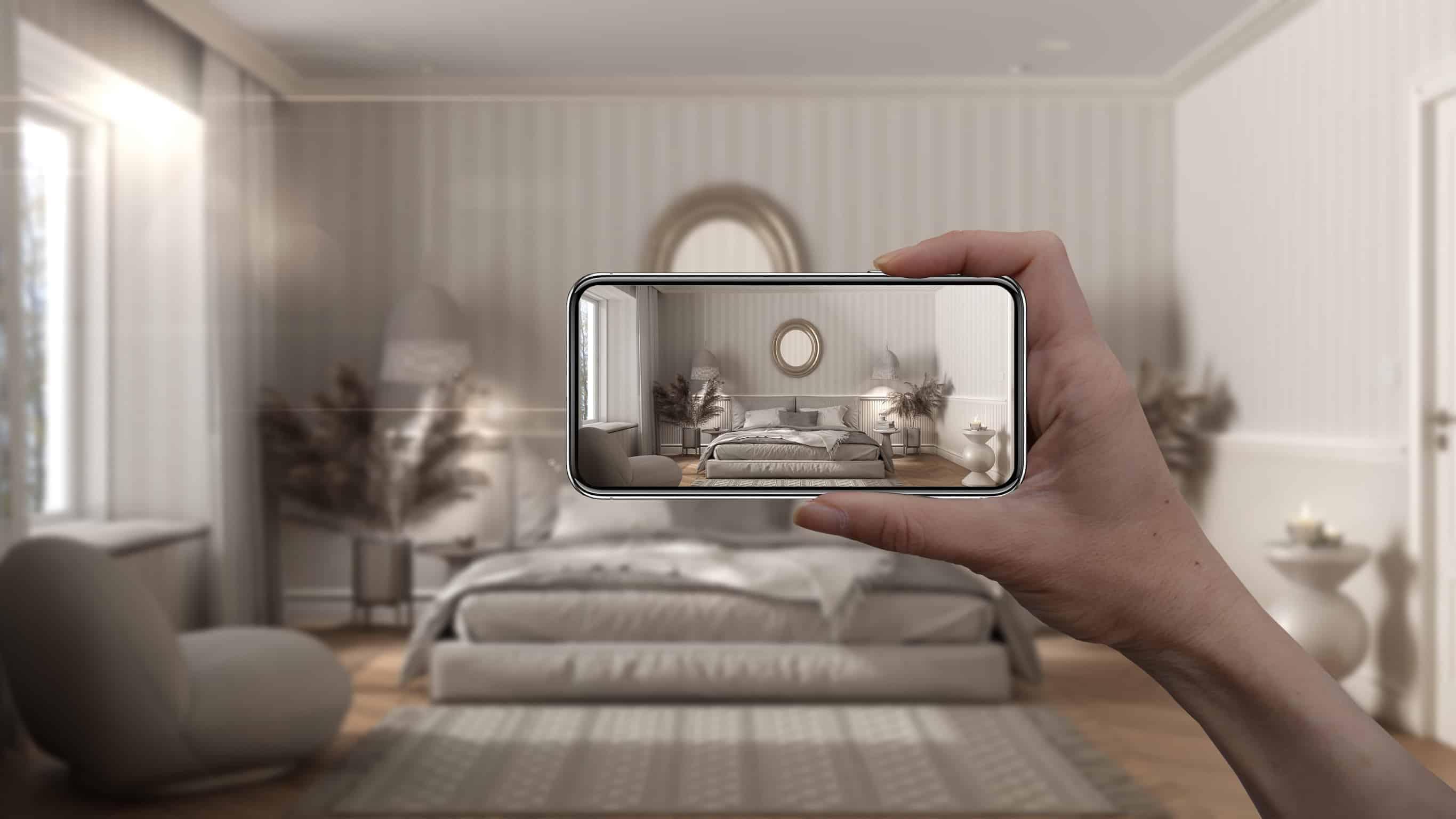
The final ritual before my suitcase hits the bed is a fast, quiet audit, part detective work, part self‑defense. The AAA recommends snapping photos of any existing damage, weird stains, or broken fixtures right away, so you have proof you didn’t personally wage war on the lamps if something gets questioned later.
Guests are also increasingly encouraged to report broken locks, loose windows, or silent smoke detectors immediately, not just for their own safety but because these are liability headaches hotels are supposed to fix, not “quirks” you politely endure.
This quick sweep also helps you spot tripping hazards or blocked exits, which matters even more for older travelers or anyone with mobility issues, and honestly, it’s a small price to pay for sleeping in a room that you know, not just hope, is on your side.
Disclaimer – This list is solely the author’s opinion based on research and publicly available information. It is not intended to be professional advice.
Like our content? Be sure to follow us





