Life can feel like a relentless series of challenges. If you’ve ever felt like your internal battery is running on empty, there’s a reason for that.
A startling study published in the NIH found that a whopping 81% of people have low baseline resilience, putting them at levels similar to those seen in trauma survivors. So no, you’re not imagining it. Things are tough.
But here’s the twist. Those moments when you felt like you were at your absolute limit? They weren’t just hurdles to get over. These challenging moments are not just obstacles; they are evidence of your incredible, science-backed resilience and capacity for growth.
Psychologists have a term for this phenomenon: Post-Traumatic Growth (PTG). It’s the idea that profound positive changes can happen alongside the pain of a traumatic experience. Researchers Richard Tedeschi and Lawrence Calhoun discovered that deep struggle can shatter our old assumptions about the world, forcing us to rebuild in a way that leaves a “positive legacy.”
These 14 experiences are proof that you’ve been doing just that.
You Survived a Layoff
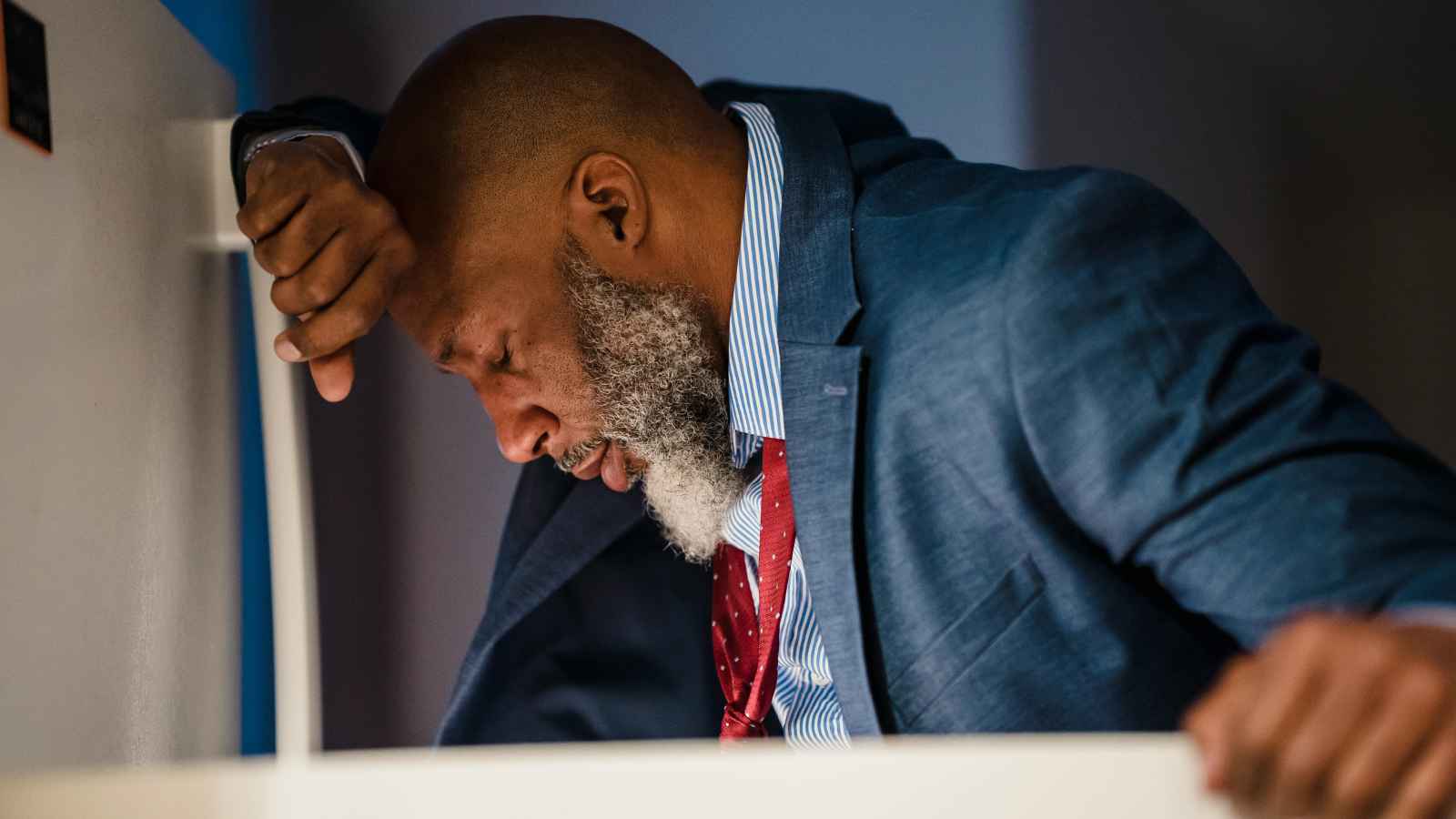
The experience of being laid off is like a professional quake. It has not only to do with losing a paycheck, but also a jolt to your identity, routine, and security. Worker confidence in finding a new job has fallen sharply, with the latest New York Fed survey showing just a 44.9% probability that workers believe they could secure another position if displaced. This uncertainty creates a heavy psychological toll, breeding stress and anxiety.
It is a profoundly lonely experience, and likely exacerbated by a well-constructed NDA that prevents you from discussing what occurred freely. But this is what is actually happening behind the scenes. Layoff is a forced reset button. It compels you to consider career options and degrees of fulfillment that you might not have otherwise chosen to focus on.
One person who was laid off had been considering a career change from finance to advertising for years, but never dared to leave a well-paying job. The layoff provided the push. Another used the time to enroll in a coaching program that launched a whole new career. Surviving this professional earthquake proves you have the adaptability to rebuild your job on a firmer foundation.
You Navigated the Depths of Grief

Grief is a universal language, but everyone’s experience of it is different. One of the biggest myths is that there’s a “normal” timeline for it. The truth is, healing happens gradually and can’t be rushed—for some, it takes months, for others, it’s measured in years.
The experience is widespread, with Eterneva reporting that 57% of Americans have faced a close loss in the last three years, a period that includes the pandemic. The number has been rising, and the toll is severe. It’s not just in your head, either. Grief shows up physically, causing fatigue, nausea, lowered immunity, and insomnia.
This disorienting “roller coaster” of emotions does something profound. It shatters your basic assumptions about life, which is a key trigger for Post-Traumatic Growth. Studies on people who have survived immense loss—from bereaved parents to survivors of shipwrecks—show they often report a new, more profound appreciation for life.
You Started Your Own Business (Even If It Failed)
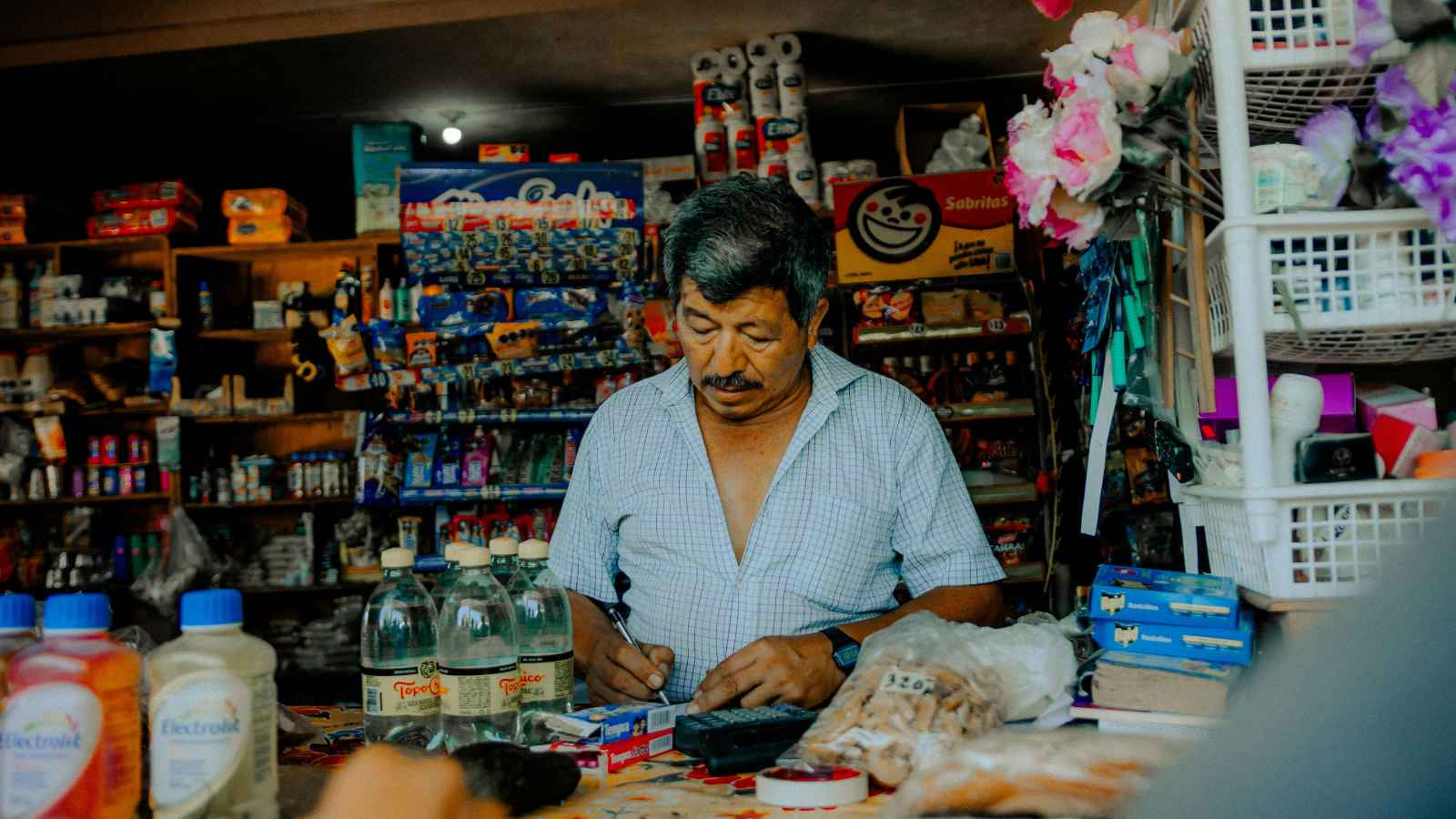
Deciding to start your own business is a massive act of courage. It’s you, betting on yourself against some truly staggering odds. Let’s not sugarcoat it: the failure rates are brutal. The U.S. Bureau of Labor Statistics (BLS) reported that approximately 20% of small businesses fail within the first year, 50% are gone by year five, and a staggering 70% don’t make it to their 10th anniversary.
To undertake this journey requires what researchers call “entrepreneurial resilience,” the ability to persevere after facing setbacks.
Think about it this way: the very act of launching a business is a high-stakes, real-world training program in mental toughness. Even if the venture fails, you’ve been forced to practice problem-solving, emotional regulation, and perseverance under intense pressure. Psychologist Carol Dweck’s research on a “growth mindset” shows that viewing failure as a learning opportunity is the key to long-term success. Entrepreneurship forces you to live that mindset every single day.
You Ended a Toxic Relationship

Getting out of a toxic or abusive relationship is one of the most misunderstood acts of strength. It is not a simple breakup; it is an escape. The danger involved is terrifyingly real. The Domestic Abuse Shelter found that 75% of domestic violence-related homicides happen when the survivor tries to leave. It’s a marathon of courage, not a sprint; on average, it takes a victim around seven attempts before they finally leave for good.
This struggle is happening all around us. The strength required to leave is monumental because you’re fighting battles on two fronts. Externally, you face real physical danger and the challenge of rebuilding a life. Internally, you have to overcome the psychological damage of the abuse—fear, isolation, and a shattered sense of self-worth. It is a rebellion against an imposed reality. It is the ultimate act of reclaiming your own life and story.
As writer Robert Tew advises, “Respect yourself enough to walk away from anything that no longer serves you, grows you, or makes you happy”. Choosing to leave a toxic situation, especially when it’s dangerous and difficult, is a profound act of self-love and a testament to your will to survive.
You Learned a New Skill as an Adult

Forget the old saying about old dogs and new tricks. Modern neuroscience has proven it completely wrong. There is a phenomenon known as neuroplasticity in your brain, and it implies that your brain can physically rewire itself (learn) at any age.
As you learn something new, your brain connects new neurons and strengthens existing pathways. The more you practice, the more your brain wraps those pathways in a fatty substance called myelin, which acts like an insulator, making the signals travel faster and more efficiently. You are literally building a better, faster brain.
The benefits are enormous. Learning a new language or playing a musical instrument can significantly enhance your working memory, even in older adults. Psychologically, it boosts happiness and gives you a renewed sense of purpose. This isn’t just a fun hobby; it’s a proactive investment in your future health. Research shows that keeping your brain active by learning new things can help slow the cognitive decline that comes with age and can even prevent diseases such as Alzheimer’s and dementia.
You Moved to a New City All by Yourself

Packing up your life and moving to a new place alone is a fantasy for many, but a reality for a few. It’s a genuinely bold move. Most people stay close to home. Just by making that leap, you’ve done something most people won’t.
And it’s not easy. Moving is often ranked as one of life’s top stressors, right behind death and divorce. By moving alone, you intentionally step away from your built-in support system. You force yourself to handle everything—logistics, finances, building a new social circle—from scratch. This is an accelerated course in self-reliance and confidence, two key components of psychological resilience as measured by scientists.
Choosing to start over alone in a new place proves you dare to be your own safety net.
You Faced One of Your Biggest Fears

Fear is not a weakness. It’s a primal, protective instinct hardwired into our brains. True strength isn’t about being fearless; it’s about feeling the fear and taking action anyway. Psychology offers a clear, if counterintuitive, roadmap for this. The number one rule is that avoiding your fears only makes them stronger and more intimidating. The only way through is gradual, controlled exposure to what scares you.
It’s also important to understand what’s happening in your body. That racing heart and those sweaty palms during a panic attack? They feel terrifying, but they are a regular part of your body’s “fight-or-flight” response and are not physically harmful. When you consciously decide to face a fear, you are essentially running a training program for your brain on how to handle stress. You learn to regulate your emotional response, a skill that is transferable to every other area of your life.
The mental toughness you build by giving that speech or getting on that airplane helps you stay calm when facing a tight deadline or a difficult conversation at home. As Eleanor Roosevelt wisely put it, “You gain strength, courage, and confidence by every experience in which you really stop to look fear in the face”.
You Cared for a Sick Parent or Loved One

Caregiving is one of life’s most demanding and invisible roles. It’s a marathon of love, duty, and sacrifice that millions of people run every single day. The scale is enormous. The Population Reference Bureau found that the number of unpaid family caregivers for adults in the U.S. has increased by 32% over the last decade, now totaling over 24 million people. The time commitment is immense, averaging 17 hours per week, but skyrocketing to 31 hours per week for someone caring for a loved one with dementia.
This kind of hardship forces you to confront your own limits and mortality. Going through such an experience can dramatically increase your capacity for compassion and sensitivity. By witnessing a loved one’s vulnerability up close, your eyes are opened to the suffering of others, and your life’s purpose often shifts from personal achievement to service and connection.
This is the kind of strength perfectly described by Jonathan Harnisch: “The strongest people are not those who show strength in front of the world but those who fight and win battles that others do not know anything about”. Shouldering the physical and emotional weight of caregiving is a testament to your immense capacity for love, sacrifice, and compassion.
You Recovered From a Life-Altering Event

Save this article
A life-altering event can be anything that shatters your sense of safety—a serious accident, a sudden diagnosis, a violent crime. It pulls the rug out from under you, making you question everything. The initial psychological shock is intense, often bringing waves of anxiety, sadness, and intrusive thoughts. But here is an incredible fact about the human spirit: resilience is the norm, not the exception.
For many, this recovery blossoms into something more: Post-Traumatic Growth. Survivors often report stronger relationships, a clearer sense of purpose, greater inner strength, and a renewed appreciation for the simple fact of being alive.
This doesn’t happen passively. It’s the result of an active mental process of trying to make sense of what happened. You are not just healing; you are actively rewriting your life’s story to incorporate the trauma in a way that allows you to grow. It is a powerful act of taking back control of your own narrative. Surviving a traumatic event shows your spirit’s incredible ability not just to heal, but to rebuild itself into something even stronger.
You Asked for Help When You Needed It Most

In a world that celebrates rugged individualism, asking for help can feel like an admission of failure. The truth is the exact opposite. It is a profound act of strength that many people are too afraid to perform.
Our brains are wired to avoid it. The act of asking exposes our vulnerabilities and can make us feel awkward and embarrassed. We are also bad at judging this from the outside. People in a position to help consistently overestimate how likely someone is to ask for it, failing to appreciate the huge psychological barrier of embarrassment.
When you decide to ask for help, you are making a strategic choice. You are overcoming a deep-seated fear to access a critical resource: human connection. It demonstrates that you possess the self-awareness to recognize your limits and the problem-solving skills to find a solution. You are prioritizing the goal of getting better over your ego. As the great Stoic philosopher Marcus Aurelius wrote: “Don’t be ashamed to need help. Like a soldier storming a wall, you have a mission to accomplish. And if you’ve been wounded and you need a comrade to pull you up? So what?”.
You Forgave Someone Who Hurt You Deeply

Forgiveness is not about letting someone off the hook. It’s about letting yourself off the hook. It is a personal choice to release the toxic anger and resentment that keep you chained to a painful past.
The health benefits of this choice are staggering and scientifically proven. The act of forgiveness is linked to a lower risk of heart attack, improved cholesterol, better sleep, and reduced levels of pain, blood pressure, anxiety, and depression. Holding on to a grudge, on the other hand, is physically corrosive. Chronic anger floods your body with stress hormones, putting you in a constant “fight-or-flight” mode that increases your risk for heart disease and diabetes.
Forgiveness is one of the most potent stress buffers we have. One fascinating study found that for people who had experienced high levels of lifetime stress, being a forgiving person completely erased the link between that stress and poor mental health. Choosing to forgive is the ultimate power move—it’s taking back control of your well-being from the person who hurt you.
You Stood Up for What You Believe In

Speaking up when it would be easier to stay silent is one of the hardest things to do. Our brains are deeply wired for social conformity, and going against the group can feel threatening. Silence is often the default. Studies show that good people can become complicit in bad behavior simply because of peer pressure. Brain scans even reveal that we think less about our own personal values when we’re part of a group or just following orders.
But a single voice has the power to change everything. When you choose to be that voice, you are doing more than just expressing a personal opinion. You are performing a protective act for your entire community. You are disrupting the silent agreement that allows bad behavior to continue. You become a catalyst for positive change, defending the vulnerable and strengthening the ethical fabric of the group.
It’s a strength that serves not just yourself, but the greater good. Using your voice when it would be easier to stay silent proves you have the courage not just to define your own values, but to defend the well-being of others.
You Bounced Back from a Significant Failure

Failure is a universal human experience, but we often treat it like a personal catastrophe. The truth is, it’s one of our most potent, albeit painful, teachers. Failure literally plays tricks on your mind. One study found that after people failed at a task, they physically perceived the goal as being farther away and their own abilities as being weaker than they actually were. Your brain is actively trying to convince you to give up.
Pushing past that feeling is how you build resilience. Psychologists compare it to building muscle; you have to stress the muscle through failure for it to grow back stronger. In fact, there’s even an optimal failure rate for learning—research suggests it’s around 16%. If you’re always succeeding, you’re not challenging yourself enough.
The act of getting back up after a fall is a high-level mental skill. It requires you to actively counteract the cognitive distortions your brain is presenting to you. You have to consciously recognize that your feelings of helplessness and inadequacy are a temporary illusion, not a permanent reality.
You Are Managing a Chronic Illness

Living with a chronic illness is a daily, often invisible, marathon. It requires a quiet, enduring form of strength that most people will never have to comprehend. The psychological burden is immense. The rate of depression and anxiety among people with chronic conditions like arthritis or diabetes is relatively high in the general population.
Because a chronic illness is, by definition, not something that can be “beaten,” it forces a profound psychological shift. You must move from trying to “fix” the problem to learning to “manage” a new reality. This is the very essence of acceptance, a cornerstone of resilience. The strength isn’t in conquering the illness; it’s in creatively and courageously building a complete, meaningful life within new limitations.
Navigating life with a chronic illness every single day demonstrates a level of mental fortitude and adaptive genius that is nothing short of heroic.
Key Takeaway

Life’s toughest challenges—from losing a job to facing a deep fear—are not signs of weakness or reasons for shame. These are near-universal human experiences. Your strength isn’t measured by avoiding these hardships, but by the very fact that you are still here, navigating them.
Psychological research on resilience and post-traumatic growth demonstrates that enduring these moments fosters scientifically recognized strengths, such as perseverance, compassion, and adaptability. You have faced down incredible odds, whether you realized it or not. You are, by definition, far stronger than you think.
Disclaimer – This list is solely the author’s opinion based on research and publicly available information. It is not intended to be professional advice.
Like our content? Be sure to follow us.
How to Save on International Money Transfers: What Banks Don’t Tell You

How to Save on International Money Transfers
Normally, I’d question the secret fees that are hidden in my bank’s international money transfer services. While banks sometimes advertise low transfer fees, they usually do not mention the substantial exchange rate margins that quietly siphon money out of your funds. It shouldn’t be expensive to send money overseas.
I’ve discovered seven practical strategies anyone can use to save on international money transfers. Whether you’re sending a hundred dollars to a family member or paying for a service in a foreign country, these tactics will help you hold onto more of your hard-earned cash.
12 Kitchen Hacks You May Not Know

12 Kitchen Hacks You May Not Know
Sometimes, preparing meals and dealing with food can feel like a bore and a chore – or just plain frustrating. We’ve got the best food hacks to pass down to you, helping you get in and out of the kitchen quickly. Not more drudgery, and dare we say it, some of these hacks are fun. Save money, too. Win-win!
Do you have a kitchen hack we should be aware of?