
Poverty isn’t always visible. It can look like your neighbor, your classmate, or the family down the street quietly juggling impossible choices.
The official U.S. poverty rate is 11.1%, meaning about 36.8 million Americans are living below the federal poverty line, as reported by The Global Statistics. If you’ve ever heard people talk about poverty in the U.S., you’ve probably noticed a lot of myths floating around.
Some people imagine it as a clear-cut story of individuals just needing to “work harder,” while others assume poverty is the same everywhere in the country. The truth is, it’s way more complicated and sometimes surprising. Here are some realities that are often overlooked, and I promise this may shift the way you think about what struggling in America really looks like.
Poverty doesn’t always mean unemployment

A lot of people picture poverty as being jobless, but according to the U.S. Bureau of Labor Statistics, in 2022, 6.4 million people were classified as the “working poor.” This means they’d spent at least 27 weeks in the labor force but still lived below the official poverty line.
They’re often stuck in low-wage jobs that don’t provide benefits or consistent hours. This includes mainly retail clerks, food service workers, or home health aides—jobs that keep communities running but rarely pay enough to cover rising rents and groceries.
Food insecurity exists even with full-time jobs

We often assume hunger is tied to not working, but that’s far from reality. In 2023, an estimated 47 million Americans lived in food-insecure households, and plenty of them had steady work.
The problem is wages just don’t stretch as far as prices climb, especially with food inflation hitting almost 25% since 2019. Families find themselves cutting portion sizes or skipping meals so kids can eat. It’s a quiet struggle that isn’t always visible from the outside.
Poverty isn’t always visible
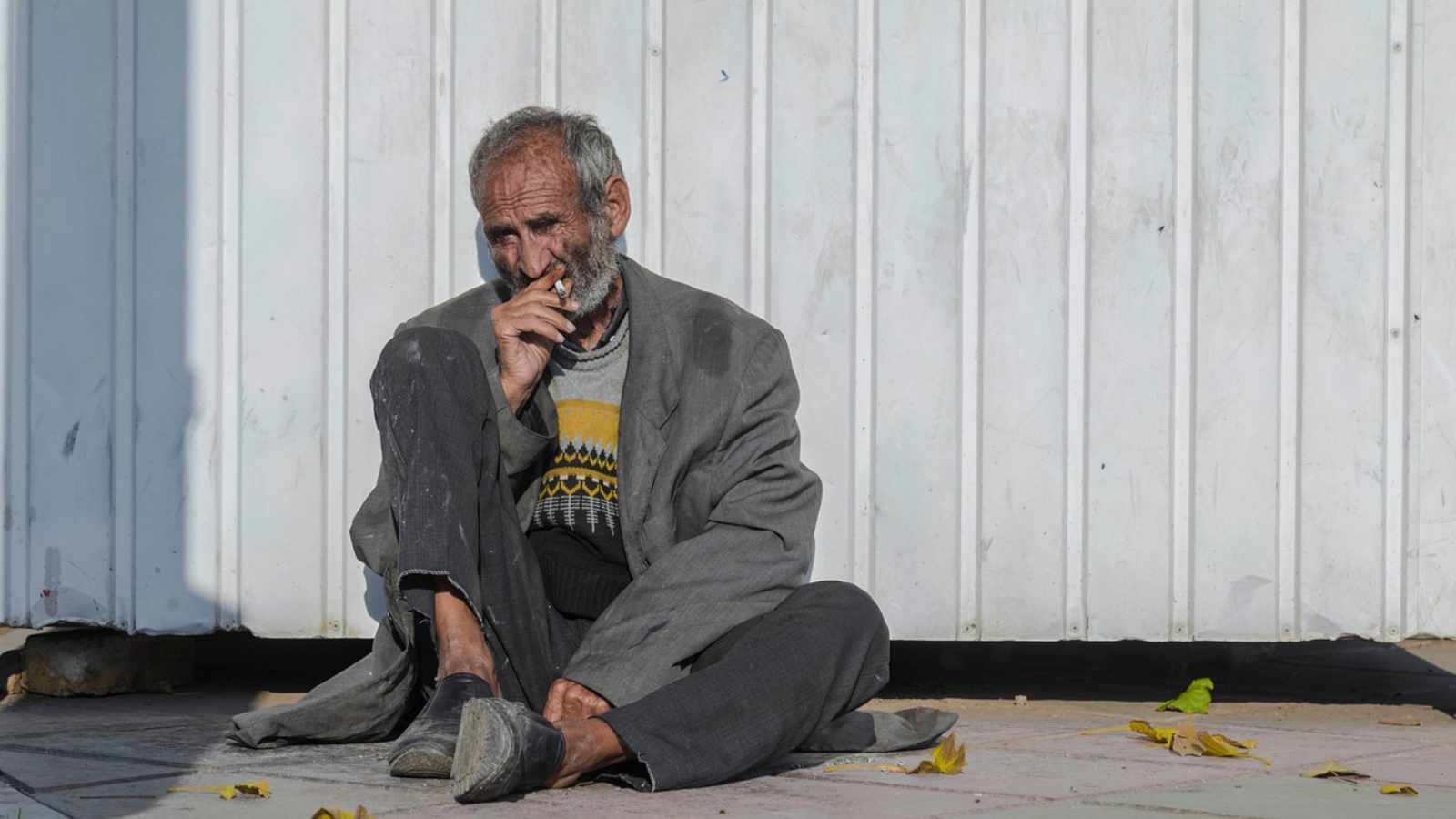
We’re used to spotting poverty through stereotypes—worn-out clothes or run-down neighborhoods. However, poverty today can manifest as a family living in a decent apartment while struggling with debt.
Or a college student balancing tuition with food insecurity. Even car ownership isn’t always a sign of comfort—it might just be the only way to reach a low-paying job an hour away. What you see on the surface often doesn’t tell the whole story.
Rural poverty is just as real as urban poverty
When poverty is mentioned, the picture that comes to mind is usually a city street. But rural America actually has higher poverty rates in many states, especially across the South. In places like Mississippi, nearly 1 in 5 residents live below the poverty line.
The kicker? Rural poverty often means fewer safety nets—public transit, affordable clinics, or nearby grocery stores can be scarce. That makes everyday survival even more complicated.
Medical debt is a quiet trap

Here’s one that surprises many people: medical debt is the leading cause of bankruptcy in America. Even with insurance, families face thousands of dollars in out-of-pocket costs for emergencies or chronic conditions.
One ER visit can leave someone owing more than they earn in a month. For many, one health scare can instantly push them into poverty.
Poverty doesn’t look the same across races
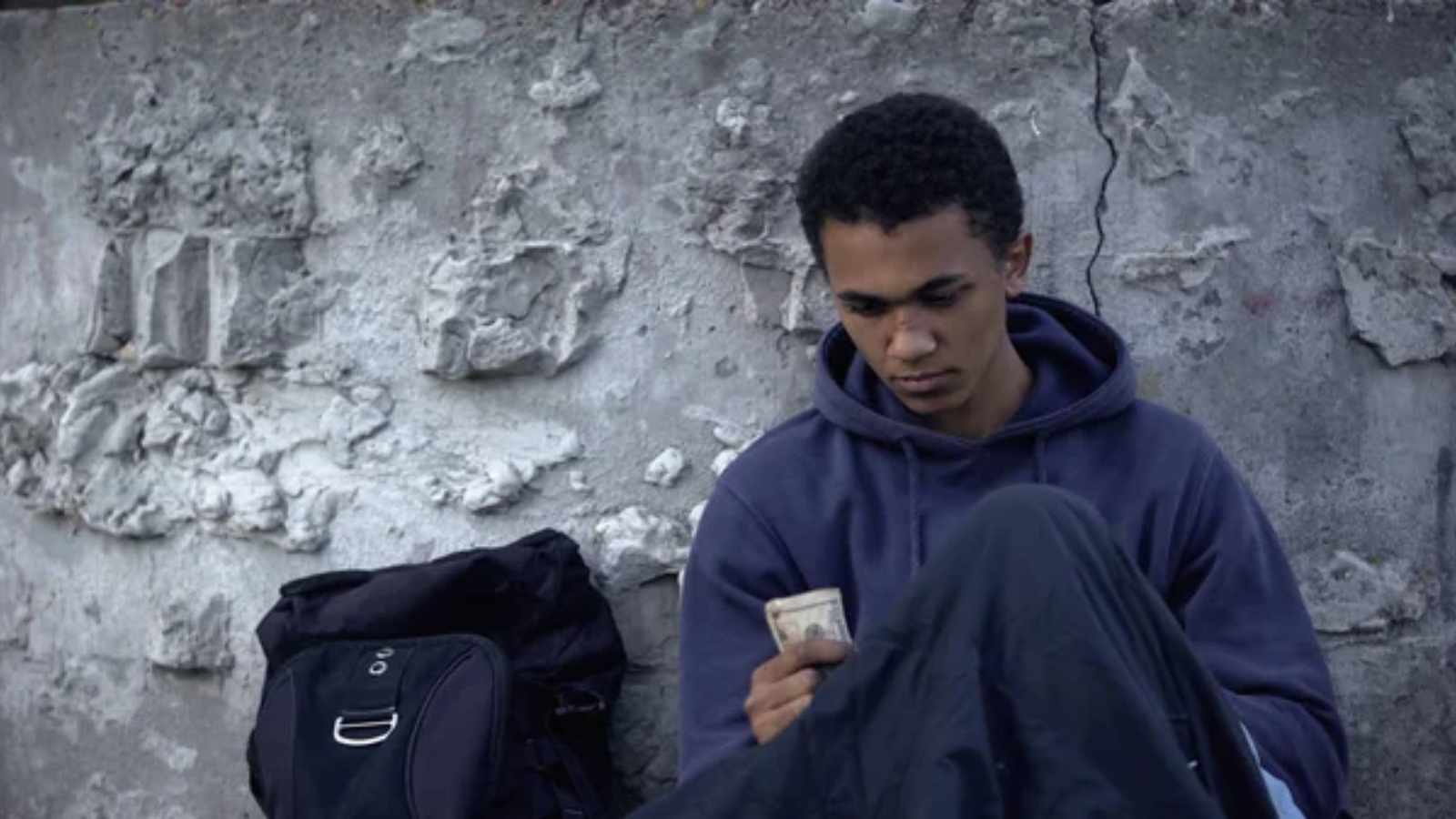
The conversation around poverty often overlooks how it manifests differently for various groups. While the national poverty rate hovers around 11%, the rate for Black Americans is 17.1% and for Hispanic Americans it’s 19.3%.
Systemic barriers, such as housing discrimination, wage gaps, and unequal educational opportunities, help explain why. It’s not about individuals failing; it’s about structures working against them. Understanding this nuance changes how we approach solutions.
Inflation hits low-income households the hardest

When prices rise, households with smaller budgets feel it the most. In 2022, inflation hit 40-year highs, with food and energy costs leading the way.
Wealthier families can absorb higher grocery bills or gas prices, but for lower-income families, it means cutting essentials. The impact of inflation isn’t just about spending more—it’s about losing stability. It makes climbing out of poverty even steeper.
Housing costs push people over the edge

Rent has become one of the biggest drivers of poverty. The National Low Income Housing Coalition reports that a full-time worker needs to earn $33.63/hour to afford a modest two-bedroom apartment at fair market rent.
The federal minimum wage remains $7.25/hour, meaning a minimum-wage earner would need to work 116 hours per week—nearly three full-time jobs—just to afford rent. That’s wild when you think about it.
More than half of renters now spend over 30% of their income just on housing. The result? Less money for food, health care, or even saving for the future.
Education doesn’t guarantee escape

There’s a belief that earning a degree is the golden ticket out of poverty. While higher education does improve earnings overall, it doesn’t always erase poverty risks.
Save this article
Graduates from low-income families often leave school with substantial student loan debt, which can erode the very income they worked so hard to increase. And for many, degrees don’t translate into jobs that pay enough in today’s market. It’s a complicated catch-22.
Government aid doesn’t cover everything
Programs like SNAP, Medicaid, and housing vouchers help millions, but they’re not the whole solution. SNAP benefits average about $199 per person per month, which works out to roughly $6.6 per day, which doesn’t go far at the grocery store.
Plus, many families earn just slightly “too much” to qualify for aid, even though their bills leave them barely scraping by. The gaps in coverage are where people fall through the cracks.
Child poverty numbers are higher than most expect

One of the most brutal truths is how many children grow up in poverty. Roughly 12.4% of kids in the U.S.—that’s more than 9 million—live below the poverty line.
And kids who experience poverty face higher risks of health problems, food insecurity, and falling behind in school. These aren’t distant statistics; they shape real futures. The weight of poverty in childhood often follows people well into adulthood.
Poverty can exist in middle-class neighborhoods

Sometimes poverty hides right next door. Families might live in suburban areas with good schools but still face overwhelming credit card debt or medical bills. They might be driving decent cars while silently juggling overdue utility payments.
In many cases, appearances are maintained out of pride or necessity. Poverty isn’t always where people expect it—it’s often blended into everyday communities.
Transportation barriers keep people stuck

Getting to work, the doctor, or even the grocery store sounds simple until you don’t have reliable transportation. In rural areas, no car often means no job. In cities, public transportation gaps can mean hours-long commutes, eating into time and energy.
Even car owners struggle—repairs and gas can wipe out fragile budgets. Transportation is one of those hidden barriers that quietly make poverty much more challenging to escape.
Poverty is emotionally exhausting

Beyond the numbers, poverty carries a significant emotional burden. Constantly choosing between rent and food or worrying about an unexpected bill wears people down.
Stress of financial insecurity can mimic the effects of trauma, leading to health issues and mental strain. It’s not just “being broke”—it’s living in a constant state of survival mode. That toll is rarely talked about, but it’s authentic.
Key takeaways

Poverty is more complex than unemployment. Millions of Americans living in poverty are employed, but low wages, unstable hours, and rising living costs keep them from financial security.
Basic needs aren’t guaranteed. The cost of essentials such as housing, healthcare, food, and transportation often outpaces income, leaving families struggling despite government aid.
Poverty looks different depending on where and who you are. Rural communities, children, and people of color face exceptionally high poverty rates, while hidden struggles exist even in suburban or middle-class neighborhoods.
The toll is financial and emotional. Inflation, medical debt, and constant trade-offs create lasting stress that affects mental and physical health, showing that poverty is about survival, not laziness.
Disclaimer – This list is solely the author’s opinion based on research and publicly available information. It is not intended to be professional advice.
16 grocery staples to stock up on before prices spike again
16 Grocery Staples to Stock Up On Before Prices Spike Again
I was in the grocery store the other day, and it hit me—I’m buying the same things I always do, but my bill just keeps getting higher. Like, I swear I just blinked, and suddenly eggs are a luxury item. What’s going on?
Inflation, supply-chain delays, and erratic weather conditions have modestly (or, let’s face it, dramatically) pushed the prices of staples ever higher. The USDA reports that food prices climbed an additional 2.9% year over year in May 2025—and that’s after the inflation storm of 2022–2023.
So, if you’ve got room in a pantry, freezer, or even a couple of extra shelves, now might be a good moment to stock up on these staple groceries—before the prices rise later.
6 gas station chains with food so good it’s worth driving out of your way for
6 Gas Station Chains With Food So Good It’s Worth Driving Out Of Your Way For
We scoured the Internet to see what people had to say about gas station food. If you think the only things available are wrinkled hot dogs of indeterminate age and day-glow slushies, we’ve got great, tasty news for you. Whether it becomes part of a routine or your only resource on a long car trip, we have the food information you need.
Let’s look at six gas stations that folks can’t get enough of and see what they have for you to eat.





