

Fights sometimes go from zero to sixty in seconds. One minute you’re talking about who left the dishes out, and the next, you’re hearing words that feel like they’re designed to wound. In fact, according to anger management statistics, a significant 64% of people believe that society is becoming angrier in general.
Additionally, more than one in four people (28%) worry about how often they feel angry. This is a significant mental health concern. Here’s the thing about anger: it’s often a mask. Psychologists say it’s frequently a “secondary emotion” that covers up more vulnerable feelings like fear, helplessness, or shame. It’s a powerful signal, but one that can easily get misinterpreted.
So, how can you tell when everyday frustration crosses the line into something deeper? The language we use is a huge clue. Here are 15 common phrases that signal there’s more going on than just a bad mood.
“You always…” or “You never…”

This is the language of absolutes. When a specific complaint, such as “You didn’t take out the trash,” morphs into “You never help around the house,” it’s a sign of something more profound.
These words are rarely factually true. Instead, they’re used to add maximum emotional weight to a grievance. Relationship expert Dr. John Gottman identifies this as “criticism,” one of his “Four Horsemen” that are strong predictors of a relationship’s demise.
What’s really happening here? The speaker is trying, in the most forceful way possible, to communicate a deep, unmet need. They feel unheard, and the extreme language is a desperate attempt to make you see the depth of their frustration.
But it almost always backfires. It puts the other person on the defensive, making them argue the literal facts (“That’s not true, I helped last week!”) instead of addressing the underlying feeling of being unsupported or ignored.
“You’re unbelievable.”

This is an expression of pure astonishment, and in a conflict, it’s almost always negative. It communicates that the other person’s behavior is so far outside the bounds of decency that it defies belief.
The tone is everything here. When said with anger, it’s a statement of harsh judgment. The speaker is placing themselves in a position of moral superiority, looking down on the “unbelievable” actions of the other person.
This phrase often marks the exact moment in a fight where the speaker feels a core trust has been shattered. The word is a literal expression of shock: “I cannot believe you are capable of this. This action does not fit my understanding of who you are.” It signals that the speaker’s entire perception of the other person has been called into question, which is a moment of profound relational damage.
“It’s your fault.”

This is the classic blame shift. It’s a defensive move that transfers all responsibility for a negative feeling or situation onto someone else. It’s a cornerstone of verbal abuse and a common gaslighting tactic.
People do this to protect themselves. For some, admitting fault can trigger deep-seated fears of being seen as “bad, unlovable, or unworthy. “By making it ‘your fault,’ the blamer shields their fragile ego. As author Shannon L. Alder wisely notes, “Blame does not empower you. It keeps you stuck.”
This pattern often starts in childhood. When a child is told, “You made me yell at you,” they learn that blame is a tool for control and that love is conditional on their “good” behavior. As adults, they may replicate this, believing that if something feels bad, someone must be at fault. This is a common trait in those with Intermittent Explosive Disorder (IED), who often grew up in homes where explosive behavior and blame were the norm.
“Fine.” or “I’m fine.”

We all know this one. It’s the classic passive-aggressive shutdown. The word says one thing, but the tone and body language scream the opposite. It’s a way to signal intense displeasure without having to engage in a direct, honest conflict.
People often say, “I’m fine,” to avoid a fight, shield themselves from painful feelings, or because they simply don’t have the words to express what’s really going on inside. Some even use the acronym F.I.N.E. to mean Feelings In Need of Expression.
But a constant reliance on “I’m fine” points to a much bigger issue: a lack of emotional safety. The person using it doesn’t feel secure enough to be vulnerable. They’ve likely learned that expressing their true feelings, like “I’m hurt” or “I’m angry,” will be met with punishment, dismissal, or escalation. “I’m fine” becomes a survival tactic, a retreat to feigned neutrality to prevent a worse outcome.
“You’re overreacting / You’re too sensitive.”

This is perhaps one of the most damaging phrases in a conflict. It’s a classic gaslighting tool designed to invalidate your emotions and make you question your sanity.
The goal is to reframe your valid emotional response as irrational or hysterical. This masterfully shifts the focus away from the speaker’s behavior and onto your reaction to it. The implied message is, “My actions aren’t the problem; your feelings about them are.”
But here’s the twist: this accusation is often a projection. The person saying “You’re too sensitive” is frequently revealing their low tolerance for discomfort. Your emotions are making them uncomfortable, and they want it to stop. According to therapist Charles Gaby, a therapist in Dallas, Texas, interviewed by Psychology Today, people often say this after acting unkindly, attempting to persuade both themselves and you that their behavior wasn’t wrong.
“Just leave me alone.”

This is a direct and forceful demand for space, but its meaning can be complex. It’s a clear signal to stop the conversation, but what it’s really asking for can vary wildly. For some, it’s a literal and non-personal request: “I am overwhelmed and need to retreat to my ‘cave’ to cool down before I say something I’ll regret.”
For others, it can be a test: “I am so upset with you that you need to fight for me. Show me I’m important enough for you to break through this wall.”
This difference often creates a toxic dance. One person pulls away to self-regulate, which triggers the other person’s fear of abandonment, causing them to pursue. The more they pursue, the more the first person feels suffocated and desperate to escape. The phrase “Leave me alone” becomes the epicenter of this dysfunctional clash of coping mechanisms.
“I’m done.”

These two words are a conversation-killer. This is a form of stonewalling, one of Dr. Gottman’s “Four Horsemen.” It’s an abrupt withdrawal from the conflict that leaves the issue unresolved and the other person feeling completely abandoned.
Psychologically, stonewalling is often a reaction to feeling “physiologically flooded”—a state of such intense emotional overwhelm that rational thought becomes almost impossible. The person shuts down to protect themselves. However, storming out or declaring “I’m done” isn’t a passive retreat. It’s an aggressive act that punishes the other person by cutting off all communication.
It’s also a veiled threat. By saying “I’m done” or threatening to block someone, the speaker weaponizes the fundamental human fear of abandonment to control the argument. The other person’s focus instantly shifts from the original problem to desperately trying to save the connection, which means the person who said “I’m done” just won the fight.
“This is ridiculous.”

This phrase is a complete dismissal. It frames the other person’s argument, feelings, or the entire situation as absurd, illogical, and unworthy of serious thought.
By labeling the conflict “ridiculous,” the speaker instantly elevates themselves to the position of the sole rational adult in the room. It’s a power move designed to shut down the conversation without ever having to engage with its substance. It’s a subtle but potent form of contempt.
Often, this is a defense against cognitive dissonance. The speaker might, on some level, recognize some truth in what the other person is saying. This creates uncomfortable mental static. To resolve it, it’s psychologically easier to discredit the other person’s entire argument as “ridiculous” than it is to engage in a difficult self-examination.
“Whatever.”

This single word can be more damaging than a whole sentence of insults. It’s a verbal eye roll, dripping with dismissal and disrespect. Dr. John Gottman identifies this kind of communication as contempt, which his research found to be the “single greatest predictor of divorce.”
Contempt is more than just criticism; it’s criticism delivered from a position of moral superiority. Saying “Whatever,” tells the other person that their feelings and opinions are so insignificant they’re not even worth a real response. It’s why contempt is often called “sulfuric acid for love.”
This phrase is rarely a spontaneous reaction. It’s the audible tip of what Gottman calls the “anger iceberg”. It’s fueled by negative thoughts and unresolved resentments that have been simmering for a long, long time. So when you hear “Whatever,” you’re not just hearing one word; you’re hearing the echo of countless unresolved fights.
“You’re just like your mother/father.”

Save this article
Ouch. This is a low blow that weaponizes a person’s most fundamental relationships against them. In an argument, it’s almost never a compliment.
It’s a form of character assassination. The phrase implies that the behavior isn’t just a mistake, but a deep-seated, unchangeable character flaw inherited from a parent. It’s incredibly damaging because it attacks a person’s very identity.
This accusation is also frequently a projection. The speaker is often reacting to their own unresolved issues with the parent in question, or with their own parents. They are no longer arguing with their partner in the present moment; they are fighting with the ghost of a parent from their past, making the conflict impossible to resolve.
“I don’t care.”

These three words can be more painful than a direct insult. They signal apathy and indifference, communicating that the other person, their feelings, and the relationship itself are unimportant.
While it can be a power play, it’s often a sign of something much deeper. “I don’t care” can be a symptom of anhedonia, a core feature of depression where a person loses the ability to feel pleasure or interest. Given that over 30% of people with depression also report frequent anger outbursts, the link is significant.
In a long-term relationship, “I don’t care” can be a sign of total emotional burnout. It comes after countless repeated conflicts have led to a sense of hopelessness. It’s a form of self-preservation that says, “I’ve been hurt too many times trying to fix this. I no longer have the energy to invest. I’m giving up.”
“You’re not listening to me!”

On the surface, this sounds like a plea to be heard. But in a heated argument, it often means something else entirely: “You’re not agreeing with me,” or “You’re not obeying me.”
This phrase reveals a desire for control rather than connection. The speaker isn’t looking for mutual understanding; they’re looking for validation and compliance. When they don’t get it, they reframe the disagreement as a “listening problem” on the other person’s part.
It’s also a projection of the speaker’s frustration and inability to communicate effectively. It’s easier to accuse someone else of a deficit (“You’re not listening”) than to admit their own (“I’m not explaining this well,” or “I’m not handling this disagreement constructively”). This points to a low tolerance for frustration, a key symptom of conditions like IED.
“Why are you attacking me?”

This is a masterful defensive move that reframes a simple complaint or disagreement as a vicious, personal attack. It instantly casts the speaker as the innocent victim and the other person as the cruel aggressor.
This is a classic example of the DARVO strategy, a term used in psychology that stands for Deny, Attack, and Reverse Victim and Offender. The person causing the harm flips the script to make themselves appear as the one being wronged. It’s a highly manipulative tactic designed to dodge all accountability.
This phrase is also a powerful shield against what’s known as a “narcissistic injury.” When a person with narcissistic traits has their sense of superiority challenged, it causes them intense psychological pain. To fend off that pain, they must invalidate the source of the criticism. By crying “attack,” they are pathologizing the simple act of being challenged, which protects their fragile ego.
“I can’t take this anymore.”

This is a cry of complete exasperation. It frames the speaker as a victim who has reached their absolute breaking point.
It’s a clear signal that the person has reached their emotional limit and is on the verge of either an explosive outburst or a major, life-altering decision, such as ending the relationship. While it can be a genuine cry of helplessness, it can also be used manipulatively to generate sympathy and force the other person to back down immediately.
Think of this phrase as the final warning shot before what psychologist Dr. Albert J. Bernstein calls an “extinction burst.” This is when a person, feeling ignored, will escalate their behavior “louder, longer, and more enthusiastically” right before they give up completely. It’s a sign the fight is about to get much worse.
“After all I’ve done for you…”

This is the ultimate guilt trip. It’s a manipulative phrase that attempts to create a sense of overwhelming indebtedness and obligation.
It reframes the entire relationship as transactional. All past acts of kindness were not gifts; they were loans, and the bill is now due. The speaker positions themselves as a long-suffering martyr who has been treated ungratefully, a common tactic for people with narcissistic or histrionic personality traits.
This is the language of conditional love. It reveals that the speaker has been “scorekeeping,” and their past support was not motivated by genuine care but by an expectation of future compliance. It sends a chilling message: “I will be good to you, but only as long as you do what I want. If you don’t, I will use my past ‘goodness’ as a weapon against you.”
Conclusion

These 15 phrases are more than just words. They are windows into our emotional worlds, often signaling deep-seated pain, fear, and unresolved issues. So, what’s the antidote? It starts with shifting from “you” statements to “I” statements. Instead of saying, “You did this,” try, “I felt this way when that happened.” This simple change can transform an accusation into a conversation.
The goal isn’t to never feel angry. The goal is to handle it wisely. As the great philosopher Aristotle said, “Anybody can become angry—that is easy, but to be angry with the right person and to the right degree and at the right time, and for the right purpose, and in the right way—that is not within everybody’s power and is not easy.”
Unmanaged anger doesn’t just hurt others; it hurts you. Recognizing these patterns is the first, most powerful step toward change. While it’s a tough journey, it’s one that leads to healthier communication and stronger, more resilient relationships.
And if you’re struggling, don’t be afraid to seek help. According to CrownCounselling, fewer than 15% of people with anger issues ever seek professional support, but therapy and anger management programs can be incredibly effective. Learning to put down that hot coal is one of the kindest things you can do, for yourself and for everyone around you.
Disclaimer – This list is solely the author’s opinion based on research and publicly available information. It is not intended to be professional advice.
16 Grocery Staples to Stock Up On Before Prices Spike Again
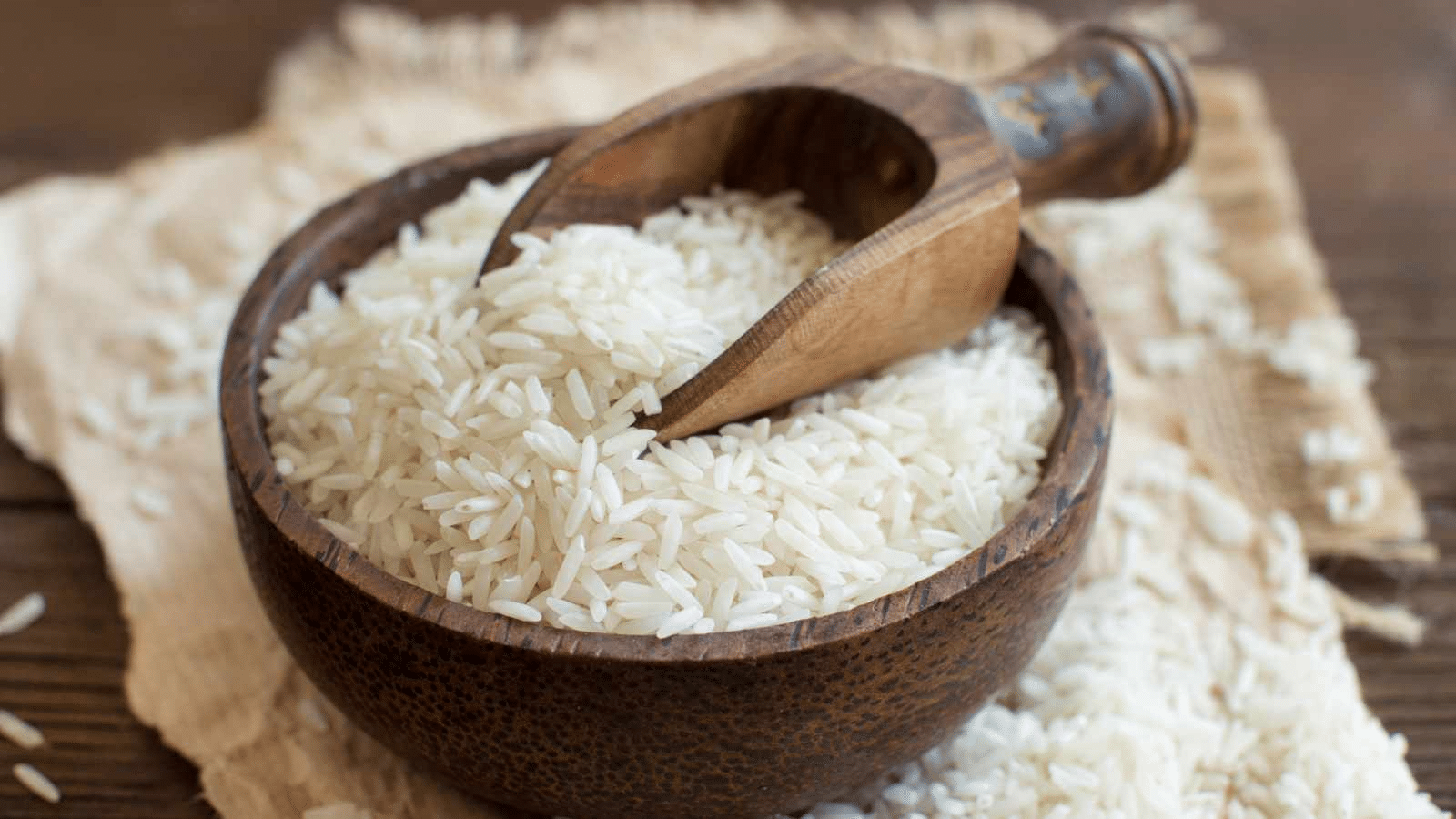
16 Grocery Staples to Stock Up On Before Prices Spike Again
I was in the grocery store the other day, and it hit me—I’m buying the exact same things I always do, but my bill just keeps getting higher. Like, I swear I just blinked, and suddenly eggs are a luxury item. What’s going on?
Inflation, supply-chain delays, and erratic weather conditions have modestly (or, let’s face it, dramatically) pushed the prices of staples ever higher. The USDA reports that food prices climbed an additional 2.9% year over year in May 2025—and that’s after the inflation storm of 2022–2023.
So, if you’ve got room in a pantry, freezer, or even a couple of extra shelves, now might be a good moment to stock up on these staple groceries—before the prices rise later.
6 Gas Station Chains With Food So Good It’s Worth Driving Out Of Your Way For
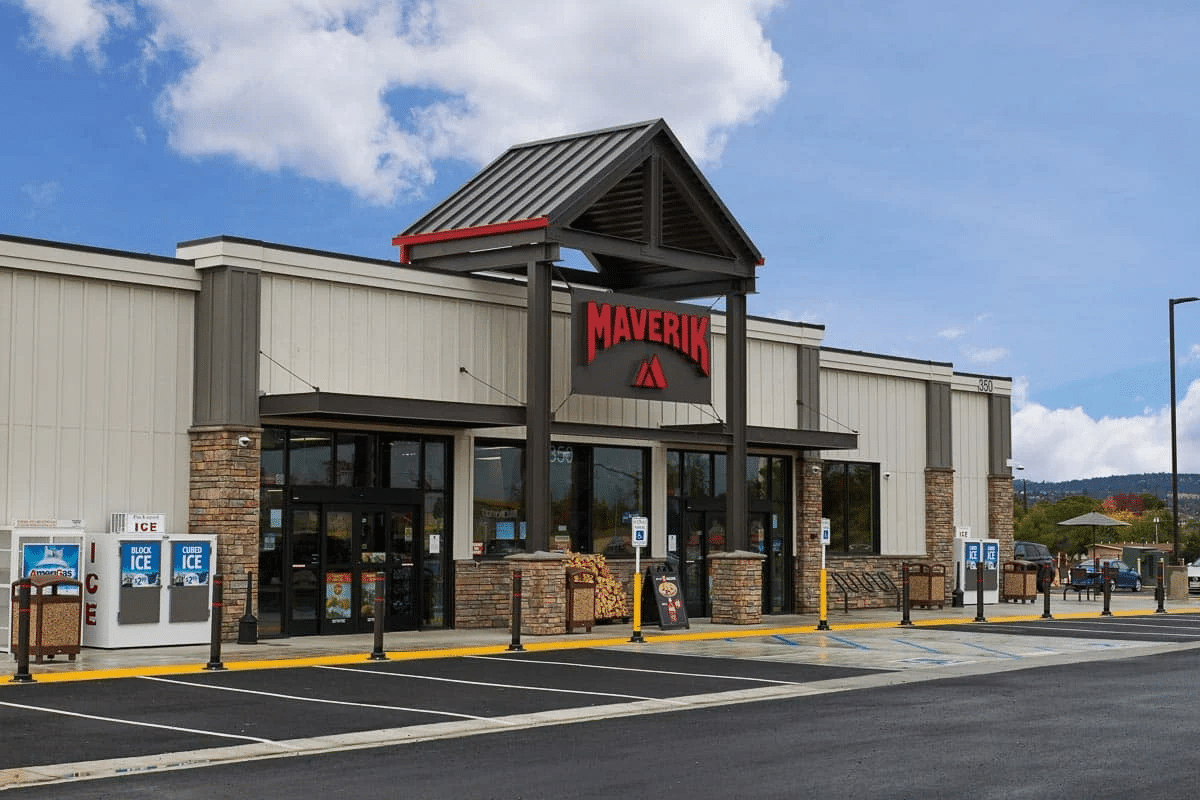
6 Gas Station Chains With Food So Good It’s Worth Driving Out Of Your Way For
We scoured the Internet to see what people had to say about gas station food. If you think the only things available are wrinkled hot dogs of indeterminate age and day-glow slushies, we’ve got great, tasty news for you. Whether it ends up being part of a regular routine or your only resource on a long car trip, we have the food info you need.
Let’s look at 6 gas stations that folks can’t get enough of and see what they have for you to eat.





