
While many focus on big-ticket expenses, it’s the everyday, seemingly harmless purchases that can quietly drain your savings. This list highlights 15 common but costly spending habits that can keep families stuck in a cycle of working hard without building long-term wealth.
You know that feeling when you’re working hard, doing everything “right,” and still wondering why your savings account looks like it skipped breakfast? It’s not just the big stuff—it’s the sneaky, everyday purchases that quietly siphon off your future wealth. I’ve watched friends chase upgrades, memberships, and lifestyle perks that feel harmless but add up fast.
The middle class isn’t overspending out of recklessness—it’s often out of habit, convenience, or good intentions. Here’s a list of 15 costly purchases that keep families stuck in a cycle of earning without building wealth. If you’ve ever asked yourself, “Where did my money go?”—this breakdown might hit closer to home than you expect.
New cars

That new car smell is intoxicating, isn’t it? But so is the monthly payment that follows you around for years. In 2025, the average monthly payment for new vehicles is now $ 745, with nearly one in five buyers paying over $1,000.
As Bankrate’s Greg McBride puts it, “new vehicle prices and insurance keep ballooning—holding off may be one of the smartest wealth moves in 2025.” Instead of watching your money drive off the lot via depreciation, consider a reliable used car. Your future self will thank you.
Oversized mortgages

We’re all chasing the American dream of homeownership, but sometimes that dream turns into a financial nightmare. In 2025, nearly half of U.S. metropolitan areas require six-figure incomes to afford a median-priced home. Yet, the national median income still falls short by $25,000.
Housing now consumes 40–50% of middle-class income in many regions, far above the recommended 30% threshold. When your mortgage is that big, it strangles your cash flow. It leaves little room for investing, saving, or even basic financial resilience. Are you buying a home to live in, or are you living just to pay for your home?
Private school & packed extracurriculars

Wanting the best for your kids is natural, but at what cost? With childcare averaging $15,000 per year and private school tuition rivaling college costs, many families are struggling to make ends meet.
I’ve seen friends put their own retirement and college savings on hold just to keep up with annual education and activity fees. It’s a tough pill to swallow, but sometimes, public school plus focused savings is the more brilliant long-term play.
Eating out frequently

I get it, cooking after a long day is a drag. However, dining out three to four times a week can quietly siphon $2,500 to $5,000 from your budget annually. Think about it: that’s money that could be compounding in an investment account. Making a few more meals at home isn’t just healthier for your body; it’s a whole lot more nutritious for your wallet, too.
Premium groceries & name brands

Food inflation is a real phenomenon, and brands are capitalizing on it. Sticking to name-brand products can cost you, with some items being up to 60% more expensive than their generic counterparts.
Financial educator Kimberly Palmer notes, “small swaps in the grocery aisle can add thousands a year to your investment account.” Do a blind taste test—I bet you won’t even notice the difference.
High-end electronics & gadgets

Do you really need the latest and most excellent smartphone the day it’s released? According to Gartner, device spending is projected to grow 10.4% in 2025, driven by inflationary pressures and demand for AI-enabled hardware. While some premium devices—such as flagship smartphones and laptops—have seen price hikes of 40–60% over the past three years, the average increase across consumer tech categories is closer to 10–20%.
The trend is shifting, and more people are opting for refurbished or older models. Honestly, last year’s model works just fine, and it lets you keep hundreds of dollars in your pocket.
Fast fashion & impulsive clothing purchases

That $30 trendy top feels like a steal until you have to replace it after three washes. Fast fashion is a trap. Spending $90 on a quality item that lasts for years is far cheaper than buying a $30 piece five times. The “buy once, wear for years” mindset is gaining traction for a reason. It’s about building a wardrobe that lasts, not one that’s disposable.
Status spending

Ah, status spending—buying things we don’t need to impress people we don’t like. Spending for status often redirects money away from wealth-building and toward items purchased for signaling, rather than utility—a concept echoed by financial educators like those at New Trader U. This kind of conspicuous consumption remains a key driver of consumer debt among middle-income households, according to data from the Federal Reserve.
A luxury watch may look impressive, but it won’t accelerate your retirement timeline or grow your net worth. I’ve seen families sacrifice long-term financial goals to maintain appearances, only to fall behind on savings and investment. In reality, economic freedom is the only status symbol that compounds over time, accruing value over time.
Major home upgrades & renovations

Save this article
Dreaming of that perfect kitchen from a reality TV show? Be careful. In 2025, remodeling costs rose by approximately 12%, driven by labor shortages, material inflation, and increased demand for energy-efficient upgrades.
Despite the surge in spending, the average return on investment (roi) for most interior remodeling projects remains below 60% if the home is sold within five years. Unless your house is falling apart, think twice before taking out a massive loan for a cosmetic upgrade. A little paint can go a long way.
Subscription overload

One streaming service becomes five, and suddenly you’re paying for a music app you never use and a fitness plan you forgot about. The average household now spends over $800 a year on subscriptions, often without realizing it. Do a quick audit of your monthly statements. You may be surprised at how much you can save.
High-interest credit card debt

This is the big one. With average interest rates on new cards reaching 25.35% in September 2025, carrying a balance is akin to setting your money on fire. As financial guru Dave Ramsey warns, “paying minimums on high-interest interest is the fastest way to stay broke.” If you’re trapped in credit card debt, make it your absolute priority to pay it off. It’s a guaranteed return on your money.
Constant commuting costs
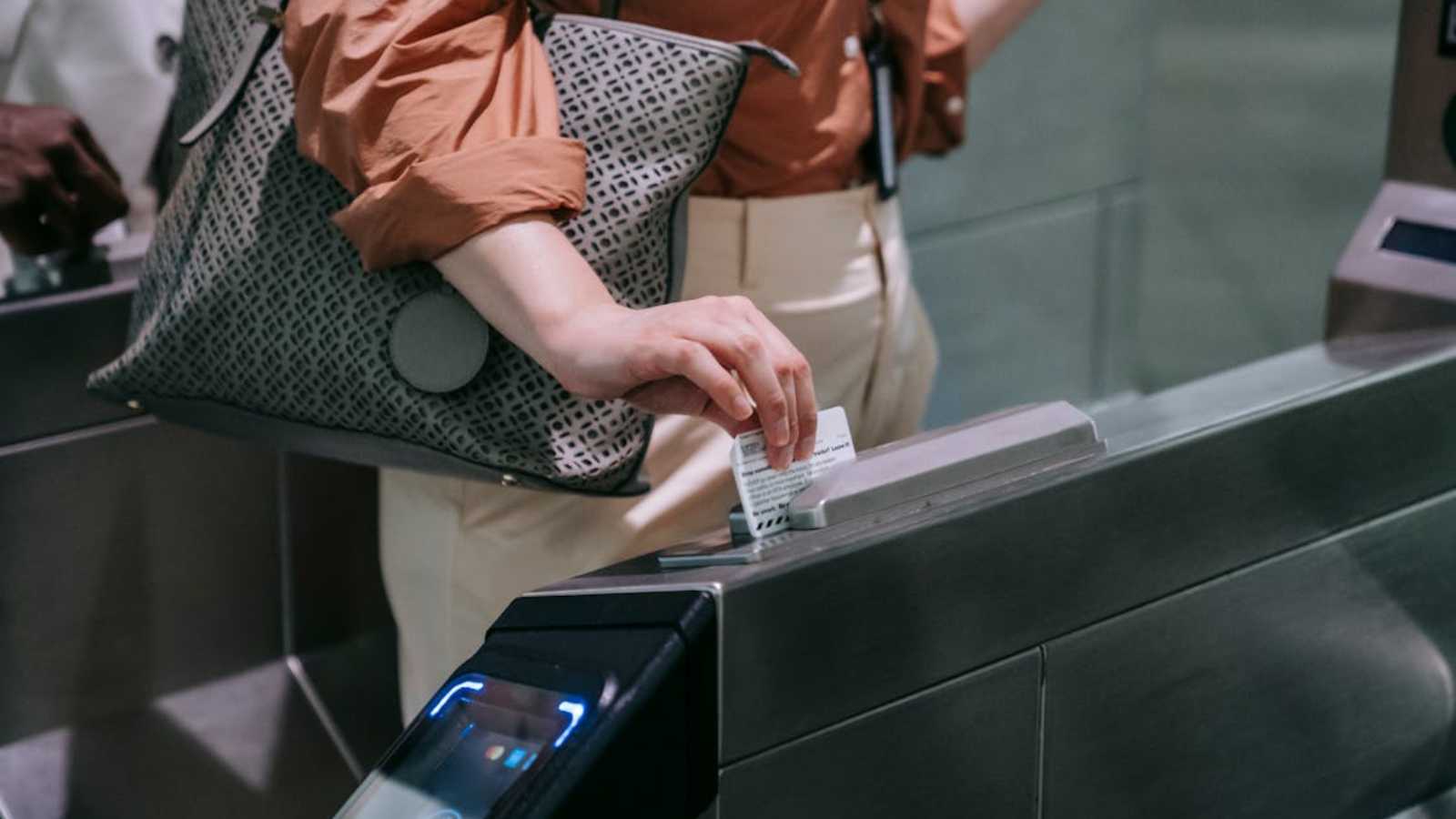
The return to the office has brought back a dreaded expense: the commute. According to 2025 data, urban commuters in New York City spend an average of $5,907 per year, with tolls alone accounting for $4,680 annually. In San Diego, the average commuter pays $5,080 per year, including $1,653 for fuel and $1,217 for repairs.
Across major metro regions, total commuting costs—including gas, maintenance, parking, and tolls—typically range from $3,000 to $6,000 per year, depending on location and driving habits. That’s a significant chunk of change that could be invested instead. If you have the option to work remotely, even a few days a week, grab it.
Frequent upgrades (phones, cars, home tech)

Our culture is obsessed with “new.” Americans upgrade their smartphones every 2.4 years on average, according to 2025 global usage data. The average selling price (ASP) of smartphones in 2025 is $426, although many consumers opt for premium models like the iPhone 15 Pro or Galaxy S23 Ultra, which often exceed $1,000.
This constant upgrade cycle for phones, cars, and home gadgets is a significant drain on wealth. The trick is to use your things until they no longer serve their purpose, not just until a shinier version comes out.
Unused memberships

That gym membership you bought on New Year’s is a classic example. According to 2025 data from the fitness industry, 18% of U.S. gym memberships remain unused, resulting in annual losses of $500–$1,200 per person.
Collectively, Americans waste about $1.3 billion each year on unused gym memberships. The same goes for clubs and other wellness memberships. If you aren’t using it, get rid of it. There are plenty of free ways to stay active.
Large appliances & furniture bought on credit

Those “no interest for 24 months” deals may sound appealing, but they often come with a hidden catch. If you don’t pay off the full balance within the promotional period, deferred interest is retroactively applied from the purchase date, typically at rates between 25% and 31.99%.
That means a $2,000 appliance could end up costing $2,500–$2,600 or more, depending on your card’s APR and payment history. Retailers use these offers to move big-ticket items, but the fine print can turn a good deal into a costly mistake. Saving up and paying in cash avoids the risk entirely—and preserves your future spending power.
Disclaimer – This list is solely the author’s opinion based on research and publicly available information. It is not intended to be professional advice.
16 Grocery Staples to Stock Up On Before Prices Spike Again

16 Grocery Staples to Stock Up On Before Prices Spike Again
I was in the grocery store the other day, and it hit me—I’m buying the exact same things I always do, but my bill just keeps getting higher. Like, I swear I just blinked, and suddenly eggs are a luxury item. What’s going on?
Inflation, supply-chain delays, and erratic weather conditions have modestly (or, let’s face it, dramatically) pushed the prices of staples ever higher. The USDA reports that food prices climbed an additional 2.9% year over year in May 2025—and that’s after the inflation storm of 2022–2023.
So, if you’ve got room in a pantry, freezer, or even a couple of extra shelves, now might be a good moment to stock up on these staple groceries—before the prices rise later.
6 Gas Station Chains With Food So Good It’s Worth Driving Out Of Your Way For
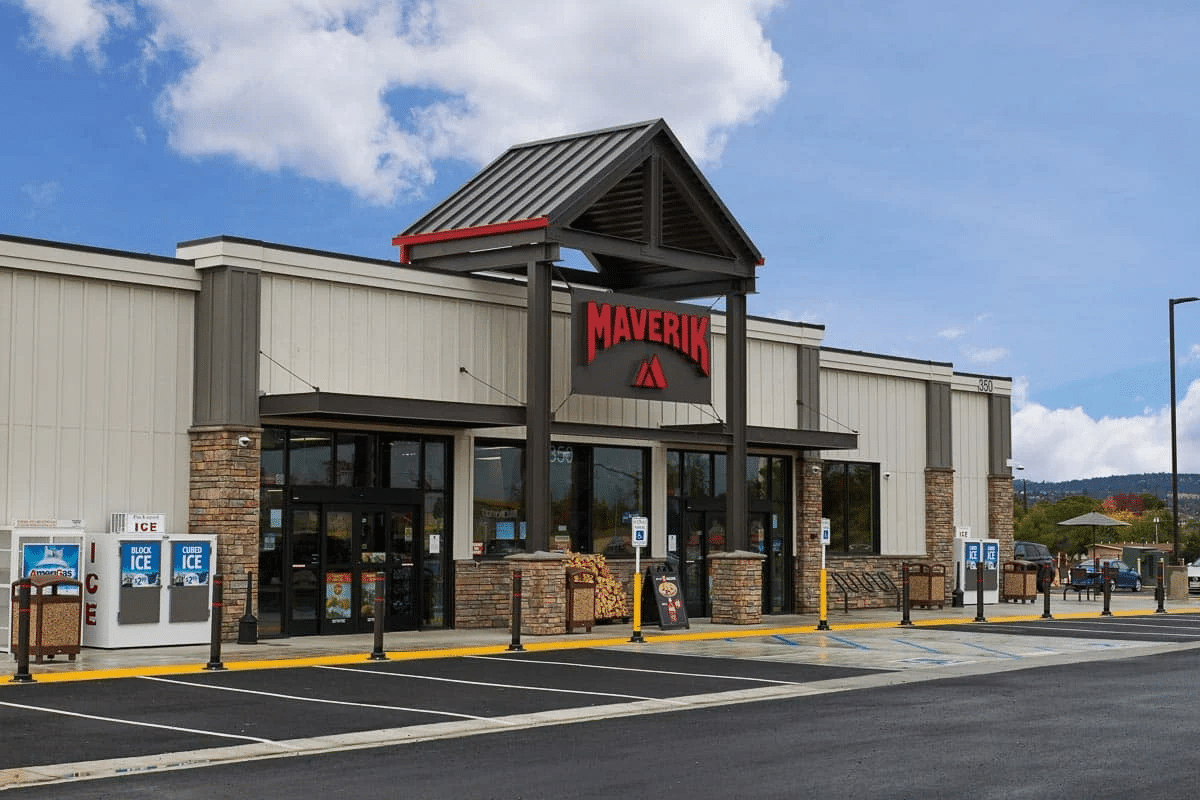
6 Gas Station Chains With Food So Good It’s Worth Driving Out Of Your Way For
We scoured the Internet to see what people had to say about gas station food. If you think the only things available are wrinkled hot dogs of indeterminate age and day-glow slushies, we’ve got great, tasty news for you. Whether it ends up being part of a regular routine or your only resource on a long car trip, we have the food info you need.
Let’s look at 6 gas stations that folks can’t get enough of and see what they have for you to eat.