

A single generation can forget what once defined daily life—proof of how powerfully vaccines have reshaped our collective memory of disease.
Let’s talk about something that’s become surprisingly controversial: vaccines. There’s a lot of noise out there, but sometimes it helps to step back and look at the scoreboard. We tend to forget what life was like before certain shots became a routine part of every child’s checkup. And these weren’t just minor sniffles — they were serious diseases that once caused real fear in families.
Between 1994 and 2023, routine childhood vaccinations in the U.S. are estimated to have prevented 508 million illnesses and 32 million hospitalizations. Even more remarkably, they saved the lives of about 1.13 million children born during that period. That’s an incredible impact for something as simple as a few well-timed shots.
With that in mind, I’ve put together a kind of highlight reel — a look at 15 diseases that vaccines have either wiped out entirely or put on a very short leash here in America. It’s a powerful reminder of what public health can achieve.
Polio (Wild poliovirus)
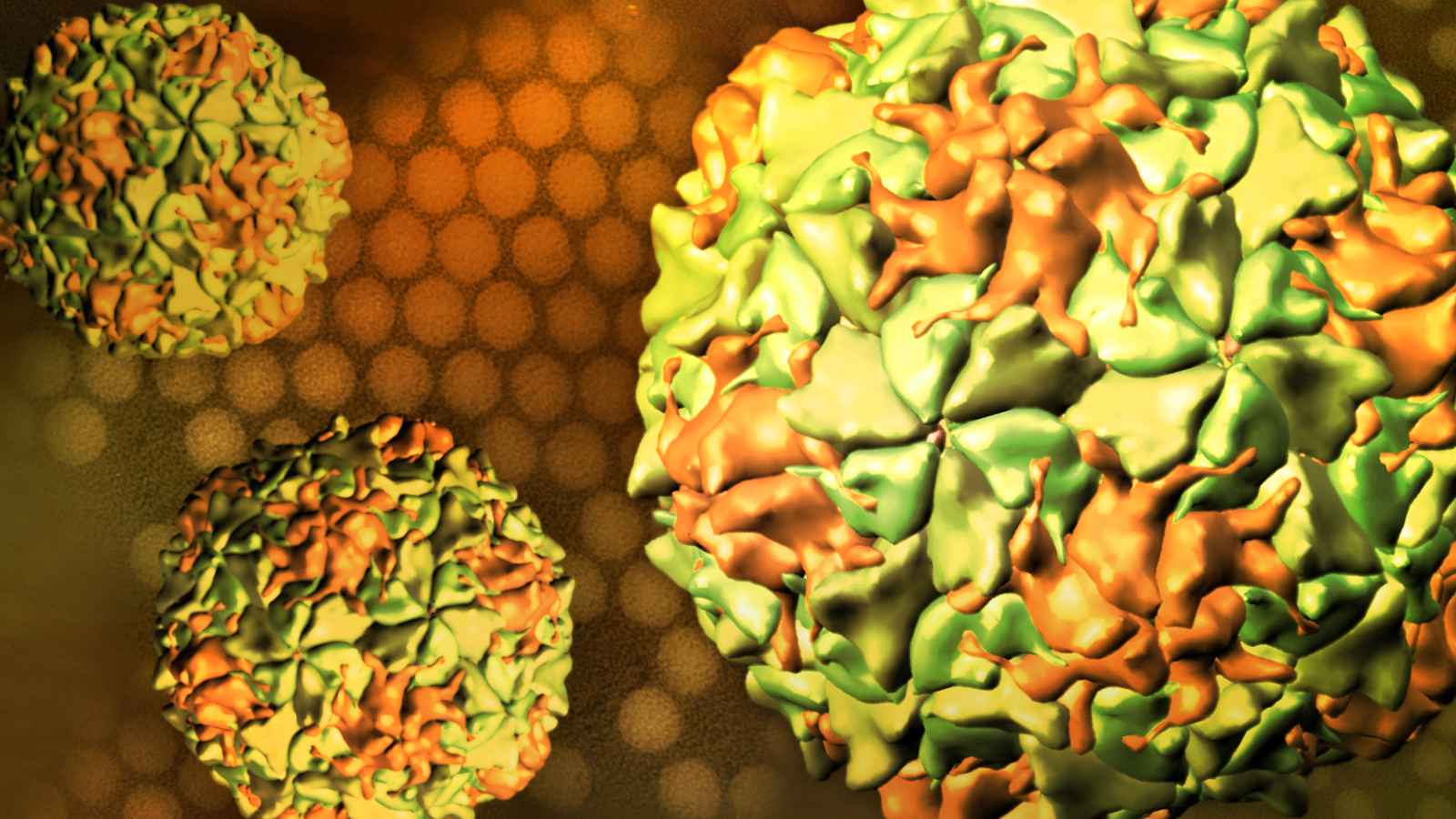
Remember those images of kids in iron lungs? That was polio. It once paralyzed tens of thousands of people every year, often leaving them with permanent disabilities. Thanks to the Salk and Sabin vaccines, the U.S. reported its last case of wild polio back in 1979. We’ve been free of endemic polio for over four decades.
Health authorities still keep a close watch for any cases brought in from other countries. They work hard to keep vaccination rates high to prevent the virus from making a comeback. For anyone born after the big vaccine campaigns, it’s a disease that feels like ancient history, which is exactly the point.
Diphtheria
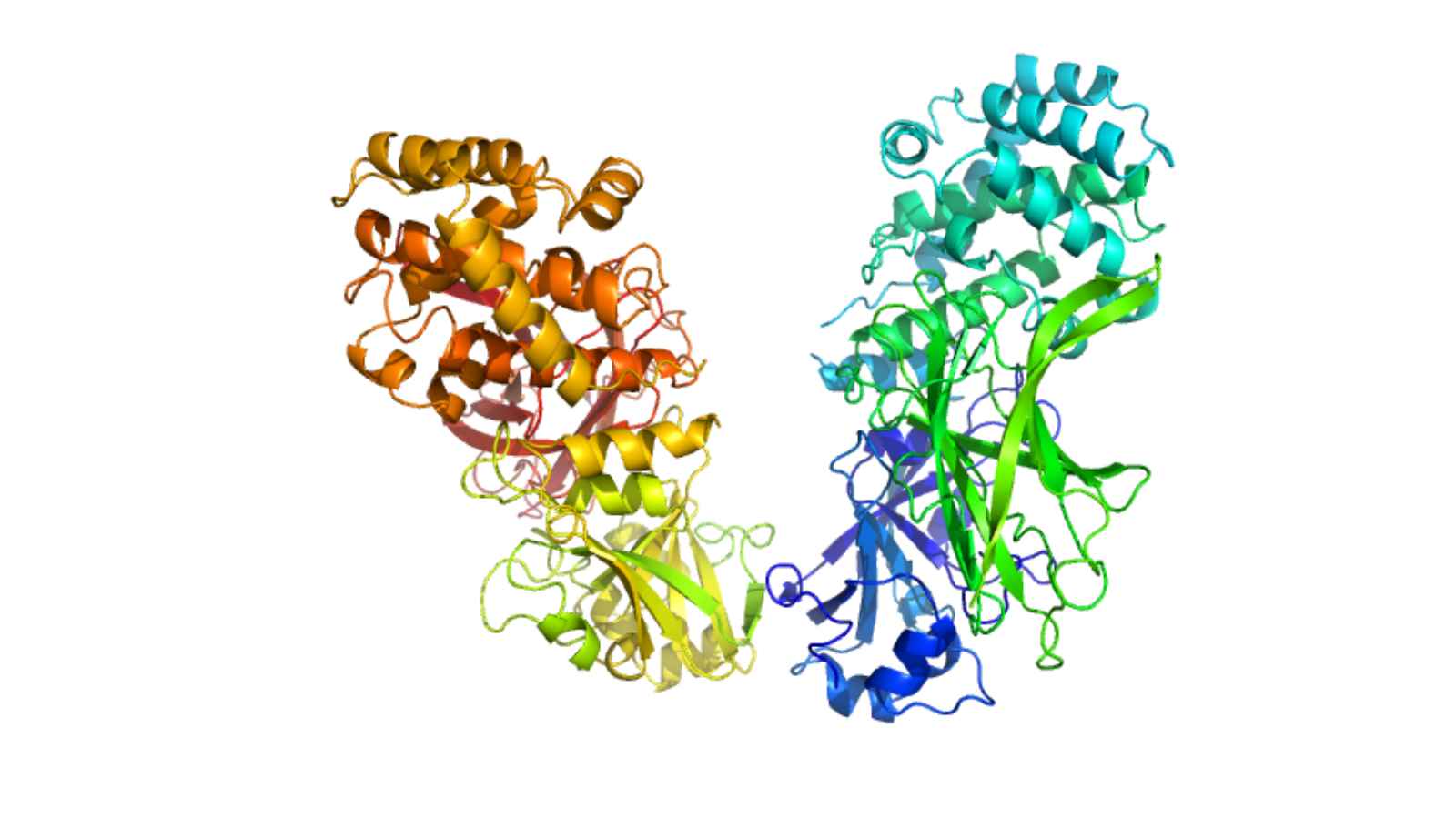
Diphtheria used to be a top killer of children in the United States. It creates a thick coating in the back of the throat that can make it hard to breathe. The vaccine changed everything. After it was introduced, cases dropped to almost nothing.
Now, diphtheria is extremely rare in the U.S. The few cases that pop up are almost always in people who aren’t vaccinated or have traveled internationally. It’s a scary disease that most doctors today will never see in their careers, all thanks to a routine shot.
Haemophilus influenzae type b (Hib)
Before the vaccine, Hib was a name that struck fear in parents’ hearts. This bacterium was the leading cause of bacterial meningitis in young children. It caused about 20,000 serious cases a year, leading to brain damage, hearing loss, or death.
The Hib vaccine completely changed pediatrics. After it became a routine shot, cases of Hib meningitis in kids plummeted to just a handful each year. The disease has been practically wiped out in vaccinated populations, saving countless young lives.
Varicella (Chickenpox)
Ah, chickenpox. Many of us remember it as an itchy, miserable rite of passage from childhood. But it could also lead to dangerous complications like skin infections or pneumonia. The chickenpox vaccine was introduced in 1995, and it made a huge difference.
Since then, cases, hospitalizations, and deaths from chickenpox have fallen by more than 90%. Kids today are much less likely to suffer through the itchy rash and potential dangers. It’s no longer a normal part of growing up, and that’s a very good thing.
Tetanus
Tetanus is different from the other diseases on this list because it’s not contagious. The bacteria that cause it live in soil and dust. It gets into the body through cuts or wounds and causes painful muscle spasms, famously “lockjaw.”
Thanks to the DTaP and Tdap vaccines, tetanus is very rare in the U.S. today. Nearly all cases happen in people who haven’t gotten their shots or aren’t up to date on their boosters. A simple shot can prevent a truly awful disease.
Pertussis (Whooping cough)
Whooping cough is a nasty respiratory infection that’s especially dangerous for babies. Before the vaccine, it killed thousands of young children every year. The violent coughing fits can make it impossible for them to breathe.
The vaccine dramatically reduced the number of cases and deaths. Pertussis hasn’t been eradicated, though. We still see outbreaks because immunity can fade over time. That’s why booster shots and vaccinating pregnant women are so important to protect newborns.
Smallpox
Smallpox holds a special place in history because it’s the only human infectious disease we’ve completely wiped out globally. The World Health Organization gave it the official boot in 1980 after a massive global vaccination effort. In the U.S., the last natural case happened way before that. It’s hard to imagine now, but this disease caused thousands of deaths and left survivors with severe scars.
Thanks to that aggressive campaign, routine smallpox shots aren’t needed anymore because the virus just isn’t around in the wild. All that’s left are some lab samples, which is a whole other topic about bioterrorism that I won’t get into today. IMO, the eradication of smallpox is one of medicine’s biggest success stories and a great model for what we can achieve.
Hepatitis A
Hepatitis A is a liver infection spread through contaminated food or water. Before the vaccine became available in the mid-1990s, it caused frequent community outbreaks.
Since the vaccine was introduced, reported rates of hepatitis A have dropped dramatically. Widespread childhood vaccination has made this disease much less common. It has protected entire communities from the illness and its economic costs.
Hepatitis B
Hepatitis B is another liver infection, but it’s spread through blood and body fluids. It can become a chronic, lifelong illness that leads to liver cancer. The vaccine has been a game-changer.
Thanks to routine infant vaccination programs, rates of both new and chronic infections have hit historic lows. The CDC estimates childhood immunizations have saved the country trillions of dollars and prevented hundreds of millions of illnesses, with the hepatitis B vaccine playing a big part.
Save this article
Measles
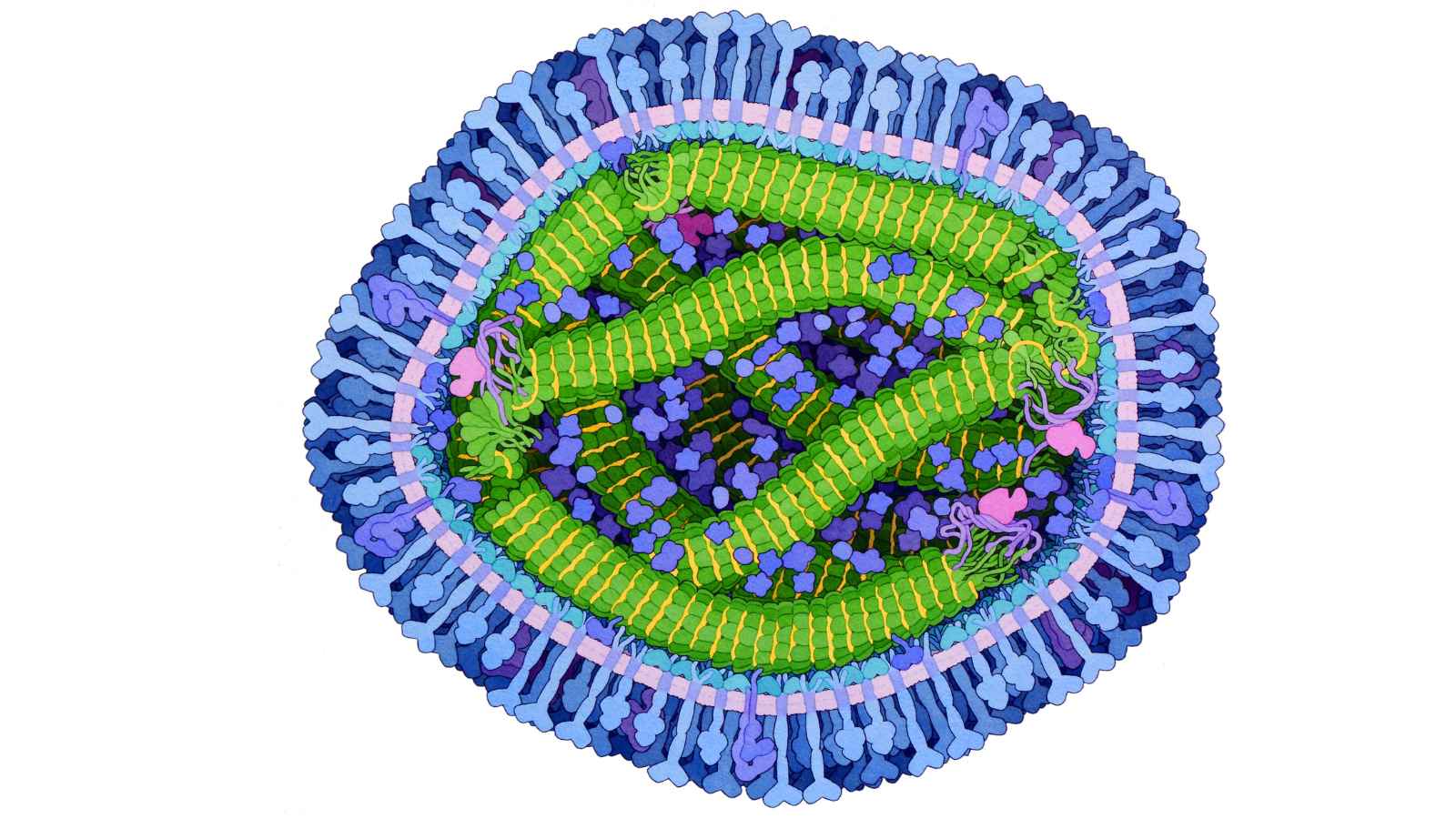
The U.S. declared measles eliminated in 2000. Before the vaccine, hundreds of thousands of people, mostly kids, got sick every year. Some developed serious complications. After the vaccine became widespread, cases dropped by nearly 100%. It was a huge public health win.
Today, we still see occasional outbreaks. These usually start when an unvaccinated traveler brings the virus back, and it spreads among pockets of unvaccinated people. It just goes to show that we can’t get too comfortable. High vaccination rates are what keep this highly contagious virus from roaring back.
Pneumococcal disease
This disease is caused by a common bacterium, Streptococcus pneumoniae. It can lead to serious infections like pneumonia, meningitis, and blood infections, especially in young children and older adults.
The development of pneumococcal conjugate vaccines (PCVs) has been a major breakthrough. Since they became part of routine childhood immunizations, there’s been a huge drop in severe pneumococcal disease in kids. Hospitals see far fewer cases of related meningitis and other complications.
Mumps
Mumps was that weird disease that made your cheeks swell up like a chipmunk. Hundreds of thousands of people get it every year. For most, it was just uncomfortable, but it could lead to serious issues like deafness or infertility in males.
The mumps vaccine, which is part of the MMR shot, was introduced in 1967. It cut the number of cases by over 99%. We still see some outbreaks, often on college campuses where people are in close contact, but it’s nothing like the widespread epidemics of the past.
Rotavirus
Before 2006, almost every child in the U.S. got sick with rotavirus by the time they were five. This super-contagious virus causes severe diarrhea and vomiting, which can lead to life-threatening dehydration in infants.
The rotavirus vaccine, which is given orally, quickly cut hospitalizations for the illness by up to 75%. It has saved tens of thousands of young children from miserable sickness and stressful emergency room visits. Seriously, what parent wouldn’t want to avoid that?
Rubella / Congenital rubella syndrome
Rubella, or German measles, was another common childhood illness. But the real danger was when pregnant women got infected, leading to congenital rubella syndrome (CRS) in their newborns. CRS causes severe birth defects. Widespread vaccination stopped the endemic spread of rubella in the U.S. by the early 2000s.
Because of the MMR vaccine, the risk of a baby being born with CRS is almost zero now. The Americas were actually the first region in the world to be declared free of rubella, which is a pretty cool achievement. It’s a powerful example of how protecting individuals through vaccines also protects the most vulnerable among us.
Influenza (Seasonal flu)
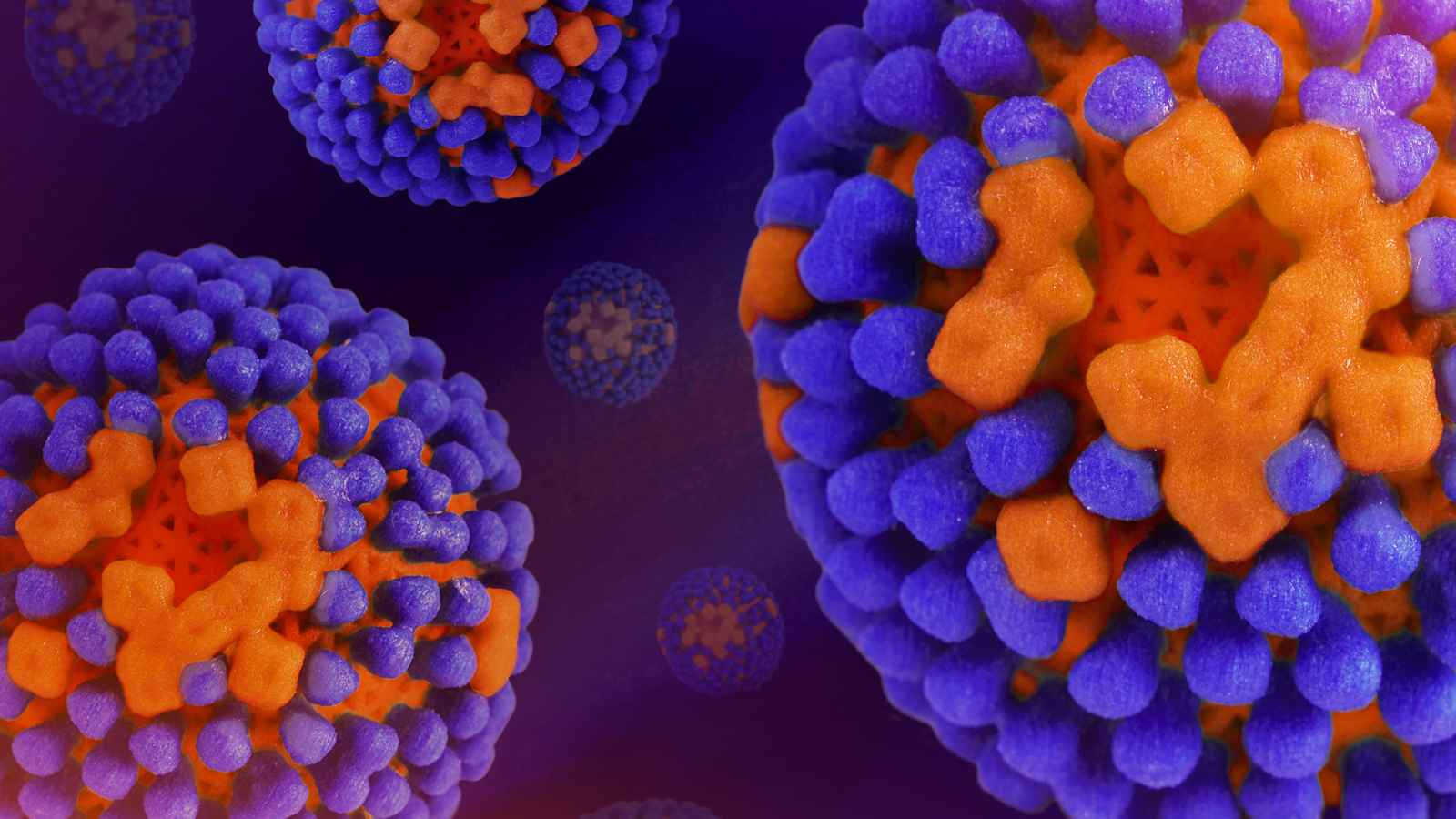
The flu is a tricky one because the virus changes every year. So, the vaccine doesn’t eradicate it, but it has a huge impact. Getting a flu shot every year significantly reduces your risk of getting sick.
One study found that in a single year, the flu vaccine prevented millions of illnesses. It also reduces hospitalizations and deaths, especially for young kids and the elderly. It’s not a perfect shield, but it’s still one of our best defenses against a virus that can pack a serious punch.
A healthier future
Looking back at this list, it’s clear that vaccines have been incredibly successful. They’ve turned diseases that once caused widespread fear and tragedy into distant memories. Keeping vaccination rates high is the key to making sure these diseases stay in the history books. It’s a group effort, and it’s one that has paid off in countless lives saved.
Disclaimer – This list is solely the author’s opinion based on research and publicly available information. It is not intended to be professional advice.
How total beginners are building wealth fast in 2025—no experience needed

How Total Beginners Are Building Wealth Fast in 2025
I used to think investing was something you did after you were already rich. Like, you needed $10,000 in a suit pocket and a guy named Chad at some fancy firm who knew how to “diversify your portfolio.” Meanwhile, I was just trying to figure out how to stretch $43 to payday.
But a lot has changed. And fast. In 2025, building wealth doesn’t require a finance degree—or even a lot of money. The tools are simpler. The entry points are lower. And believe it or not, total beginners are stacking wins just by starting small and staying consistent.
Click here, and let’s break down how.
12 kitchen hacks you may not know

12 Kitchen Hacks You May Not Know
Sometimes preparing meals and just dealing with food can feel like a bore and a chore – or just plain frustrating! We’ve got the best food hacks to pass down to you to get you in and out of the kitchen fast. Not more drudgery, and dare we say it, some of these hacks are kind of fun. Save money, too. Win-win!
Do you have a kitchen hack we should know about?





