

The dinner plate serves as a reflection of geography, economics, and history, often without our conscious awareness. In particular, the culinary landscape of the American South, rich in tradition, is marked by a sobering reality.
Notably, 11 out of the 12 states identified by the Centers for Disease Control and Prevention as part of the “Stroke Belt” are located in the South, highlighting alarmingly high rates of cardiovascular disease.
This statistic represents not only a concerning public health issue but also a multi-billion-dollar crisis that is deeply rooted in dietary habits. The narrative surrounding Southern cuisine is influenced significantly by the absence of certain foods, providing insight into agricultural practices, migration trends, and economic conditions.
This comprehensive guide is designed to improve consumer knowledge and awareness by highlighting the basic components of the American diet. It also identifies 15 foods that are uncommon in the Southern diet and explores the interesting factors that contribute to this trend.
Bagels

The chewy, dense morning icon of New York City, the bagel, remains a stranger to most of the South. Its profound deficiency is a reflection of past patterns of settlement, not a criticism of its taste. From the Polish-Jewish immigrant communities in the Northeast, the cultural tradition of the bagel originates with the tidal wave of Ashkenazi Jewish immigration through Ellis Island in the late 19th and early 20th centuries.
The immigrants introduced into this country the specialized techniques and high-gluten flour required by an authentic bagel. Meanwhile, the Southern diet was based on staples such as biscuits and cornbread, which were derived from the abundant local production of soft winter wheat and cornmeal.
The 2024 restaurant industry data report by Toast confirmed that the number of bagel stores per capita in states like Mississippi and Alabama is less than 10% of the number found in New York and New Jersey. This disparity is not a matter of consumer preference; rather, it is the result of differing agricultural practices and immigration histories.
Arugula

This peppery green, a staple of Mediterranean and new American cooking, repeatedly fails to catch hold on the Southern palate. Arugula, formerly more commonly referred to as “rocket,” became popular in the United States during the chef-led “foodie” movement of the 1990s, a trend rooted in cosmopolitan city markets.
Southern food, however, had long perfected its own greens: turnips, mustard, and collards. These dense, robust greens were able to withstand the heat of the region’s temperatures and humidity and were ideally adapted to the extended, slow cooking techniques used to render rich “potlikker.” Industrial production of arugula remains localized mainly in California and Arizona’s distinctive microclimates, according to the 2024 USDA agriculture reports.
Its relative lack of presence on Southern menus is a demonstration of highly entrenched agricultural traditions and an irreducible culinary heritage, one that didn’t require a trendy, delicate green when it already had a classic set of its own.
Tofu

While vegetarian food has become mainstream, tofu remains a relatively obscure ingredient in traditional Southern cuisine. Tofu’s American journey is part of East Asian immigration history, which has constructed cultural and culinary strongholds primarily along the West Coast and in Northeastern big cities.
A 2023 study conducted by the Pew Research Center on dietary habits indicates that while vegetarianism is experiencing growth, adoption rates remain notably low in the Southern and Midwestern regions of the United States.
In the Southern region of the United States, culinary traditions predominantly highlight essential protein sources such as pork, chicken, and Gulf seafood, which are reflective of the area’s enduring ties to the agricultural economy. The “meat-and-three” dining model exemplifies this tradition, where tofu, as a processed soy product, does not seamlessly integrate into established dining practices. Therefore, the introduction of vegetarian options represents a gradual cultural evolution rather than a mere substitution of dietary preferences.
Lamb

When discussing Southern cuisine, lamb often takes a backseat to other meats, particularly pork. While some rural and Appalachian communities do have traditions involving mutton or goat, young, tender lamb is generally not a staple in typical Southern dishes.
Historically, settlers did bring sheep to the South, but the region’s warm, humid climate proved much more conducive to raising hogs. Hogs could thrive in the expansive woodlands common in the South, leading to pork becoming the predominant protein source.
This dominance is evident in various forms of Southern cooking, from whole-hog barbecue to the frequently used salt pork, which is often utilized as a seasoning for vegetables. Consequently, there has been little economic or cultural opportunity for lamb to become a significant presence in Southern culinary traditions.
Artichokes

The artichoke, which is technically the flower bud of a thistle, is a specialty food that thrives in Mediterranean climates. Consequently, over 99% of the artichokes produced in the United States are grown in California, according to the California Department of Food and Agriculture.
This geographical concentration leads to the artichoke being relatively expensive and considered an exotic item in Southern markets, especially when compared to more common crops like okra, zucchini, or beans.
Additionally, the labor-intensive process of hand-harvesting artichokes contributes to their higher costs. In contrast, Southwestern cuisine often emphasizes a philosophy of utilitarianism, focusing on utilizing foods that are abundant and affordable. As a result, artichokes, due to their intricate preparation, elevated pricing, and specific transportation requirements, are generally not included in the region’s culinary repertoire.
Poke Bowls

Poke, a traditional Hawaiian dish made from raw marinated fish and typically served over rice, has gained significant popularity across various cities in the United States. However, its emergence in the Deep South came more recently.
The rapid rise of poke can be attributed to the growing trend of fast-casual dining, which appeals particularly to younger consumers and urban food enthusiasts. In contrast, Southern seafood cuisine has long featured a range of cooking methods, such as frying, grilling, blackening, and boiling.
These techniques were developed historically as practical solutions for food preservation before the advent of modern refrigeration. Despite the rising popularity of raw poke, the Southern culinary tradition continues to maintain a strong cultural preference for cooked seafood.
New England Clam Chowder

Attempting an order of a rich, creamy white clam chowder in the South is a test of regional culinary boundary defined manners. You’re more likely to find yourself served a tomato-laden Manhattan-style or a clear-broth Hatteras chowder. It is not a flaw; it’s part of a centuries-old cooking feud.
New England clam chowder serves as a significant cultural emblem of the Northeast, reflecting the region’s extensive history in dairy production. Food historians observe that, in contrast, Southern coastal cuisine has been predominantly influenced by Spanish, French, and Caribbean culinary traditions.
These influences emphasize a greater use of vegetables, such as tomatoes and peppers, as well as the incorporation of clear broths. The prominence of clam chowder in New England culture underscores its role in defining regional identity. At the same time, its absence in Southern cuisine further accentuates the distinct culinary identities of both regions.
Quinoa

This ancient Andean food, known as a “superfood” due to its rich nutrient content, is a daily staple at health-conscious kitchen tables throughout the United States. The Southern kitchen is a different story; acceptance of this Andean staple is limited by cultural resistance associated with the South’s storied history with starch.
The global market for quinoa is projected to reach a value of over $1.2 billion in 2024 and is expected to increase to $2.3 billion by 2031, driven in part by its growing popularity worldwide, whereas the South has predominantly relied on corn and rice as native starches.
Corn remains a massive crop on the farms in the United States, with 15.3 billion bushels of corn for grain harvested in 2023, a new record. This level of production is immediately fueling the consumption of staples such as grits and cornbread.
America’s “grits belt,” stretching from Lower Texas up to Washington, D.C., consumes three-fourths of all the grits sold in the nation. These deeply ingrained cultural patterns hinder quinoa’s adoption, as it is not only delicious but also an integral part of the Southern lifestyle.
Sea Urchin (Uni)

Sea urchin, also known as uni in Japan, is a luxury and expensive delicacy consumed for its distinctive taste and creamy, salty, custard-like texture. In America, it is primarily presented in upscale sushi restaurants in large urban centers such as Los Angeles, New York City, and Miami.
Because a perishable seafood commodity brought “on the cold chain,” its transportation cost, shipping live uni from Maine or California coast fisheries, is economically and logistically unfeasible for most inland Southern restaurants.
The southern seafood culture is heavily influenced by its reverence for shrimp, oysters, crawfish, and snapper, which are abundant in the resources from either the Gulf of Mexico or the Atlantic coast. Uni is not only an alien species; it is a gourmand that transports you to the country/social pleasures of a shrimp boil or fish fry.
Save this article
Kimchi
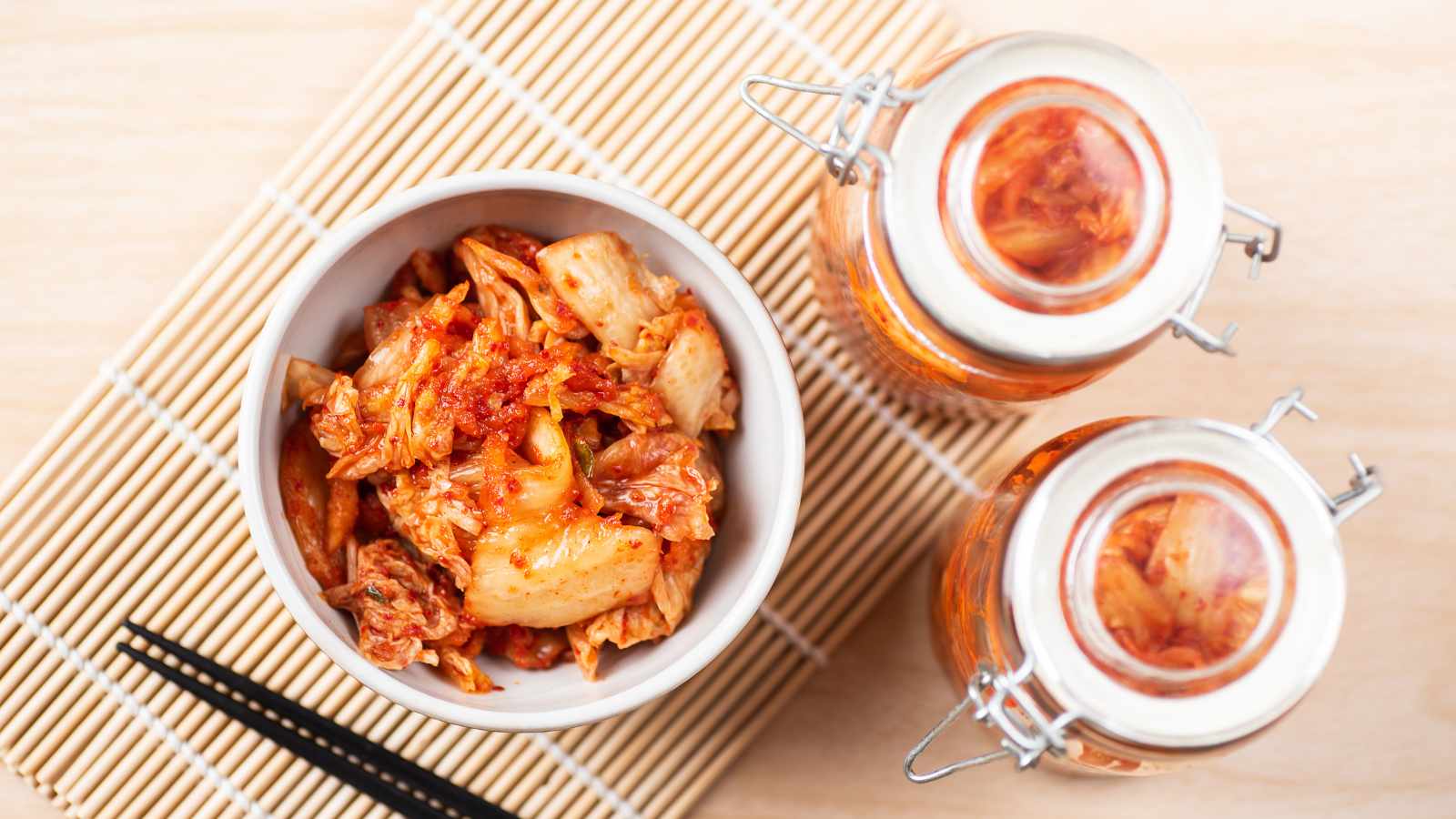
The spicy, funky fermented cabbage is the undisputed champion of Korean cuisine; yet, to many in the South, it remains a culinary mystery. The proliferation of kimchi in America has a positive correlation with the history of Korean immigration, which previously occurred in larger urban centers, such as Los Angeles and New York.
Cities like Atlanta and Dallas now have significant Korean populations, and many residents of rural South Carolina can glimpse bits of that food culture, but that is not to say they have a complete understanding of it. Moreover, the way kimchi is preserved is fundamentally different from the Southern palate.
Southern pickling utilizes a brine of vinegar and salt to flavor and maintain a wide variety of vegetables, including okra and cucumbers. Kimchi, on the other hand, is a method of lacto-fermentation that results in complex flavors and probiotics, which are entirely natural for the South in preserving food.
Deep-Dish Pizza

Pizza is a dish loved everywhere, but its forms are deeply rooted in regional traditions. The giant, knife-and-fork deep-dish pizza originated in Chicago, and its culinary citizenship has rarely been confirmed elsewhere.
Southerners, like most Americans outside the Windy City, overwhelmingly prefer a thinner, foldable crust that is readily eaten with one’s hands. National pizza chain statistics on websites such as Slice consistently indicate that “deep-dish” is among the least ordered and lowest-rated formats in all Southern states.
This is both a functional and a cultural preference. Southern social events often prefer easily shared, communal foods, which a typical sliced pizza most optimally provides, rather than a heavy, molten casserole that requires a plate and fork.
Beef on Weck

Ask for a beef on weck sandwich somewhere south of Kentucky, and you’ll get a smile but be confused, “a beef on what?” This local masterpiece, featuring thinly sliced roast beef piled high on a special kummelweck roll, is topped with caraway seeds and coarse salt, and is Buffalo’s culinary jewel.
It is little known anywhere else outside its home turf. Its obscurity is a rich lesson in food terroir; the sandwich’s identity is irretrievably bound up with the kummelweck roll, a specific baked good not produced commercially on a national scale.
The hall of fame of Southern sandwiches is already filled with its own legends, including the New Orleans po’ boy and the Carolina pulled pork sandwich, each created by its own regional heritage and with little room for this Northern treat.
Gruyère Cheese

The South loves cheese, not the nutty, complex Alpine-style cheeses like Funky Gruyère. Instead, they are enamored with pimento, sharp cheddar, and hoop cheese. Gruyère has long been a standard ingredient in Old World European cooking, typically found in fondue and French onion soup, neither of which was part of the traditional Southern menu.
The 2024 Dairy Farmers of America report confirmed that specialty cheeses are on the rise, and classic profiles, such as cheddar and mozzarella, remain at the top of the sales volume heap, especially in the South.
Gruyère, like many of the Comté and other European cheeses, is typically protected by the European Appellation d’Origine Protégée (AOP) law that regulates its production and raises the price point. Gruyère in the South has traditionally been viewed as an imported, high-priced luxury, while pimento cheese has been seen as a populist, often homemade, yet commercial icon.
Couscous

Couscous, a staple in Berber and North African cuisine, is traditionally utilized as an alternative to rice or quinoa. However, in the Southern United States, it faces significant competition from two dominant carbohydrate choices: grits and rice.
Rice has a long-standing history in South Carolina’s Lowcountry and the bayous of Louisiana, serving as a fundamental ingredient in traditional dishes such as gumbo, jambalaya, and red beans and rice. Grits, produced from ground hominy corn, are central to Southern breakfast fare.
In contrast, couscous is a grain with a distinct agricultural and culinary heritage, providing a light and airy texture that fulfills a divergent gastronomic role when compared to the rich, comforting nature of grits or the absorptive qualities characteristic of long-grain rice.
Kale Salads

Yes, let’s be honest: kale is eaten in the South. However, traditionally, it has been treated much the same as collards, slow-cooked with a smoked ham hock until it is tender and lush. The modern concept of massaging raw kale with lemon and olive oil is a recent wellness trend that originated on the coasts.
Before its meteoric rise in the 2010s, presenting raw, tough kale on the plate would have been culinary malpractice in a region where it took a village of generations to master the art of transforming challenging greens into something divine.
An article published in The Atlantic in 2023 examined how the raw kale salad had become a powerful cultural indicator of a particular, urban, wellness-inspired lifestyle. The symbolism tended to place it in diametric opposition to fundamental Southern food values, which have historically emphasized intense flavor and comfort cultivated over time and through slow cooking.
Key Takeaways

What we consume, and importantly what we do not, creates a rich picture of who we are. That these 15 foods do not appear on the Southern table is not a deficiency or lack of elegance; rather, it is the decisive sign of a cuisine influenced by a unique history, a severe climate, and a specific agricultural economy.
This realization makes your diet a legacy built upon the crops that your ancestors were able to grow, the food preservation methods they used, and the cultural rituals that they honored. The best thing you can do is become a culinary anthropologist to yourself.
Explore the origins of your area’s staples, ask why some ingredients fill your local supermarket’s shelf space, and actively look for a food that will feel unfamiliar, not only in its taste, but also for the rich history it inevitably brings.
Becoming a wiser, more intelligent eater starts by learning to observe the unseen powers that have already laid your table.
Disclaimer: This list is solely the author’s opinion based on research and publicly available information. It is not intended to be professional advice.
16 Grocery Staples to Stock Up On Before Prices Spike Again
16 Grocery Staples to Stock Up On Before Prices Spike Again
I was in the grocery store the other day, and it hit me—I’m buying the exact same things I always do, but my bill just keeps getting higher. Like, I swear I just blinked, and suddenly eggs are a luxury item. What’s going on?
Inflation, supply-chain delays, and erratic weather conditions have modestly (or, let’s face it, dramatically) pushed the prices of staples ever higher. The USDA reports that food prices climbed an additional 2.9% year over year in May 2025—and that’s after the inflation storm of 2022–2023.
So, if you’ve got room in a pantry, freezer, or even a couple of extra shelves, now might be a good moment to stock up on these staple groceries—before the prices rise later.
6 Gas Station Chains With Food So Good It’s Worth Driving Out Of Your Way For
6 Gas Station Chains With Food So Good It’s Worth Driving Out Of Your Way For
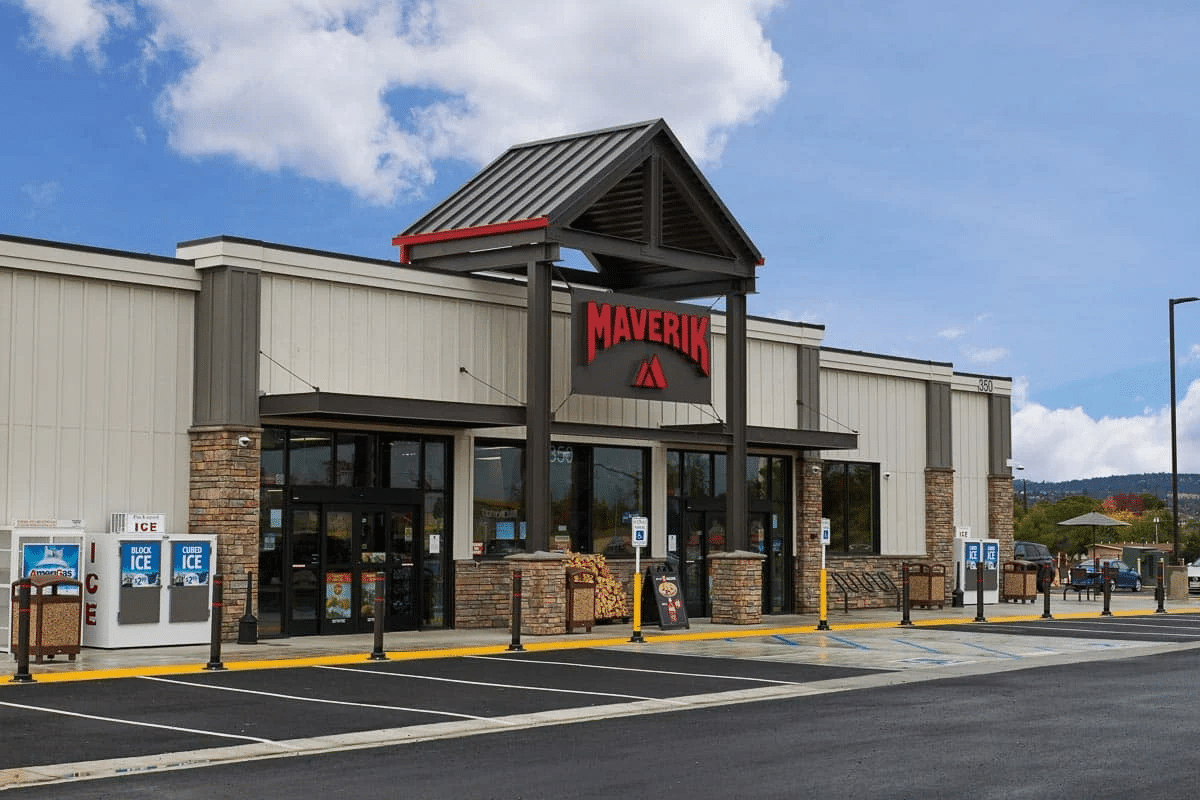
We scoured the Internet to see what people had to say about gas station food. If you think the only things available are wrinkled hot dogs of indeterminate age and day-glow slushies, we’ve got great, tasty news for you. Whether it ends up being part of a regular routine or your only resource on a long car trip, we have the food info you need.
Let’s look at 6 gas stations that folks can’t get enough of and see what they have for you to eat.





