The foods that once fueled us with ease can, over time, quietly turn into obstacles to our health.
Getting older is a trip, isn’t it? One day, you’re invincible, and the next, you’re making a weird noise every time you stand up. As we age, our bodies change, and so should our diets. Some foods that were once fine can suddenly become a problem.
A 2023 study found that 90.5% of seniors exceeded the recommended limit for sugar intake, while 68.5% of men and 57.1% of women exceeded the limit for saturated fat. Let’s be real, nobody wants to give up their favorite snacks. But knowing which foods can cause issues is the first step to feeling your best.
So, I’ve put together a list of foods that seniors might want to limit or avoid.
Processed meats (Bacon, sausages, deli meats)
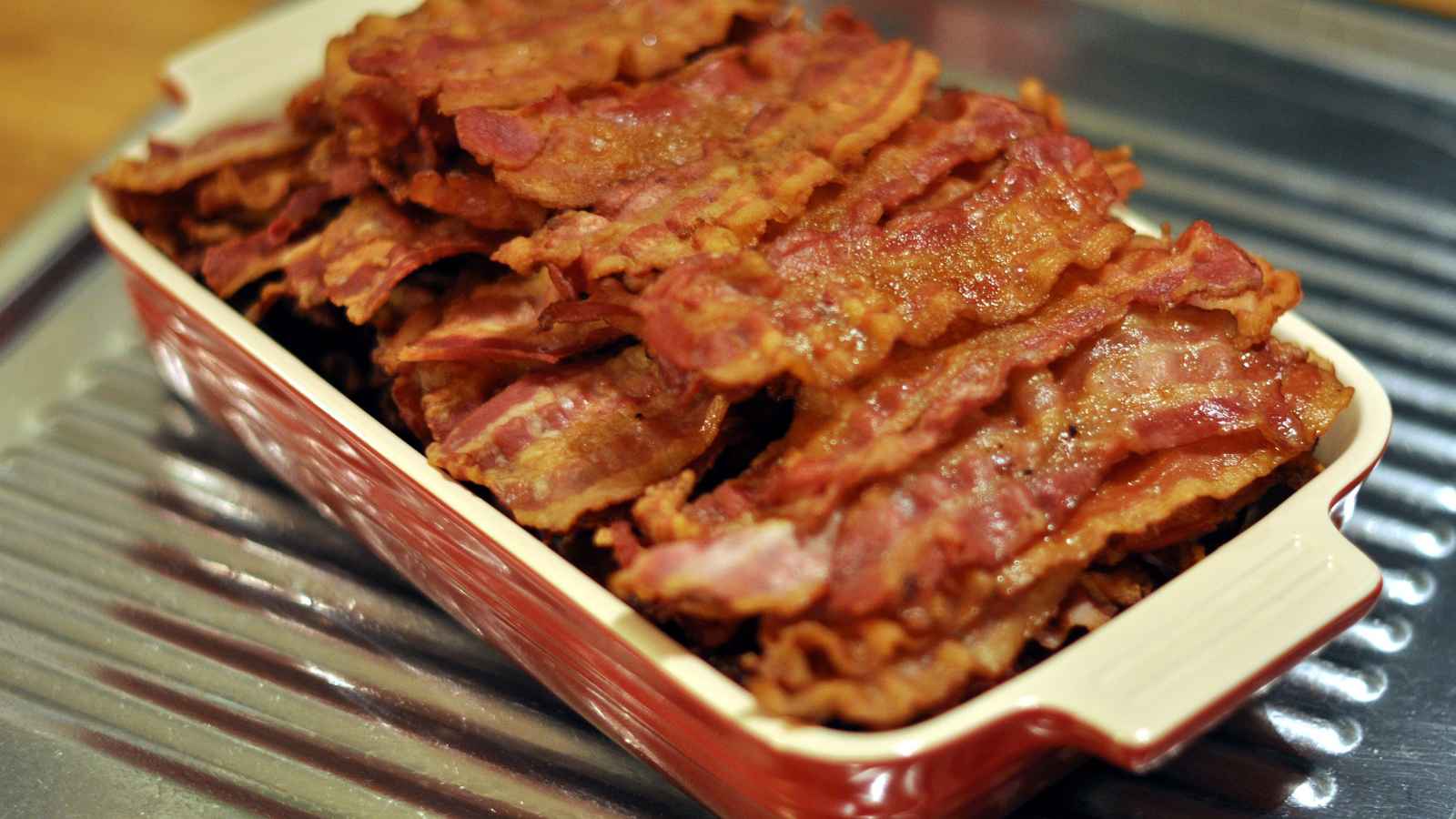
I know, I know. Bacon is delicious. But processed meats like bacon, sausages, and deli meats are not your friend as you get older. They are packed with sodium, nitrates, and saturated fats. These ingredients can increase your risk for heart disease and high blood pressure, which are already big concerns for seniors.
Research has shown a clear link between eating processed meats and a higher risk of heart problems and certain cancers. One study found that older adults who ate a lot of processed foods had a 10% higher risk of early death. The nitrates used to preserve these meats can also turn into harmful compounds in your body. It might be time to find a new breakfast favorite.
Fried foods (Fried chicken, fries, donuts)
Who can resist the crispy goodness of fried chicken or a fresh donut? Fried foods taste amazing, but they are loaded with unhealthy trans fats. These fats can raise your bad cholesterol levels, leading to plaque buildup in your arteries. This is a serious issue for seniors whose cardiovascular systems are already more fragile.
Regularly eating fried foods is also tied to a higher risk of obesity, heart failure, and type 2 diabetes. Even if you only indulge once in a while, it can put a strain on your metabolism and cause inflammation. Experts warn that a diet high in fried foods is linked to a greater risk of dying from heart disease. Maybe baked or grilled options are worth a try?
Sugary drinks (Soda, sweetened juices, energy drinks)
A cold soda on a hot day feels great, but sugary drinks are trouble for older adults. These beverages cause your blood sugar to spike, which can lead to weight gain and a higher risk of type 2 diabetes. For seniors who are already managing chronic conditions, these rapid blood sugar changes can be dangerous.
Sugary drinks are basically “empty calories.” They offer a lot of sugar without any real nutrients. This can lead to unhealthy weight gain and increase your risk for other diseases. Health authorities around the world recommend cutting back on these drinks to prevent chronic illness. Swapping them out for water or unsweetened tea can make a big difference.
High-sodium foods (Canned soups, instant noodles, frozen dinners)
Convenience is great, but many easy meals are packed with sodium. Canned soups, instant noodles, and frozen dinners are common culprits. Too much sodium can cause fluid retention, raise your blood pressure, and put a strain on your kidneys. These are all serious concerns for seniors.
Studies show that high sodium intake is responsible for around 3 million deaths each year, mostly from heart disease and stroke. Eating these foods regularly can easily push you over the recommended daily sodium limit. Opting for low-sodium versions or fresh foods can help keep your blood pressure stable and reduce your risk of major health problems.
Refined carbohydrates (White bread, pastries, white rice)
White bread and pastries might be comfort foods, but they lack the fiber and nutrients found in whole grains. For seniors, a diet high in refined carbs can lead to quick blood sugar spikes and digestive issues like constipation. It seems like a lot of trouble for a simple piece of toast, doesn’t it?
Diets low in whole grains have been linked to a higher risk of heart disease. These foods are digested quickly, which can lead to overeating and unstable blood sugar levels. They also lack important nutrients that support nerve and muscle function. Making the switch to whole-grain bread, rice, and pasta is a simple way to improve your overall health.
Excessive caffeine (Strong coffee, energy drinks)
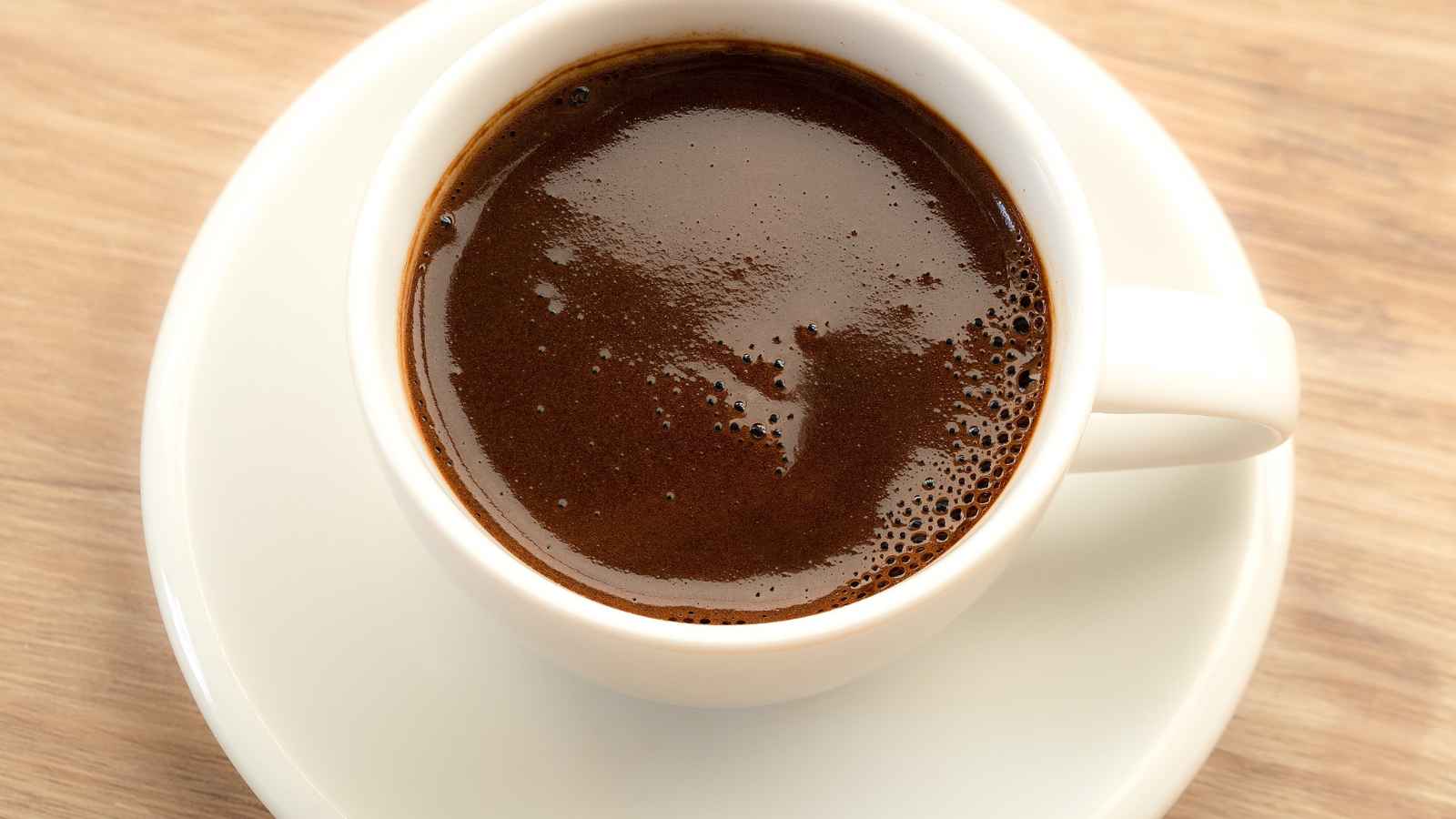
A morning cup of coffee is a ritual for many of us. But too much caffeine can cause problems for seniors. Our bodies metabolize caffeine more slowly as we age, making us more prone to jitteriness, anxiety, and sleep problems. If you’re already struggling with insomnia, extra caffeine is the last thing you need.
Caffeine can also contribute to dehydration and may interfere with calcium absorption, which is a concern for bone health. Plus, it can interact with common medications, leading to unwanted side effects. It’s a good idea for older adults to moderate their caffeine intake to protect their sleep and heart health.
Alcohol (Beer, wine, spirits in excess)
A glass of wine with dinner can be enjoyable, but excessive alcohol is particularly risky for seniors. Alcohol can interfere with many medications, causing harmful interactions. Since balance can decline with age, drinking also increases the risk of falls and serious injuries. In my opinion, that’s a risk not worth taking.
Chronic heavy drinking can lead to liver damage and cognitive decline. Even moderate drinking can disrupt sleep and cause dehydration. The National Institute on Aging warns that excessive drinking among older adults raises risks for both physical and mental health issues. It’s best to limit alcohol and talk to a doctor about what’s safe for you.
High-sugar desserts (Cakes, cookies, candies, ice cream)
Desserts are a sweet way to end a meal, but cakes, cookies, and candies are full of sugar and offer little nutrition. For seniors, high sugar intake can lead to weight gain, diabetes complications, and tooth decay. Rapid blood sugar swings from these treats can also complicate medication management.
Save this article
Studies suggest that diets high in added sugars are linked to heart disease and may even speed up cognitive decline. Cutting back on sugary desserts can help you manage your weight and reduce dental problems. You can still enjoy something sweet, but maybe try fruit or a lightly sweetened alternative instead.
Processed snack foods (Chips, crackers, pretzels)
It’s so easy to grab a bag of chips when you’re feeling snacky. But processed snacks like chips, crackers, and pretzels are usually high in sodium and unhealthy fats. They offer very little fiber, which isn’t great for your heart or your digestion.
Eating these snacks often can push you over your daily sodium and trans fat limits, increasing your risk for high blood pressure. Research has connected ultra-processed foods to a shorter lifespan, highlighting how these snacks contribute to chronic illness in older adults. Choosing healthier snacks is a much better move for your long-term wellness.
Full-fat dairy (Cream, butter, some cheeses)
Full-fat dairy products like cream, butter, and rich cheeses are high in saturated fat. Eating too much can raise your cholesterol and increase your risk of heart disease. As we get older, our metabolism slows down, making the effects of saturated fat even more pronounced.
Overindulging in these products can also lead to weight gain and inflammation. Health experts suggest choosing low-fat or reduced-fat dairy options to get the benefits of protein and calcium without the extra fat. It’s all about finding a balance that supports your bone health without hurting your heart.
Raw or undercooked foods (Sushi, runny eggs, rare meat)

Sushi and a perfectly runny egg are delicious, but they carry a risk of foodborne illness. Seniors have weaker immune systems, making them more vulnerable to bacteria like Salmonella and Listeria. An infection that might be mild for a younger person can be very serious for an older adult.
The CDC points out that seniors are much more likely to be hospitalized for food poisoning. Recovery can be slow and difficult. The simplest way to avoid this risk is to make sure your food is thoroughly cooked. It’s a small change that can protect you from a lot of potential trouble.
High-potassium foods in excess (For those with kidney disease)
Bananas, oranges, and potatoes are healthy for most people, but they can be dangerous for seniors with kidney disease. Healthy kidneys filter out excess potassium from the blood. When kidney function is impaired, potassium levels can build up to dangerous levels, potentially causing an irregular heartbeat or even cardiac arrest.
The National Kidney Foundation advises that seniors with kidney problems need to watch their potassium intake very carefully. If you have kidney issues, it’s a good idea to work with a doctor or nutritionist to create a diet plan that is safe for you. This is one of those times where a “healthy” food can be anything but.
Artificially sweetened foods (Diet sodas, sugar-free candies)
Switching to “sugar-free” options seems like a smart move, but artificial sweeteners aren’t always better. Some can cause digestive issues like bloating and diarrhea, which are no fun at any age. Plus, these sweeteners might mess with your gut bacteria and how your body processes glucose.
These foods also lack any real nutritional value and can keep you craving sweet things. Why not try to satisfy your sweet tooth with something natural instead? Health experts recommend using naturally sweet foods in moderation. It’s a healthier approach that can help you break the cycle of sweet cravings.
Spicy foods (Hot peppers, heavily spiced dishes)
I love a bit of spice, but as we get older, our digestive systems can become more sensitive. Spicy foods can trigger or worsen acid reflux, heartburn, and ulcers. The lining of our digestive tract can become less robust with age, making it less tolerant of aggressive flavors.
Even a moderate amount of spice might cause discomfort for some seniors. It’s a good idea to pay attention to how your body reacts and adjust your spice levels accordingly. Sometimes, a gently seasoned meal can be just as satisfying without the digestive drama.
Large portions of red meat (Steaks, burgers)
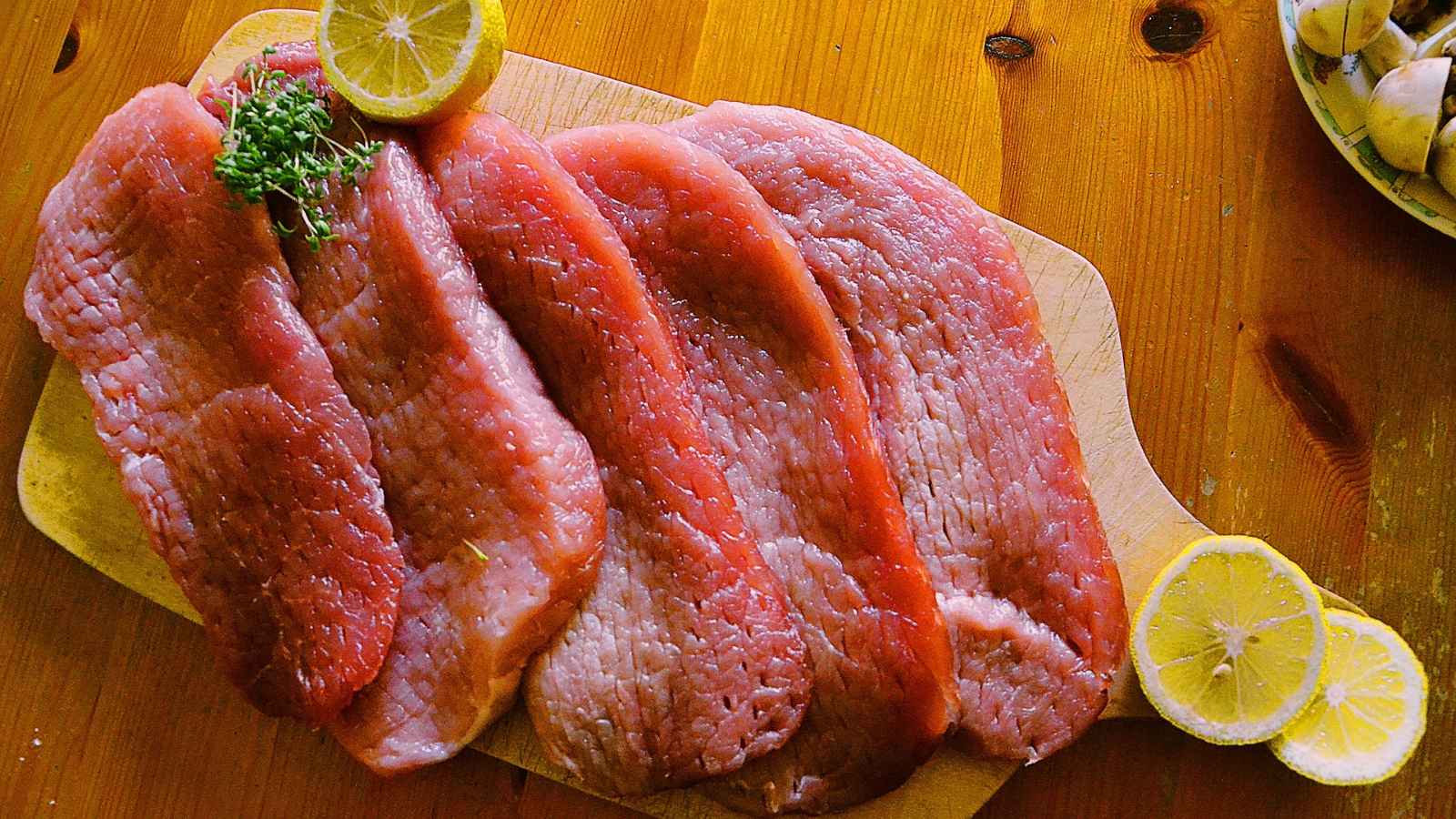
A big, juicy steak might be a classic dinner, but large portions of red meat are tough on an aging digestive system. Red meat is also high in saturated fat. Studies have consistently shown that older adults who eat a lot of red meat have a higher risk of heart disease and colon cancer.
A diet heavy in red meat can also lead to constipation and put extra strain on your kidneys. Medical research suggests limiting red meat to smaller, less frequent servings. Leaning into leaner proteins like chicken or fish is a better choice for your long-term health.
Disclaimer – This list is solely the author’s opinion based on research and publicly available information. It is not intended to be professional advice.