

Remember that black-and-white TV image of the husband who comes home, briefcase in hand, to a perfectly kept house and a wife in pearls? Yeah, that’s not just old-fashioned—it was never really the whole story.
Let’s get one thing straight. That “traditional” 1950s family we see in reruns wasn’t some timeless institution. It was a brief, post-war anomaly that peaked for just a few decades. Historian Stephanie Coontz calls it an “ahistorical amalgam… that never coexisted in the same time and place.” It was even a tool of Cold War propaganda, with leaders like Vice President Nixon using the male-breadwinner family as a symbol of American superiority.
Fast forward to today, and the ground has completely shifted. The old rulebook is out.
Modern men aren’t just shirking duties; they’re rejecting an outdated job description for a role they never signed up for. They’re trading in the silent, stoic provider for a new ideal: an engaged, emotionally present partner in a team of equals.
The numbers don’t lie. In 1972, husbands were the sole or primary breadwinners in a staggering 85% of marriages. By 2022, that number had plummeted to 55% according to new research by the Pew Research Center. And “egalitarian” marriages, where both partners earn about the same? They’ve nearly tripled in that same time.
This isn’t just a minor tweak. It’s a complete overhaul of what it means to be a husband. Here are 15 of the old “duties” that modern men are leaving behind.
Being the sole breadwinner

The expectation for one person to carry the entire financial load for a family is officially a relic of the past. In an economy where a high percentage of married couples reside in dual-earner households, the sole-provider model isn’t only outdated but also a recipe for burnout.
The numbers are dramatic. The share of marriages where the husband is the sole breadwinner has plummeted, declining from 49% in 1972 to just 23% today. Meanwhile, nearly a third of marriages are now “egalitarian,” where both spouses contribute similarly to the household income.
This isn’t just about economics; it’s about well-being. Research by the National Institutes of Health shows that as men take on more of the financial burden alone, their mental and physical health actually declines. Relationship expert Esther Perel points out that this creates an identity crisis for men who were raised on the old model, leaving them feeling like a “loser” if their wife becomes the primary earner.
Wielding absolute control over the family finances

The days of the “head of the household” having the final, unquestioned say on every dollar are over. Historically, under legal doctrines like coverture, a husband controlled all family assets, including any wages his wife earned. Men were taught they were “absolute monarchs in their families”.
Today, that’s a dealbreaker. Modern marriage runs on transparency and teamwork, not a dictatorship. Gallup data show that paying bills is one household task on which men and women are almost equally likely to share responsibility, and decisions about savings are shared equally in half of all homes.
Refusing to share financial control is a major red flag. A landmark study found that financial disagreements are the single most significant predictor of divorce. In fact, a Bankrate survey revealed that 40% of people in committed relationships have kept a financial secret, a behavior many now consider a form of infidelity.
Always being the one to pay for everything

The awkward dance over the dinner check is a perfect snapshot of our changing roles. While the old script suggests the man always pays, the new reality is far more complicated—and frankly, a little confusing for everyone.
One fascinating study presented by Chapman University Digital Commons shows that while 84% of men report paying for most dates, nearly half (44%) said they’d stop seeing a woman who never offers to pay.
However, here is the catch: the same study revealed men are deeply conflicted. A whopping 76% of respondents feel guilty about accepting money from women, despite 64% believing women should contribute. Women are just as torn, with many wishing men would reject their offer to pay, while also being bothered if a man won’t let them chip in.
This isn’t just about money; it’s a clumsy negotiation between traditional chivalry and modern partnership.
Performing “weaponized incompetence” with chores

You know the drill: the guy who “can’t possibly” figure out the new washing machine or who “always” shrinks the sweaters. That act is wearing thin. The idea that domestic work is inherently “women’s work” is being called out for what it is: a way to dodge a fair share of the labor.
The imbalance is still very real. Data from the Gender Equity Policy Institute shows women spend, on average, 12.6 hours a week on housework, compared to just 5.7 hours for men. Even when both partners work full-time, women are still doing what sociologists call a “second shift” at home.
This isn’t just about a clean house; it’s about time. A Pew Research study found that even in marriages where earnings are equal, husbands enjoy about 3.5 more hours of leisure time per week than their wives.
Modern men are realizing that feigning incompetence isn’t a cute quirk; it’s a passive-aggressive way of saying their time is more valuable than their partner’s.
Being a hands-off or “babysitting” parent

Let’s be clear: a father can’t “babysit” his own children. That term implies he’s a temporary stand-in for the “real” parent. Modern fatherhood rejects this passive role in favor of active, engaged parenting.
And men are stepping up. Fathers now spend an average of 7.8 hours per week on childcare, a significant increase from just 2.5 hours in 1965. The number of stay-at-home dads has also climbed, now accounting for 18% of all stay-at-home parents, up from 11% in 1989, according to the Pew Research Center.
But there’s a troubling divide. This surge in involvement is driven almost entirely by college-educated dads. For fathers without a college degree, time spent on childcare has actually decreased slightly since 2003.
This suggests the new ideal of the engaged dad is taking hold, but not equally across all segments of society.
Acting as the feared, distant disciplinarian

The old threat, “Wait ’til your father gets home!” is losing its power. The image of the dad as the family’s intimidating enforcer is being replaced by a more hands-on, emotionally attuned approach.
The old stereotype might have been wrong all along. ResearchGate’s observational study of 242 families found that mothers actually disciplined their children more often than fathers did.
The very definition of the role is changing. Modern dads are reframing “discipline” away from punishment and toward teaching. As one fatherhood consultant advises, the goal is to make every interaction a “teachable moment”. This reflects a broader shift in masculinity, moving away from aggression and toward a more caring, emotionally present version of fatherhood.
Being the default handyman for every broken thing

While men still tend to handle the car and the yard work, the assumption that every guy is born with a toolbox in his hand is fading fast.
Based on multiple studies and surveys, most Americans, especially younger generations, are unable to perform basic home repairs without consulting online resources. And it’s a generational thing. Nearly half of young adults aged 18-24 said they couldn’t do any of the simple tasks on the list without help.
This isn’t necessarily about a loss of skill. It’s about a shift away from specialized, gendered knowledge. In a world where you can find a YouTube tutorial for anything in seconds, the pressure to be a jack-of-all-trades is less important than being a collaborative problem-solver who knows how to find the correct information.
Suppressing all emotions except for anger

The “strong, silent type” is officially on notice. For generations, men were taught that the only acceptable emotions to show were anger, while feelings like sadness or fear were seen as signs of weakness. This toxic script led to men who were emotionally cut off from their partners and themselves.
Modern masculinity is pushing back, encouraging men to embrace vulnerability and emotional intelligence as strengths, which is a tricky transition.
Researcher and author Brené Brown uncovered a painful paradox: women often say they want men to be vulnerable, but can recoil when it actually happens. She writes, “We ask them to be vulnerable… but the truth is that most women can’t stomach it”. This sends a confusing message, teaching men that it’s safer to just “pretend” to be open. It’s a cultural growing pain that couples are navigating in real time.
Making all the major life decisions alone

Save this article
The patriarchal model where the husband’s word is law is a thing of the past. In the 19th century, a husband’s authority was absolute. Today, that kind of unilateral power is a fast track to divorce.
The power dynamic has flipped. A Pew Research survey found that in 43% of couples, the woman actually makes more of the day-to-day decisions than the man. The man has the final say in only 26% of couples.
This isn’t about one person winning; it’s about the team succeeding as a whole. ResearchGate research indicates that couples who adopt a more egalitarian, shared approach to decision-making tend to report higher levels of marital satisfaction. Modern men understand that a partnership isn’t a hierarchy.
Refusing to be influenced by their partner

This might be the single most important “duty” that modern men are rejecting, and for good reason: it’s a marriage killer.
World-renowned relationship researcher Dr. John Gottman’s work is crystal clear on this. After studying couples for decades, he found that “men who allow their wives to influence them have happier marriages and are less likely to divorce”.
The statistic is shocking. Gottman’s data shows there is an 81% chance a marriage will fail when the husband consistently refuses to share power and accept his wife’s influence. He explains that this isn’t about being a pushover; it’s about showing respect. An emotionally intelligent husband listens to his partner’s perspective because he honors her, choosing “we” over “me”.
Sacrificing their friendships and personal space

The idea that a healthy marriage requires you to merge into a single being, shedding all individual interests and hobbies, is outdated. Modern couples understand that a bit of space can actually bring you closer.
The “man cave” isn’t just a punchline; it’s a stress-reduction tool. A study from the University of Southern California found that men’s cortisol (the stress hormone) levels were lower when they had time for solo leisure at home.
This desire for autonomy is so strong that it’s fueling a new trend: “Living Apart Together” (LAT), where committed couples choose to maintain separate homes indefinitely. As relationship coach Suzannah Weiss explains, time apart can keep the passion from fading, ensuring your partner doesn’t start to feel more like a roommate.
Believing it’s their job to initiate all intimacy

The old stereotype of the high-desire man constantly pursuing a passive, gatekeeping woman is not only outdated but also harmful. It puts immense pressure on men and robs women of their own sexual agency.
Psychotherapist Esther Perel notes that men are under constant pressure to be “untiring, masterful and dominant” in the bedroom, which can lead to crippling performance anxiety.
In fact, research by the National Institute of Health shows that holding rigid, traditional beliefs about male sexuality is a predictor of lower sexual desire in men.
The pressure to always be “on” can, ironically, turn a man off completely. Modern couples are moving toward a more collaborative model, where desire and initiation are shared responsibilities, not gendered duties.
Assuming their wife will automatically take their last name

While still the most common choice, a woman taking her husband’s last name is no longer a given. This tradition is rooted in a history where women were legally considered property being transferred from a father to a husband.
Today, it’s a conversation, not an assumption. While a 2025 YouGov poll found 64% of men would prefer their spouse to take their name, only 55% of women said they’d like to do so. And 17% of women would rather keep their own name.
But there’s a social cost for breaking tradition. One study found that women who keep their own last name are often perceived as being less committed to their marriage. A modern man understands this is a complex personal and professional decision for his partner, not a simple test of her devotion.
Always having to be the one driving the car

Who’s in the driver’s seat is a powerful, everyday symbol of who’s in control. And overwhelmingly, it’s the man.
A survey by Sociologist Pepper Schwartz found that when a couple drives together, the man is four times more likely to be the one driving. This even holds in self-described “feminist” households, where sociologist Pepper Schwartz found men did the driving in 9 out of 10 couples.
As columnist Amanda Marcotte notes, our culture often views a man letting a woman take control as “emasculating”. A man who is comfortable in the passenger seat is signaling that he’s secure in a partnership of equals, rejecting the subtle, subconscious need always to be the one steering the ship.
“Protecting” through control rather than emotional support

The ancient masculine role of “protector” is getting a 21st-century upgrade. The old model was about physical and financial protection, which often translated into control and “benevolent sexism”—the idea that “real men” must shield “good women” from the world.
The new definition is about emotional safety. As dating coach Katy Clark puts it, “What women actually crave is partnership, emotional safety, and a man who shows up with strength of character, not just financial provision”.
This is the ultimate shift. It’s not about shielding a partner from the world; it’s about creating a safe space within the relationship where both people can be vulnerable and thrive. Proper masculine protection today isn’t about control; as one expert says, it’s about “presence… the energy that says: ‘I’ll stand with you. Not in front of you'”.
Key Takeaway

The “traditional” husband is a myth rooted in a brief, specific period in history. Today’s marriage is a different game with a new set of rules being written by couples themselves. The shift is from a rigid hierarchy to an equal partnership. Modern men are rejecting the role of the stoic, sole provider and embracing a new ideal: an engaged, emotionally intelligent, and collaborative teammate. This evolution, while sometimes messy, is ultimately building stronger, more resilient, and more satisfying relationships for everyone.
Disclaimer–This list is solely the author’s opinion based on research and publicly available information. It is not intended to be professional advice.
16 Grocery Staples to Stock Up On Before Prices Spike Again
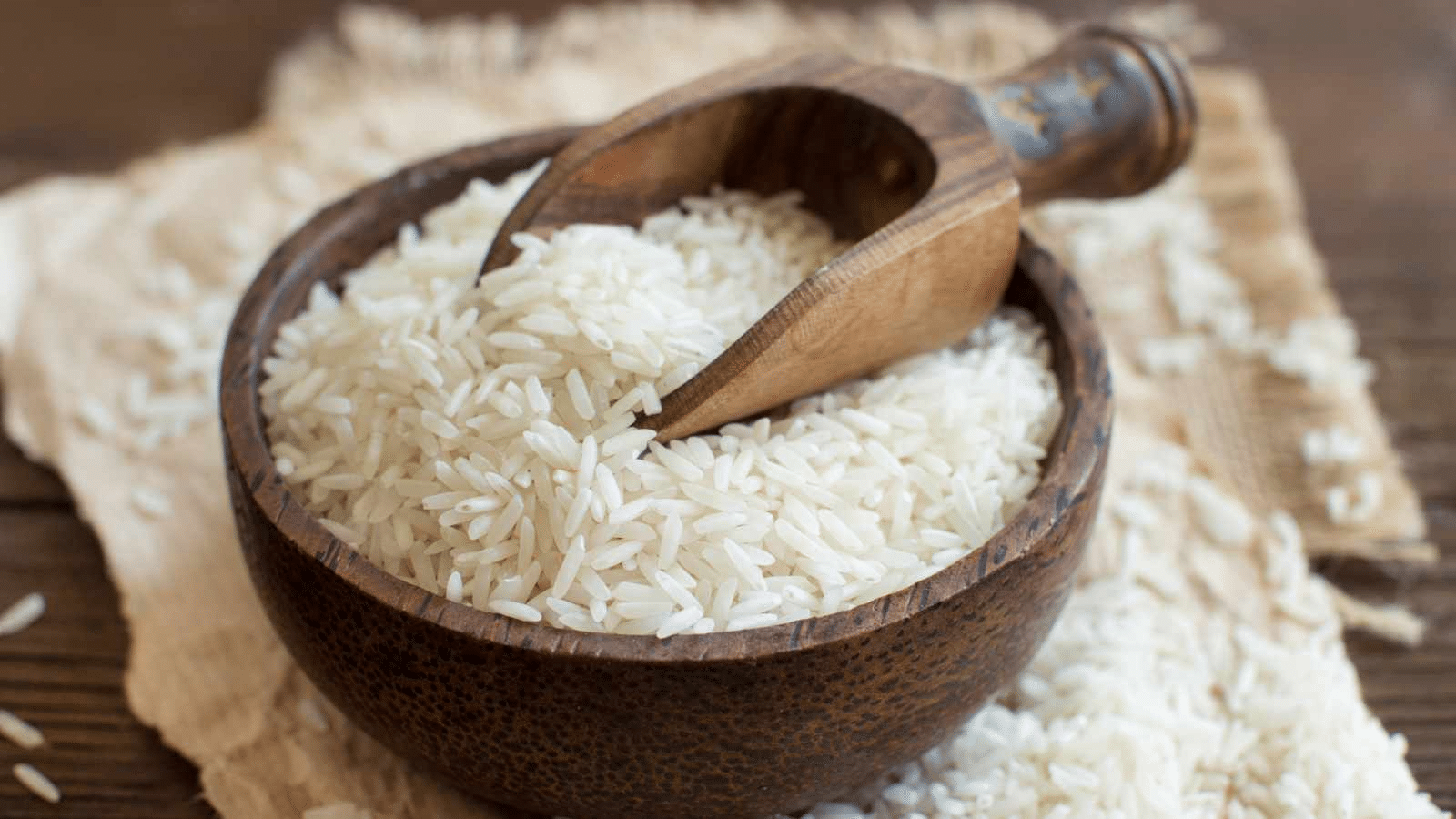
16 Grocery Staples to Stock Up On Before Prices Spike Again
I was in the grocery store the other day, and it hit me—I’m buying the same things I always do, but my bill keeps getting higher. Like, I swear I just blinked, and suddenly eggs are a luxury item. What’s going on?
Inflation, supply-chain delays, and erratic weather conditions have modestly (or, let’s face it, dramatically) pushed the prices of staples ever higher. The USDA reports that food prices climbed an additional 2.9% year over year in May 2025—and that’s after the inflation storm of 2022–2023.
So, if you’ve got room in a pantry, freezer, or even a couple of extra shelves, now might be a good moment to stock up on these staple groceries—before the prices rise later.
6 Gas Station Chains With Food So Good It’s Worth Driving Out Of Your Way For
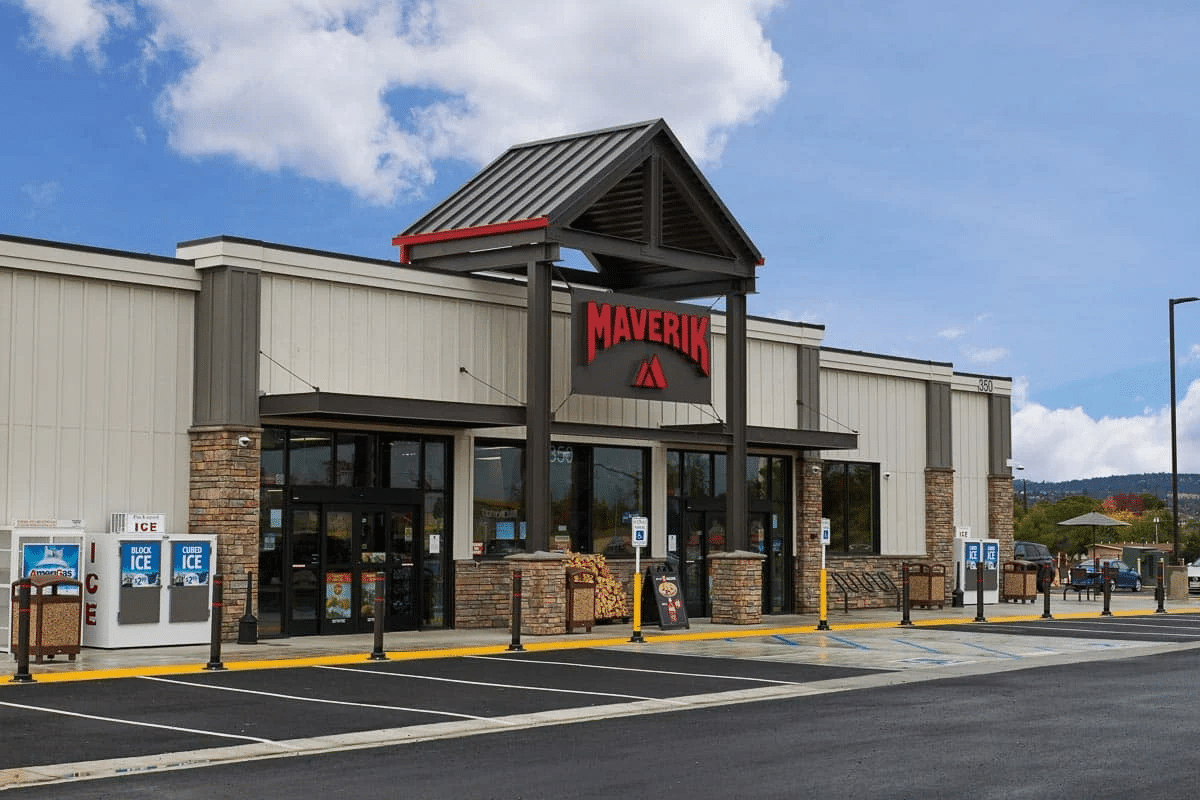
6 Gas Station Chains With Food So Good It’s Worth Driving Out Of Your Way For
We scoured the Internet to see what people had to say about gas station food. If you think the only things available are wrinkled hot dogs of indeterminate age and day-glow slushies, we’ve got great, tasty news for you. Whether it becomes part of a routine or your only resource on a long car trip, we have the food information you need.
Let’s look at 6 gas stations that folks can’t get enough of and see what they have for you to eat.
Like our content? Be sure to follow us.





