I used to think cruises were the perfect vacation hack—until the sparkle wore off and the downsides piled up.
A report by Statista highlights that the U.S. accounts for nearly 60% of global cruise passengers, making it the largest cruise market in the world. A record 19 million Americans cruised in 2024, generating nearly $25 billion in revenue, with projections showing it could pass $30 billion by 2028.
I used to think cruises were the ultimate vacation hack: unpack once, float between tropical islands, and let someone else handle the cooking. However, after a few trips, I began to notice things that diminished the magic.
Some were little annoyances, others felt like bigger deal-breakers. Don’t get me wrong, I get why people love them, but for me, the sparkle faded with every trip. Here’s what finally made me realize I’m not really a “cruise person” anymore.
The endless crowds

Cruises are basically floating cities, and that means crowds everywhere. I remember waiting 40 minutes just to grab a plate at the buffet while weaving through people carrying trays.
With ships carrying over 6,000 passengers these days, personal space starts feeling like a luxury. Congestion like this actually lowers vacation satisfaction. For me, it just made everything feel more stressful than relaxing.
The disembarkation process is a headache
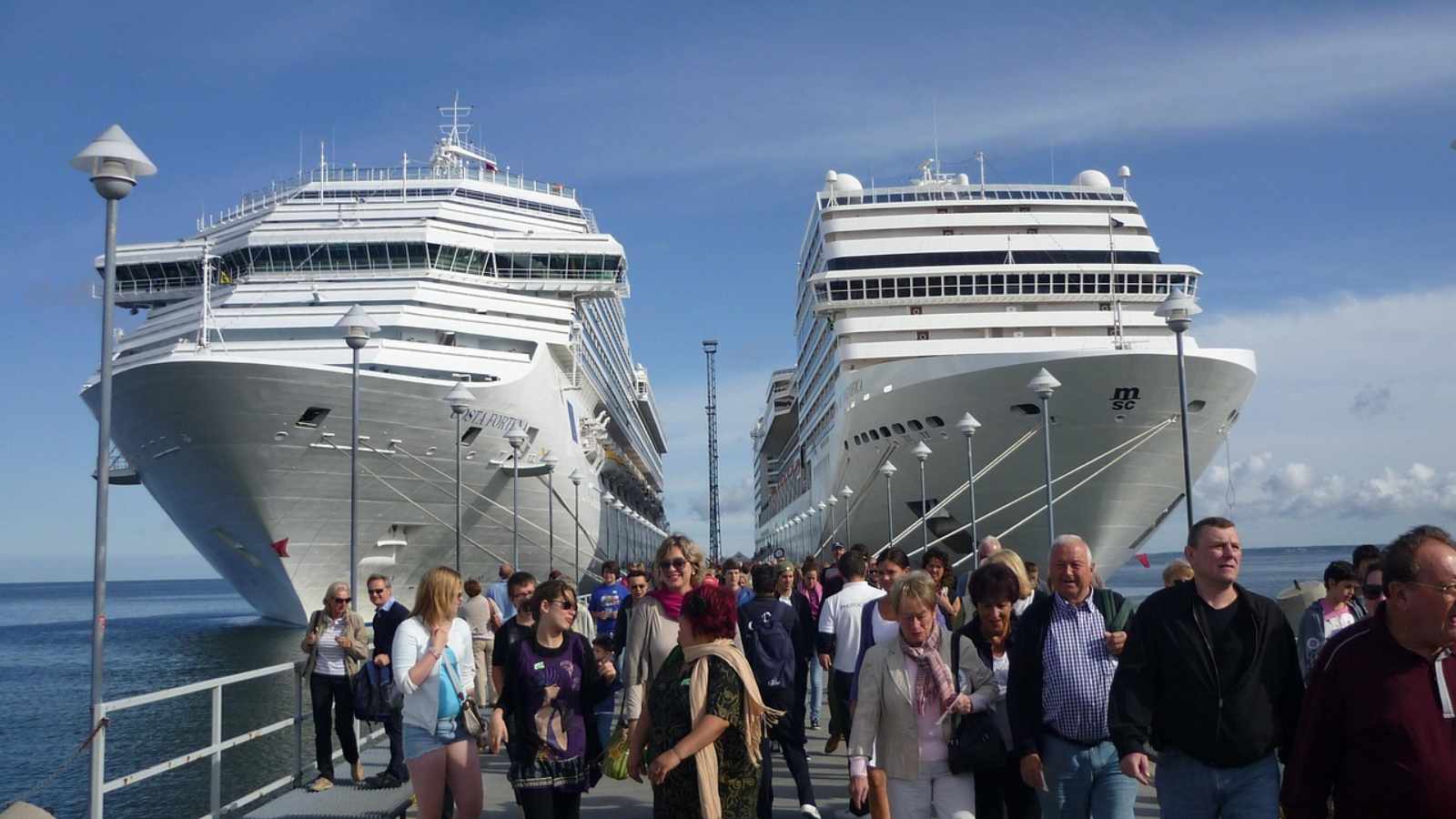
The final morning of a cruise is chaos. Thousands of people line up, luggage scattered everywhere, as announcements echo. It feels more like an airport than a vacation finale.
I always ended up stressed and exhausted, wondering why the ending had to feel so harsh. By the time I got home, I needed another day to recover.
Seasickness is no joke

I thought I had a strong stomach until I hit rough waters one night. The rocking was so bad I ended up curled in my cabin with ginger tea while everyone else danced in the lounge.
A study on general population prevalence reported that up to 75% of people experience motion sickness symptoms at some point, though only about 30% experience them regularly or severely. And medication doesn’t help as much.
Once you start feeling it, there’s really no escape; you can’t just step off the ship. That was the moment I realized the ocean always wins.
The constant upselling is exhausting

Everywhere I turned, someone was trying to sell me something—spa treatments, jewelry, bingo cards. It’s relentless. Even the “free” events often turned into sales pitches.
I later read that retail revenue is one of the fastest-growing profit centers for cruise lines. For me, it made the trip feel less like a getaway and more like being stuck inside a mall at sea.
The food feels like déjà vu
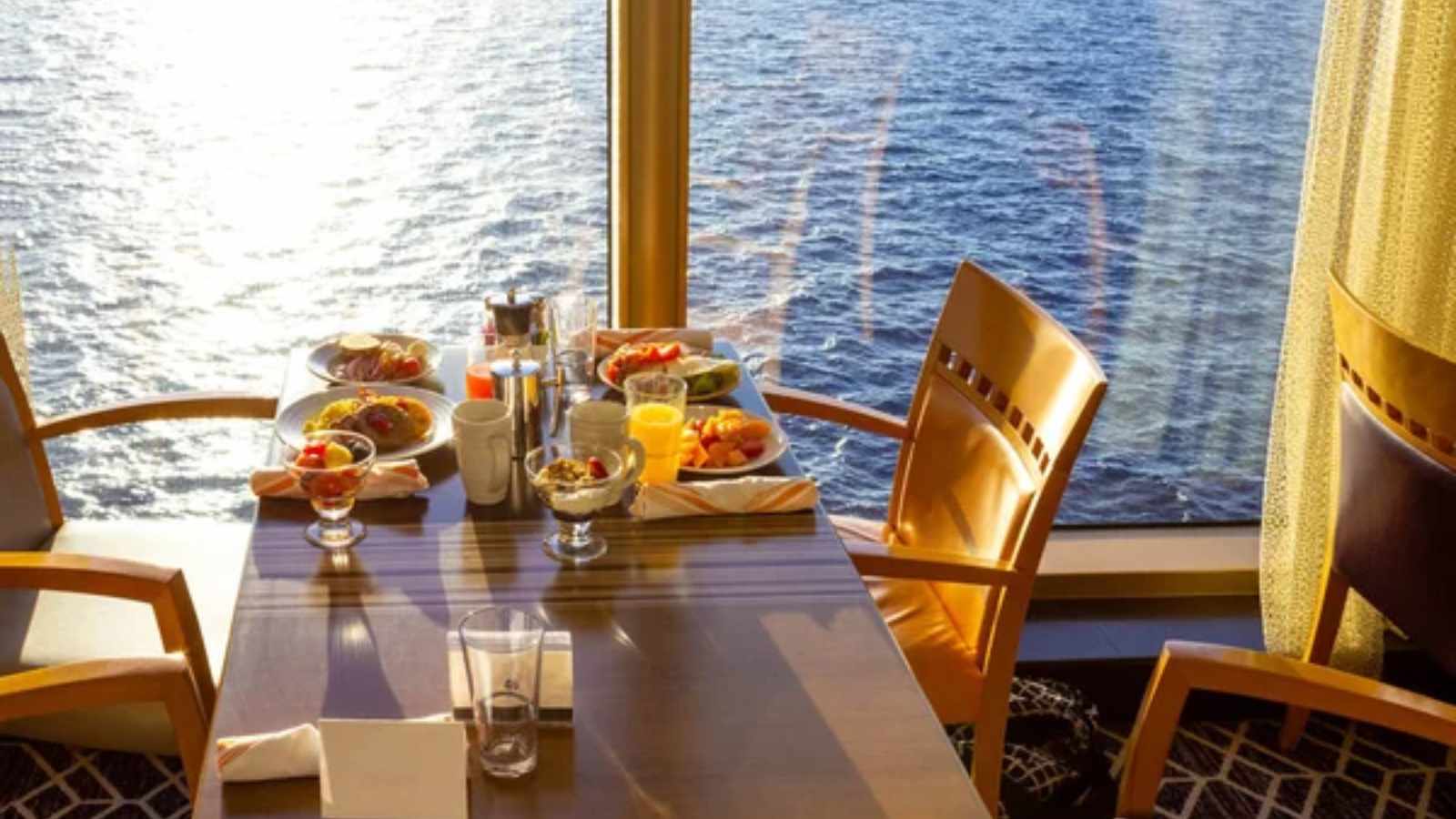
The first few meals? Delicious. By day five, though, everything tasted the same. Buffets are loaded with variety, but when food is mass-produced for thousands, freshness takes a hit.
I later read that some cruise lines go through tens of thousands of eggs and hundreds of pounds of beef every day, which made me understand why it felt repetitive. On large ships like Symphony of the Seas (Royal Caribbean), passengers consume around 5,000 dozen eggs—that’s 60,000 eggs—during a single 7-night cruise.
These ships also go through 5,000 pounds of beef, 9,700 pounds of chicken, and 2,500 pounds of salmon over the same period. My taste buds were begging for something made in a tiny hole-in-the-wall restaurant instead.
Limited time at ports
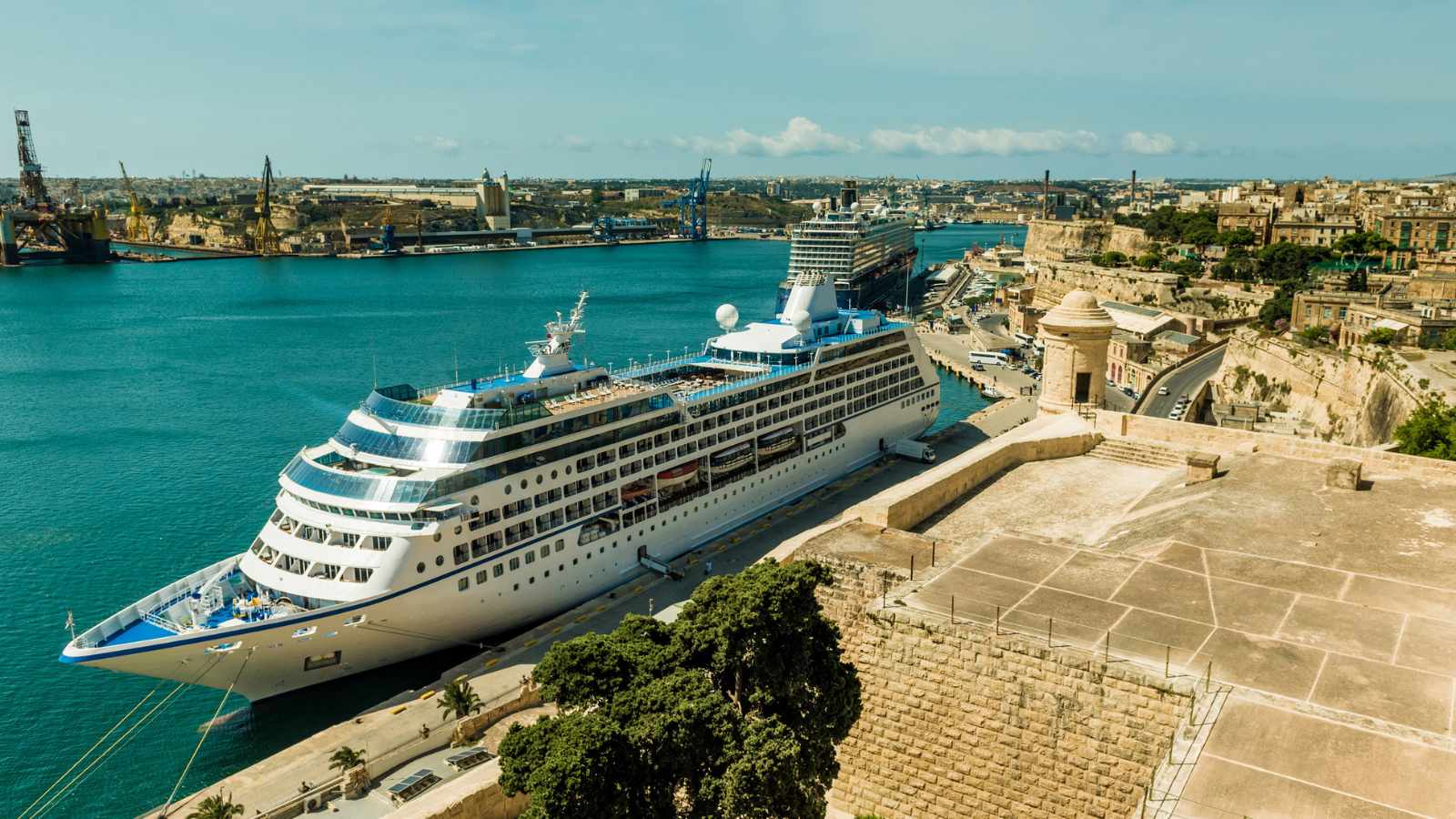
You finally arrive at a dreamy island, and then you realize you’ve got only six hours to explore. That usually boils down to rushing through one excursion and a gift shop before heading back. It’s frustrating knowing you barely scratched the surface of a place that deserves days to explore.
Locals often share this sentiment, noting that cruise passengers rarely spend enough to benefit the community. I left feeling like I got a postcard version of the destinations, not the real experience.
Hidden costs add up

Sure, cruises advertise an “all-inclusive” vibe, but the reality is more complicated. Drinks packages, specialty dining, Wi-Fi, and excursions can easily double the upfront cost. A report by Travel Weekly notes that onboard spending often makes up nearly 30% of a cruise line’s revenue.
I felt nickel-and-dimed at every turn, which killed the carefree mood. It stopped feeling like a vacation and more like a carefully orchestrated upsell.
The cabins feel cramped fast
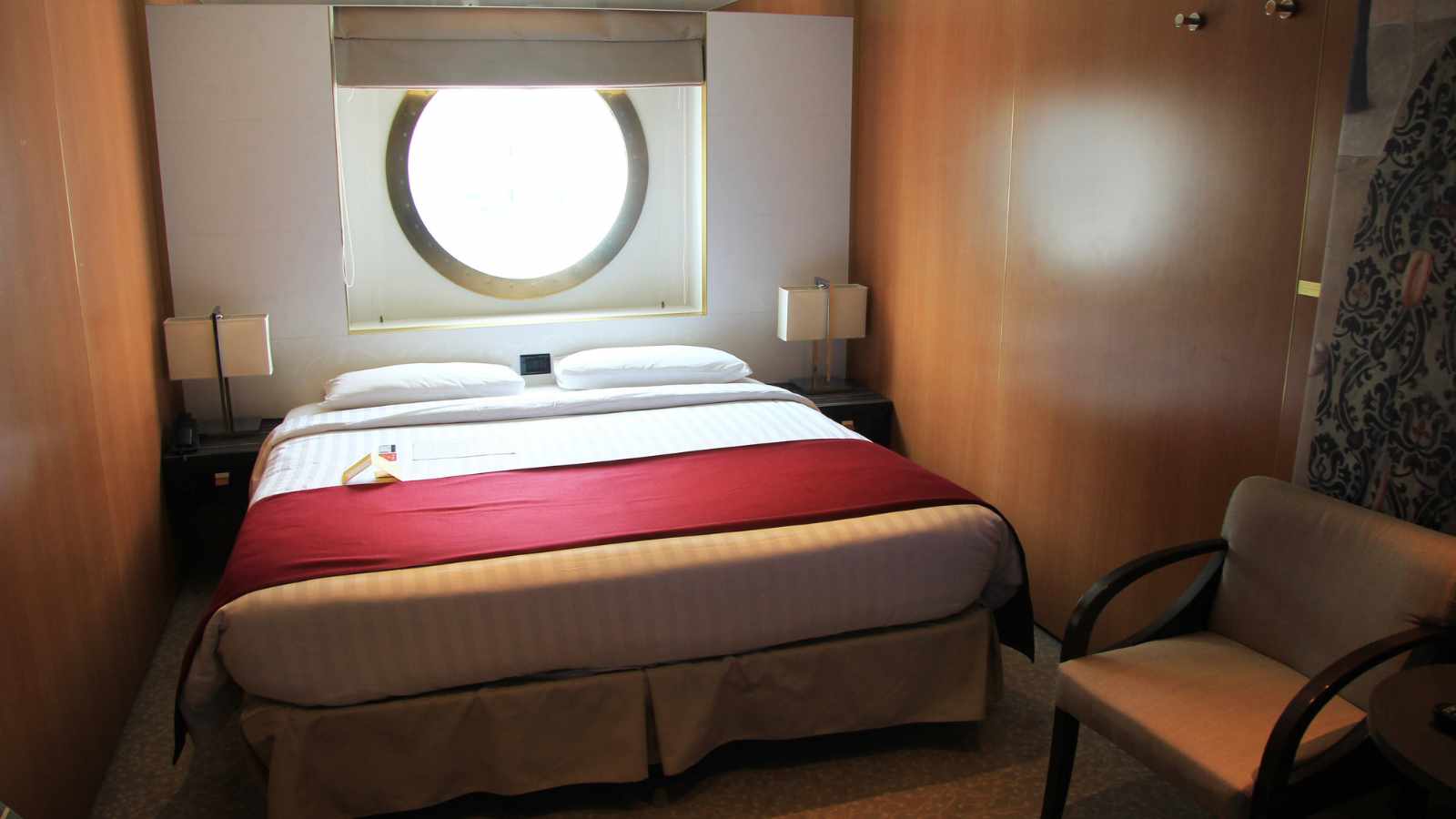
At first, the cabin felt cozy and efficient. But after a week of tripping over suitcases and hearing every toilet flush from the hallway, I was over it. The average interior cabin is approximately 160 square feet, which is smaller than many studio apartments.
Sharing that space with luggage and wet swim gear starts feeling claustrophobic. By day six, I wanted to stretch out somewhere that wasn’t a crowded pool deck.
The environmental guilt

The more I learned about cruise emissions, the less I could ignore them. A single large ship can emit as much pollution in a day as thousands of cars. For instance, 214 cruise ships in Europe emitted four times more sulfur oxides than one billion cars over the same period.
Although some cruise lines are adopting greener practices, the scale of their impact is still massive. I couldn’t shake the thought every time I saw smoke rising from the funnels. Relaxing by the pool started to feel a little less guilt-free.
Save this article
Too many rules for vacation

It started feeling more like school than leisure, from scheduled dinner times to announcements reminding you not to do this or that. I remember getting told off for bringing a drink from one deck to another.
I get why rules exist, but the constant structure felt stifling. Part of me craved the freedom of wandering a city at my own pace. Instead, I was following a ship’s itinerary down to the minute.
Health worries never go away

Cruises have a history of outbreaks, and once you read about norovirus, it’s hard not to think about it every time you grab a serving spoon at the buffet. In 2024, there were 16 outbreaks of gastrointestinal illness on cruise ships, the highest number since 2012, despite the implementation of strict cleaning protocols.
I remember obsessively sanitizing my hands to the point it distracted me from the fun. Being in such close quarters amplifies the risk. For someone like me, that lingering worry really eats into the experience.
Entertainment can feel cheesy
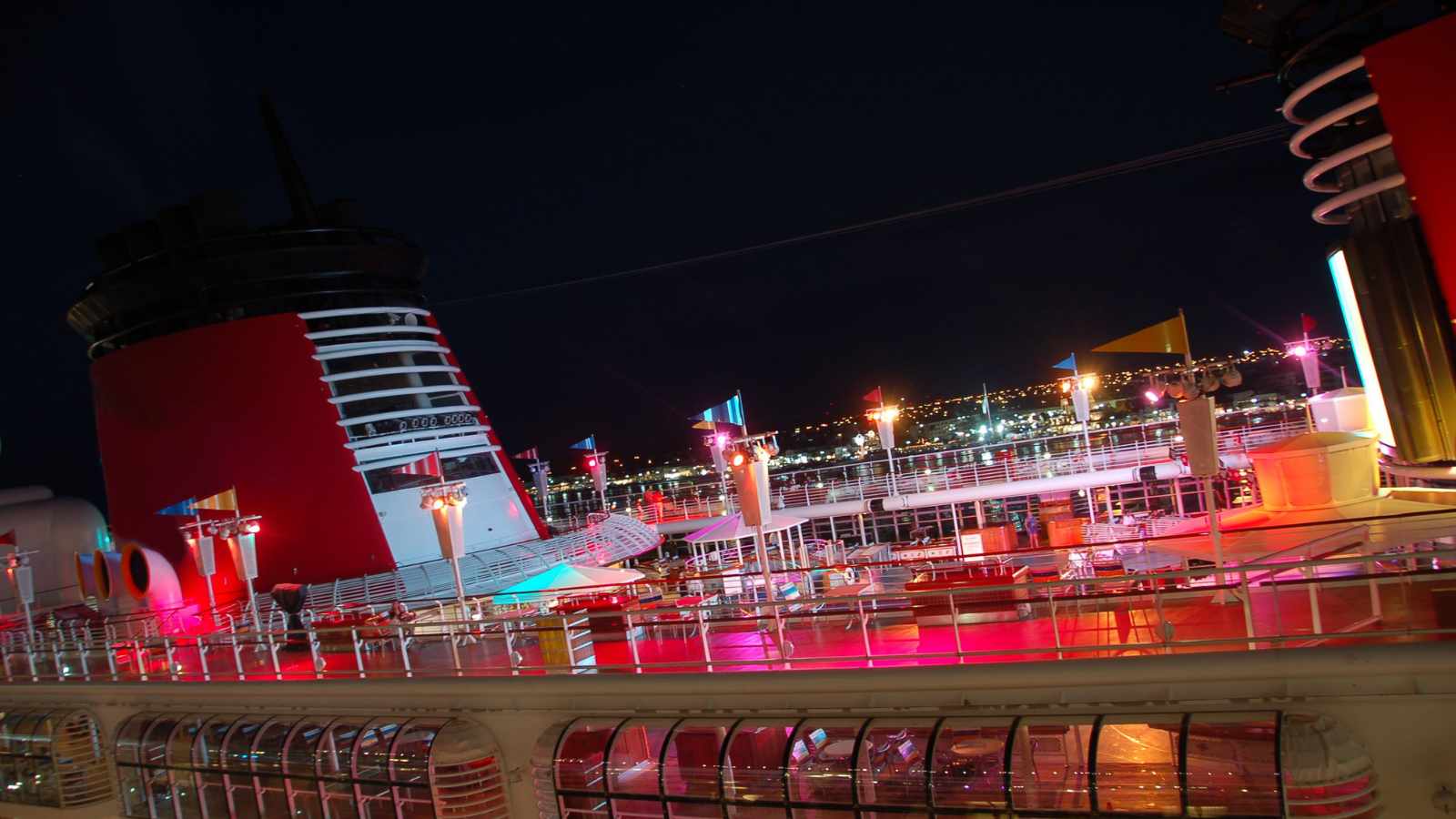
I used to get excited about the evening shows, but eventually, they all started to blend. Cover bands, dance revues, comedians—it felt like a loop on repeat. For some, that’s part of the charm, but I found myself wishing I could check out a real local performance instead.
Entertainment ranks lower in satisfaction compared to food and service. That made me feel less guilty for skipping the shows by the end.
It doesn’t feel authentic
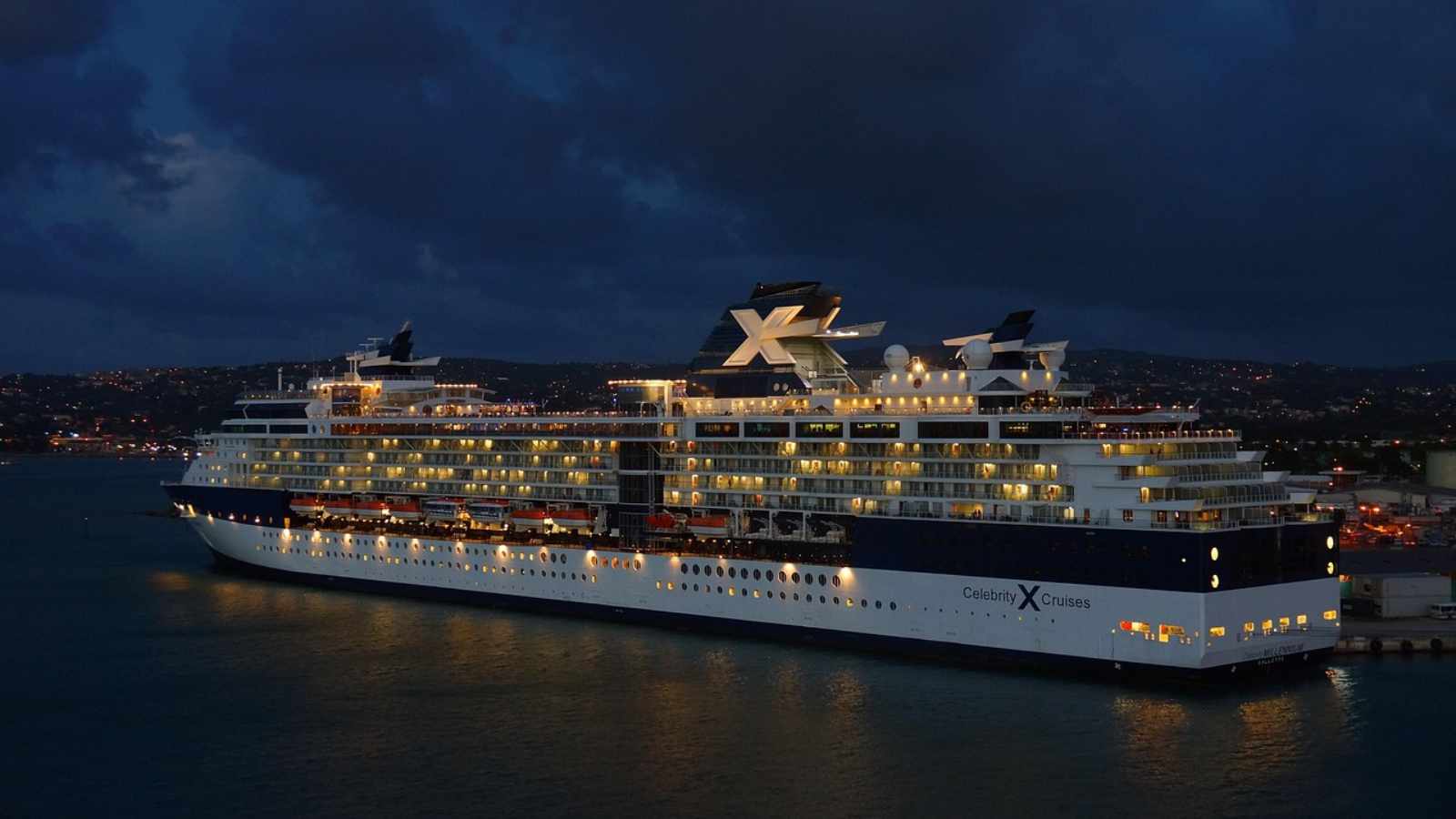
After a few cruises, I realized I wasn’t really experiencing the places we visited. The ports are often designed around tourism, so it’s easy to feel like you’re being funneled into the same stores and attractions as everyone else.
I missed the serendipity of discovering little coffee shops or quiet streets. Travel, for me, is about immersion, and cruises started to feel like surface-level sightseeing. I wanted a real connection, not just curated glimpses.
Safety drills take the fun out
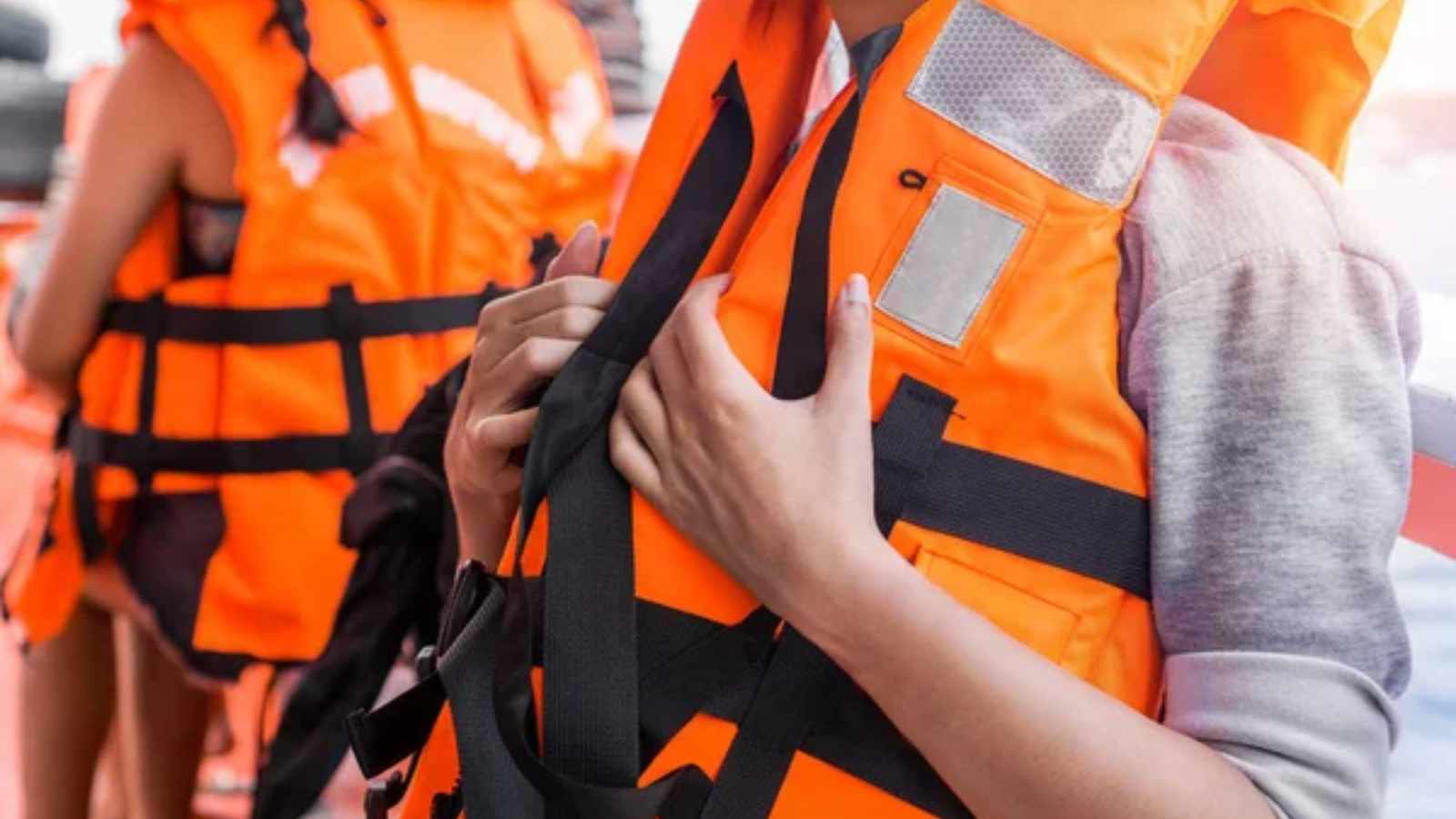
The very first day always begins with a safety drill, which is essential, but it sets a somewhat unusual tone. Standing shoulder-to-shoulder with strangers in life jackets while instructions blare over loudspeakers doesn’t exactly scream relaxation.
I understand it’s essential, especially in light of past disasters at sea. Still, the reminder of what could go wrong lingered in the back of my mind. It chipped away at the carefree mood I wanted to have.
I realized I prefer slower travel

Over time, it hit me that the things I value most in travel—spontaneity, depth, and connection—don’t align well with cruises. They’re designed for efficiency, but that’s not what I want anymore.
I’d rather spend a week in one town than bounce between five ports. It’s not about being “anti-cruise,” it’s just about knowing what makes me happiest. And once I figured that out, stepping away from cruises felt like the right move.
Key takeaways
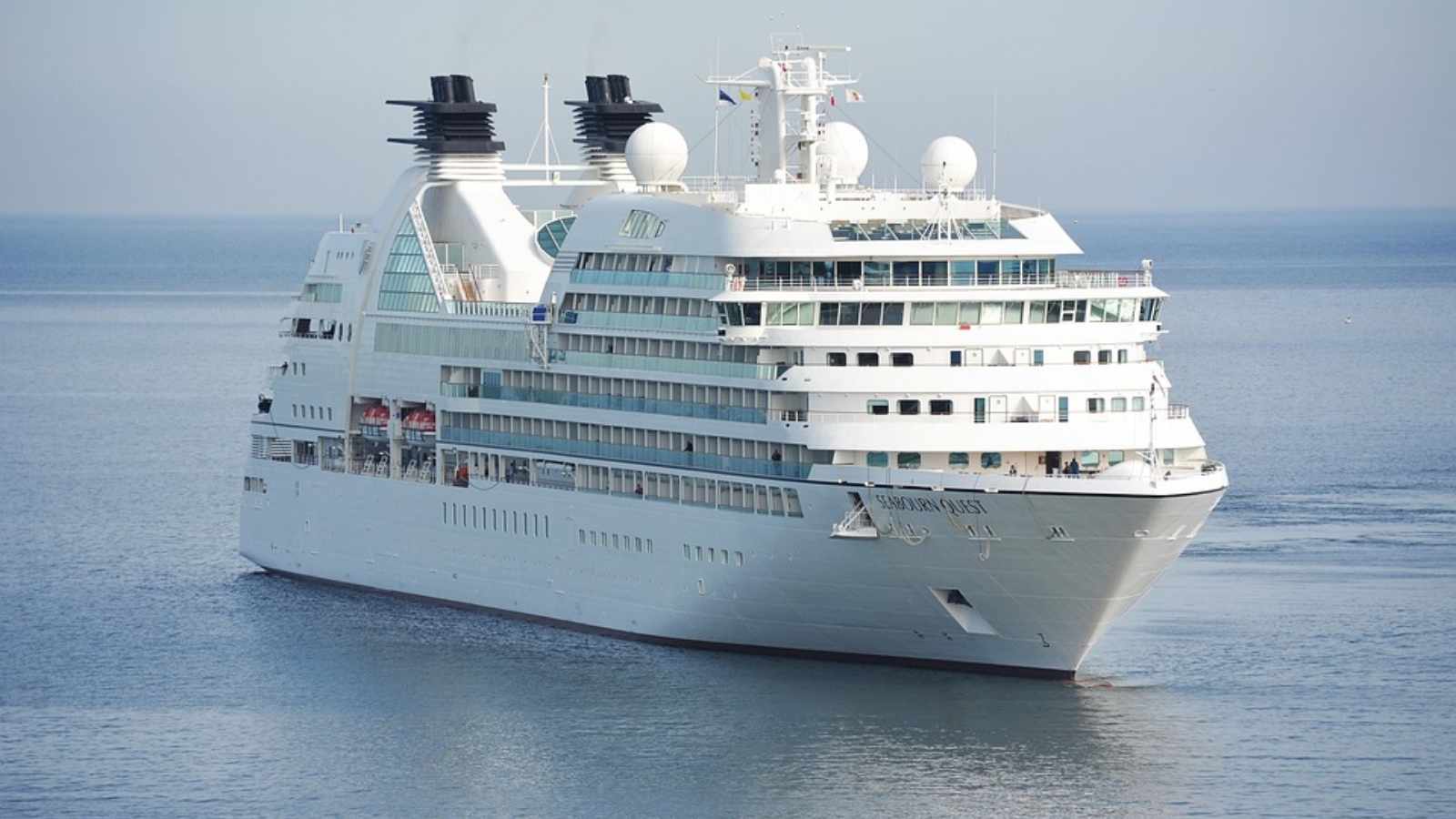
Cruises can feel overcrowded and restrictive. From endless buffet lines to rigid rules and safety drills, what’s sold as carefree relaxation often ends up feeling structured and stressful.
Hidden downsides pile up quickly. Seasickness, cramped cabins, constant upselling, and repetitive entertainment chipped away at the enjoyment, making the trip feel more like a chore than an escape.
The costs and environmental impact are hard to ignore. Between surprise onboard expenses and the guilt of knowing how much pollution ships create, the “all-inclusive” promise starts to lose its shine.
Authenticity matters more than convenience. Limited port time and tourist-heavy stops left little room for authentic connection, and in the end, slower, deeper travel felt far more rewarding than cruising.
Disclaimer – This list is solely the author’s opinion based on research and publicly available information. It is not intended to be professional advice.
16 grocery staples to stock up on before prices spike again
16 Grocery Staples to Stock Up On Before Prices Spike Again
I was in the grocery store the other day, and it hit me—I’m buying the same things I always do, but my bill just keeps getting higher. Like, I swear I just blinked, and suddenly eggs are a luxury item. What’s going on?
Inflation, supply-chain delays, and erratic weather conditions have modestly (or, let’s face it, dramatically) pushed the prices of staples ever higher. The USDA reports that food prices climbed an additional 2.9% year over year in May 2025—and that’s after the inflation storm of 2022–2023.
So, if you’ve got room in a pantry, freezer, or even a couple of extra shelves, now might be a good moment to stock up on these staple groceries—before the prices rise later.
6 gas station chains with food so good it’s worth driving out of your way for
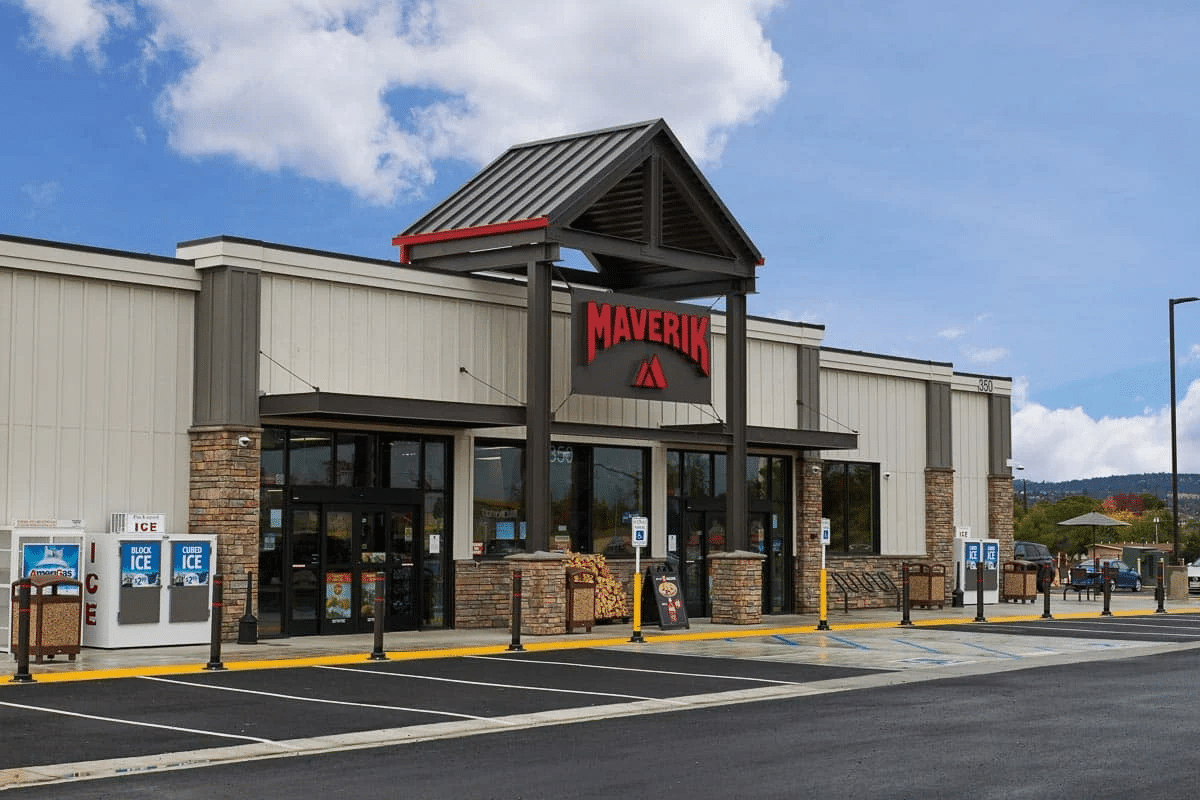
6 Gas Station Chains With Food So Good It’s Worth Driving Out Of Your Way For
We scoured the Internet to see what people had to say about gas station food. If you think the only things available are wrinkled hot dogs of indeterminate age and day-glow slushies, we’ve got great, tasty news for you. Whether it becomes part of a routine or your only resource on a long car trip, we have the food information you need.
Let’s look at six gas stations that folks can’t get enough of and see what they have for you to eat.