Twenty years ago, homeownership, cheap gas, and concert tickets were everyday realities—now they’re luxuries slipping out of reach.
Sometimes I catch myself thinking back to the early 2000s and realizing just how much we took for granted. Back then, plenty of everyday things felt so normal that we barely gave them a second thought. Fast forward two decades, and suddenly, many of those simple comforts carry a price tag or feel out of reach entirely.
Based on findings from Elite Personal Finance, the average American household spends approximately $61,334 per year. This is an almost 40% increase from the early 2000s, when annual expenditures typically ranged between $43,000 and $46,000.
Let’s take a little stroll down memory lane and see which “regular” things from 20 years ago now feel like luxuries.
Owning a home without massive debt

Two decades ago, homeownership was tough but still somewhat realistic for middle-class families. In 2004, the median home price in the U.S. was around $212,700—less than half of what it is today.
Many buyers could manage mortgages without dedicating their entire paycheck. Now, with sky-high housing costs, buying a house often feels like winning the lottery. What was once a rite of passage is now a dream slipping further out of reach.
Airline travel that didn’t feel cramped

Flying used to feel like a semi-special occasion, with free meals and a bit of legroom included in the price. By the mid-2000s, airlines still offered complimentary snacks and drinks on most domestic flights.
Today, budget carriers dominate, and even checking a bag can cost as much as a nice dinner. Seats have gotten smaller while fees keep getting larger. It’s no wonder many people now dread flying rather than looking forward to it.
Affordable college tuition

In 2003, average annual in-state tuition for public universities hovered around $4,600. That was a stretch for many families, but student loans weren’t yet crushing entire generations.
Fast forward, and average tuition is nearly triple, not even counting living expenses. The idea of working a summer job to cover tuition feels almost like folklore now. What once felt challenging is now financially overwhelming.
Free roadside maps and guides

Gas stations used to hand out free paper maps like candy. They were helpful, reliable, and didn’t eat up your data plan. Today, we rely on GPS apps that cost money indirectly through data usage, subscriptions, or in-car services.
Paper maps still exist, but you’ll usually have to pay for them. Something once given freely is now marketed as “vintage travel gear.”
Free checked baggage on flights

It’s wild to think about, but two decades ago, airlines didn’t nickel-and-dime travelers for every bag. A checked suitcase was part of the experience, not an “upgrade.”
Now, unless you’re flying internationally or with a premium ticket, you’re probably shelling out $30 to $45 for the first checked bag, and $40 to $60 for the second. Multiply that for a family trip, and it’s a serious budget hit. Something routine has quietly turned into a luxury perk.
Clothes that didn’t cost a fortune

Department stores and malls were full of affordable, durable clothing in the 2000s. A solid pair of jeans could be found for $25, and trendy tops rarely broke the bank.
Today, prices vary wildly—fast fashion is cheap but disposable, while quality pieces cost far more than they once did. Thrifting has even become expensive, as secondhand finds are resold at boutique prices. Dressing well without overspending feels like a lost luxury.
Pay phones on every corner

Have you forgotten about dropping a quarter into a pay phone when your battery died, or if you didn’t even have a cell yet? In 2004, there were still over 1.3 million pay phones in the U.S.
Today, most are gone, replaced by pricey cell plans and smartphones. If you’re caught without a working phone now, you’re just out of luck. Having easy and affordable public access to communication has become a rarity.
Cheap concert tickets

In the early 2000s, you could snag tickets to a major band for $50-$100. Smaller shows? Sometimes as low as $15. Now, thanks to demand, fees, and resale sites, even nosebleed seats for a popular artist can run hundreds of dollars.
Live music has shifted from being a casual night out to a carefully budgeted splurge. For many, concerts have turned from regular fun to rare events.
Filling up the gas tank without flinching

Back in 2004, the average price of gas in the U.S. was about $1.88 a gallon. Families could take road trips without having to do complicated math to justify the cost.
Today, prices are significantly higher, often fluctuating wildly in response to global events. While cars are more fuel-efficient, the sting at the pump is real. Cheap gas now feels like something out of the “good old days.”
Film cameras and free photo printing

Save this article
Two decades ago, snapping a roll of film and developing it at the drugstore was affordable. Prints were often just a few cents each, and plenty of people had photo albums stacked at home.
Digital cameras were emerging, but even then, printing wasn’t prohibitively costly. Today, while we take more photos than ever, actually printing them is a pricey novelty. The family photo wall has turned into cloud storage we pay subscriptions for.
Health insurance that didn’t feel impossible

Employer health insurance 20 years ago wasn’t perfect, but premiums and deductibles were far lower. According to the 2003 Employer Health Benefits Survey by KFF, the average annual premium for employer-sponsored family coverage was approximately $9,068.
Today, it’s more than double, with much higher out-of-pocket costs. Even basic coverage now feels financially out of reach for many. What used to be standard benefits are edging into luxury territory.
Renting movies without streaming fees

A Friday night at Blockbuster or the local rental shop cost just a few bucks. Sure, you had to rewind VHS tapes, but it felt affordable and fun. Now, streaming services charge monthly fees, and many also add “premium rentals” on top.
If you want access to multiple shows and movies, the costs quickly stack up. Somehow, the supposed cheaper alternative has become more expensive than ever.
Affordable utility bills

Twenty years ago, electricity and water bills were significant but not jaw-dropping. Based on Ballotpedia data, the average residential electricity price in 2004 was around 8.9 cents per kilowatt-hour, and with typical monthly usage of about 870 kWh, that puts the average monthly bill close to $77–$78.
Today, it’s closer to $150, and rising energy prices make it unpredictable. Add in internet and cell service, and monthly utilities easily double what they once were. The basic act of keeping the lights on has shifted into a financial balancing act.
Eating out without sticker shock

In the early 2000s, a casual dinner for two would typically cost $25–$30, including the tip. Fast food combo meals often stayed under $5. Now, even a quick lunch can cost $15 per person, and sit-down meals can add up quickly.
Inflation and rising supply chain costs have altered how often people can realistically dine out. Dining at restaurants has shifted from a weekly habit to an occasional treat.
Having free time without screens

Two decades ago, it was easier to just “be.” People read books, napped on the couch, or took walks without the constant pull of notifications. In 2005, the average American spent just over 2 hours per day online, mostly via desktop computers and dial-up or early broadband connections.
Fast forward to 2025, and the average has ballooned to nearly 7 hours daily, according to recent findings from SQ Magazine. Free time wasn’t eaten up by endless scrolling or juggling multiple subscriptions. True downtime, once ordinary, now feels like a rare luxury we all crave.
Key takeaways
Everyday essentials have turned into financial burdens. Many basics that were once manageable, like homeownership, utility bills, and health insurance, now strain budgets or feel out of reach.
Travel and entertainment aren’t what they used to be. Airline perks, free baggage, cheap concerts, and casual dining have shifted from normal experiences to costly splurges.
Technology and convenience have come with hidden costs. Pay phones, free paper maps, film printing, and affordable movie rentals have been replaced by digital options that often require subscriptions or fees.
Affordability has eroded across the board. The simple reality is that what felt ordinary 20 years ago is now considered a luxury that many people struggle to afford.
Disclaimer – This list is solely the author’s opinion based on research and publicly available information. It is not intended to be professional advice.
16 grocery staples to stock up on before prices spike again
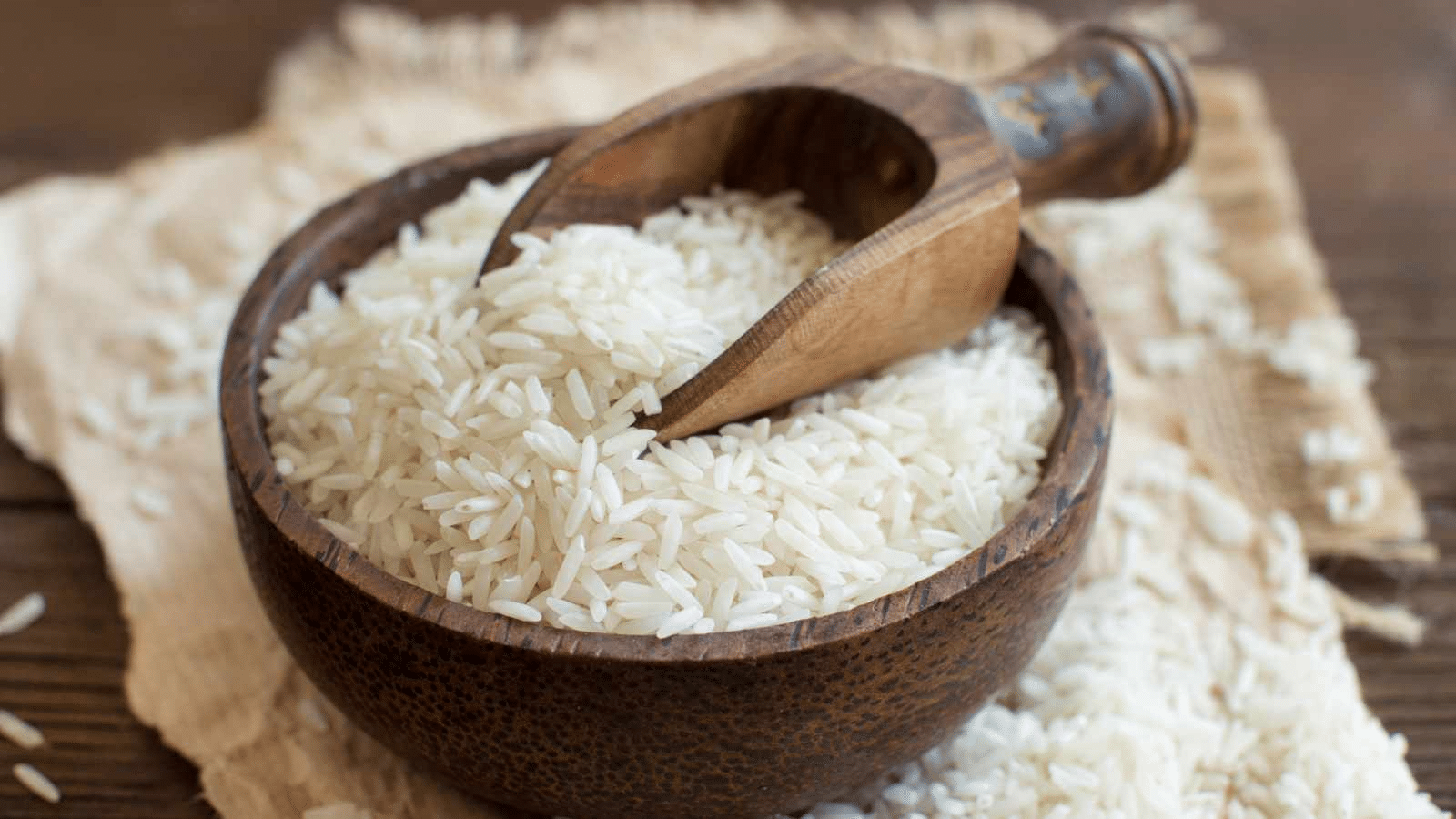
16 Grocery Staples to Stock Up On Before Prices Spike Again
I was in the grocery store the other day, and it hit me—I’m buying the same things I always do, but my bill just keeps getting higher. Like, I swear I just blinked, and suddenly eggs are a luxury item. What’s going on?
Inflation, supply-chain delays, and erratic weather conditions have modestly (or, let’s face it, dramatically) pushed the prices of staples ever higher. The USDA reports that food prices climbed an additional 2.9% year over year in May 2025—and that’s after the inflation storm of 2022–2023.
So, if you’ve got room in a pantry, freezer, or even a couple of extra shelves, now might be a good moment to stock up on these staple groceries—before the prices rise later.
6 gas station chains with food so good it’s worth driving out of your way for
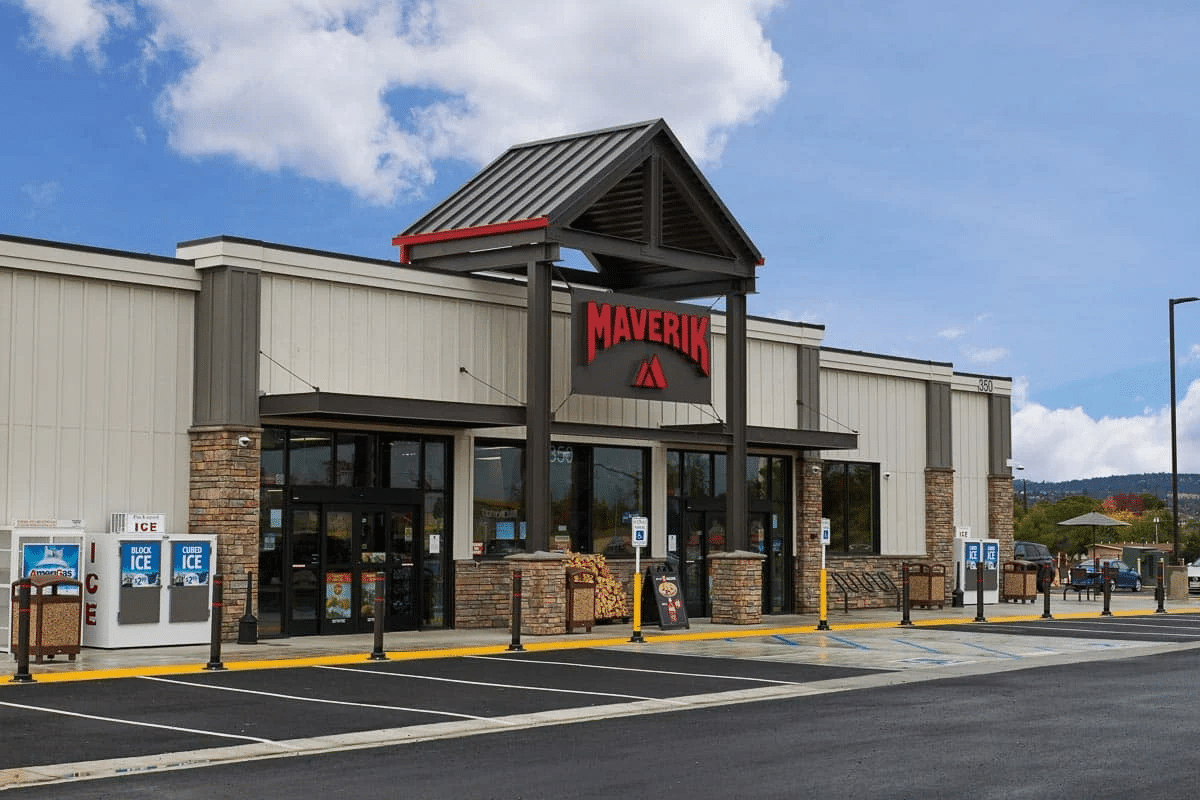
6 Gas Station Chains With Food So Good It’s Worth Driving Out Of Your Way For
We scoured the Internet to see what people had to say about gas station food. If you think the only things available are wrinkled hot dogs of indeterminate age and day-glow slushies, we’ve got great, tasty news for you. Whether it becomes part of a routine or your only resource on a long car trip, we have the food information you need.
Let’s look at six gas stations that folks can’t get enough of and see what they have for you to eat.