New research reveals that the objects we touch every day can carry more germs than a toilet seat, making handwashing more urgent than ever.
I used to be a little lazy about handwashing. A quick rinse here, a swipe of hand sanitizer there, and I thought I was good to go. But the older I get, the more I realize just how many everyday objects are basically germ buffets in disguise.
Some of them might seem obvious (yes, the bathroom is on the list), but others will surprise you. According to a report by the National Foundation for Infectious Diseases, dirty hands are responsible for spreading up to 80% of infectious diseases. So, let’s walk through the little things we touch all the time that really do deserve a trip to the sink afterward.
Your phone
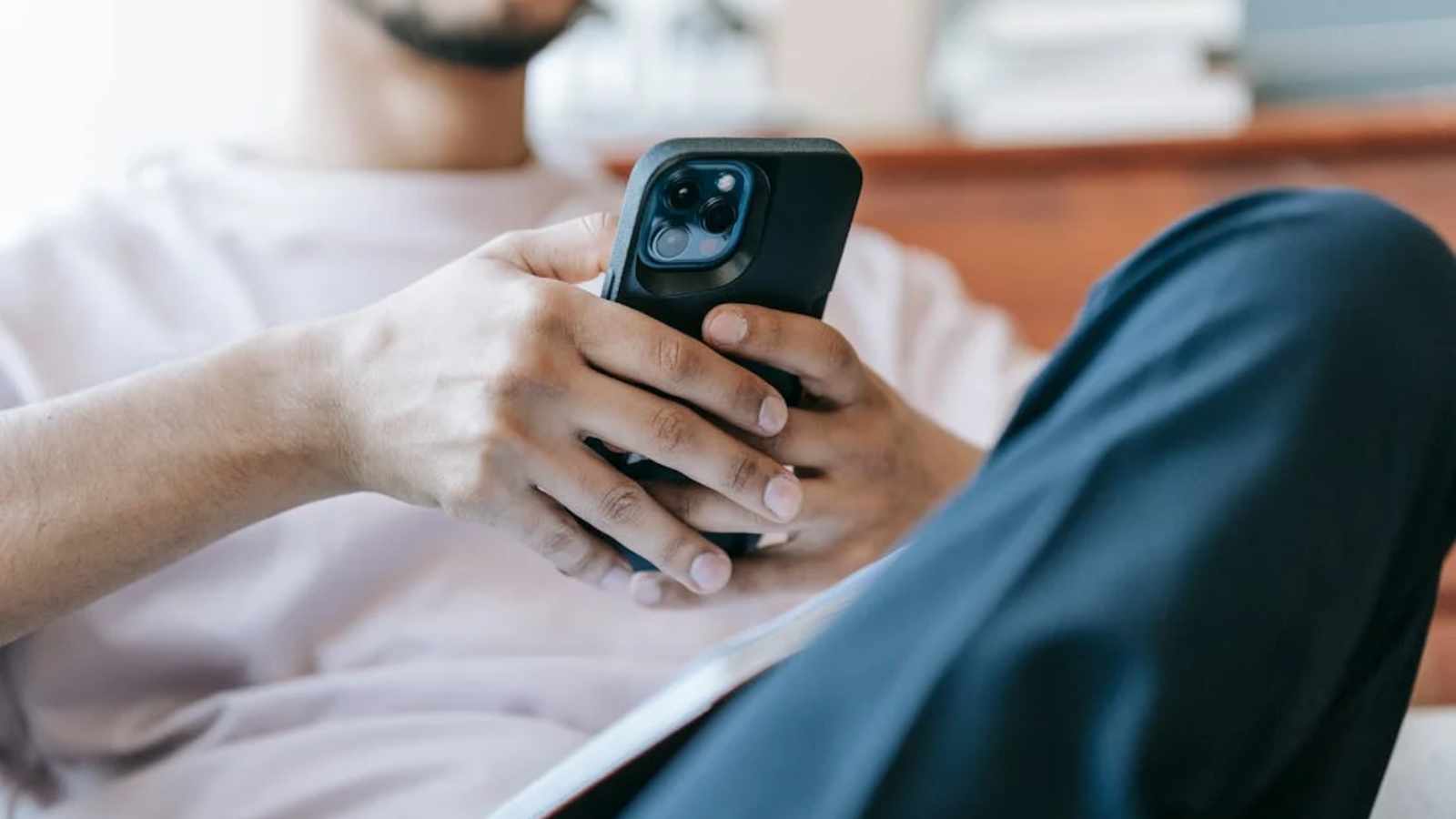
Our phones go everywhere with us—into the bathroom, onto the dinner table, and sometimes even into bed. Studies have found that cell phones carry 10 times more bacteria than most toilet seats. It’s not just germs from your hands, but also from surfaces you set it on throughout the day.
Add in the fact that we’re constantly pressing it against our faces, and it makes sense why experts recommend cleaning and washing after use. A quick wash of your hands after a long scroll can make a real difference.
Door handles

It’s impossible to count how many hands touch a single door handle in a day. Public ones, especially in offices or stores, can carry traces of everything from cold viruses to E. coli. Research presented by Dr. Charles Gerba of the University of Arizona showed that a virus placed on a doorknob can spread to 40–60% of people in a building within just a few hours.
That’s kind of terrifying when you think about it. So, while you can’t avoid opening doors, you can head for the sink afterward.
Gym equipment

The treadmill might make you sweat, but it also makes everyone else sweat—and those bacteria don’t vanish on their own. Even with wipes provided, not everyone remembers to clean their equipment after use.
Washing your hands once you’re done working out helps you skip the post-gym germs. Bonus points if you resist the urge to touch your face mid-run.
Money

Cash is useful, but it’s also shockingly dirty. The average dollar bill can harbor hundreds of species of microbes, according to a study published in PLOS One. Bills and coins pass through countless hands, wallets, and even the occasional pocket that’s seen better days.
Plus, they can carry traces of drugs, food particles, and skin cells. A hand wash after handling cash is a simple way to avoid carrying all that microscopic baggage with you.
Public touch screens

Self-checkout machines, airport kiosks: touch screens have become part of everyday life. Unfortunately, they’re not cleaned nearly as often as you’d think.
One study in the UK tested fast food restaurant kiosks and found traces of fecal bacteria on every single screen sampled. How many fingers have touched it before yours? Washing up after tapping your way through an order just makes sense.
Shopping carts
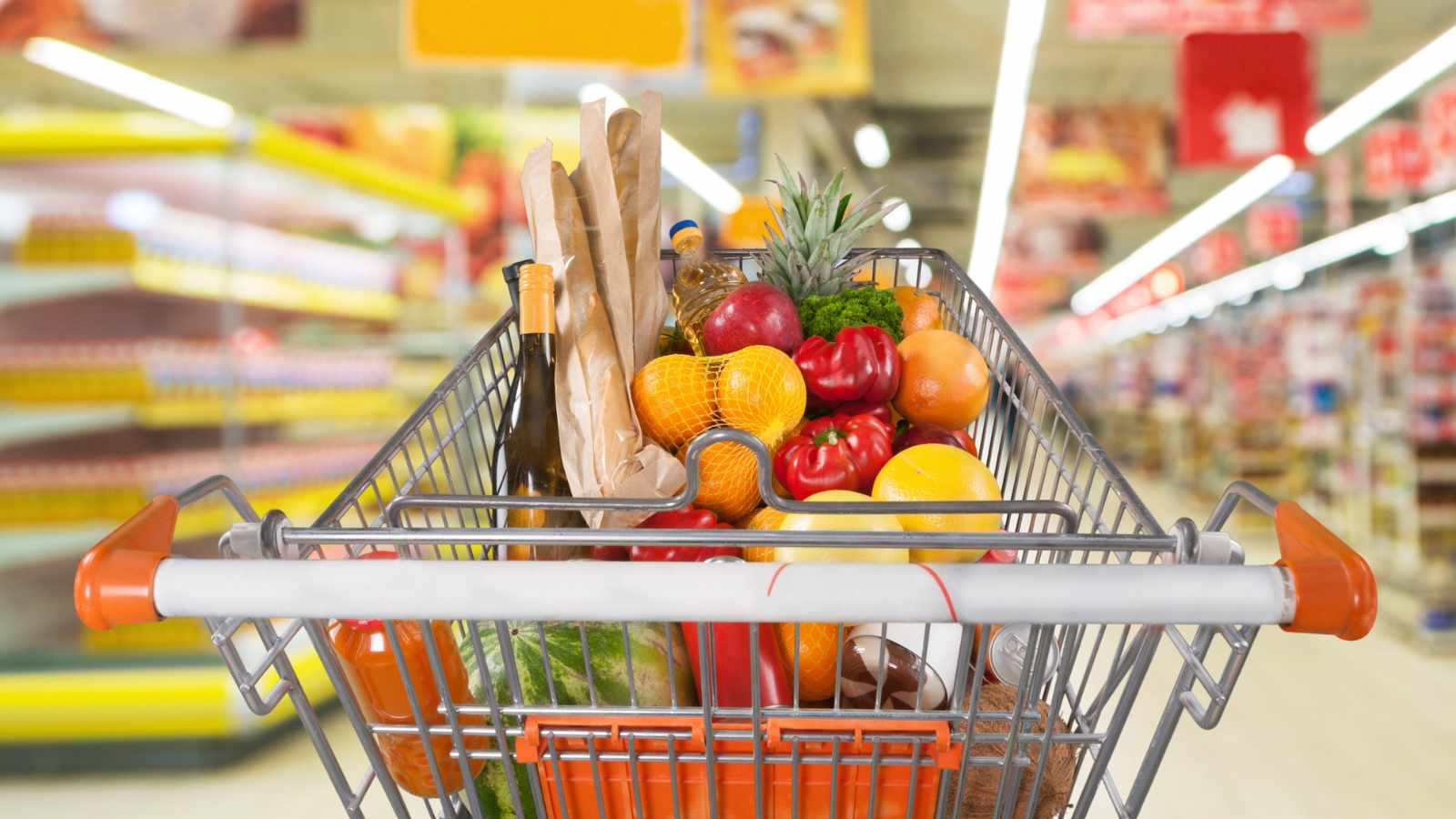
We’ve all seen them—shopping carts with the sticky handles that make you instantly regret not grabbing a wipe. Tests by the University of Arizona revealed that 72% of shopping cart handles are contaminated with fecal bacteria.
It makes sense since kids, snacks, and countless hands have all made their way across them. Many stores now provide sanitizing wipes, but washing your hands after a grocery trip is just as important. It’s an easy way to keep dinner prep a little cleaner.
Pets

I love a good cuddle with a dog or cat, but let’s be honest—our pets lick, roll, and dig in things we’d never want to touch ourselves. While most pet germs won’t make you seriously ill, they can carry bacteria like Salmonella or parasites that can be transferred to our hands.
The CDC has reported that around 60% of human infectious diseases come from animals. Additionally, 3 out of every four new or emerging infectious diseases, including Ebola, HIV, and certain strains of influenza, have animal origins. Petting and playtime are great, but washing up afterward keeps the bond sweet and safe.
Raw meat

Cooking a good steak or chicken dinner is always fun until you realize your hands are coated in raw juices. Raw poultry, beef, and pork can carry pathogens like Salmonella and Campylobacter.
In fact, the USDA estimates that approximately one in every 25 packages of chicken sold in stores is contaminated with Salmonella. A thorough wash with warm, soapy water after handling raw meat is non-negotiable. It’s one of the simplest ways to prevent foodborne illness at home.
Bathroom surfaces

This one may seem obvious, but it’s worth mentioning nonetheless. Toilets, faucets, and sink handles in public bathrooms can carry a mix of bacteria and viruses, even if they look sparkling clean.
A report by The Cleveland Clinic highlights that surfaces can hold norovirus particles for up to two weeks. That means a quick rinse isn’t enough—you want a full 20 seconds of scrubbing. It may not be glamorous, but your immune system will thank you.
Remote controls

Save this article
At home or in a hotel, the TV remote is one of the dirtiest items in the room. Everyone touches it, but almost no one thinks to clean it. Remotes can carry bacteria, such as MRSA, which can survive on plastic surfaces for days.
Add in late-night snacking with greasy fingers, and you’ve got yourself a germ magnet. A quick scrub after binge-watching is a small step for peace of mind.
Light switches

Light switches don’t usually cross our minds, but they’re one of the most frequently touched objects in any building. In homes, they collect oils from our fingers; in public spaces, they’re touched by countless people every day.
Switches can carry coliform bacteria, a possible indicator of fecal contamination. The good news? A quick wash at the end of the day clears away any lingering germs. It’s such a tiny habit with a big payoff.
Gas pumps

Filling up your car isn’t exactly glamorous, and gas pump handles are notoriously dirty. Data shows that 71% of gas pump handles test positive for bacteria linked to illness. Considering thousands of people touch them daily without cleaning, it’s not surprising.
Add in outdoor exposure, grime, and the occasional coffee spill, and you’ve got yourself a germy situation. Soap and water after filling up is never a bad idea.
Mail and packages
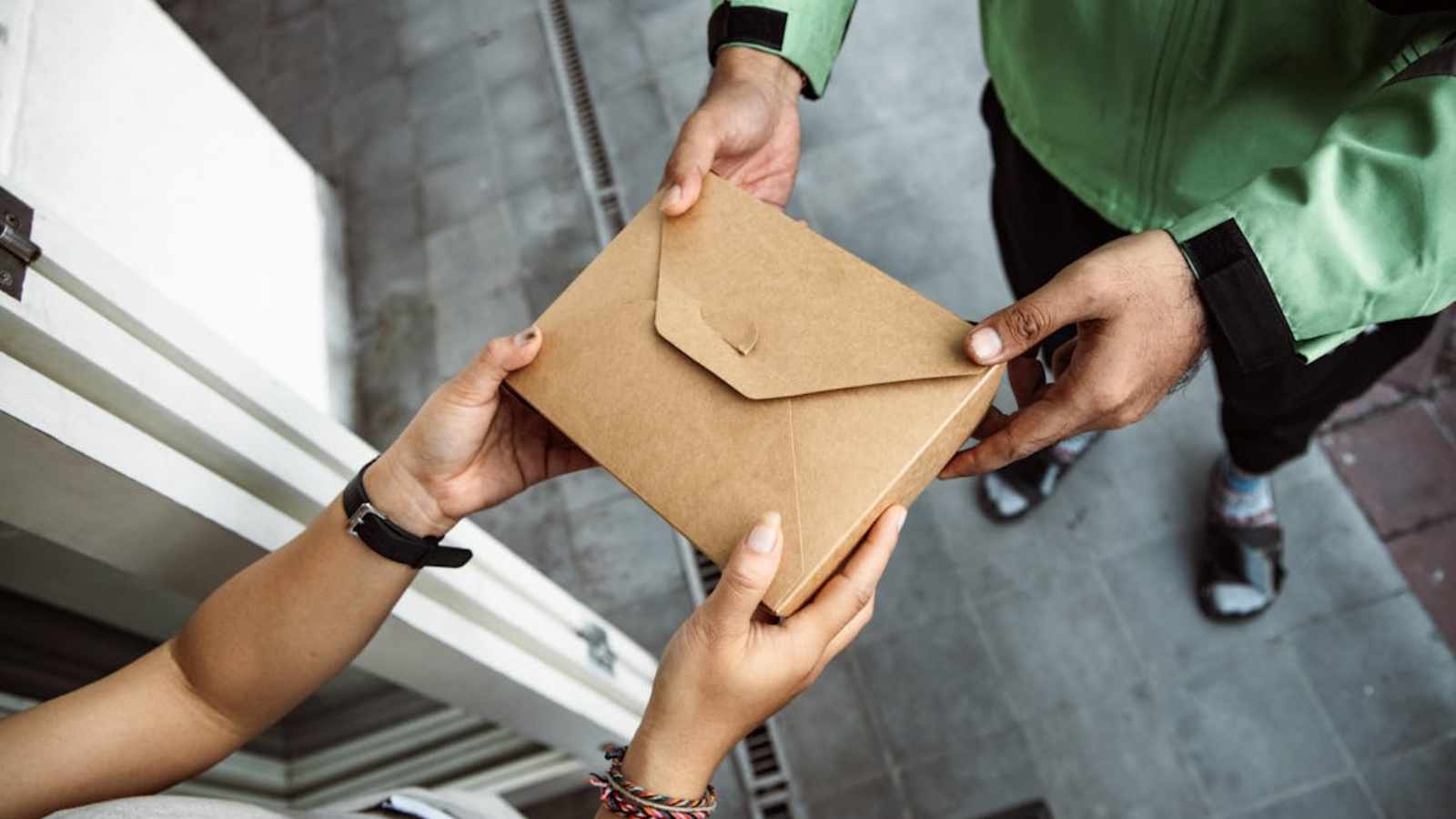
Getting mail and packages feels like a small daily gift, but they come with a lot of extra germs. Envelopes and boxes pass through dozens of hands, trucks, and sorting machines before they land at your door.
While the risk of contracting a serious illness is low, bacteria and viruses can survive on cardboard for up to 24 hours and on plastic for several days. A quick rinse after handling packages keeps things tidy. Plus, it feels like a small reset after opening them up.
Elevator buttons
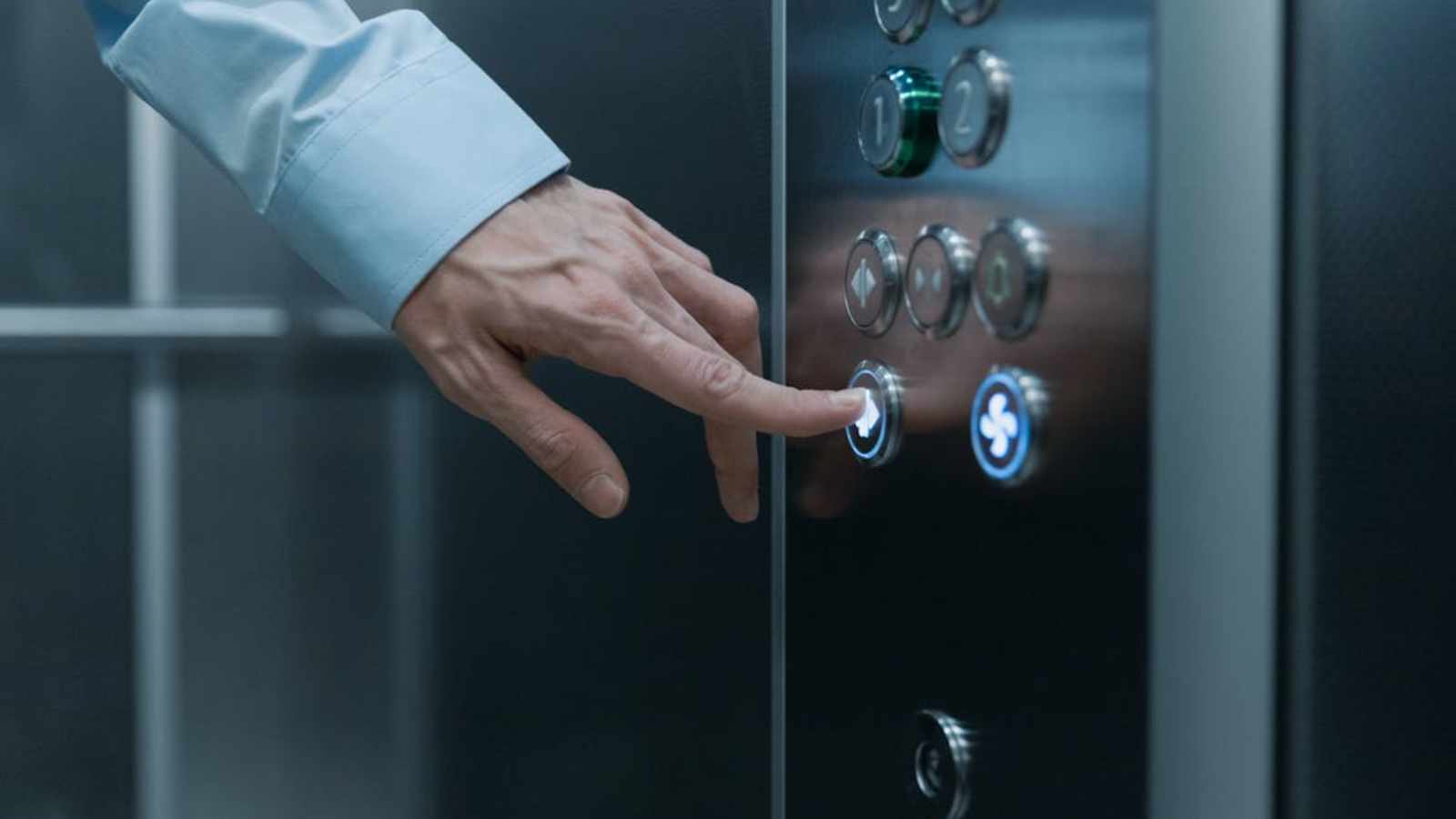
Elevators are quick and convenient, but the buttons? Not so much. A study conducted by Microban Europe, as cited in Infection Control Today, found that elevator buttons can harbor nearly 40 times more bacteria than public toilet seats. That’s because dozens, sometimes hundreds of people press them daily, and they’re rarely disinfected.
Since we usually hit the button and then immediately touch our phone or face, the germs have a fast pass into our personal space. A good handwash after that ride up or down is a small habit that makes a big difference.
Sponges and dishcloths
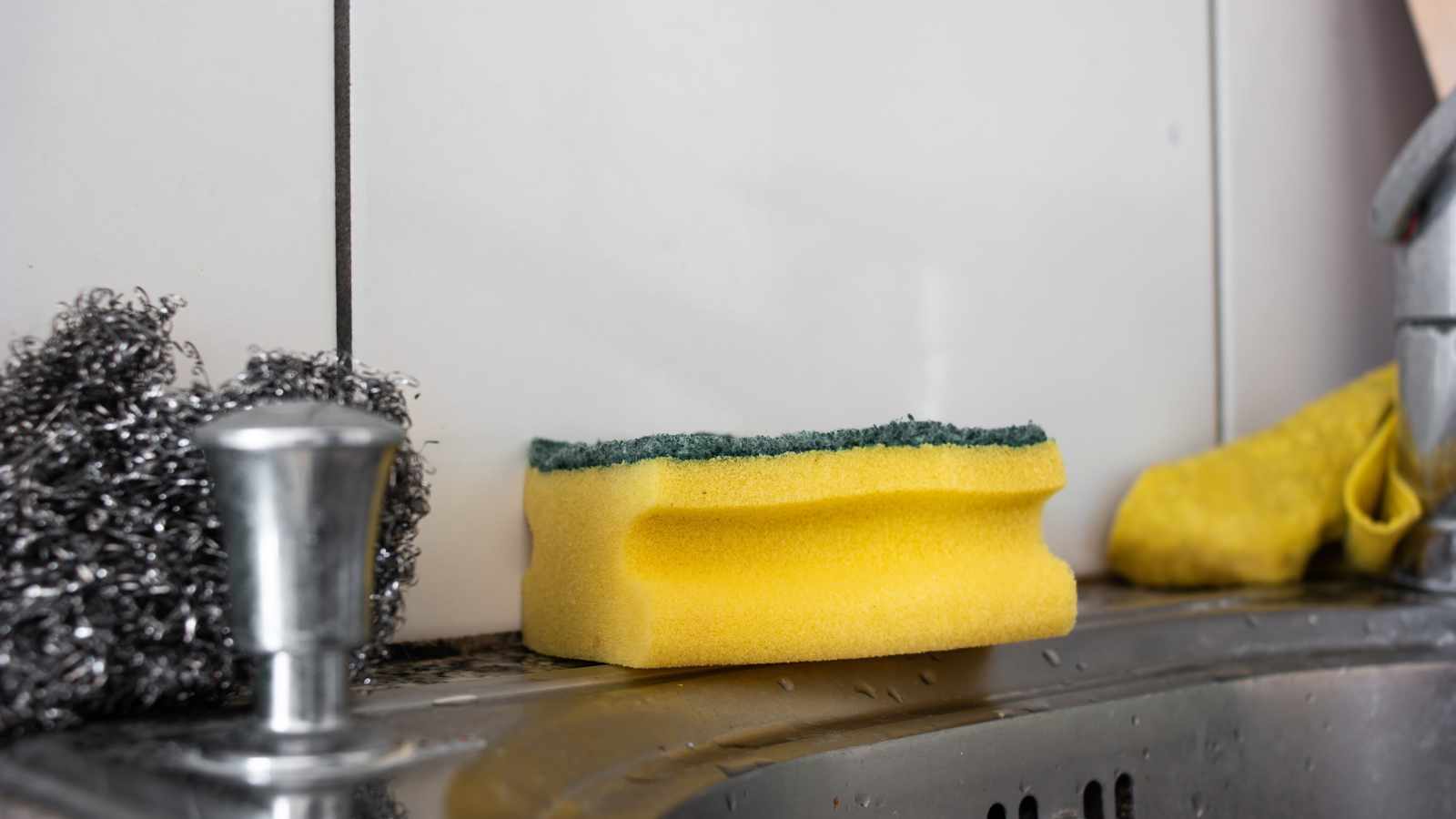
Here’s the shocker: the thing you clean your kitchen with might be dirtier than the trash can. Research from Germany’s Scientific Reports found that kitchen sponges can hold as many bacteria as a used toilet. That’s because moisture, warmth, and food particles create the perfect breeding ground.
Every time you rinse your hands with one or wipe the counter, you risk transferring that mess onto your skin. Washing your hands after handling them is a quick way to outsmart kitchen germs.
Key takeaways
Everyday objects are dirtier than they look – Phones, remotes, light switches, and even shopping carts carry surprising amounts of bacteria and viruses, often more than a toilet seat.
Public surfaces are germ hotspots – Door handles, bathroom fixtures, touch screens, gas pumps, and gym equipment are touched by countless strangers, making them some of the quickest ways germs spread.
Pets, food, and money bring their own risks – Raw meat, cash, and even your furry friends can pass along bacteria and parasites, so washing up after handling them keeps you safer.
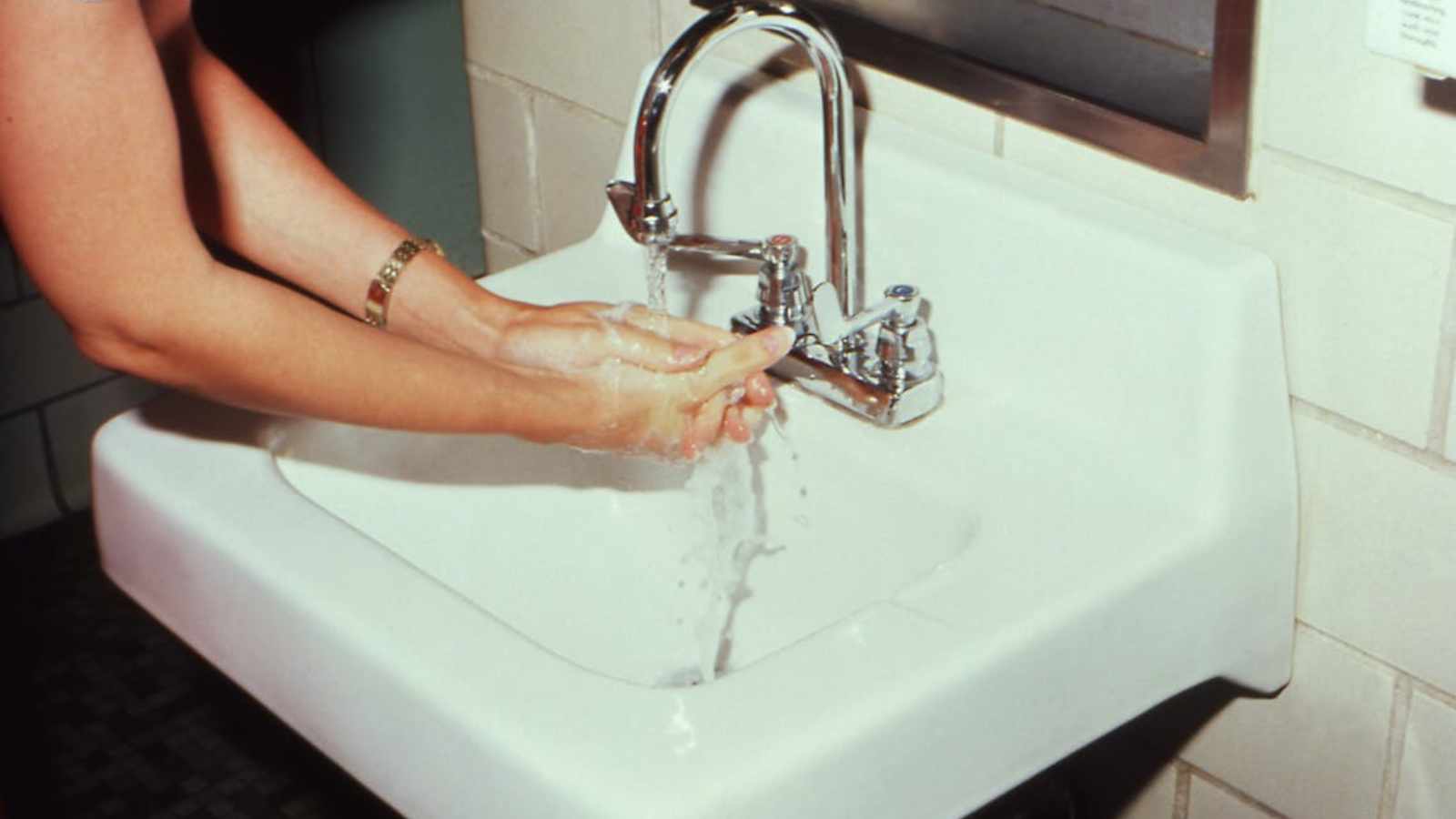
Handwashing is your simplest defense – A 20-second scrub with soap and water after contact with high-touch items can drastically reduce your risk of illness and keep everyday life a lot cleaner.
Disclaimer – This list is solely the author’s opinion based on research and publicly available information. It is not intended to be professional advice.
16 grocery staples to stock up on before prices spike again
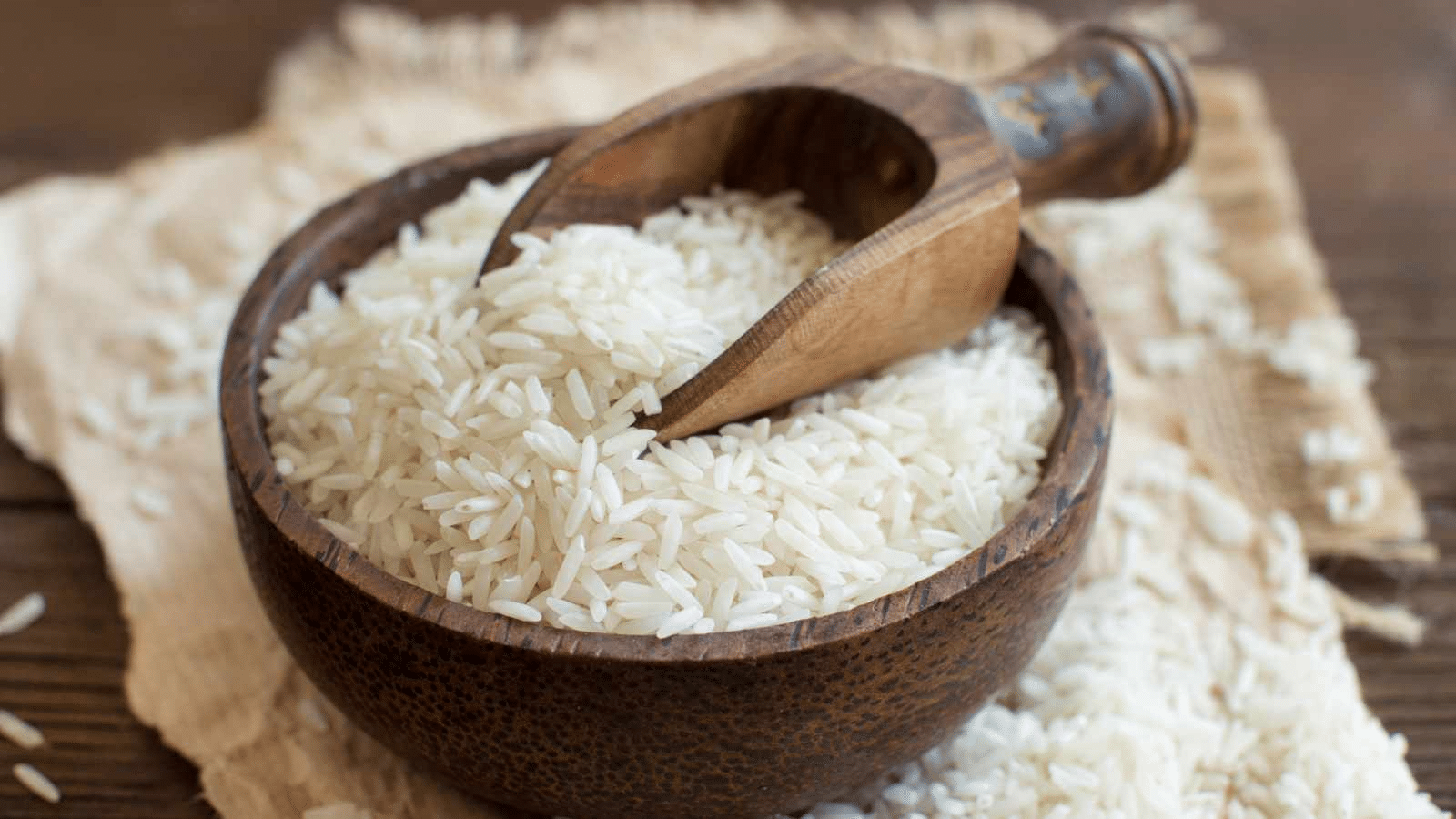
16 Grocery Staples to Stock Up On Before Prices Spike Again
I was in the grocery store the other day, and it hit me—I’m buying the same things I always do, but my bill just keeps getting higher. Like, I swear I just blinked, and suddenly eggs are a luxury item. What’s going on?
Inflation, supply-chain delays, and erratic weather conditions have modestly (or, let’s face it, dramatically) pushed the prices of staples ever higher. The USDA reports that food prices climbed an additional 2.9% year over year in May 2025—and that’s after the inflation storm of 2022–2023.
So, if you’ve got room in a pantry, freezer, or even a couple of extra shelves, now might be a good moment to stock up on these staple groceries—before the prices rise later.
6 gas station chains with food so good it’s worth driving out of your way for
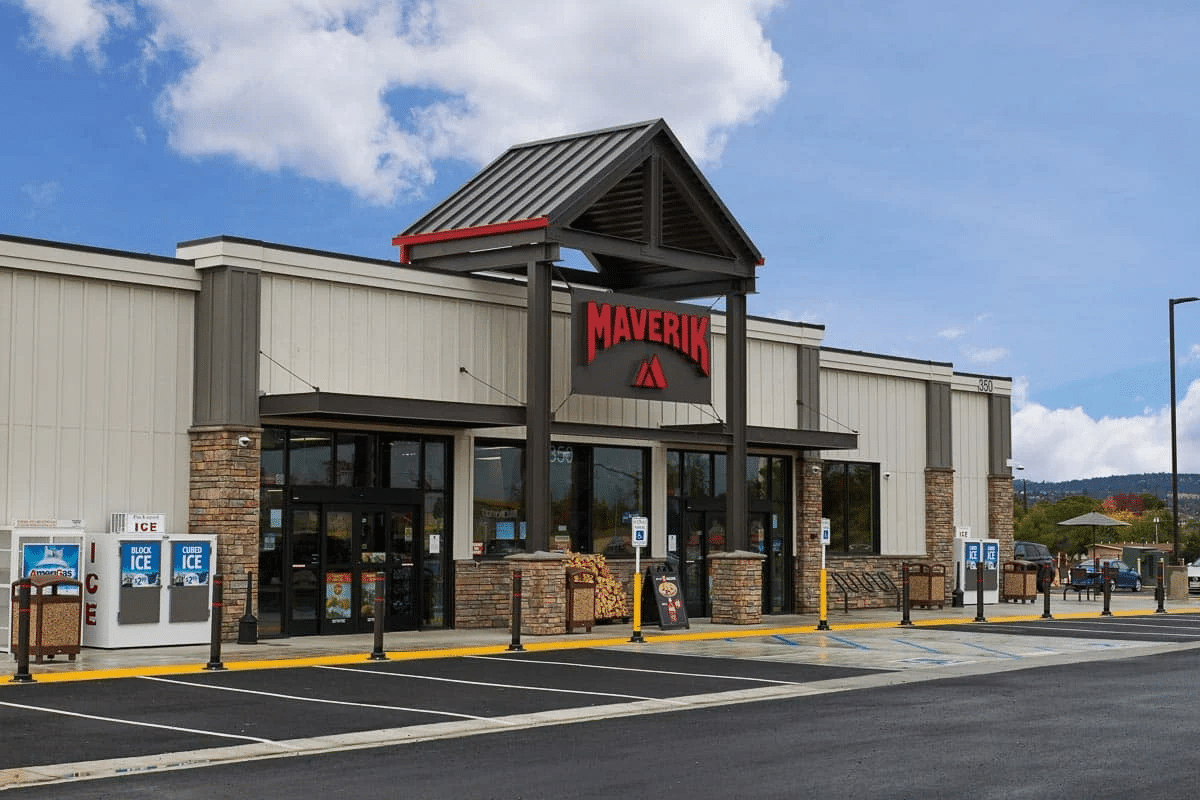
6 Gas Station Chains With Food So Good It’s Worth Driving Out Of Your Way For
We scoured the Internet to see what people had to say about gas station food. If you think the only things available are wrinkled hot dogs of indeterminate age and day-glow slushies, we’ve got great, tasty news for you. Whether it becomes part of a routine or your only resource on a long car trip, we have the food information you need.
Let’s look at six gas stations that folks can’t get enough of and see what they have for you to eat.